Where the Forest Whispers: Trekking to Serolsar Lake from Jibhi
12 Aug 2025•3 min read
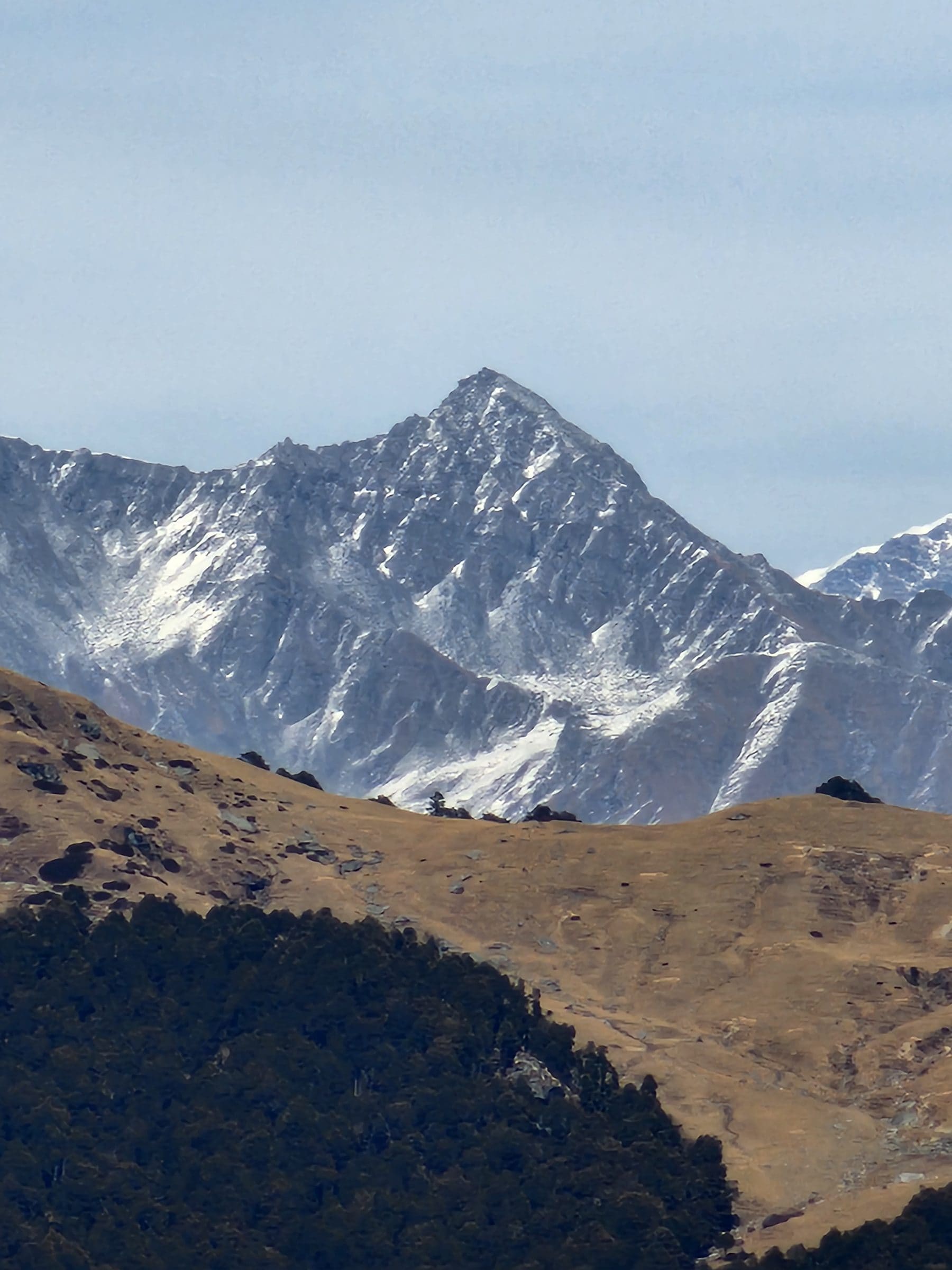
Plan the Serolsar lake trek from Jibhi: trail guide, weather, difficulty, and best time to visit. Experience the sacred lake via Jalori Pass.
Share this guide
Serolsar Lake: A comprehensive guide
Serolsar Lake, nestled 3,100 meters above sea level, is one of Himachal Pradesh’s most sacred and serene high-altitude lakes. Just 19 km from Jibhi, this 5 km trek from Jalori Pass offers a rare blend of spiritual tranquility, rich biodiversity, and breathtaking Himalayan views. Whether you're seeking a day trek from Jibhi or a multi-day escape into the Tirthan Valley, the Serolsar Lake trek is a must-do for nature lovers, birdwatchers, and those craving stillness in the mountains.
Why the Serolsar Lake Trek Stands Out Among Himalayan Treks
The Serolsar Lake trek isn’t just another hike—it’s a journey into the heart of the Himalayas’ spiritual and natural heritage. At 3,100m altitude, the lake is sacred to the Budhi Nagin deity, with a small temple on its banks adding to its mystical allure. Unlike crowded trekking hotspots, this trail remains relatively offbeat, offering an intimate experience with dense deodar and oak forests, crystal-clear streams, and the chance to spot rare Himalayan birds like the Himalayan Monal and Koklass Pheasant.
From Jibhi village, the trek takes you through Jalori Pass (3,120m), the highest motorable pass in the Kullu region, before descending into the tranquil embrace of Serolsar Lake. The 5 km trail from Jalori Pass is well-marked, making it accessible to trekkers of all levels, including beginners. What makes this lake trek from Jibhi special is its accessibility—no long drives or multi-day commitments are needed, yet the reward is a pristine alpine lake that feels worlds away.
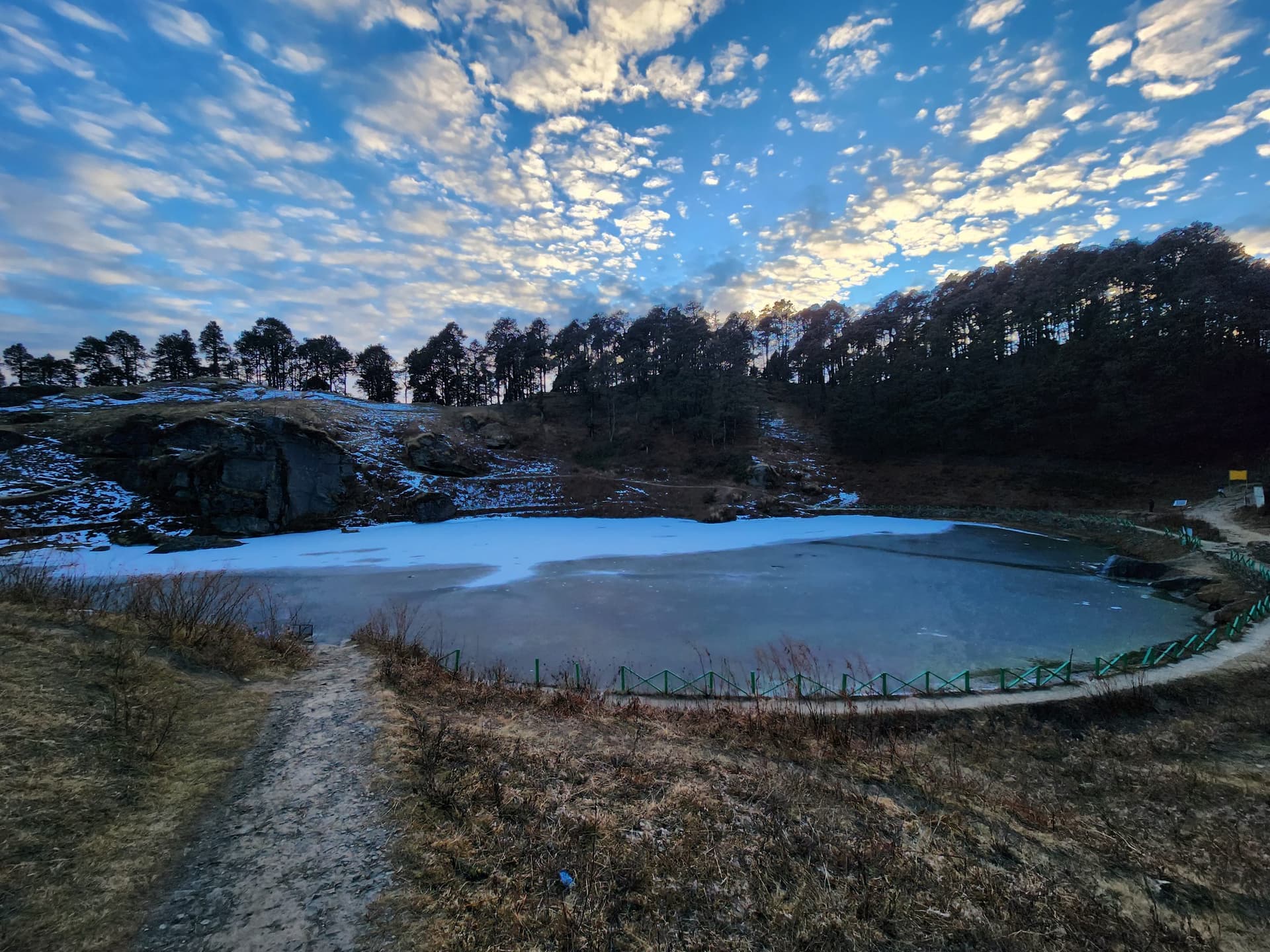
Serolsar Lake bordered by trees and dry grass under a cloudy sky
Best Time to Do the Serolsar Lake Trek: Weather & Seasonal Insights
Timing your Serolsar Lake trek is key to a safe and enjoyable experience. The trail is accessible from May to October, with each season offering a unique perspective:
- May–June: Post-winter thaw, the forest is lush, and wildflowers carpet the trail. Ideal for birdwatching and photography.
- July–August: Monsoon season brings heavy rains, making the trail slippery. Best avoided unless you're prepared for wet conditions.
- September–October: The peak season for the Serolsar Lake trek, with crisp air, golden foliage, and clear skies. The lake’s reflections of the surrounding peaks are stunning.
- November: Early snowfall may close Jalori Pass, but the valley below (including Jibhi) remains accessible for lower-altitude treks.
For the best balance of weather and crowd avoidance, September–October is the ideal time. If you’re planning a popular day trek in Tirthan Valley, combine your visit with nearby attractions like Chehni Kothi or Jibhi Waterfall for a full-day adventure.
Serolsar Lake Trek Difficulty Level: What to Expect on the Trail
The Serolsar Lake trek difficulty level is classified as easy to moderate, making it perfect for families, beginners, and experienced trekkers alike. Here’s what to expect:
- Distance: 5 km one way from Jalori Pass (9 km round trip from Jibhi).
- Duration: 2–2.5 hours uphill, slightly less on the return.
- Elevation gain: ~300m from Jalori Pass.
- Terrain: Well-defined trail through dense forest, with some rocky and root-covered sections. No technical climbing required.
- Trail conditions: Mostly shaded, with occasional steep patches. In monsoon, expect muddy sections.
The trail is family-friendly, but young children and those with mobility issues should be cautious on uneven ground. Pack light, wear sturdy shoes, and bring layers—temperatures can drop significantly as you ascend.
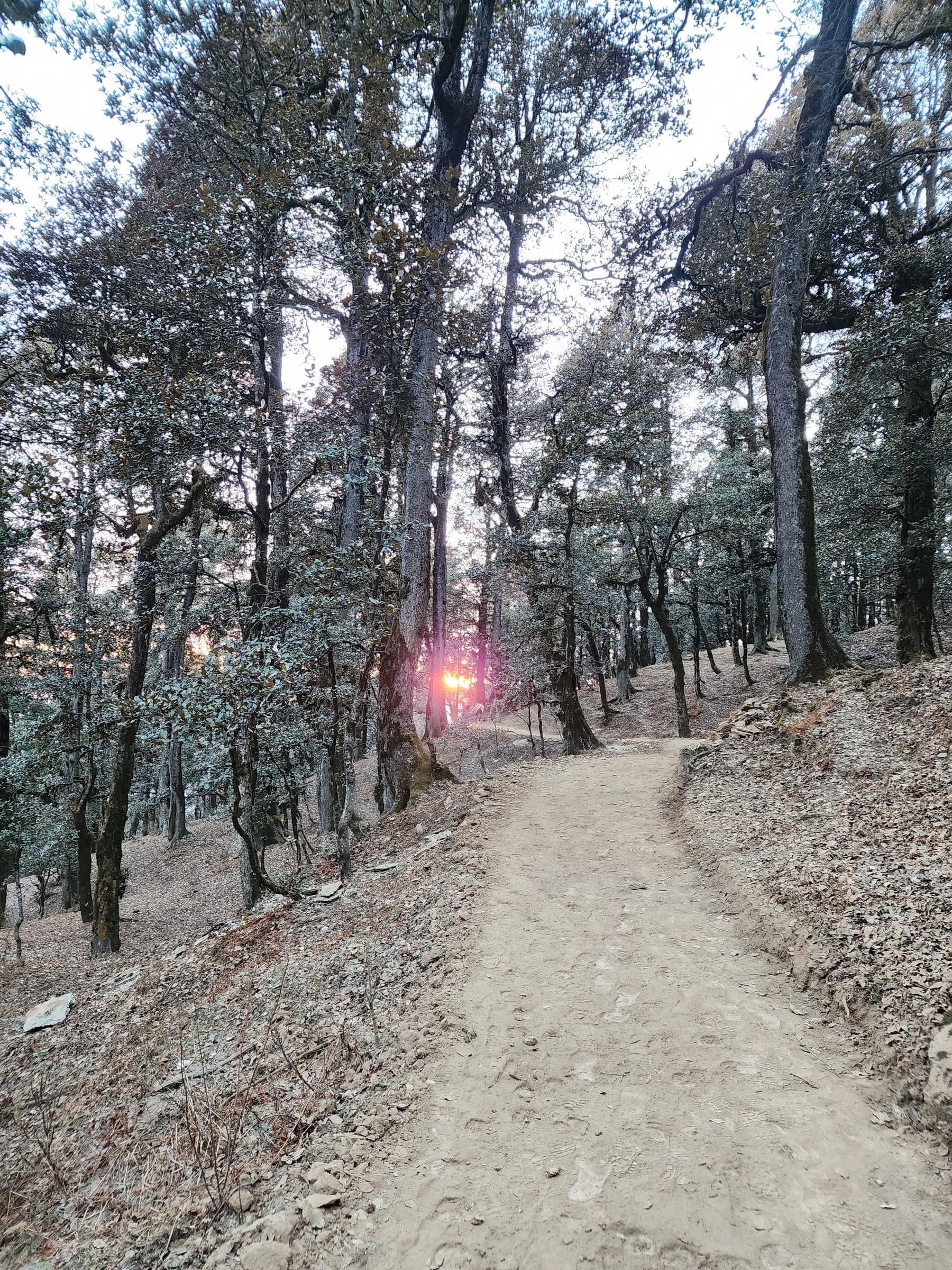
Dirt path winding through tall pine trees in the Serolsar Lake trek
Step-by-Step Guide: How to Reach Serolsar Lake from Jibhi
Getting to Serolsar Lake from Jibhi is straightforward, but planning your route ensures a smooth journey:
- Reach Jibhi: From Delhi, drive ~535 km (12–13 hours) via Chandigarh and Mandi. From Manali, it’s ~145 km (4–5 hours) via the Aut Tunnel. The nearest airport is Bhuntar (65 km, 2 hours).
- Drive to Jalori Pass: From Jibhi, take NH305 toward Banjar, then turn onto the Jalori Pass road at the Shoja junction. The drive is 14 km (45 minutes) on a narrow, winding road.
- Start the Trek: From Jalori Pass, follow the well-marked trail for 5 km into the forest. The path is steep in sections but manageable for most trekkers.
- Reach Serolsar Lake: The lake appears suddenly, nestled in a bowl surrounded by snow-capped peaks. Spend time exploring the temple, enjoying the stillness, and spotting birds.
Pro tip: Start early to avoid afternoon heat and crowds. Carry water, snacks, and a camera—this is one of the most photogenic spots in Tirthan Valley.
Where to Stay Near Serolsar Lake Trek: Best Homestays in Jibhi
After your Serolsar Lake trek, unwind in the warm embrace of Jibhi’s family-run homestays. Known for their traditional Kullu-style wooden architecture and Ailyak (slow-living) vibe, these stays offer a glimpse into the valley’s authentic charm.
- Ailyak Café & Stays: A local favorite, this cozy spot offers comfortable rooms, a café serving traditional Himachali cuisine, and stunning valley views. Their apple pies and trout dishes are a must-try.
- The Orchard View: A wooden homestay surrounded by apple orchards, perfect for those seeking peace. Owners often share local stories and tips for hidden trails.
- Riverwood Homestay: Located near the Tirthan River, this stay offers riverside relaxation and bonfire evenings. Great for groups or solo travelers.
Pro tip: Book in advance during peak season (September–October). Most stays don’t have ATMs, so carry cash from Banjar (10 km away).
Essential Tips for the Serolsar Lake Trek
To make the most of your Serolsar Lake trek, keep these tips in mind:
✅ Pack smart: Wear layers (temperatures drop quickly), sturdy shoes, and rain gear if trekking in monsoon. ✅ Carry permits: While no special permit is needed for the trek, trout fishing permits (if planning a detour) require a visit to the Fisheries Department at Larji or Banjar. ✅ Network limits: Mobile signal is patchy; BSNL has the best coverage. Inform someone of your plans. ✅ Monsoon caution: The trail can be slippery. Avoid July–August unless experienced. ✅ Respect local culture: The lake is sacred; dress modestly near the temple. ✅ Leave no trace: Pack out all waste—this is a protected forest area.
Combine Your Trek with Other Adventures in Tirthan Valley
The Serolsar Lake trek is just the beginning. Tirthan Valley offers a wealth of experiences:
- Chehni Kothi Trek: A 45-minute trek from the road leads to this 9-storey medieval tower, one of the tallest traditional structures in Himachal.
- Jibhi Waterfall: A short 15-minute walk from the village center, perfect for a post-trek dip.
- Trout Fishing: The Tirthan River is famous for trout. Visit Larji or Banjar for permits.
- Jalori Pass Exploration: Visit the pass top for panoramic views and tea stalls.
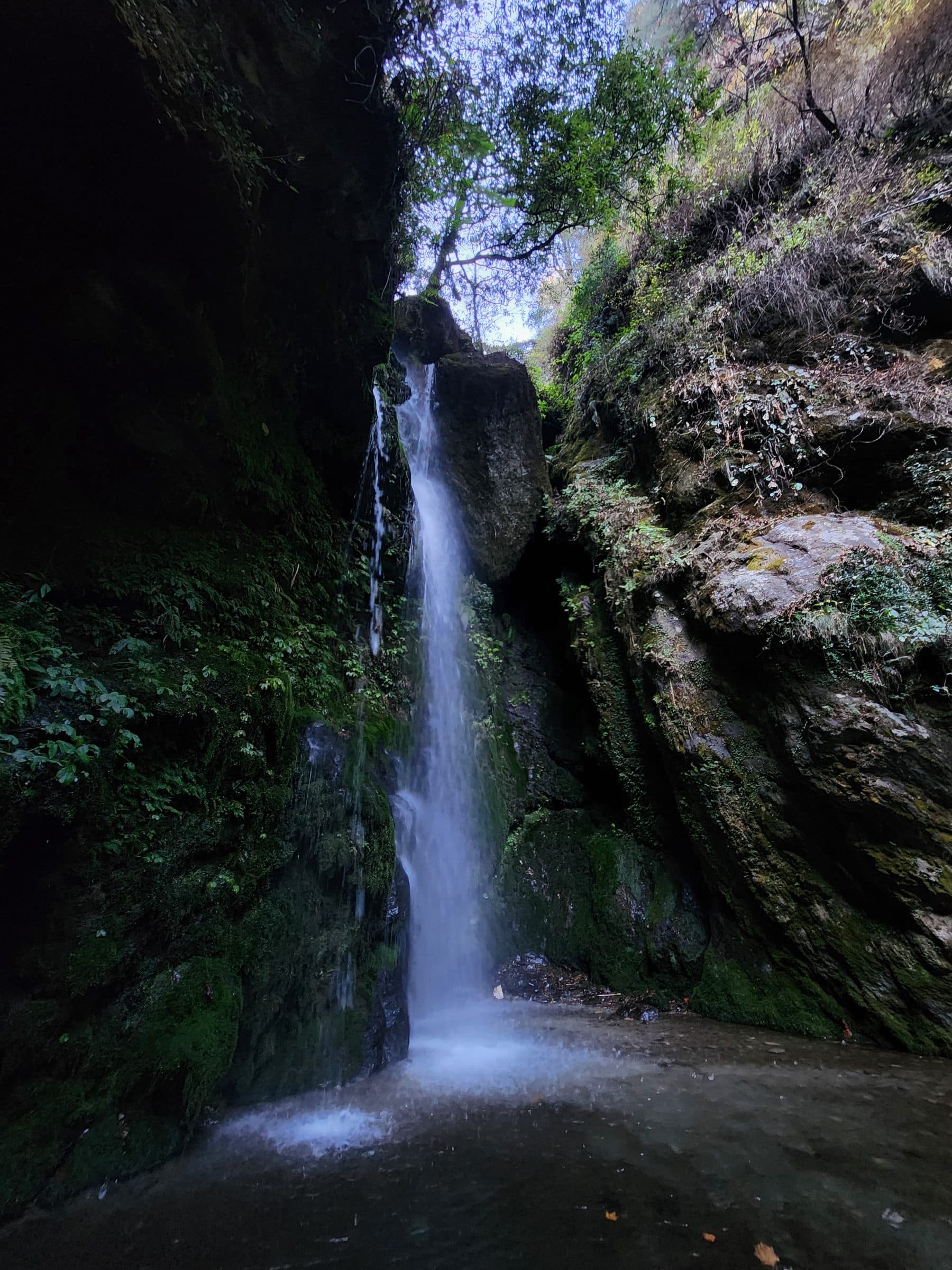
A clear Jibhi waterfall cascades down mossy rocks in a dense green forest.
The Serolsar Lake trek is more than a hike—it’s a pilgrimage into the soul of the Himalayas. With its sacred lake, rich biodiversity, and proximity to Jibhi, it’s a hidden gem waiting to be discovered. Whether you’re a seasoned trekker or a first-time visitor, the trail’s easy accessibility and profound beauty make it a must-do day trek from Jibhi.
Ready to plan your journey? Explore more about Jibhi’s best cafes at Where the Mountains Whisper: Finding Stillness in Jibhi Valley This April or dive deeper into the valley’s trekking trails at Jibhi Trekking: Best Trails & Essential Guide. For real-time weather updates, check What Jibhi Weather Feels Like Right Now.
Jibhi Trip Essentials
For planning routes, timing, and live conditions, use the core Jibhi guides:
How to Trek to Serolsar Lake from Jibhi
A step-by-step guide to reaching the serene Serolsar Lake via a scenic 5 km trek from Jalori Pass near Jibhi.
Total Time: 1 hour
1
Travel from Jibhi to Jalori Pass
Start from Jibhi village and drive approximately 19 km to Jalori Pass, the highest motorable pass in the Kullu region at 3,120 meters above sea level.
2
Begin the 5 km Trek to Serolsar Lake
From Jalori Pass, begin the well-marked 5 km descent through dense deodar and oak forests toward Serolsar Lake, enjoying views of streams and Himalayan wildlife along the way.
3
Reach and Explore Serolsar Lake
Arrive at the sacred Serolsar Lake situated at 3,100 meters, visit the Budhi Nagin temple on its banks, and spend time soaking in the tranquility and natural beauty of this high-altitude alpine lake.
4
Return to Jibhi
Retrace your path back to Jalori Pass and take the road back to Jibhi village, completing the trek and journey.
Frequently Asked Questions
The Serolsar Lake trek difficulty level is easy to moderate, making it suitable for first-time trekkers and families. The trail involves a gentle downhill from Jalori Pass followed by a slight ascent, with no steep climbs.
The trek from Jalori Pass to Serolsar Lake is 5 km one way and takes 2 to 2.5 hours to complete. The path is well-marked and descends gently through dense deodar and oak forests.
The best time to visit Serolsar Lake is from May to October. October offers crisp air, golden foliage, and clear views, while May to June features wildflowers and pleasant temperatures.
No, Serolsar Lake is not accessible in April due to snow blocking Jalori Pass. The trek usually reopens in May when the snow melts and temperatures rise.
Yes, children over 8 years old can comfortably do the Serolsar Lake trek if they are comfortable walking 5–6 km. The trail is well-trodden and suitable for those with moderate fitness.
On the Serolsar Lake trek, you might hear or spot the Himalayan Monal, a colorful pheasant native to the region. The forest is alive with bird calls, adding to the trek's immersive experience.
Related reads
- What the Weather at Jalori Pass Really Means for Your Jibhi Trip
Jalori Pass weather guide for April 2026: current conditions, snow status, seasonal forecasts, road access, and trek planning from Jibhi. Updated today.
- Where the Mountains Whisper: Your Guide to Jibhi Trekking in 2026
Best jibhi trekking guide 2026: discover jibhi treks, Serolsar Lake, Chehni Kothi, and Jalori Pass. When to go, how to reach, and where to stay.
- Chasing Clouds and Stillness: The Journey to Jalori Pass from Jibhi
Jalori Pass trek guide: current status, weather, snowfall, and route from Jibhi. Is Jalori Pass open now? When to visit? Plan your 2026 trip with real-time updates.
- Where Time Slows Down: The Soul of Jibhi and Its Hidden Journeys
Best things to do in Jibhi: waterfalls, Jalori Pass, Chehni Kothi, trout fishing & more. Plan your 2026 visit with seasonal tips, stays, and local secrets.
- Chasing Clouds and Quiet: The Road from Jibhi to Jalori Pass
Jibhi to Jalori Pass distance is 14 km. Know road status, weather, snowfall, and trek details for 2026. Plan your Himalayan escape with local insights.
- Chasing Clouds and Stillness: A Trekker’s Guide to Jalori Pass from Jibhi
Plan a Jibhi trek to Jalori Pass with up-to-date info on weather, snowfall, and access. Find out if Jalori Pass is open, trek details, and where to stay.
Stay Updated
Subscribe to our newsletter for travel tips and updates about Jibhi.