Chasing Clouds and Quiet: The Road from Jibhi to Jalori Pass
21 Nov 2025•4 min read
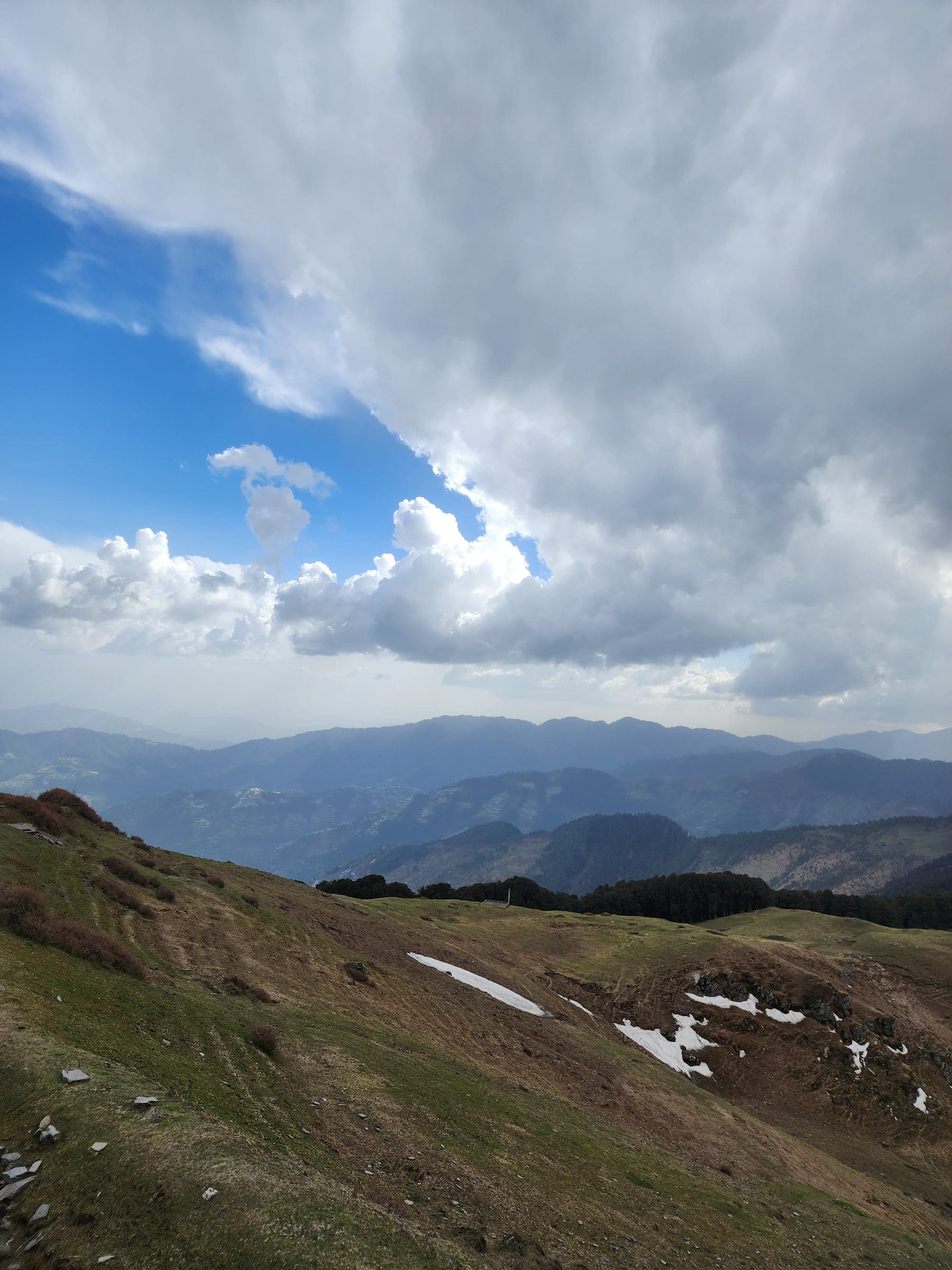
Jibhi to Jalori Pass distance is 14 km. Know road status, weather, snowfall, and trek details for 2026. Plan your Himalayan escape with local insights.
Share this guide
The road from Jibhi to Jalori Pass is one of the most scenic drives in the Kullu Valley. At just 14 km and 45 minutes, this winding mountain route climbs from 2250m to 3120m, unlocking panoramic Himalayan views and access to Serolsar Lake. Whether you’re planning a short drive, a high-altitude trek, or a winter snow chase, knowing the Jibhi to Jalori Pass distance, road conditions, and the best time to go makes all the difference.
Why the Jibhi to Jalori Pass Distance Is Worth Every Kilometer
Jalori Pass isn’t just a number on a map—it’s the highest motorable pass in Kullu district at 3120m. From Jibhi village, the Jibhi to Jalori Pass distance is only 14 km via NH305 and the Shoja road, but the journey feels like crossing into another world. The route passes through deodar and oak forests, crosses wooden bridges over the Tirthan River, and climbs steadily toward the sky. At the top, you’re greeted by sweeping views of the Great Himalayan National Park, Rohru’s distant ridges, and sometimes even snow-capped peaks in winter.
This is where the Jibhi to Jalori Pass distance becomes an experience. You’re not just ticking off kilometers—you’re trading village lanes for alpine meadows, slow walks for sharp mountain air, and everyday chatter for the quiet hum of prayer flags in the wind.
How to Cover the Jibhi to Jalori Pass: Roads, Wheels, and Weather
The route is best covered by car or bike. The road is narrow, winding, and occasionally steep, with hairpin bends and no guardrails in places. Drive carefully—especially during early morning fog or post-monsoon mist.
- Route: From Jibhi village, take NH305. After 8 km, turn off at the Shoja junction onto the Jalori Pass road.
- Time: Allow 45 minutes one-way. Add extra time if you stop at viewpoints or the Shoja viewpoint.
- Best vehicle: A small SUV or sedan with good ground clearance. Motorcycles are fine in good weather, but avoid during monsoon or early snow.
- Road status: Open May through October. Closed November–April due to heavy snowfall. Always check local conditions before you leave.
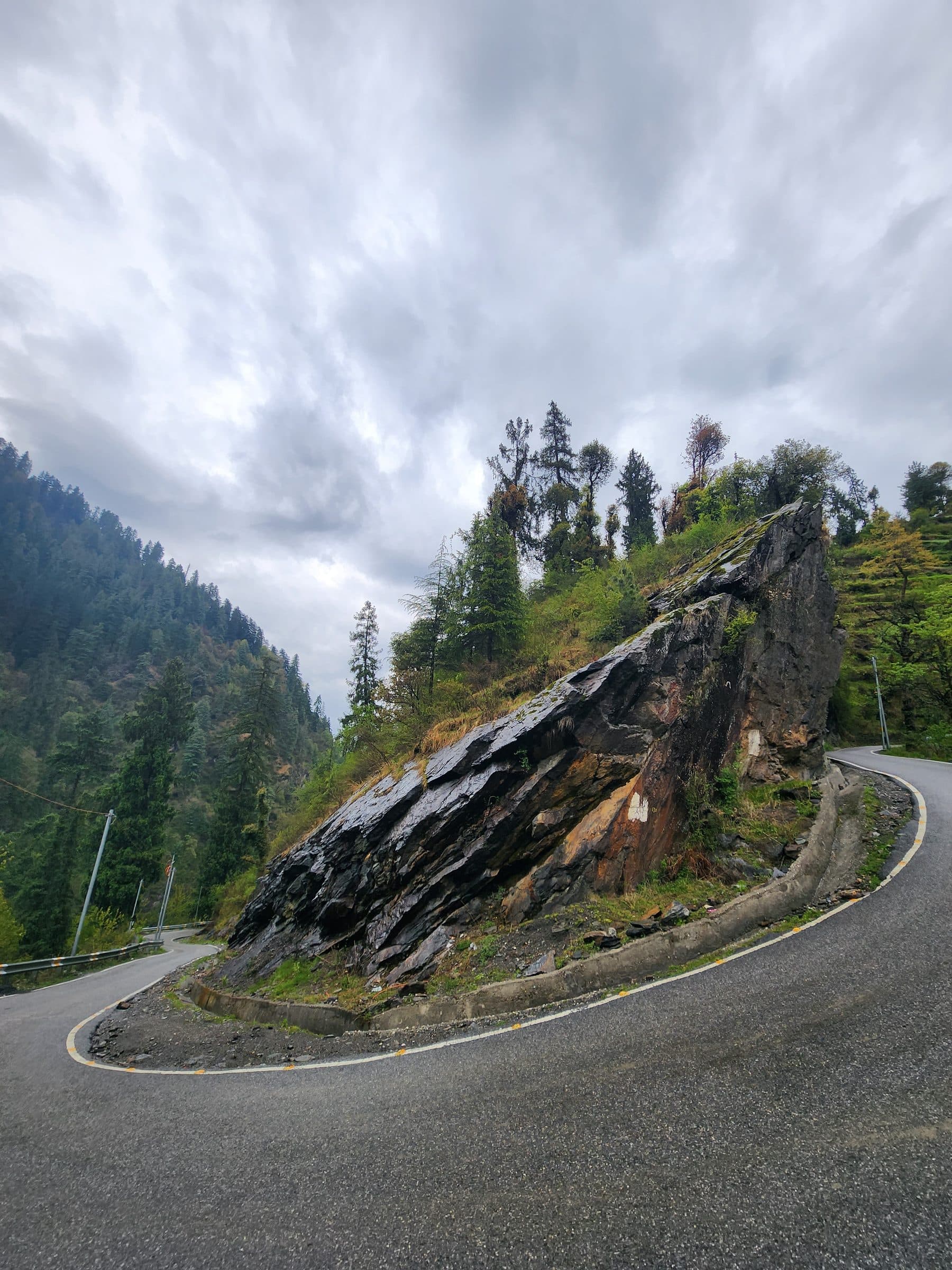
A road curves along a rocky, forested hillside under an overcast sky
📌 Pro tip: If you’re coming from Delhi, you can break the journey with an overnight bus to Aut or Bhuntar, then hire a local taxi to Jibhi. From Manali, it’s a straightforward 4–5 hour drive via the Aut Tunnel.
What to Expect When You Reach Jalori Pass: Weather, Snow, and Views
Jalori Pass doesn’t just sit at 3120m—it acts as the gateway to the Himalayas. Depending on the season, the pass delivers completely different experiences:
| Season | Weather | Snowfall | Road Status | Best For |
|---|---|---|---|---|
| May–June | Mild, clear | Possible at top | Open | Photography, light trekking |
| July–Aug | Rainy, misty | Rare | Open | Lush greenery, fewer crowds |
| Sep–Oct | Crisp, golden | Patchy snow | Open | Foliage, clear skies, trekking |
| Nov–Apr | Cold, snowy | Heavy | Closed | Snow tourism from Jibhi village |
❄️ Snowfall prediction in Jalori Pass is highly variable. While heavy snow usually starts in late November, early snow can arrive in October after unseasonal storms. Always check the Himachal Pradesh Road Transport Corporation (HRTC) alerts or local taxi stands in Jibhi before heading up.
Turn the Distance into a Trek: From Jalori Pass to Serolsar Lake
The Jibhi to Jalori Pass distance is just the beginning. Once at the pass, you’re at the trailhead for one of the most soul-stirring treks in the region: Serolsar Lake.
- Distance from Jalori Pass: 5 km (one way)
- Duration: 2–2.5 hours
- Elevation gain: ~300m
- Trail type: Well-marked forest path through deodar and oak
- Highlights: Himalayan Monal sightings, a sacred lake, and a small temple dedicated to Budhi Nagin
This trek from Jalori Pass to Serolsar Lake is easy to moderate, making it perfect for families and photographers. The lake’s still waters reflect the sky, and the forest hums with bird calls. Bring water, snacks, and a camera—this is where the mountains feel alive.
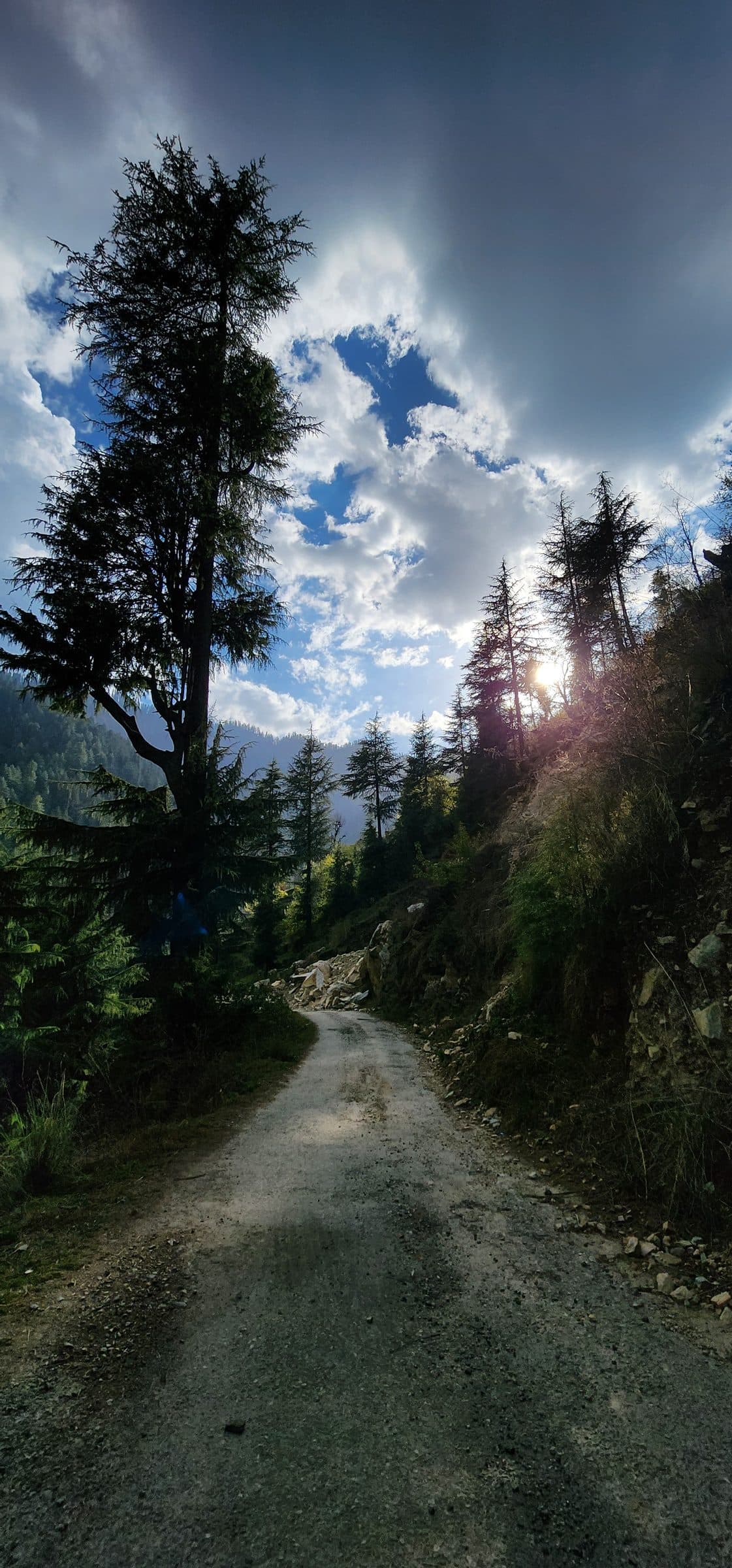
Dirt road winding through dense pine forest and mountains in Jibhi Valley
🧭 Not sure where to start your trek? Check our Jibhi Trekking: Best Trails & Essential Guide for route maps and packing tips.
Is Jalori Pass Open Now? Real-Time Conditions and What to Pack
As of 16 April 2026, Jalori Pass is open and accessible. The road is clear of snow, and the weather is mild. However, the jalori pass weather can shift quickly—morning sun can turn to mist by noon, especially in spring.
Pack smart:
- Light layers (base, fleece, windbreaker)
- Waterproof hiking shoes
- Sunglasses and sunscreen (UV is intense at altitude)
- Snacks and water for the drive and short trek
- Power bank (mobile signal is patchy; BSNL works best)
⚠️ Mobile network: BSNL has the most reliable signal. Airtel works in most spots. Jio is patchy. Download offline maps before you go.
Final Tips for Conquering the Jibhi to Jalori Pass Distance
- Best time to go: October–November for post-monsoon clarity and golden foliage. May–June for wildflowers and mild weather.
- Carry cash: Jibhi has no ATM. Withdraw from Banjar (10 km) or Aut (56 km).
- Permits: No permit needed for the drive or Serolsar Lake trek. For trout fishing in the Tirthan River, get a permit from Larji or Banjar.
- Stay overnight: Combine the drive with a night in Jibhi. Wake up early, drive to the pass at dawn, and return for breakfast in the village.
🌿 Want more quiet magic? Read our guide to traditional Himachali cuisine in Jibhi after your pass adventure.
The Jibhi to Jalori Pass is more than a number—it’s a journey from valley lanes to sky-high ridges, from slow village life to alpine stillness. Whether you’re here for the drive, the trek, or the silence at 3120m, the pass delivers an unforgettable slice of the Himalayas.
Jibhi Trip Essentials
For planning routes, timing, and live conditions, use the core Jibhi guides:
How to Plan Your Trip from Jibhi to Jalori Pass
A step-by-step guide to preparing for and traveling the 14-kilometre route from Jibhi to Jalori Pass, including timing, conditions, and key considerations.
Total Time: 1 hour
1
Check Pass Accessibility
Verify if Jalori Pass is open, as it typically remains closed from November to April due to snowfall. As of April 2026, the pass is still closed to regular traffic and expected to reopen in May after snow clearance operations.
2
Monitor Weather and Snow Conditions
Assess current weather and snow levels. While Jibhi experiences spring conditions, Jalori Pass remains snow-covered with sub-zero night temperatures. Confirm if residual snow or late-season storms could affect your travel.
3
Plan Your Travel Window
Schedule your visit between May and November when the road is fully open and safe. Early May marks the beginning of the thaw, making it ideal for witnessing melting snow and alpine renewal.
4
Consult Local Resources
Reach out to local homestays like Ailyak Stays & Experiences for real-time updates on road conditions and expert guidance tailored to your travel plans.
Frequently Asked Questions
The distance from Jibhi to Jalori Pass is 14 kilometres.
No, as of April 12, 2026, Jalori Pass is not yet open to regular traffic due to snow closure. It typically reopens in May after snow clearance operations.
Yes, as of mid-April 2026, Jalori Pass remains covered in deep snowpack, though there is no active snowfall reported at this time.
Jalori Pass sits at an altitude of 3120 metres, rising from Jibhi's 2250 metres.
Jalori Pass typically reopens in May after snow clearance, following the winter closure that lasts from November through April.
In April, daytime temperatures range from 3–7°C, dropping to -5°C at night, with strong winds and unpredictable cloud cover.
Related reads
- Chasing Clouds and Stillness: A Trekker’s Guide to Jalori Pass from Jibhi
Plan a Jibhi trek to Jalori Pass with up-to-date info on weather, snowfall, and access. Find out if Jalori Pass is open, trek details, and where to stay.
- Under the Peaks: A Real-Time Guide to Jalori Pass Weather & Access
Jalori Pass weather and open status for September 2026: what today's readings say, how the road is actually checked each morning, and the drive and treks from Jibhi.
- What the Weather at Jalori Pass Really Means for Your Jibhi Trip
Jalori Pass weather guide for April 2026: current conditions, snow status, seasonal forecasts, road access, and trek planning from Jibhi. Updated today.
- Chasing Clouds and Stillness: The Journey to Jalori Pass from Jibhi
Jalori Pass trek guide: current status, weather, snowfall, and route from Jibhi. Is Jalori Pass open now? When to visit? Plan your 2026 trip with real-time updates.
- Jalori Pass Uncovered: Your Complete Guide to Weather, Access & Treks in April 2026
Is Jalori Pass open now? As of April 2026, the road from Jibhi to Jalori Pass remains closed due to lingering snow — it typically opens by mid-May. While snowfall has stopped, temperatures stay below freezing at night, and snowpack at 3120m is still significant. Plan your jibhi trek to Jalori Pass for late May onward for safe access.
- Shoja: Where the Hills Whisper Slowly and the Snow Lingers Just a Little Longer
Shoja guide: best time to visit, cafes, snow season & Jibhi trip tips. Discover Shoja in April, Jalori Pass access, and serene mountain living.
Stay Updated
Subscribe to our newsletter for travel tips and updates about Jibhi.