Chasing Clouds and Stillness: The Journey to Jalori Pass from Jibhi
16 Jul 2025•3 min read
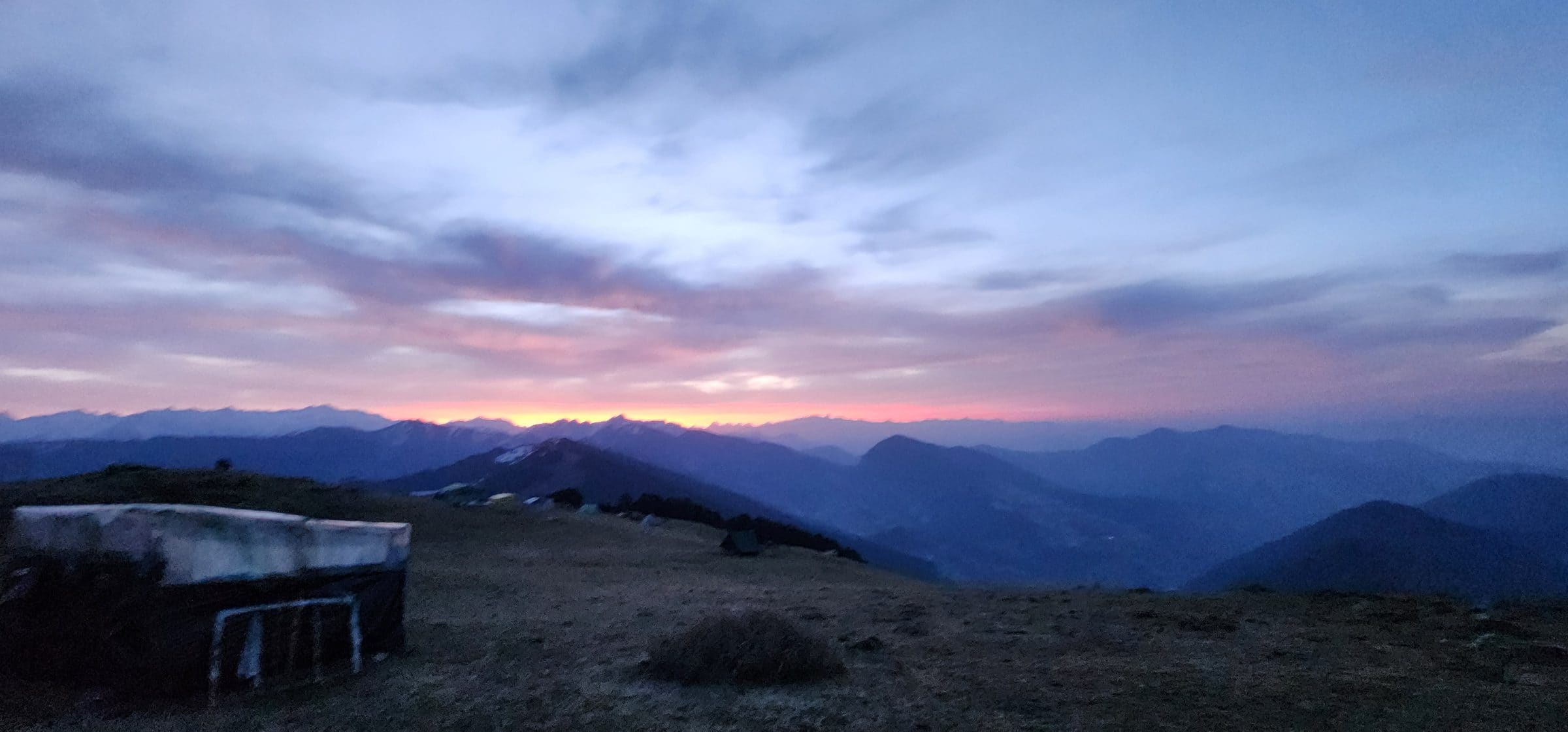
Jalori Pass trek guide: current status, weather, snowfall, and route from Jibhi. Is Jalori Pass open now? When to visit? Plan your 2026 trip with real-time updates.
Share this guide
Is Jalori Pass Open Now? Current Status for April 2026
As of Sunday, 12 April 2026, Jalori Pass is open and accessible by car. The road from Jibhi to the pass (14 km, 45-minute drive) is clear, and conditions are excellent for day trips, Jalori Pass treks to Serolsar Lake, Raghupur Fort, and scenic drives. April sits squarely in the spring window when Jalori Pass shakes off winter and welcomes the trekking season.
This is typical for the season. Jalori Pass, standing at 3120m, usually reopens in March and stays accessible through October. Travelers planning a Jalori Pass treks should always confirm road status locally in Jibhi village or at Banjar before heading up—especially if you're planning an early morning departure.
Planning Jalori Pass Treks: What You Need to Know
The Jalori Pass treks is not just a hike—it’s a journey through alpine forests, sacred lakes, and high mountain silence. Whether you're planning a day trip or a multi-day adventure, understanding the route, difficulty, and logistics is key.
1. Serolsar Lake Trek: A Sacred Dip in the Himalayas
Distance from Jibhi: 19 km (14 km drive + 5 km trek) Duration: 2–2.5 hours (one way) Difficulty: Easy to moderate Best time: March–December
Serolsar Lake is one of the most serene jibhi lake trek destinations in the region, nestled at 3,100m in a bowl of deodar and oak forests. The 5 km trail from Jalori Pass winds through bird-rich woodlands, where Himalayan Monals and Koklass Pheasants flit between the trees. At the lake, you’ll find a small temple dedicated to the Budhi Nagin deity, adding a spiritual touch to the misty alpine scenery.
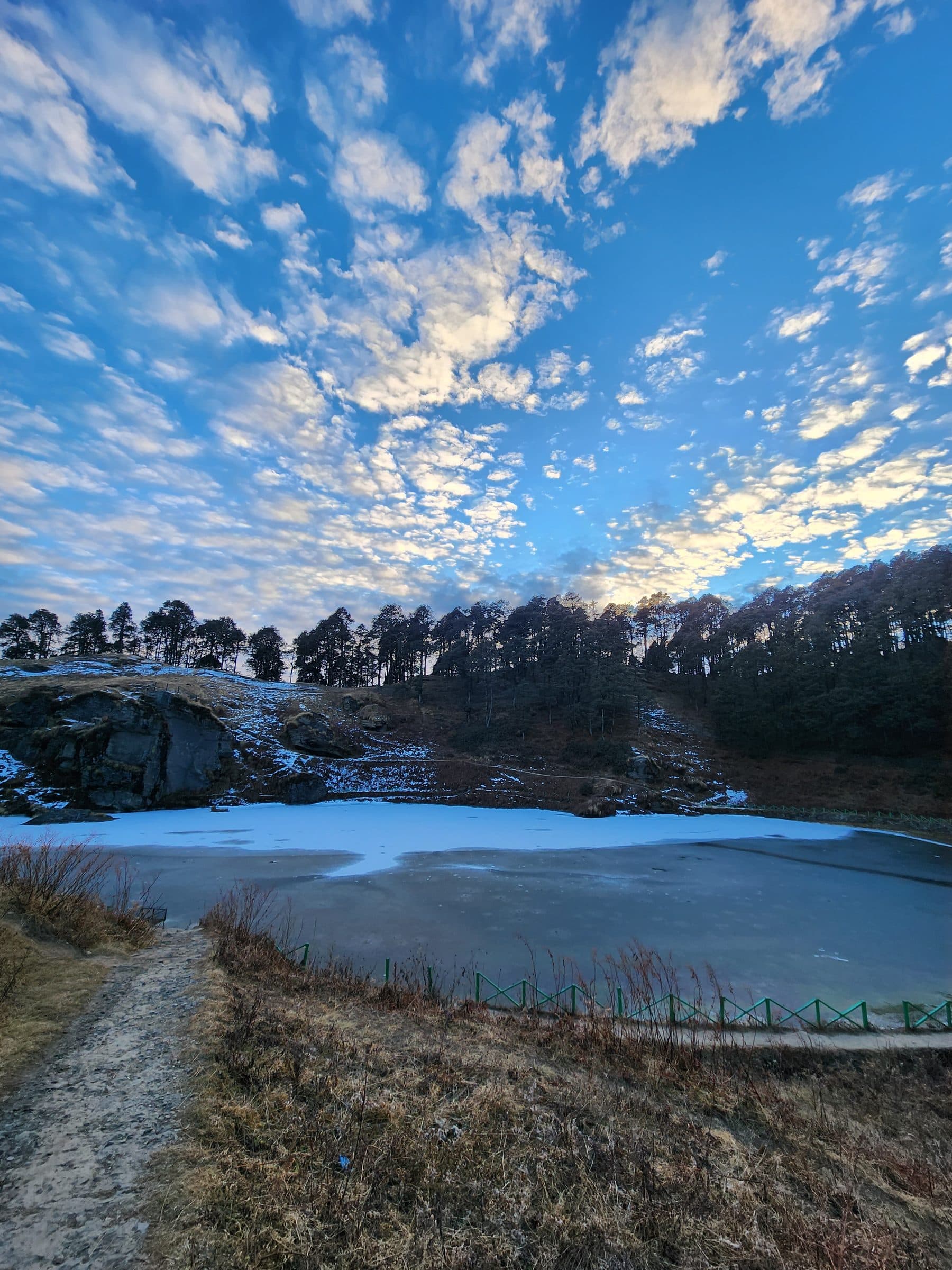
Dry grass and trees bordering a reflective body of water under a blue sky
2. Raghupur Fort Trek: Ruins with a 360° Himalayan View
Distance from Jibhi: 19 km (14 km drive + 3 km trek) Duration: 1.5 – 2 hours (one way) Difficulty: Moderate Best time: May–October
For history lovers and photographers, the Raghupur Fort trek is a must. This 3 km ridge trek from Jalori Pass climbs to the ruins of a Guler kingdom fortress at 3,300m, offering sweeping views of the Dhauladhar range, Kinnaur peaks, and the sprawling Kullu Valley. The fort’s crumbling walls and quiet meadows make it one of the most atmospheric treks in Jibhi.
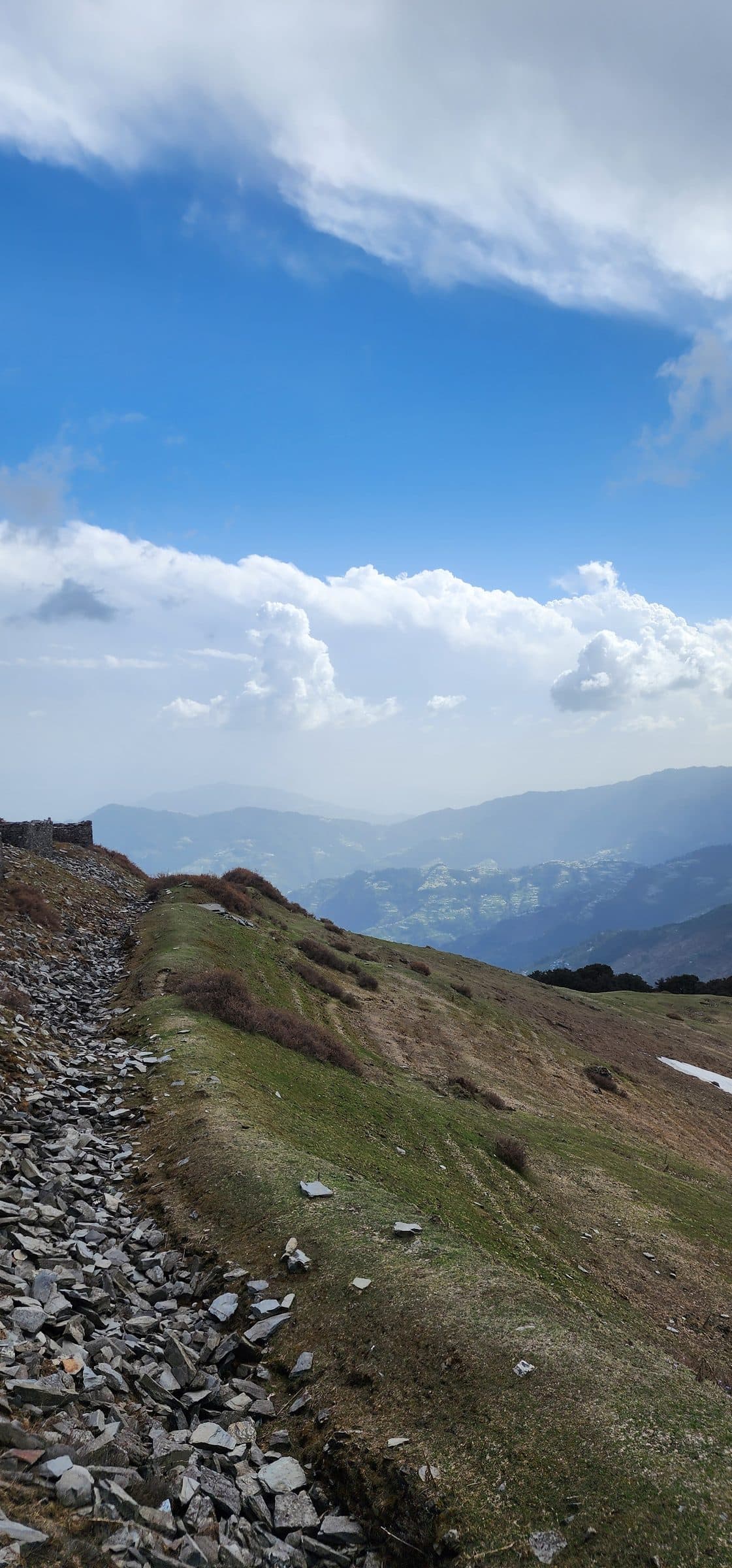
Rolling green grassy hillside with distant mountains and scattered clouds
Rolling green grassy hillside with distant mountains and scattered clouds
👉 Remeber to visit Chehni Kothi, a 9-storey medieval tower accessible via a scenic 45-minute trek from Chainsi Marg. It’s one of the tallest traditional wooden structures in Himachal—and a perfect blend of heritage and adventure. Explore more places to visit in Jibhi.
Is There Snowfall in Jalori Pass Today?
As of 20 April 2026, there is no fresh snowfall reported at Jalori Pass today. However, residual snow can be found/ Temperatures hover around 2°C at night and 18°C during the day—typical for this transitional spring phase.
Snowfall prediction in Jalori Pass for the coming week shows no immediate snow events. The India Meteorological Department forecasts clear skies and gradual warming, accelerating snowmelt. This makes it an ideal time to plan a Jibhi trek to Jalori Pass for early April—when the pass typically opens and wildflowers begin to bloom.
For real-time updates, travelers can check the weather at Jalori Pass, which includes live temperature trends and road status alerts.
Jalori Pass Weather: What to Expect by Season
Understanding Jalori pass weather is crucial for planning.
- May–June: Crisp mornings, sunny days (15–20°C), cold nights (0–5°C). Ideal for trekking.
- July–August: Monsoon brings rain and landslides. Road access unstable. Not recommended.
- September–November: Post-monsoon clarity, golden foliage, stable weather. Best time to visit.
- December–Feburary: Heavy snowfall. Pass closed. Jibhi village remains accessible for snow lovers.
Carry layered clothing even in summer—weather changes fast. And remember: Jalori pass temperature drops sharply after sunset, regardless of season.
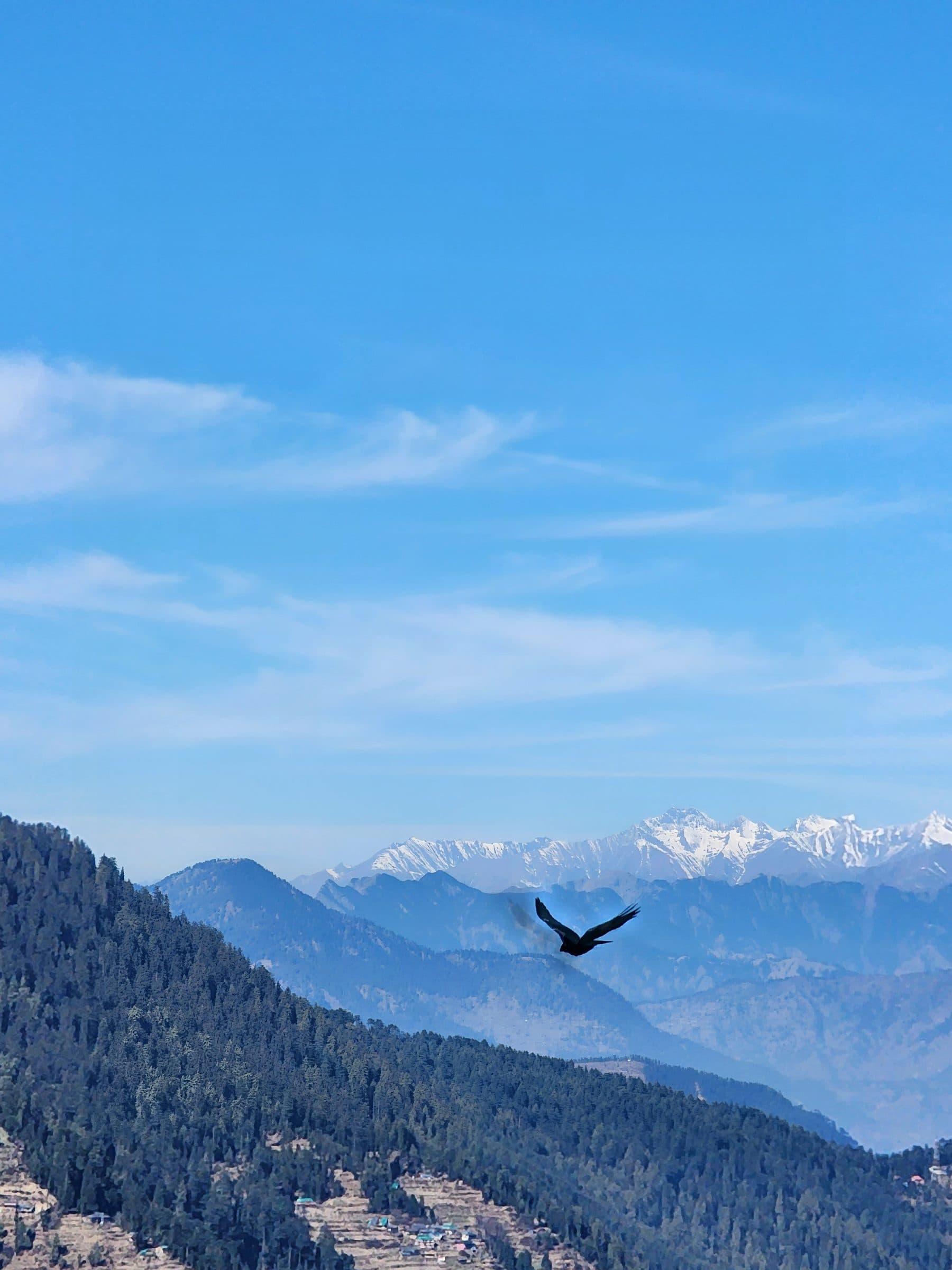
Rolling green hills and forests under a clear blue sky in Jibhi Valley
Jibhi to Jalori Pass Distance & How to Reach
The Jibhi to Jalori Pass distance is 18 km, taking about 45 minutes by vehicle since the road is open. The route follows NH305 from Jibhi to Shoja, then a narrow, scenic road climbs to the pass.
Public transport is limited—shared jeeps operate from Banjar to Shoja, but private taxis are more reliable. Most travelers book a tour package from Delhi that includes transport, stays, and guided treks.
Why the Jalori Pass Trek is Unmissable
More than just a trail, the Jalori Pass trek offers a rare blend of natural beauty, cultural heritage, and alpine solitude. It’s a gateway to the Great Himalayan National Park buffer zone, a UNESCO World Heritage Site, and a living example of the "Ailyak"—the unhurried rhythm of life in Jibhi Valley.
Whether you’re drawn by the sacred waters of Serolsar Lake, the thrill of high-altitude roads, or the quiet power of snow-draped pines, this trek defines Himalayan stillness.
For trekkers and dreamers alike, the wait to visit is worth it.
Jibhi Trip Essentials
For planning routes, timing, and live conditions, use the core Jibhi guides:
How to Plan a Jalori Pass Trek to Serolsar Lake
A step-by-step guide to trekking from Jibhi to Serolsar Lake via Jalori Pass.
Total Time: 1 hour
1
Check Road Accessibility
Confirm that the road from Jibhi to Jalori Pass is open, especially if traveling early in the season. As of April 2026, the 14 km route is clear and accessible by car, taking about 45 minutes to reach the pass.
2
Begin the Trek to Serolsar Lake
Start the 5 km trek from Jalori Pass towards Serolsar Lake. The trail passes through alpine forests rich with birdlife, including sightings of Himalayan Monals and Koklass Pheasants.
3
Reach and Explore Serolsar Lake
Arrive at the serene alpine lake situated at 3,100m. Visit the small temple dedicated to Budhi Nagin and enjoy the tranquil surroundings surrounded by deodar and oak forests.
4
Return to Jibhi
Retrace the 5 km trek back to Jalori Pass and drive the 14 km back to Jibhi, completing the journey in approximately 4–5 hours round trip.
Frequently Asked Questions
As of 12 April 2026, Jalori Pass is not yet open to regular vehicles due to snow cover and ongoing clearance by local authorities. It is typically closed from November to April because of heavy snowfall and avalanche risks.
In April 2026, daytime temperatures at Jalori Pass range from 5°C to 10°C, while nights can drop to -2°C. Snowfall is still possible, especially at higher elevations, though no major storms are predicted for this week.
Yes, there is currently snow in Jalori Pass, particularly on the northern slopes and summit area. While lower sections near Shoja may have partial melting, the high-altitude terrain retains snow into spring.
The earliest expected opening for the Jalori Pass trek is mid-May 2026, weather permitting. Trekking to the pass itself is not feasible in April due to snow-blocked trails.
Jalori Pass is located 14 km from Jibhi village, accessible via a 45-minute drive to Shoja followed by the final ascent. The route passes through scenic pine and deodar forests.
No, trekking to Serolsar Lake from Jalori Pass is not feasible in April 2026 due to snow-blocked trails. Once the pass opens, it serves as a gateway to Serolsar Lake, which is a 5 km trek from the summit.
Related reads
- Under the Peaks: A Real-Time Guide to Jalori Pass Weather & Access
Jalori Pass weather and open status for September 2026: what today's readings say, how the road is actually checked each morning, and the drive and treks from Jibhi.
- What the Weather at Jalori Pass Really Means for Your Jibhi Trip
Jalori Pass weather guide for April 2026: current conditions, snow status, seasonal forecasts, road access, and trek planning from Jibhi. Updated today.
- Chasing Clouds and Stillness: A Trekker’s Guide to Jalori Pass from Jibhi
Plan a Jibhi trek to Jalori Pass with up-to-date info on weather, snowfall, and access. Find out if Jalori Pass is open, trek details, and where to stay.
- Where the Mountains Whisper: A Quiet Journey Through Shoja and the Soul of Jibhi Valley
Cafe in Shoja? Discover the quiet charm of Shoja village, April travel tips, and where to find warmth between Jibhi and Jalori Pass.
- Chasing Clouds and Quiet: The Road from Jibhi to Jalori Pass
Jibhi to Jalori Pass distance is 14 km. Know road status, weather, snowfall, and trek details for 2026. Plan your Himalayan escape with local insights.
- Shoja: Where the Hills Whisper Slowly and the Snow Lingers Just a Little Longer
Shoja guide: best time to visit, cafes, snow season & Jibhi trip tips. Discover Shoja in April, Jalori Pass access, and serene mountain living.
Stay Updated
Subscribe to our newsletter for travel tips and updates about Jibhi.