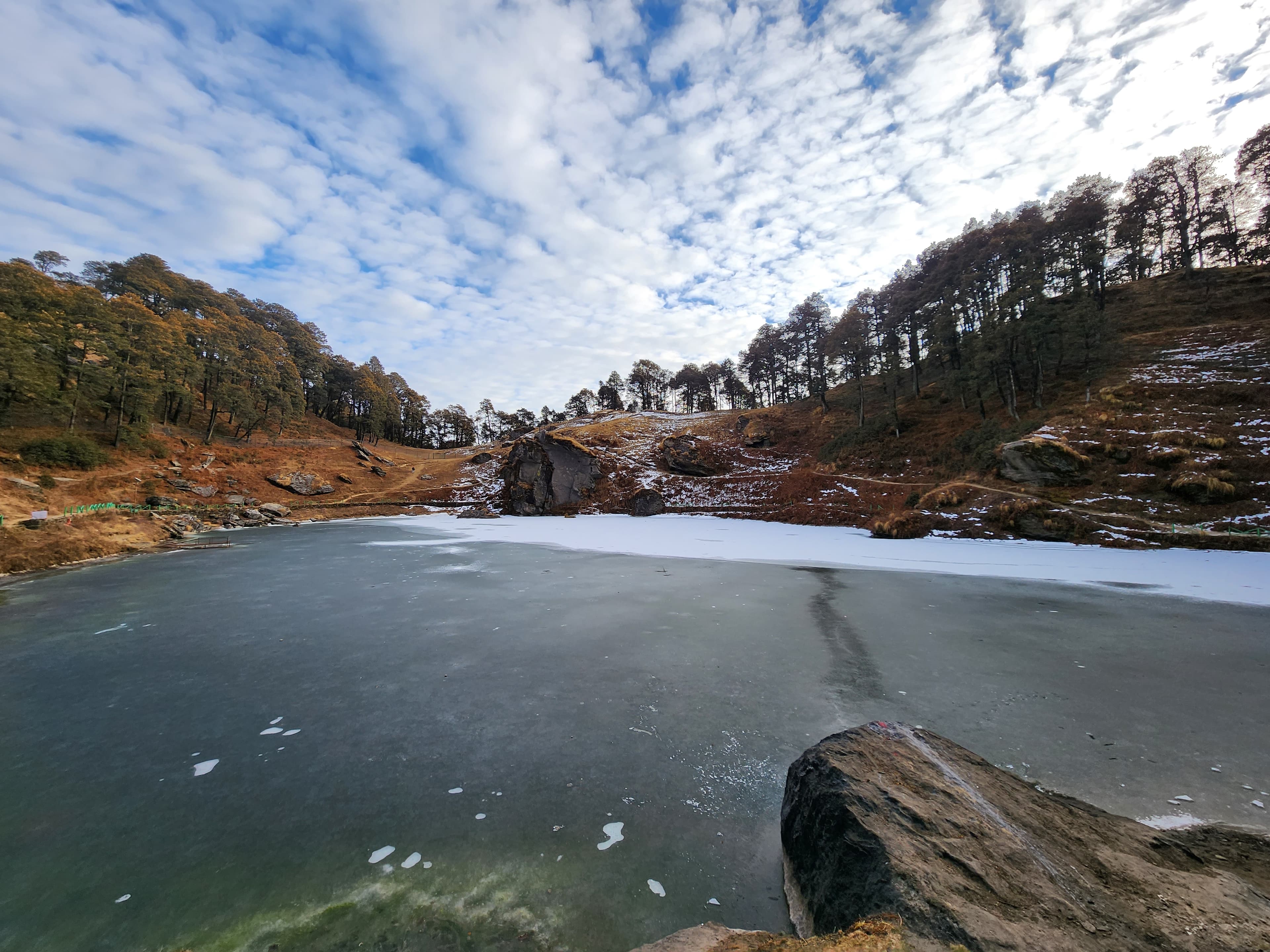
Best Time to Visit Jibhi
What is the best time to visit Jibhi? March to June and late September to November offer the clearest skies, comfortable temperatures, and open trekking trails. December to February is for snowfall and quiet stays, while July-August brings lush landscapes but higher rain and landslide risk.
Need travel logistics? See our how to reach Jibhi guide and browse Jibhi stays.
For live conditions, check Jibhi Right Now.
Last updated: February 9, 2026
When is the Best Time to Visit Jibhi?
Nestled in the heart of Himachal Pradesh at an elevation of 2,580 meters (8,465 feet), Jibhi offers a unique experience in every season. Whether you're planning a workation, seeking adventure, or looking for a peaceful retreat, timing your visit is crucial for the perfect Jibhi experience.
Planning your trip? Check our comprehensive travel guide for the best routes to Jibhi.
Choose Your Season by Travel Style
Clear Views & Trekking
- April to June: warm days, open trails
- Late September to November: crisp air, low haze
- Best for Jalori Pass and Serolsar Lake
Snowfall & Winter Stays
- Late December to February: highest snow chances
- Fewer crowds and cozy homestays
- Expect occasional road closures
Photography & Colors
- April to May: wildflowers and clean skies
- October: golden forests and sharp light
- Great for waterfalls and village walks
Budget & Quiet Travel
- July to August: lower prices, lush valleys
- Early December: calm before snow peak
- Keep plans flexible for rain
Monthly Travel Guide
Click on any month to get detailed information about weather, activities, and travel tips for that specific time.
January
Winter
-8°C to 6°C
Heavy Snowfall
February
Winter
-5°C to 8°C
Winter Beauty
March
Spring
2°C to 15°C
Spring Awakening
April
Spring
8°C to 20°C
Blooming Flowers
May
Spring
12°C to 25°C
Perfect Weather
June
Summer
15°C to 28°C
Peak Season
July
Monsoon
18°C to 25°C
Lush Greenery
August
Monsoon
17°C to 24°C
Heavy Rains
September
Autumn
14°C to 22°C
Post-Monsoon
October
Autumn
8°C to 18°C
Autumn Colors
November
Autumn
3°C to 15°C
Clear Skies
December
Winter
-2°C to 10°C
Winter Begins
Quick Season Guide
Summer
March-June
Most Popular
Monsoon
July-September
Budget-Friendly
Autumn
October-November
Perfect Weather
Winter
December-February
Snowfall Season
Detailed Season Guide for Jibhi
Summer in Jibhi (March to June)
Spring and early summer bring Jibhi to life with warm, sunny days and cool, breezy nights. March starts cool with temperatures between -3.3°C to 11°C, gradually warming up through June where temperatures range from 10°C to 20°C. This season offers the perfect climate for:
- Early morning treks to Jalori Pass and Serolsar Lake
- Afternoon exploration of ancient temples and architecture
- Evening walks through apple orchards and pine forests
- Photography sessions during the golden hours
- Camping under clear, star-filled skies
Pro Tip: April and May offer the clearest skies and most stable weather, perfect for long-duration treks and outdoor activities. Book accommodations in advance as this is peak tourist season.
Monsoon in Jibhi (July to Mid-September)
Monsoon transforms Jibhi into a mystical landscape with frequent rains and misty mountains. Temperatures remain moderate between 14°C to 20°C in July, slightly cooling to 13°C-19°C in August. While some might avoid travel during this time, monsoon offers unique experiences:
- Jibhi Waterfall at its magnificent best
- Lush green valleys and vibrant flora
- Budget-friendly accommodation rates
- Perfect conditions for photography enthusiasts
- Cozy café experiences watching the rain
Safety Note: Keep flexible travel plans and check weather forecasts regularly. Some trails might be slippery, and landslides can occur. Always carry rain gear and waterproof equipment.
Autumn in Jibhi (Mid-September to November)
Post-monsoon autumn is considered by many as the best time to visit Jibhi. Temperatures gradually cool from 9°C-18°C in September to 3°C-15°C in October. This season offers:
- Crystal clear mountain views
- Perfect weather for Raghupur Fort trek
- Spectacular autumn colors in the valleys
- Migratory bird watching opportunities
- Pleasant temperatures for extended outdoor activities
Local Insight: October is ideal for photography as the skies are clearest and the autumn colors are at their peak. Many local festivals also occur during this time.
Winter in Jibhi (December to February)
Winter brings a magical transformation to Jibhi with snow-covered landscapes and crisp mountain air. Temperatures drop significantly from -3°C to 9°C in December, reaching their lowest in January at -8°C to 6°C. Winter activities include:
- Snow trekking to Jalori Pass (when accessible)
- Photography of snow-laden pine forests
- Experiencing traditional Himachali winter culture
- Cozy evenings by the traditional bukhari (wood heater)
- Winter sports at nearby locations
Winter Tips: January sees maximum snowfall. Carry proper winter gear including thermal wear, snow boots, and warm jackets. Some roads might be closed during heavy snowfall, so plan accordingly.
Jibhi Weather by Month
These ranges reflect typical seasonal patterns for planning, not live forecasts.
March
12°C to 22°C
June
18°C to 25°C
October
10°C to 20°C
January
-5°C to 8°C
Frequently Asked Questions
Is there heavy snowfall in Jibhi during winters?
Yes, Jibhi experiences significant snowfall during winter months, particularly in January and February. The temperature can drop below 0°C (as low as -8°C in January), and roads may occasionally be closed. It's essential to carry proper winter clothing and check road conditions before traveling.
Are monsoons safe for travel to Jibhi?
While Jibhi is beautiful during monsoons (July to mid-September) with lush greenery and waterfalls, moderate caution is advised. The region can experience landslides and continuous rainfall for days. The temperature ranges from 15-22°C, making it ideal for those who enjoy mountain rain. Best to book accommodations in advance and plan indoor activities.
What if I want both greenery and clear skies in Jibhi?
Post-monsoon (late September to November) offers the perfect balance with post-monsoon greenery and clear skies. The temperature remains pleasant between 10-20°C, making it ideal for outdoor activities, photography, and spotting migratory birds.
What is the best time for trekking in Jibhi?
Summer (March to June) and autumn (September to November) are the best seasons for trekking in Jibhi. Popular treks like Serolsar Lake Trek and Jalori Pass Trek are most accessible during these months with clear weather and moderate temperatures between 15-25°C.
How cold does it get in Jibhi during winter?
Winter temperatures in Jibhi can range from -8°C to 10°C. December to February sees the coldest weather, with January being the coldest month. While some treks are closed due to snowfall, Jalori Pass and Revel remain open for experiencing knee-deep snow.
Ready to Experience Jibhi in Any Season?
Book your stay at Ailyak Café & Stays for the perfect mountain getaway!
Book Your Stay Now
Need help planning? Check our travel guide or activities guide