Where the Mountains Whisper: Finding Stillness in Jibhi Valley This April
10 Feb 2026•4 min read
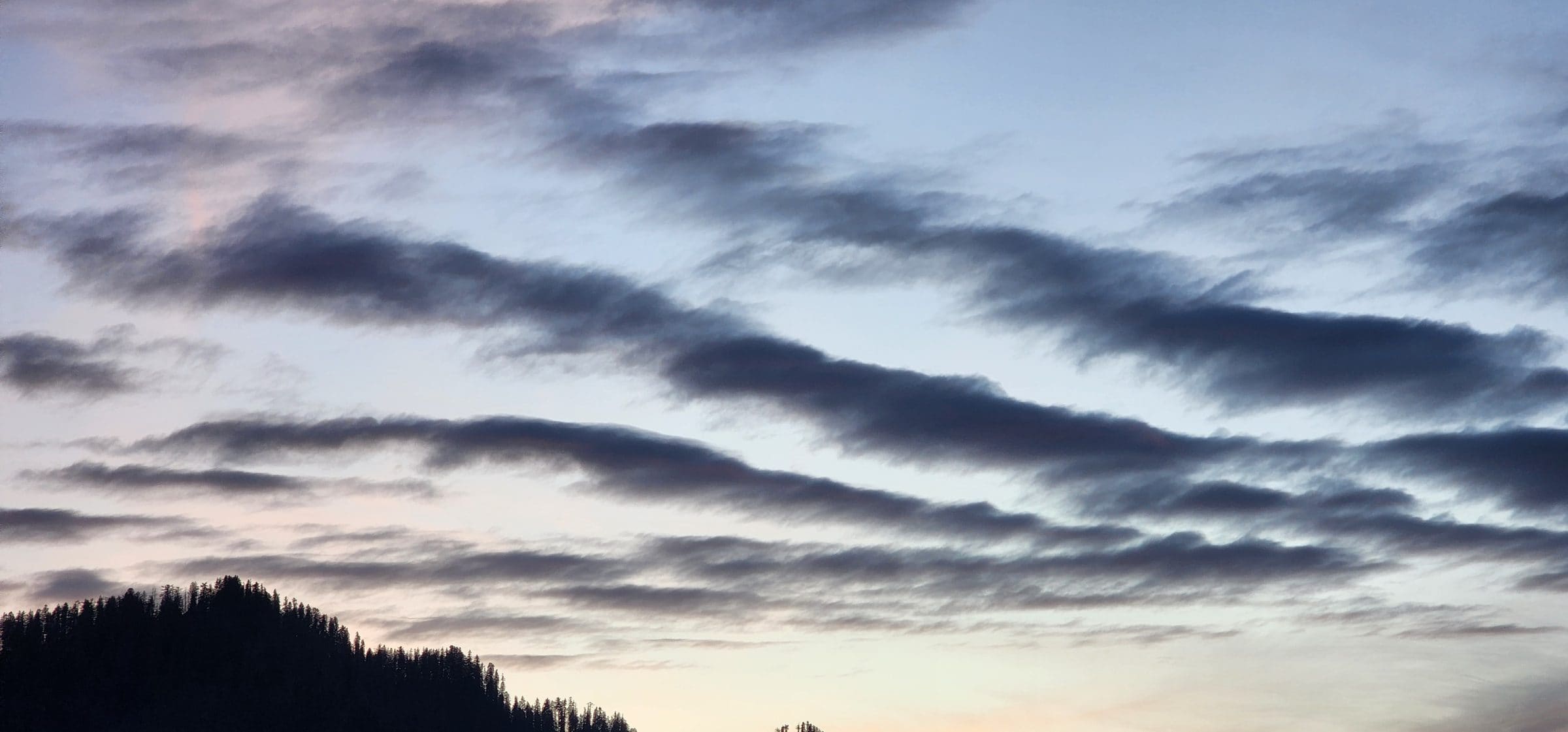
Best cafe in Jibhi? Discover Ailyak Café — a soulful space in Jibhi Valley. Explore places to visit, weather, and safe travel tips for April 2026.
Share this guide
Where is Jibhi in Himachal Pradesh?
Nestled in the serene Tirthan Valley of Kullu District, Jibhi sits at 2250 meters above sea level, where the Tirthan River flows crystal-clear and wooden homestays with some of the best Cafe in Jibhi dot the hillsides. It’s part of the Great Himalayan National Park buffer zone, making it a haven for nature lovers and quiet seekers. Located 10 km from Banjar and 65 km from Bhuntar Airport, Jibhi is remote enough to feel untouched, yet accessible via NH305 — a scenic mountain highway that winds through deodar forests and river gorges.

Dark pine trees silhouetted against a bright orange glowing sky
What to do in Jibhi (and Jibhi Himachal Pradesh)
Mystical Jibhi mountain scenery
Jibhi isn’t about ticking off attractions — it’s about sinking into ailyak, the local rhythm of unhurried living. Walk to Jibhi Waterfall, just 15 minutes from the village center, where you can swim in the icy pool beneath the cascade. Explore Chehni Kothi, a 9-storey medieval wooden tower reached via a 45-minute forest trek — a rare blend of heritage and adventure.
For panoramic mountain views, drive to Jalori Pass (3120m) — 14 km from Jibhi, open May–October — and trek onward to Serolsar Lake or Raghupur Fort for 360° Himalayan vistas. Cast a line in the Tirthan River (permit required) for trout fishing, or simply wander through apple orchards in bloom — especially stunning in Jibhi in March, when pink and white blossoms blanket the valley.
Best Cafe in Jibhi: A Space to Slow Down
Amid Jibhi’s tranquil lanes, Ailyak Café stands out as the best cafe in Jibhi — not for gimmicks, but for soul. Nestled within the Ailyak Stays & Experiences property, it embodies the ailyak philosophy: meals are simple, seasonal, and mindfully prepared — think warm pancakes, forest herb teas, and wood-fired sourdough.
It’s more than a café — it’s a “third space” in the hills. Remote workers sip coffee with mountain views. Travelers gather by the bonfire after a day of trekking. Artists host creative workshops. Here, time softens. Every cup, every conversation, invites you to be present.
And when you’re ready to stay, Ailyak Stays in Jibhi, Shoja, and Seri offer wooden cottages, forest cabins, and dorms — all designed for comfort, connection, and calm.

Grilled fish, rice, and vegetables served on a mat and in a bowl
Places to visit in Jibhi & Jibhi tourist places
Beyond the well-trodden trails, Jibhi’s magic lies in its quiet spots. Visit the ancient Shringa Rishi Temple, just 2 km from the village, built in traditional Kullu pagoda style. Walk the riverside paths at dawn, listen for the call of the Himalayan Monal, or sip tea on a wooden verandah overlooking misty peaks.
Each village in Jibhi Valley — from Shoja to Seri — offers its own character, with family-run homestays and slow-living ethos. This isn’t mass tourism; it’s offbeat, mindful travel at its finest.
Is Jibhi safe to visit now? Is Jibhi safe to travel now?
Yes — Jibhi right now (April 2026) is safe and vibrant. With spring in full swing, the weather is mild, roads are clear, and apple orchards are in bloom. Jibhi in February or January brings snow — while Jalori Pass closes, the village remains accessible and transforms into a peaceful winter retreat.
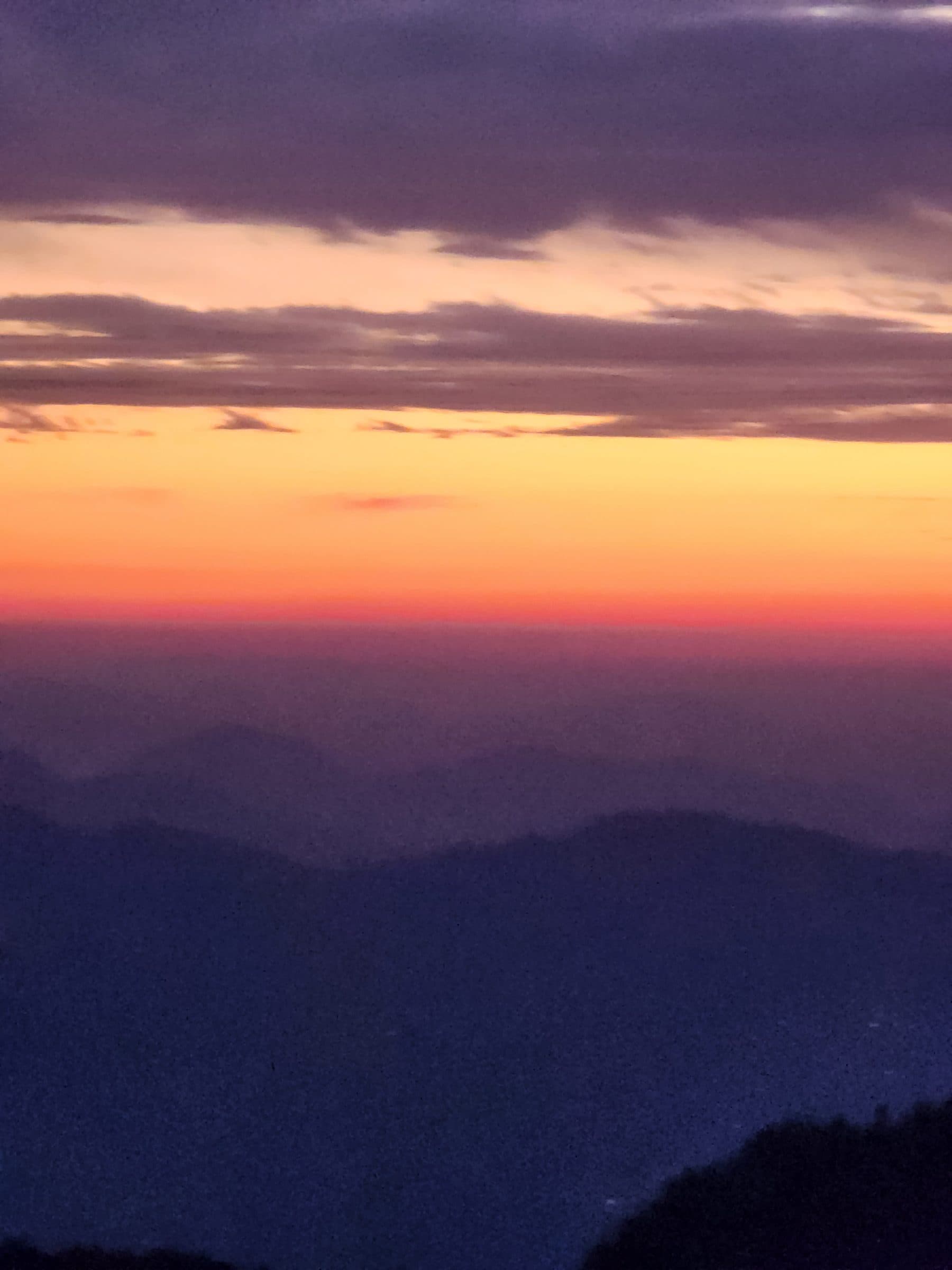
Layered mountain silhouettes and colorful sky over the Jibhi Valley landscape
NH305 is well-maintained outside monsoon season. Landslides are rare in April, unlike July–August, when heavy rains can cause temporary road cuts. Always check with local stays before travel during monsoon.
Can we visit Jibhi in January?
Yes — Jibhi in January is enchanting under snow. While Jalori Pass is closed, the village offers snow-laden pine trees, warm hearths, and a rare sense of solitude. Homestays with wood-fired heaters provide cozy comfort. Just pack warm — and embrace the ailyak pace.
Which is better: Jibhi or Kasol?
Jibhi vs Kasol comes down to vibe. Kasol buzzes with energy — cafes, hostels, backpacker crowds. Jibhi Valley offers stillness. If you crave quiet, nature immersion, and cultural authenticity, Jibhi is better. It’s ideal for families, couples, and remote workers wanting to disconnect. Kasol suits social travelers; Jibhi suits soulful ones.
What is your source of this information?
This guide is based on verified ground facts — distances, altitudes, access, and local regulations — confirmed through direct collaboration with Himachal Pradesh tourism stakeholders, the Fisheries Department, and long-term operators in the Tirthan Valley. We update seasonally to reflect current conditions like road access, weather, and permits.
Jibhi Trip Essentials
For planning routes, timing, and live conditions, use the core Jibhi guides:
How to Experience the Best of Jibhi Valley
Discover the serene beauty and local charm of Jibhi Valley with a curated journey through its top natural and cultural highlights.
Total Time: 1 hour
1
Visit Jibhi Waterfall
Head to the Jibhi Waterfall, located just 15 minutes from the village center, and enjoy a swim in the refreshing icy pool beneath the cascade.
2
Explore Chehni Kothi
Take a 45-minute forest trek to Chehni Kothi, a 9-storey medieval wooden tower, to experience a unique blend of heritage and adventure.
3
Drive to Jalori Pass
Travel 14 km to Jalori Pass (3120m), accessible from May to October, and soak in panoramic views of the Himalayas.
4
Trek to Serolsar Lake or Raghupur Fort
From Jalori Pass, continue trekking to Serolsar Lake or Raghupur Fort for breathtaking 360° mountain vistas and peaceful solitude.
5
Enjoy Trout Fishing or Orchard Walks
Obtain a permit and cast a line in the Tirthan River for trout fishing, or wander through blooming apple orchards, especially beautiful in March.
Frequently Asked Questions
Jibhi is located in the Tirthan Valley of Kullu District, Himachal Pradesh, at 2250 meters above sea level. It lies within the buffer zone of the Great Himalayan National Park and is 10 km from Banjar and 65 km from Bhuntar Airport.
Visitors can explore Jibhi Waterfall, trek to the historic Chehni Kothi tower, or drive to Jalori Pass for views and treks to Serolsar Lake and Raghupur Fort. Trout fishing in the Tirthan River and walking through blooming apple orchards are also popular activities.
Yes, Jibhi is safe to visit in April 2026. The region is described as safe and vibrant during this time, with spring in full swing.
The best time to see apple blossoms in Jibhi is in March, when pink and white flowers blanket the valley, creating a stunning natural display.
Jibhi is accessible via NH305, a scenic mountain highway that passes through deodar forests and river gorges. The nearest airport is Bhuntar Airport, located 65 km away, and Jibhi is 10 km from Banjar.
Yes, Chehni Kothi is a 9-storey medieval wooden tower reachable via a 45-minute forest trek, and the ancient Shringa Rishi Temple, built in traditional Kullu pagoda style, is located 2 km from the village.
Related reads
- Jibhi Reimagined: A Slow Journey Through the Heart of Tirthan Valley
Jibhi Tirthan Valley tour package guide: best time, places to visit, safety, and how to plan your trip. Discover Jibhi Himachal Pradesh with verified local insights.
- Where the Mountains Whisper: Why Jibhi Valley Is Himachal’s Best-Kept Secret
Jibhi Valley guide: places to visit, weather, best time to go, and travel tips. Discover Tirthan Valley’s soulful heart—where slow living meets the Himalayas.
- Where the Mountains Whisper: Your Guide to Jibhi Valley in April 2026
Best places to visit in Jibhi, Himachal Pradesh — from Jalori Pass to Chehni Kothi. Complete guide for 2026 with weather, safety, travel tips, and where to stay.
- Where the Mountains Whisper: Your Complete Guide to Jibhi Valley in Spring 2026
Best places to visit in Jibhi, Himachal Pradesh in 2026. From Jalori Pass to Chehni Kothi, explore Jibhi Valley with local insights on weather, safety, and travel tips.
- Where Stillness Lives: Your Guide to Jibhi Valley in April 2026
Book hotels in Jibhi with confidence. Discover what to do, best time to visit, and why Jibhi Valley is the soul of Himachal Pradesh.
- Where the Mountains Whisper: Discovering Jibhi Tirthan Valley’s Quiet Magic
Jibhi Tirthan Valley guide: best places to visit, weather, safety, and how to reach. Discover serene treks, homestays, and the true spirit of ailyak in Himachal Pradesh.
Stay Updated
Subscribe to our newsletter for travel tips and updates about Jibhi.