A Plate of the Mountains: Discovering the Soul of Himachali Food in Jibhi Valley
23 Feb 2026•3 min read
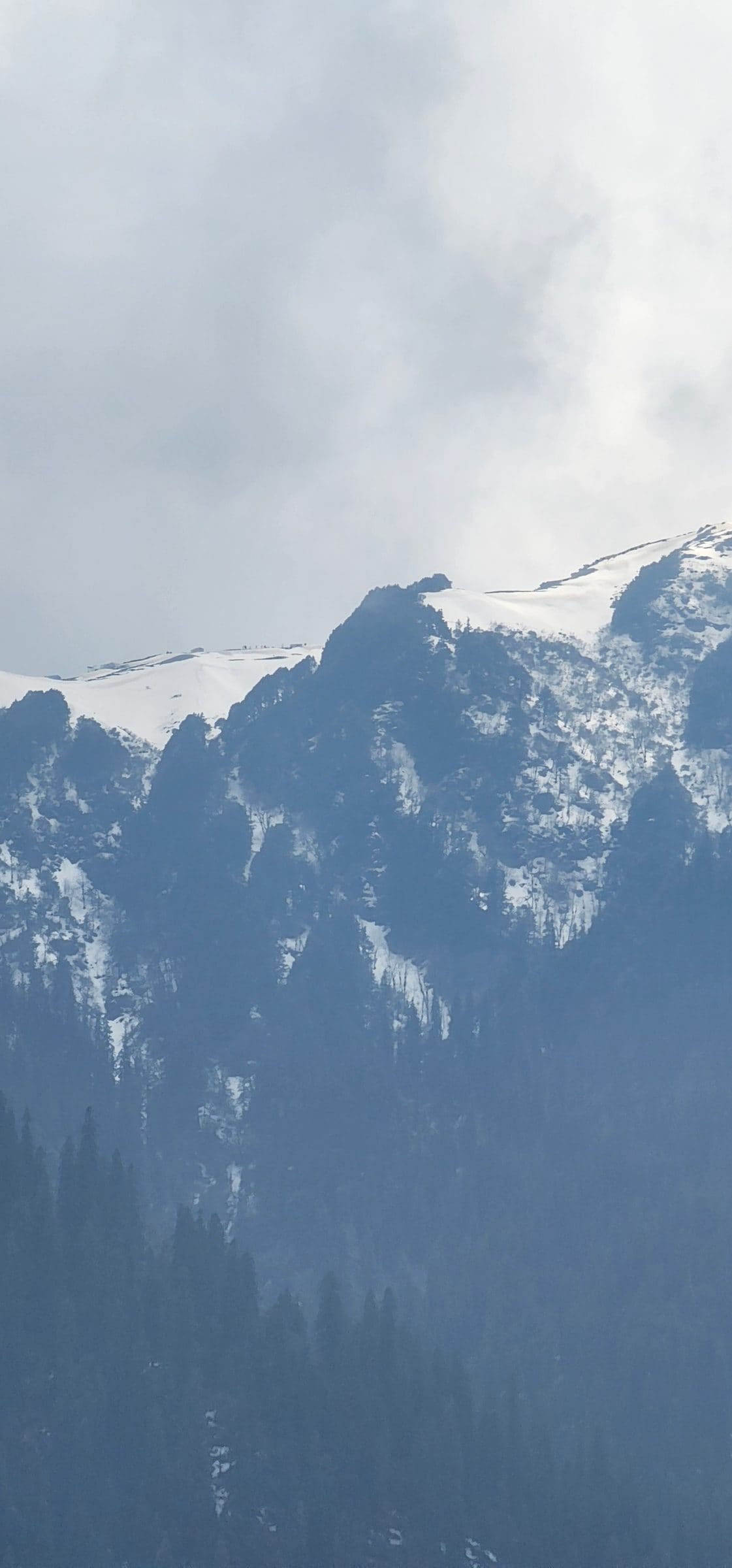
Discover the best himachali food in Jibhi—local dishes, trout, dham & where to eat. Experience authentic mountain flavours at Ailyak Café & stays.
Share this guide
Himachali Food: The Flavour of the Himalayas in Jibhi
Nestled in the quiet embrace of Tirthan Valley at 2250m, Jibhi is more than just a destination—it’s a sensory journey. And at the heart of that experience is himachali food: earthy, nourishing, and steeped in mountain tradition. If you’ve ever wondered what food in Jibhi truly tastes like, it’s this: warm dham served on pattals, slow-cooked khatta, the aroma of sewai steaming in milk, and trout fresh from the Tirthan River.
This is not restaurant cuisine. It’s local himachali food—humble, honest, and made with ingredients grown in apple orchards, foraged from forests, or sourced from village farms. Whether you're here in April, when apple blossoms paint the valley pink, or in October, when the air turns crisp and golden, jibhi local food offers a taste of seasonal rhythm and mountain resilience.
What Makes Himachali Food in Jibhi Special?
Jibhi famous food isn’t about extravagance—it’s about sustenance shaped by altitude and seasons. The best food in jibhi is often served in family-run homestays and wooden cafés where meals are slow-cooked over wood fires and shared like stories.
At the core of himachali local food here is dham—a traditional feast served during festivals and celebrations. It features rajma, chana dal, kadu, and sewai, all cooked in brass degchis and served on leaf plates. In Jibhi, you’ll also find khatta, a tangy dish made with tamarind and potatoes, often paired with maani (steamed wheat dumplings).
Don’t miss trout curry, a local delicacy made with fresh-caught river trout—golden, flaky, and simmered in mustard oil and local spices. It’s a highlight of jibhi food culture, though remember: fishing requires a permit from Banjar or Larji.
For breakfast, try pahadi aloo ke paranthe stuffed with spiced potatoes, or makkai ki roti with homemade ghee. Sweet cravings? Seek out meetha dahi—thick, sweetened yoghurt—or balma, a millet-based dessert often served during harvest season.
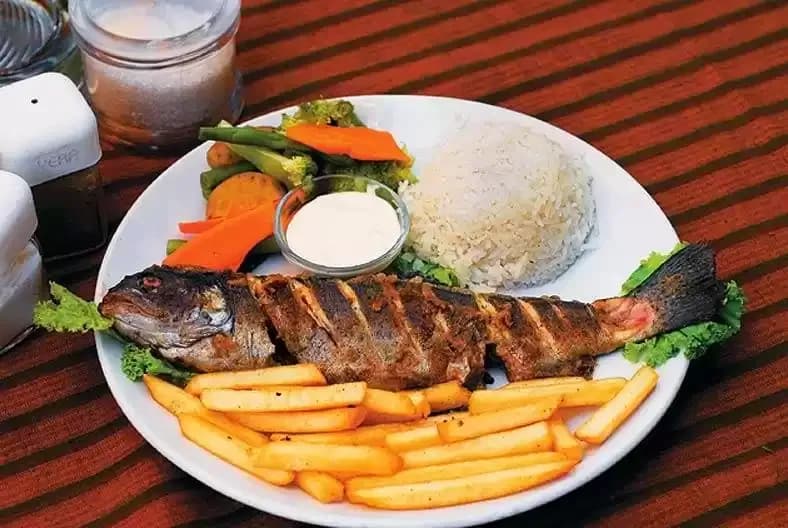
Grilled Trout fish, fries, and vegetables
Where to Experience Authentic Himachali Food in Jibhi
Most visitors discover local himachali food not in large restaurants, but in intimate spaces where meals are part of the stay. That’s where Ailyak Stays & Experiences stands out. Nestled in the heart of Jibhi, Shoja, and Seri, Ailyak doesn’t just offer accommodation—it weaves food into its philosophy of ailyak, the local art of unhurried living.
At the Ailyak Café, every meal is a quiet celebration of the valley. Think slow-simmered dhaam, river-fresh trout (when in season), and sewai made with local milk and cardamom. Ingredients are sourced from nearby farms—organic, seasonal, and deeply rooted in the land.
It’s not just about eating—it’s about experiencing. Guests gather around bonfires, share meals under apple trees, or enjoy riverside picnics with packed dhaba-style lunches. Creative workshops, forest bathing, and cold water dips are paired with nourishing food that fuels both body and soul.
Even if you’re not staying with them, the café serves as a “third space”—a tranquil spot to slow down, savour simple flavours, and feel the rhythm of mountain life.
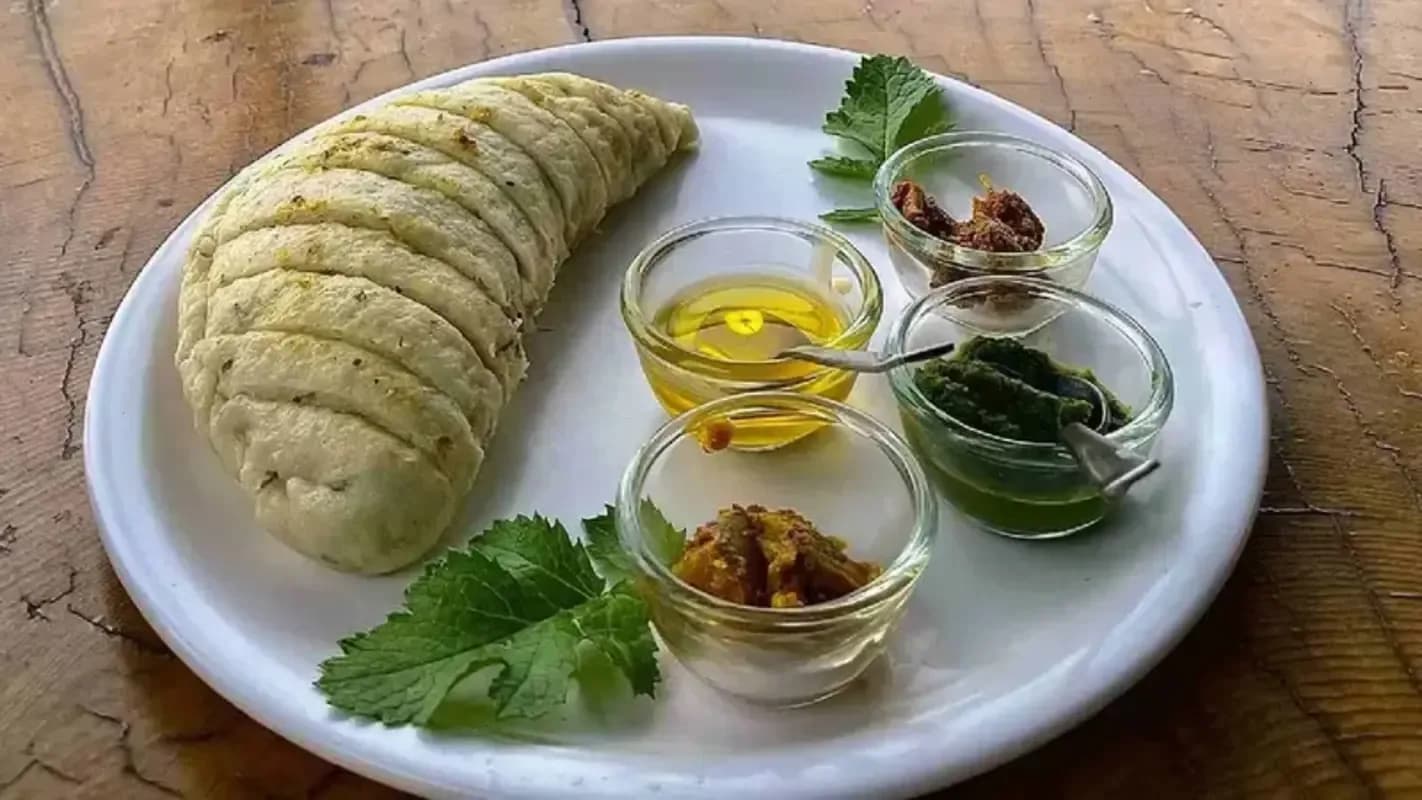
Himachal Siddu
Seasonal Bites: What to Eat in Jibhi in April
Right now, in April 2026, Jibhi is in full spring bloom. Apple orchards are alive with blossoms, and the air is mild—perfect for long walks and lingering meals. This is the season for fresh greens: bhangori, lambi bhaji, and kachila, often stir-fried with garlic and mustard oil.
Himachali food in April also means early rhubarb (pambhara) in chutneys, fresh milk from local doodh walis, and gur (jaggery) harvested from spring sugarcane. It’s the ideal time to try meetha dahi with seasonal fruit, or gahat ke paranthe—a protein-rich lentil flatbread unique to the region.
Jibhi Trip Essentials
For planning routes, timing, and live conditions, use the core Jibhi guides:
How to Experience Authentic Himachali Food in Jibhi Valley
Discover the traditional flavors of the Himalayas by exploring local cuisine in Jibhi through homestays, seasonal ingredients, and cultural dishes.
Total Time: 1 hour
1
Visit a Local Homestay or Wooden Café
Choose family-run homestays or local cafés in Jibhi where meals are traditionally prepared over wood fires, offering an authentic taste of Himachali culture and hospitality.
2
Try the Traditional Dham Feast
Sample dham, a ceremonial meal served on leaf plates (pattals), which includes rajma, chana dal, kadu, and sewai—all slow-cooked in brass utensils for rich, earthy flavors.
3
Savor Seasonal and Local Specialties
Order khatta paired with maani for a tangy, comforting dish, and enjoy fresh trout curry made from fish sourced directly from the Tirthan River, especially delicious when in season.
4
Embrace the Mountain Food Rhythm
Time your visit during seasonal peaks like April (apple blossom) or October (crisp weather) to experience locally foraged and farm-grown ingredients at their best.
Frequently Asked Questions
Traditional Himachali food in Jibhi includes dishes like dham, khatta, sewai, and trout curry. It's humble, locally sourced, and often slow-cooked in brass utensils over wood fires, reflecting the mountain lifestyle and seasonal rhythms.
Authentic local food in Jibhi is best experienced in family-run homestays and wooden cafés where meals are prepared traditionally. These places serve homemade dishes like khatta, maani, and trout curry using fresh, local ingredients.
Must-try dishes in Jibhi include dham with rajma, chana dal, and sewai, as well as khatta with maani, fresh trout curry, and pahadi aloo ke paranthe. For sweets, try meetha dahi or balma, a millet-based dessert.
Fishing in the Tirthan River requires a permit from Banjar or Larji, so tourists cannot fish without proper authorization. However, trout curry made from locally caught fish is available in local eateries.
Himachali food in Jibhi is unique due to its use of seasonal, local ingredients like river trout, forest-foraged items, and farm produce. It's traditionally cooked in brass degchis and served on leaf plates, preserving centuries-old mountain culinary practices.
Related reads
- Where the Mountains Whisper: Why Jibhi Valley Is Himachal’s Best-Kept Secret
Jibhi Valley guide: places to visit, weather, best time to go, and travel tips. Discover Tirthan Valley’s soulful heart—where slow living meets the Himalayas.
- Where the Mountains Whisper: Discovering Jibhi, Himachal’s Hidden Valley of Stillness
Jibhi in which state? Discover Jibhi, Himachal Pradesh—its weather, best time to visit, top places, and how to experience the valley’s slow-living essence.
- Where the Mountains Whisper: Your Complete Guide to Jibhi Valley in Spring 2026
Best places to visit in Jibhi, Himachal Pradesh in 2026. From Jalori Pass to Chehni Kothi, explore Jibhi Valley with local insights on weather, safety, and travel tips.
- Where the Mountains Whisper: Finding Stillness in Jibhi Valley This April
Best cafe in Jibhi? Discover Ailyak Café — a soulful space in Jibhi Valley. Explore places to visit, weather, and safe travel tips for April 2026.
- The Quiet Magic of Jibhi: Why This Himalayan Valley Is Calling You Now
Delhi to Jibhi train not available. Nearest railhead Jogindernagar. Best routes, weather, and places to visit in Jibhi Himachal Pradesh. Safe to visit now?
- Where Summer Moves Slowly: A Journey Through Jibhi Valley
Jibhi in summer offers cool weather, lush trails, and peaceful stays. Discover what to do, how to reach, and where to stay for a slow mountain escape.
Stay Updated
Subscribe to our newsletter for travel tips and updates about Jibhi.