Under the Peaks: A Real-Time Guide to Jalori Pass Weather & Access
15 Aug 2025•3 min read
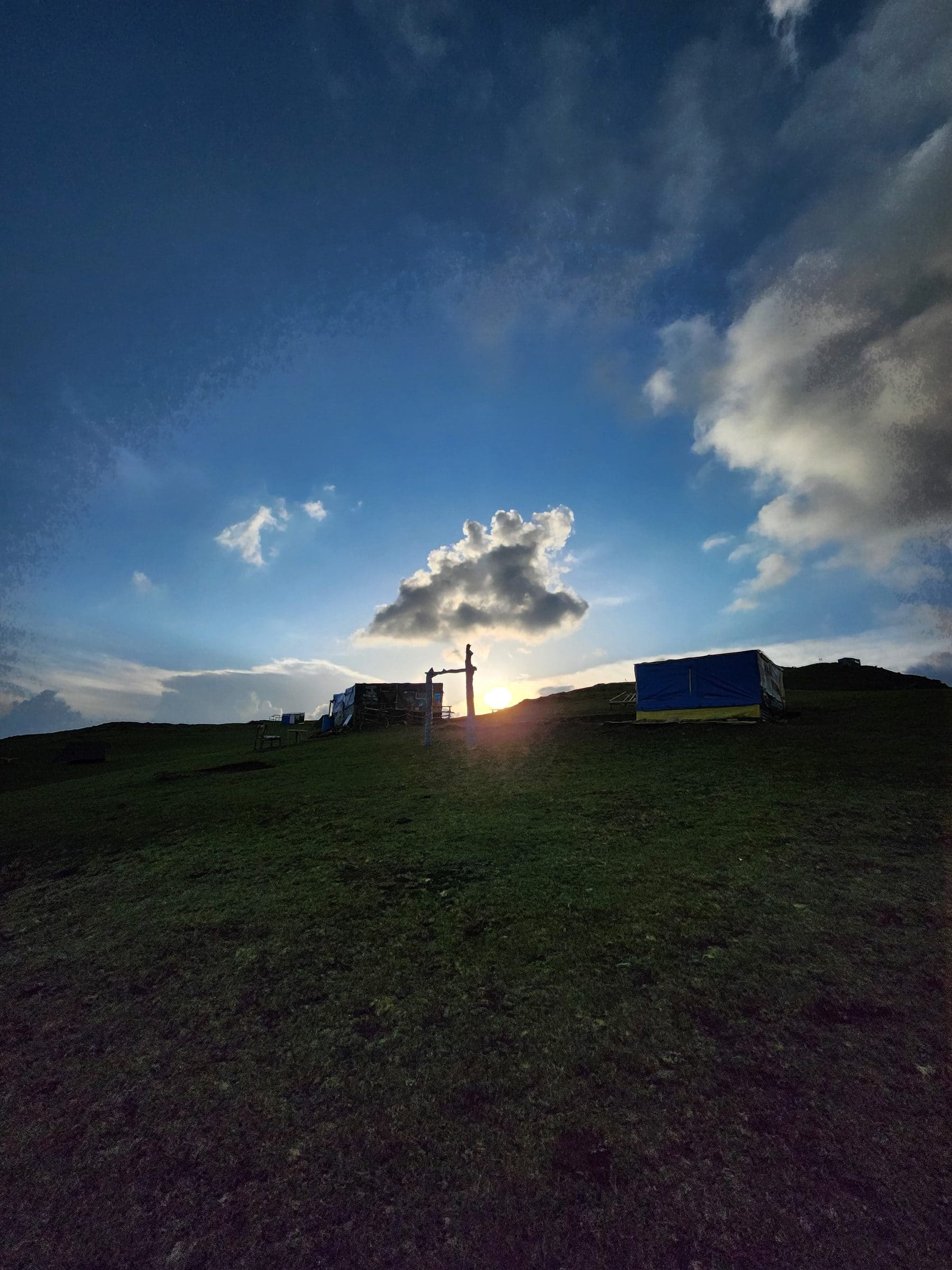
Jalori Pass weather and open status for September 2026: what today's readings say, how the road is actually checked each morning, and the drive and treks from Jibhi.
Share this guide
Is Jalori Pass Open Today? How the answer is actually known
Jalori Pass sits at 3120 m, about 1,600 m above Jibhi. It is typically open from May to October. Winter snow closes it, usually from late December, and it reopens once clearance is done, usually around mid May. Inside the open season it can still shut for a day after heavy rain, when a slope lets go across the road.
Nobody can tell you from a web page whether the road is open this morning. The road is checked on the ground each day, and openings and closures are announced through Banjar and Shoja. The reliable way to know: ask your stay in Jibhi, or the driver, on the morning you intend to go. That call takes two minutes and beats any forecast.
No ground report today — conditions above are instrument readings, not a road check.
Jalori Pass Weather Now: what the readings say, September 2026
Instrument readings for the Jibhi valley on the morning of 21 September 2026: 22.1°C, humidity 54%, cloud cover 0%, no rain falling. The seven-day outlook from that reading runs highs of 26°C to 28°C and lows of 11°C to 13°C in the valley, with a chance of rain peaking at 22% on the 27th and staying under 20% in between.
The pass is roughly 1,600 m higher than those readings were taken, so expect it colder and windier than the valley on the same day, and treat any afternoon cloud as a reason to be back down by mid afternoon. For today's numbers, read the latest valley update.
Monsoon tail, in practice: the daily rain of early September has broken, but the slopes are still holding a season of water. Drive in daylight, do not stop under cut slopes, and confirm the road the same morning.
Is There Snow in Jalori Pass Now?
Not in September. At 3120 m the pass carries snow from roughly late December into spring, and the readings above show nothing near freezing in the valley. Residual winter snow is long gone and the terrain is green. If you are chasing snow, plan for the winter months and check the pass status first.
However, the Jalori Pass trek weather remains cool and refreshing, perfect for hiking to Serolsar Lake or Raghupur Fort without the summer heat.
Jibhi to Jalori Pass: Distance, Drive & Road Conditions
The jibhi to jalori pass distance is 14 km, taking about 45 minutes by car. The route begins on NH305, turns off at Shoja junction, and climbs steadily through dense deodar and oak forests.
Key notes:
- Road type: Narrow, winding, single-lane with passing zones
- Best time to drive: 6 AM to 3 PM (avoid late afternoon rains)
- Vehicle recommendation: SUV or high-ground clearance car
- Mobile network: BSNL and Airtel work intermittently; Jio is patchy
This is one of the most scenic drives in Kullu, every curve reveals a new valley, a rushing stream, or a distant snow-draped peak.
Plan a Jibhi Trek to Jalori Pass: Trails & Tips
You can plan a jibhi trek to jalori pass, but most travelers drive to the top and trek onward. Here are the two iconic routes:
1. Jalori Pass to Serolsar Lake (5 km, 2 to 2.5 hours one way)
A sacred alpine lake at 3100m, surrounded by myth and deodar forests. The trail is well-marked, with birdwatching opportunities (look for the Himalayan Monal). The jalori pass trek weather is cool and misty, ideal for a slow, mindful walk.
2. Raghupur Fort Trek (5 km, moderate)
An ancient fort shrouded in legend, offering panoramic views of the Tirthan and Serolsar valleys. The path is less crowded and perfect for solitude seekers.
Both trails start from the pass top, no vehicles allowed beyond this point.
Why Visit Jalori Pass in September and October?
Post monsoon brings the valley to life:
- Lush greenery and blooming wildflowers
- Full-flowing waterfalls and rivers
- Fewer crowds than peak autumn season
- Perfect jalori pass trek from jibhi conditions for slow, immersive travel
But it’s not just about the view. It is about the pace, ailyak, that unhurried rhythm of Jibhi life. Whether you're sipping chai at a roadside dhaba or pausing to watch clouds drift over the peaks, this is where time slows down.
If you're looking for a stay that mirrors this rhythm, Ailyak Stays & Experiences offers soulful homestays in Jibhi, Shoja, and Seri, where wooden cottages, forest walks, and riverside cafés invite you to truly unplug.
Jibhi Trip Essentials
For planning routes, timing, and live conditions, use the core Jibhi guides:
How to Check Jalori Pass Weather and Road Status Before Your Trek
A quick guide to determining if Jalori Pass is accessible and safe to travel based on current weather and road conditions.
Total Time: 1 hour
1
Verify Current Road Status
Confirm whether Jalori Pass is open by checking recent updates from local sources such as homestays, drivers, or official notices. As of April 2026, the pass is open, but conditions can change due to snowfall.
2
Assess Weather Conditions
Check daytime and nighttime temperatures at the pass. Current conditions show daytime highs of 12–15°C and sub-zero nighttime temperatures, which may preserve snow patches in shaded areas.
3
Evaluate Snow and Road Hazards
Look for lingering snow, especially above Kharapathar and near the summit at 3120m. Drive cautiously and avoid early morning slush that can make narrow switchbacks dangerous.
4
Plan Your Visit Accordingly
If conditions are favorable, plan your trek or drive during daylight hours and ensure your vehicle is suitable for mountain roads. Always carry essentials like warm clothing and emergency supplies.
Frequently Asked Questions
No, Jalori Pass is not open today. As of April 12, 2026, the pass remains closed due to lingering winter snowfall and is not expected to open before early May.
Yes, there is snow in Jalori Pass today. While there is no fresh snowfall, accumulated snow from winter remains, especially on the northern slopes and higher sections of the pass.
The current weather at Jalori Pass in mid-April is cold, with nighttime temperatures between -2°C to 3°C and daytime highs of 8–10°C. Snowfall is still possible, and the road remains partially covered.
Jalori Pass typically opens from May to October, depending on snow clearance. The road is usually declared open by the first week of May, weather permitting.
While motorable access is closed, some may attempt a trek to Jalori Pass in April. However, expect snow-covered trails and cold conditions, making it challenging and potentially unsafe without proper gear.
In April, daytime temperatures at Jalori Pass range from 6–10°C, while nighttime temperatures drop to -5 to 2°C. Frost is common, and conditions remain cold due to the high elevation.
Related reads
- Chasing Clouds and Stillness: A Trekker’s Guide to Jalori Pass from Jibhi
Plan a Jibhi trek to Jalori Pass with up-to-date info on weather, snowfall, and access. Find out if Jalori Pass is open, trek details, and where to stay.
- Chasing Clouds and Stillness: The Journey to Jalori Pass from Jibhi
Jalori Pass trek guide: current status, weather, snowfall, and route from Jibhi. Is Jalori Pass open now? When to visit? Plan your 2026 trip with real-time updates.
- Chasing Clouds and Quiet: The Road from Jibhi to Jalori Pass
Jibhi to Jalori Pass distance is 14 km. Know road status, weather, snowfall, and trek details for 2026. Plan your Himalayan escape with local insights.
- What the Weather at Jalori Pass Really Means for Your Jibhi Trip
Jalori Pass weather guide for April 2026: current conditions, snow status, seasonal forecasts, road access, and trek planning from Jibhi. Updated today.
- Jalori Pass Uncovered: Your Complete Guide to Weather, Access & Treks in April 2026
Is Jalori Pass open now? As of April 2026, the road from Jibhi to Jalori Pass remains closed due to lingering snow — it typically opens by mid-May. While snowfall has stopped, temperatures stay below freezing at night, and snowpack at 3120m is still significant. Plan your jibhi trek to Jalori Pass for late May onward for safe access.
- Where the Mountains Whisper: Your Guide to Jibhi Valley in April 2026
Best places to visit in Jibhi, Himachal Pradesh — from Jalori Pass to Chehni Kothi. Complete guide for 2026 with weather, safety, travel tips, and where to stay.
Stay Updated
Subscribe to our newsletter for travel tips and updates about Jibhi.