Under the Snow Spell: Jibhi’s Winter Rhythm and What Lies Ahead
March 2, 2026
Snow still dusts the high ridges of Jibhi Valley, but the village hums with spring’s quiet return. Here’s what you need to know about snowfall, weather, and road access as April unfolds.
Yes, Jibhi experiences significant snowfall every winter. Located at 2,250 meters in the Tirthan Valley of Himachal Pradesh, it sits deep in the Himalayas where cold waves bring consistent snow from December through February. While Jibhi village rarely sees prolonged snow cover due to its relatively lower altitude compared to higher passes, the surrounding hills, apple orchards, and rooftops often wear a soft white blanket.
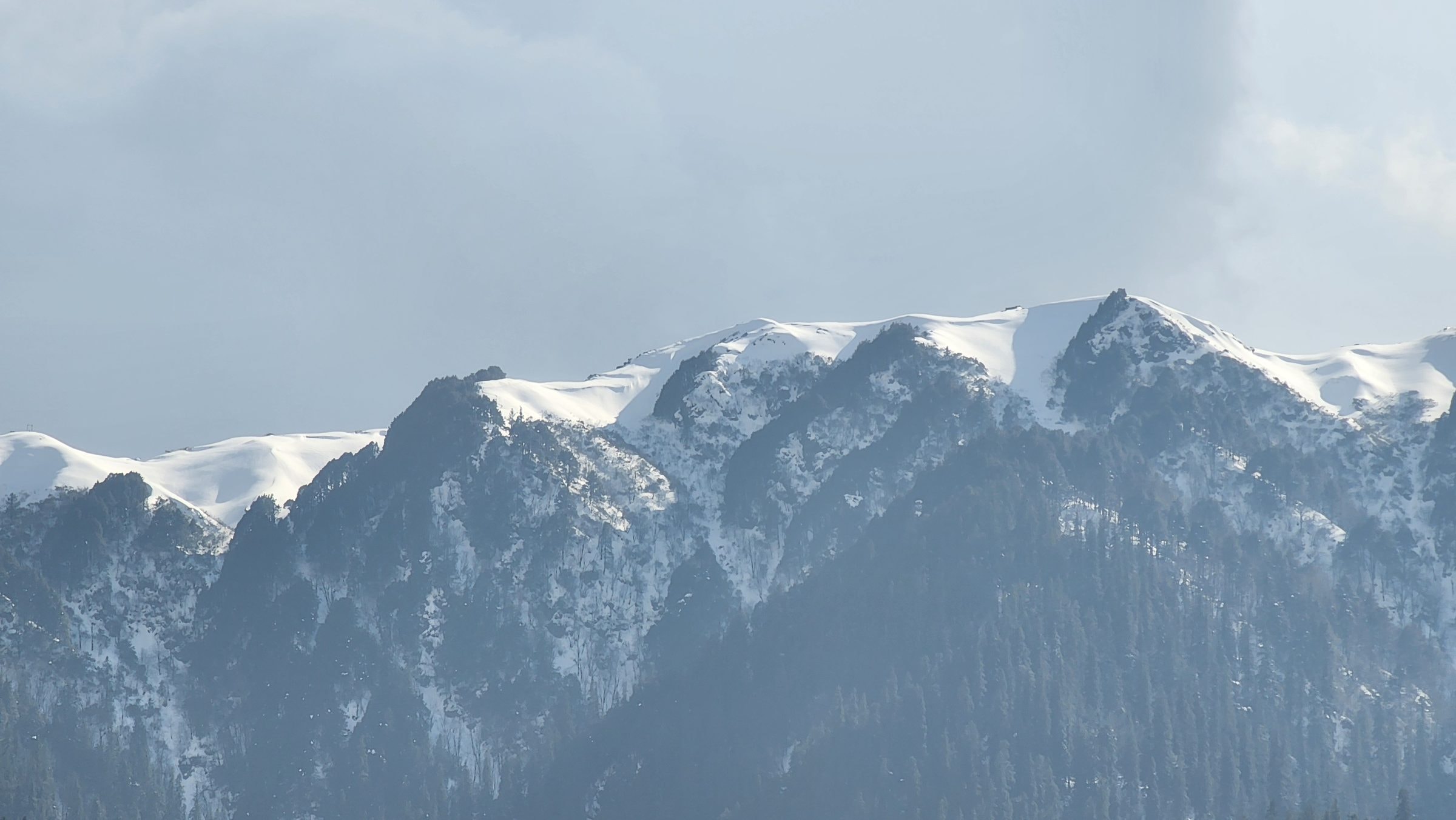
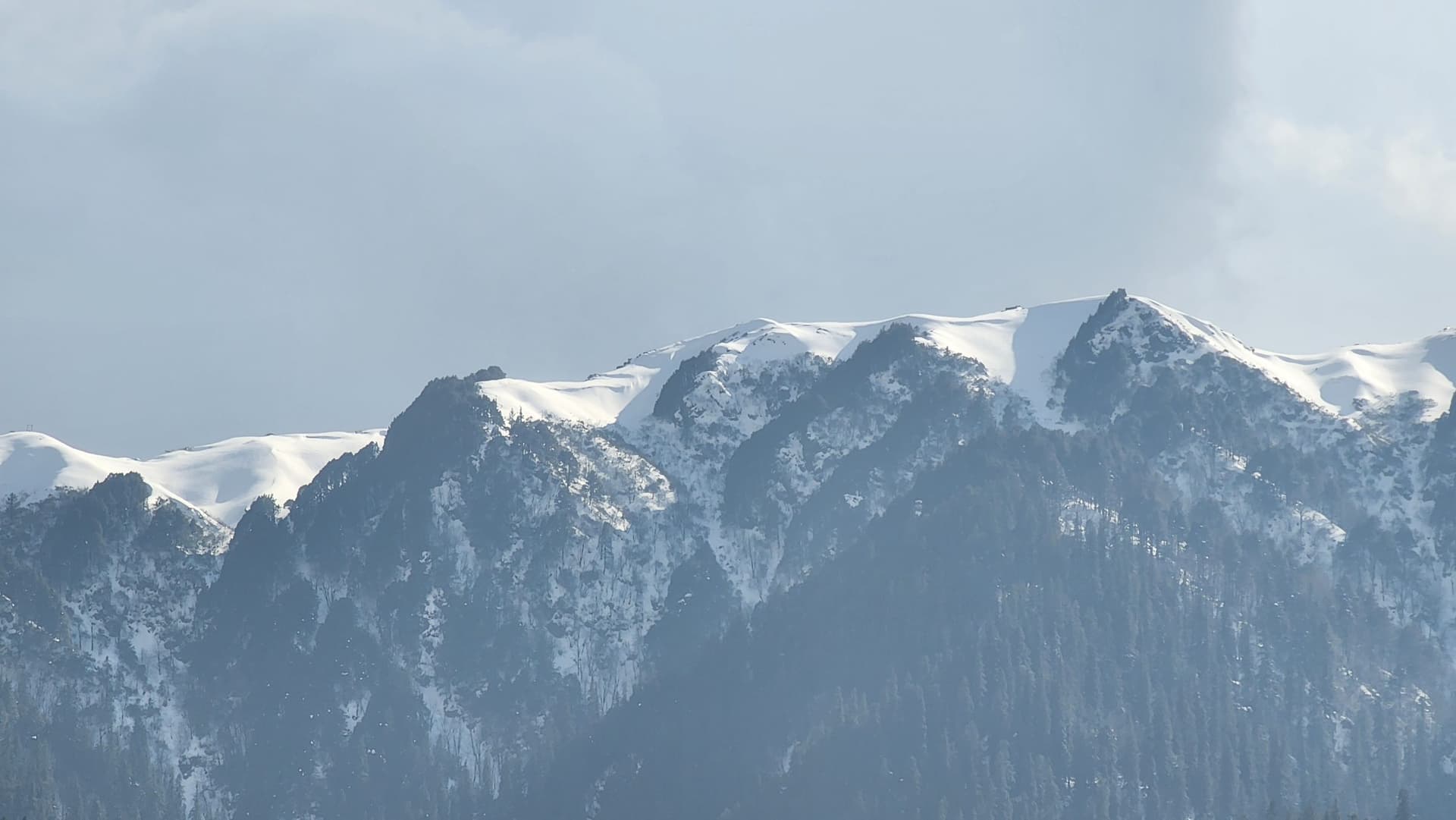
A vast view of snow-covered mountains under a misty sky in Jibhi Valley.
Majestic forested mountains of Jibhi
Snowfall in Jibhi is not just weather—it’s part of the local ailyak, a reminder to slow down, draw closer to the fire, and listen to the silence.
Is there snowfall in Jibhi right now? (April 2026 update)
As of 12 April 2026, there is no fresh snowfall in Jibhi village. The winter season has ended, and the valley is now in full transition to spring. Residual snow may still linger on the highest ridges—especially above 3,000 meters near Jalori Pass and Serolsar Lake—but at the village level, temperatures have risen, and nature is blooming.
Apple trees are shedding their blossoms, streams are fuller with snowmelt, and days are mild and sunny. If you're hoping to catch late-season snow, your best chance is higher up—on treks toward Chehni Kothi or near the closed Jalori Pass. But in Jibhi itself? No, there’s no snow right now.
Is it snowing in Jibhi today?
Snowfall In Jibhi: 2026
Winter with Snowfall
JIbhi Valley
BANJAR, Himachal Pradesh, India
Frequently Asked Questions
Yes, Jibhi experiences significant snowfall every winter from December through February. While the village itself doesn't always have prolonged snow cover, the surrounding hills, apple orchards, and rooftops often get covered in snow.
As of 12 April 2026, there is no fresh snowfall in Jibhi village. Residual snow may still be present on the highest ridges above 3,000 meters, such as near Jalori Pass and Serolsar Lake, but the valley is transitioning into spring.
No, it is not snowing in Jibhi today. The current weather is clear with temperatures around 14–18°C during the day and no precipitation forecast for the next 7–10 days.
Snowfall in Jibhi typically occurs from late December to February, with occasional snow in late November or March. The coldest months are December and January, when nighttime temperatures can drop to -2°C.
Yes, Jibhi can experience occasional snowfall in March, especially in the first half of the month. While the village may not retain snow, higher areas like Chehni Kothi or near Jalori Pass are more likely to have snow cover.
In April, residual snow may still be found at higher elevations above 3,000 meters, such as near Jalori Pass, Serolsar Lake, or on treks toward Chehni Kothi. Jibhi village itself does not have snow at this time.
As of this update, it is not snowing in Jibhi. Current weather is clear with daytime temperatures hovering around 14–18°C. Nights remain cool (5–8°C), but no precipitation is forecast for the next 7–10 days. The skies are open, the roads are dry, and spring is well underway.
For real-time updates, travelers often check local sources like homestays or the Banjar meteorological office, as mobile networks (especially Jio) can be patchy. BSNL and Airtel offer the most reliable signals in the valley.
When does it snow in Jibhi?
Snowfall in Jibhi typically begins in late December and lasts through February, with occasional early flurries in late November and late-season dustings in March. These months mark the peak of winter, when temperatures can drop to -2°C at night, and daytime highs hover around 8–10°C.
December and January are the coldest months, with frequent snowfall transforming the valley into a quiet, white-draped retreat. Many visitors come specifically for this snow tourism—waking up to frost-laced windows, sipping chai by wood fires, and walking through silent, snow-softened trails.
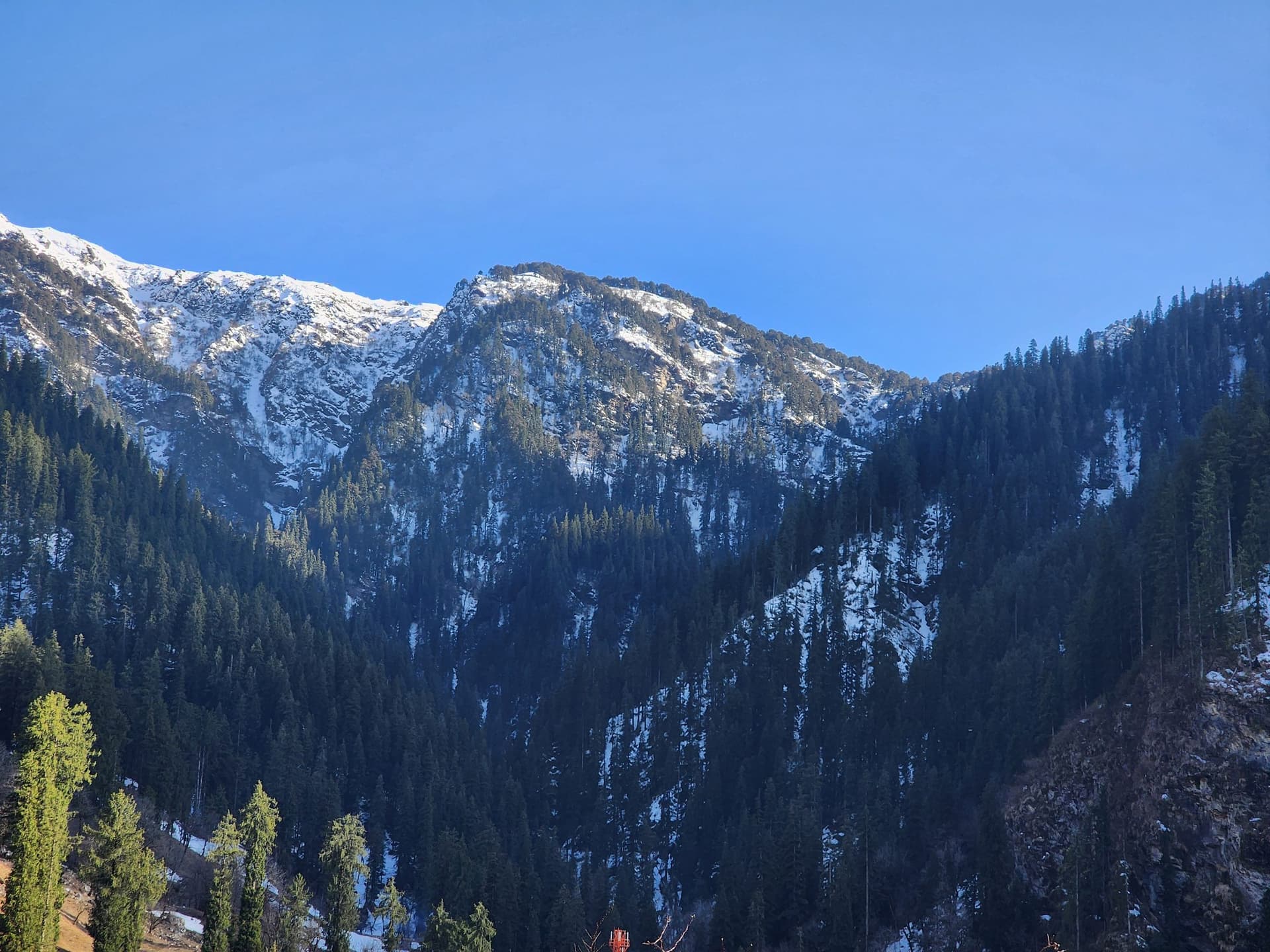
View of dense green forests covering snow-dusted mountain slopes under a blue sky
Majestic snow-covered Himalayan forest
When will it snow in Jibhi next?
The next snowfall season in Jibhi will begin in December 2026. Based on historical patterns, expect the first flurries around mid-December, with consistent snow from January to mid-February 2027.
While no long-term snow forecast is available this far ahead, winter weather in the Himalayas is generally predictable: if the monsoon has been strong and the Western Disturbances active, snowfall tends to be heavier. For now, travelers planning a winter 2026–2027 visit should monitor jibhi weather forecast 15 days prior to their trip for accurate snowfall predictions.
Jibhi snowfall forecast 2026: What to expect
Though specific snowfall dates can’t be predicted months in advance, historical data and regional trends suggest normal to above-average snowfall for the 2026 winter season in Jibhi.
The valley’s position in the buffer zone of the Great Himalayan National Park means it receives consistent moisture-laden winds from the west, leading to regular snowfall. If you’re planning a snow experience, aim for January 2027—statistically the snowiest month.
Note: Jalori Pass (3,120m), just 14 km from Jibhi, closes due to snow from November to April. This makes winter treks to Serolsar Lake or Raghupur Fort impossible, but the pass itself becomes a snow destination for locals and intrepid travelers with proper gear.
Jibhi weather and temperature: April 2026 conditions
Currently, in mid-April 2026, Jibhi is enjoying mild and pleasant weather. Daytime temperatures range from 12°C to 18°C, while nights are cool at 5°C to 8°C. The skies are mostly clear, with occasional afternoon clouds.
This is prime time for apple blossom viewing, riverside walks, and exploring Chehni Kothi or the Jibhi Waterfall. With no rain or snow in the forecast, road conditions are excellent.
Month
Avg Day Temp
Avg Night Temp
Conditions
Dec–Feb
6–10°C
-2 to 4°C
Snowfall, cold, Jalori Pass closed
Mar–Apr
10–18°C
4–8°C
Mild, blossoms, clear skies
Jul–Aug
18–22°C
12–15°C
Monsoon, heavy rain, landslides possible
Road conditions: Is NH305 open to Jibhi?
Yes, NH305 is fully open as of 12 April 2026. The route from Aut Tunnel to Banjar and onward to Jibhi is clear, dry, and safe for travel. This is the best time to visit—no monsoon landslides, no winter snow blocks.
However, during July–August monsoon months, NH305 is prone to landslides and temporary road cuts. Always check with locals in Banjar or Aut before traveling during heavy rains.
From Manali, the drive takes 4–5 hours (145 km). From Bhuntar Airport, it’s 65 km and about 2 hours.
Where to stay for the true ailyak during snow season
If you’ve come for the snow or plan to return for winter 2026, Ailyak Stays & Experiences offers warm, wooden homestays designed for stillness. Nestled in Jibhi, Shoja, and Seri, these stays blend traditional Kullu architecture with modern comforts—wooden beams, thick quilts, and views of snow-dusted peaks.
Guests enjoy riverside picnics, cold water dipping, and bonfire evenings—all part of the ailyak rhythm. The Ailyak Café serves slow-cooked, nourishing meals in a tranquil setting where time slows down.
With reliable WiFi, parking, and local transport support, it’s the ideal base for both snow seekers and spring explorers.
Tip: Jibhi has no ATM. Carry cash from Banjar (10 km away) or Aut (56 km). Most homestays, including Ailyak, accept digital payments, but network issues can arise.
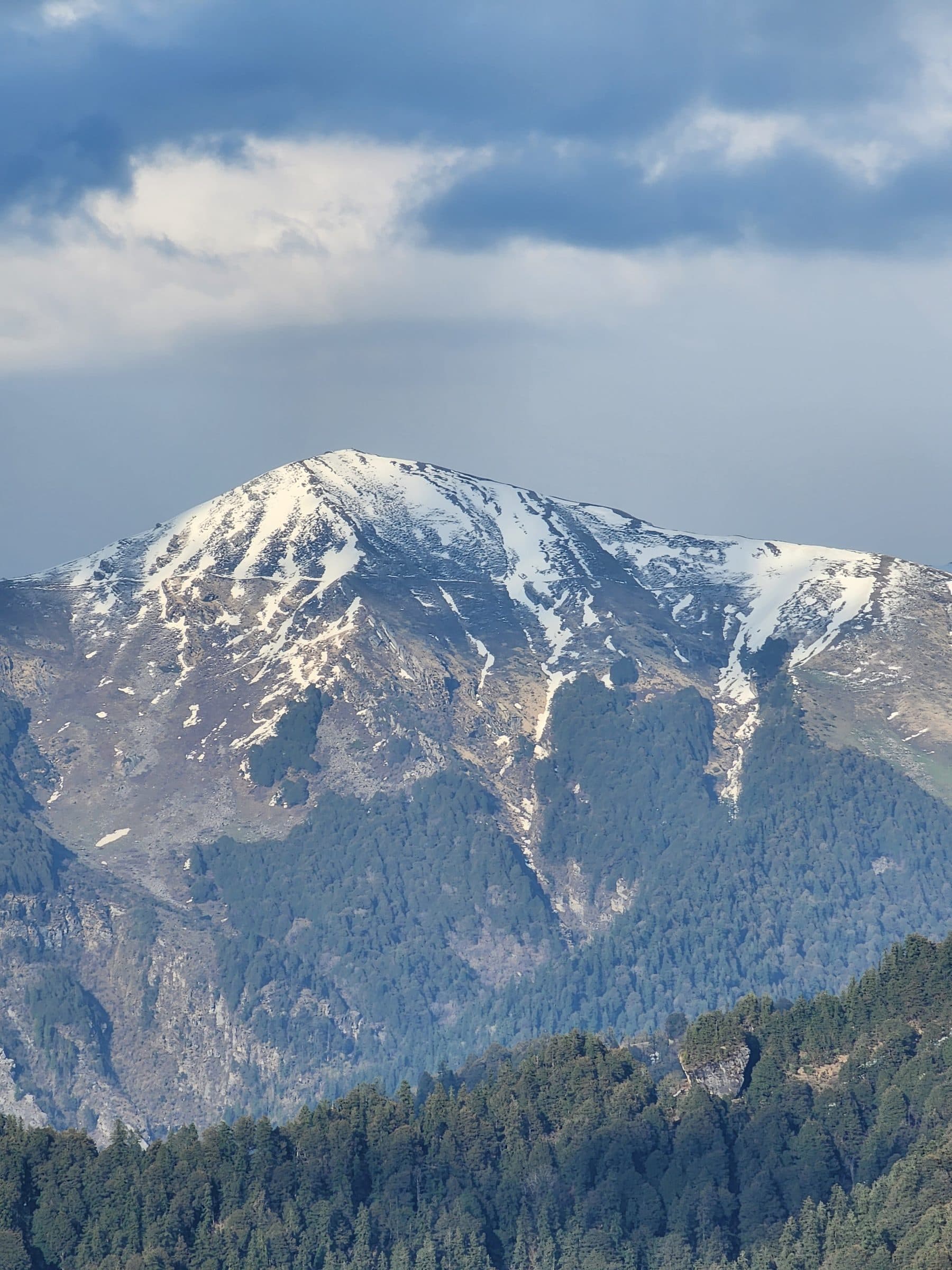
Panoramic view of forested mountains with snow patches under a cloudy sky
Final thoughts: Is there snowfall in Jibhi?
Yes—Jibhi does get snowfall, but only during winter. As of April 2026, the snow has melted in the village, and spring is in full bloom. The next snowfall season begins in December 2026, and if you're chasing that quiet, snow-laced magic, plan for January 2027.
For now, the trails are clear, the rivers are roaring with meltwater, and the valley is waking up. Whether you're here for the weather, the stillness, or the soulful rhythm of ailyak, Jibhi welcomes you—snow or no snow.
To experience the valley at its most peaceful, visit Ailyak Stays & Experiences—where slowing down is not just encouraged, it’s the whole point. Learn more at jibhi.in/partners.
Ready to unplug and arrive?
👉Explore stays and experiences: jibhi.in/partners