Chasing the Mist: A Walk to Jibhi Waterfall in April’s Golden Light
12 Jun 2025•3 min read
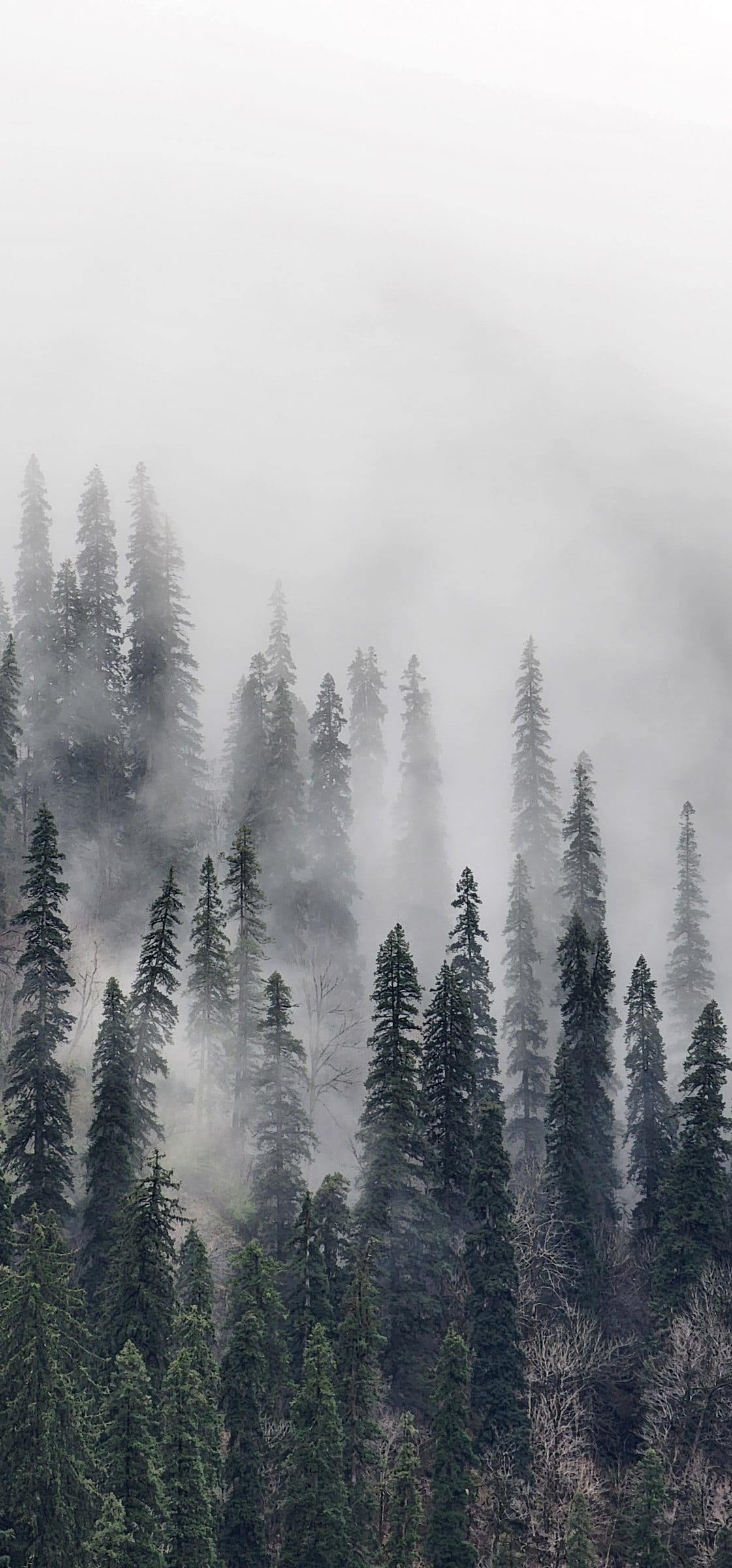
Jibhi Waterfall guide: distance, best time, photos & winter access. Easy 15-minute walk from Jibhi village. Plan your visit with local tips.
Share this guide
The True Story of Jibhi Waterfall
Tucked in the mist-kissed folds of Tirthan Valley, Jibhi Waterfall is not a distant spectacle — it’s a living pulse of the valley, flowing year-round just 1 km from the heart of Jibhi village. At 2250m, this gentle cascade descends through mossy rocks and pine-scented air into a clear, rocky pool below — a place where travelers pause, dip their feet, and breathe. If you're searching for “waterfall in Jibhi,” this is the one: accessible, serene, and woven into the rhythm of ailyak — the local art of unhurried living.
Despite some confusion online, Shoja Waterfall is a different cascade entirely — located 16 km from Jibhi near Shoja village, en route to Jalori Pass. While the Shoja waterfall trek offers solitude and forest immersion, it is not the same as the Jibhi Waterfall, which is easily reachable on foot from the village center. Don’t let the mix-up of names like “sojha waterfall” mislead you — Jibhi’s own waterfall is a standalone gem, requiring no long trek or detour.
Jibhi Waterfall Distance: How Far and How to Reach?
The Jibhi to Jibhi Waterfall distance is just 1 km, making it one of the most walkable natural attractions in the region. The Jibhi waterfall trek distance is a modest 15–20 minute uphill stroll on a well-marked path lined with ferns, deodar trees, and the occasional chirping of hill birds. No vehicle, guide, or permit is needed — just comfortable shoes and a moment to slow down. Ask any local in Jibhi for directions; they’ll point you to the trailhead near the village center.
For those wondering about Jibhi waterfall distance from Delhi, the total road distance is 535 km — a 12–13 hour drive via NH44, Chandigarh, Mandi, and Aut Tunnel. Most travelers break the journey overnight in Chandigarh or Mandi, then continue to Jibhi the next day.
Jibhi Waterfall Weather & Best Time to Visit
Jibhi waterfall weather varies by season, shaping the experience dramatically.
- July–August 2026 (current season): The monsoon swells the cascade to its fullest, with thundering flow and lush greenery. However, NH305 is prone to landslides — check road conditions before travel.
- October–November: Crisp air, golden foliage, and stable weather make this the best time to visit Jibhi Waterfall. The water is clear, trails are safe, and the mist glows in morning light.
- March–April: Apple blossoms frame the trail, and temperatures are mild — ideal for photography and riverside walks.
- December–February: The waterfall remains active, though flow slows. Icy patches may form — tread carefully. Snow-dusted trees and quiet trails offer a meditative winter escape.
Can You Swim at Jibhi Waterfall?
Yes — in summer and early autumn, the pool at the base is safe and inviting for a quick dip. The water is cold, fed by mountain springs, but refreshing on warm days. Avoid swimming during or immediately after heavy rains — currents can be unpredictable.
Jibhi Waterfall Photos: Capturing the Moment
Early morning light filters through the pines, casting soft beams on the falling water — this is the golden hour for Jibhi waterfall photos. The mist, the moss, the sound — it all comes together in a single frame. No filters needed. Use a tripod for long exposures, or simply let your phone capture the moment as it is.
Stay Where the Valley Breathes
After your walk, settle into the rhythm of Jibhi at Ailyak Stays & Experiences — homestays and forest cafés designed for stillness. With cozy rooms, slow meals at the Ailyak Café, and guided river walks, it’s the perfect base to return to after visiting the waterfall.
Rediscover the joy of being present.
Explore stays: jibhi.in/partners
Jibhi Trip Essentials
For planning routes, timing, and live conditions, use the core Jibhi guides:
How to Visit Jibhi Waterfall
A simple guide to reaching and enjoying the Jibhi Waterfall in Himachal Pradesh.
Total Time: 1 hour
1
Start from Jibhi Village Center
Begin your walk from the heart of Jibhi village, where the trailhead to the waterfall is clearly marked.
2
Follow the Marked Trail
Walk uphill along the well-maintained path that winds through deodar trees and ferns, offering scenic views of the surrounding hills.
3
Enjoy the 15–20 Minute Stroll
Take your time on the easy 1 km trek, suitable for all ages and fitness levels—wear comfortable shoes for the best experience.
4
Arrive at the Waterfall
Reach the base of the cascade, where you can relax by the clear pool, enjoy the mist, or take photos surrounded by pine-clad mountains.
5
Visit Any Time of Year
The waterfall is accessible year-round; visit in winter for a quieter experience with lighter flow, or in spring for golden light and fuller mist.
Frequently Asked Questions
Jibhi Waterfall is located in the Tirthan Valley of Himachal Pradesh, just a 15-minute walk from the center of Jibhi village at an altitude of 2250 meters.
The distance from Jibhi village to Jibhi Waterfall is approximately 1 km, with an easy, well-marked uphill trail that takes about 15–20 minutes to walk.
Yes, Jibhi Waterfall is accessible year-round, including winter. While the water flow slows between December and February, the waterfall remains active and can have a quiet, frozen beauty in colder temperatures.
The best time to visit Jibhi Waterfall is from March to April, when the weather is mild, skies are clear, and apple blossoms line the trail, enhancing the scenic beauty.
No, the trek to Jibhi Waterfall is easy and suitable for most travelers, including families and solo walkers. The well-marked path winds through ferns and deodar trees with no need for special gear or guides.
Yes, you can take a dip in the clear, rocky pool beneath Jibhi Waterfall, especially during summer when the water is more inviting.
Related reads
- Chasing Serenity: The Quiet Magic of Jibhi Waterfall
Jibhi Waterfall guide: distance, weather, best time to visit & tips. See it year-round—ideal for photos, family walks, and quiet mountain moments.
- Jibhi Waterfall: Trek Route, Location & Best Time
Complete guide to Jibhi waterfall in Banjar Valley, Kullu district. Trek route, seasonal conditions, photography tips, and how to reach from Jibhi village.
- Where the Mountains Whisper: Finding Stillness in Jibhi Valley This April
Best cafe in Jibhi? Discover Ailyak Café — a soulful space in Jibhi Valley. Explore places to visit, weather, and safe travel tips for April 2026.
- Chasing Mist and Stone: The Hidden Waterfall Story of Shoja and Jibhi Valley
Discover Shoja Waterfall near Jibhi: best time, trek tips, weather & photos. Stay with Ailyak for mindful mountain living in Tirthan Valley.
- When to Visit Jibhi: A Seasonal Guide to the Valley’s Hidden Rhythms
Best time to visit Jibhi? Discover the ideal season for snow, treks, apple blossoms, and peace in Tirthan Valley. Plan your slow escape to Jibhi, Himachal Pradesh.
- Where Stillness Lives: Your Guide to Jibhi Valley in April 2026
Book hotels in Jibhi with confidence. Discover what to do, best time to visit, and why Jibhi Valley is the soul of Himachal Pradesh.
Stay Updated
Subscribe to our newsletter for travel tips and updates about Jibhi.