Chasing Mist and Stone: The Hidden Waterfall Story of Shoja and Jibhi Valley
2 Jul 2025•4 min read
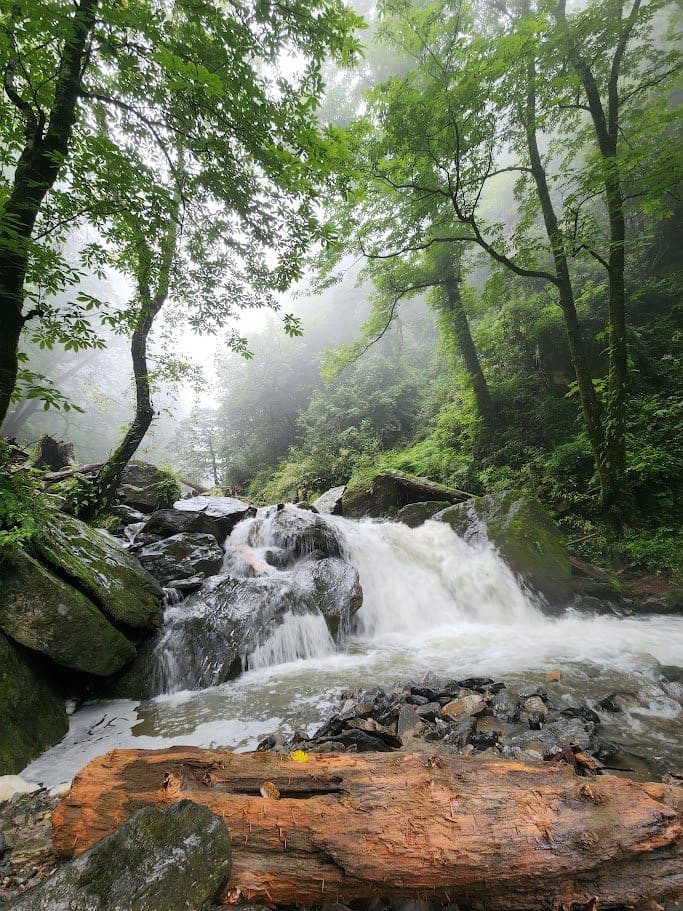
Discover Shoja Waterfall near Jibhi: best time, trek tips, weather & photos. Stay with Ailyak for mindful mountain living in Tirthan Valley.
Share this guide
Shoja Waterfall: A Hidden Cascade in the Heart of Tirthan Valley
Tucked in the rugged folds of Himachal Pradesh’s Kullu District, Shoja Waterfall is one of the lesser-known natural wonders of the Tirthan Valley. While often mistaken for a Jibhi waterfall, this cascade lies just 16 km from Jibhi village, near the quiet hamlet of Shoja—gateway to Jalori Pass. Fed by snowmelt and monsoon streams, the waterfall tumbles down moss-covered cliffs into a cool, rocky pool below, surrounded by dense deodar forests and the hush of mountain solitude.
Though not as widely photographed as other Himalayan falls, Shoja waterfall offers a more intimate experience—ideal for travelers seeking quiet moments over crowded view points.
Is There a Waterfall in Jibhi? Understanding Jibhi Waterfalls
Many travelers search for a waterfall in Jibhi, but the valley itself is defined more by the gentle flow of the Tirthan River than by dramatic cascades. There is one major Jibhi waterfall within the village limits, & the surrounding region—especially towards Shoja and Chehni—is dotted with seasonal streams and hidden falls that emerge with the rain.
What people often mean by "jibhi waterfall" is actually a cluster of natural water features accessible via short treks or drives from the main village. The Jibhi waterfalls aren’t singular landmarks but part of a broader network of mountain-fed flows that swell in the monsoon and soften in winter.
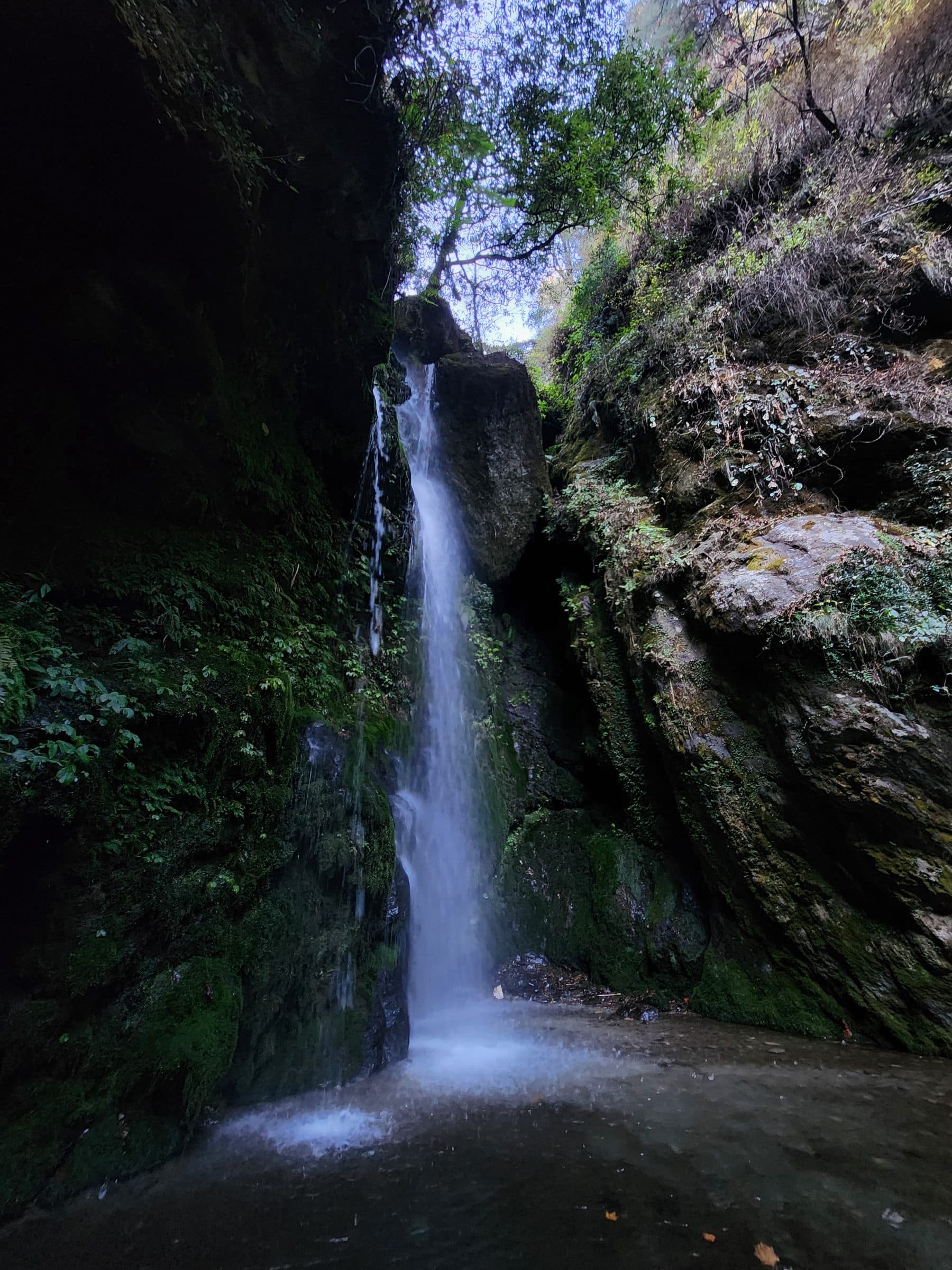
A clear waterfall cascades down mossy rocks in a dense green forest.
Shoja Waterfall vs. Jibhi Waterfall: Clarifying the Confusion
The term **"jibhi waterfall & Shoja waterfall are different waterfalls. Shoja waterfall is the most prominent cascade in the immediate Jibhi region and often referred to in error as a Jibhi waterfall due to proximity. The Jibhi to Shoja waterfall distance is approximately 10 km, taking about 45 minutes by road via NH305 and the Shoja junction.
How to Reach Shoja Waterfall: Distance, Access & Trek
The Jibhi waterfall trek distance—if referring to Shoja—begins with a 10 km drive from Jibhi village to Shoja (2700m). From there, the waterfall is a short 15–25 minute walk off the main road, depending on the season and trail conditions.
There is no formal waterfall point signage, so local guidance helps. The path winds through pine and oak, with the sound of falling water guiding the way. Unlike high-altitude treks such as Chehni Kothi (7 km + 45-min trek), this is an easy add-on to a day trip to Shoja or Jalori Pass.
Jibhi Waterfall in Winter: What to Expect
When travelers ask about Jibhi waterfall in winter, the reality is seasonal transformation. By December, many streams feeding the Shoja waterfall slow or freeze partially, turning the cascade into a dramatic curtain of ice. While not a guaranteed spectacle, winter visits offer rare, frost-laden beauty—especially after fresh snow.
Note: The road to Shoja remains open in winter, though Jalori Pass closes due to snow. Shoja’s higher altitude (2700m) means better Jibhi waterfall weather for snow viewing than Jibhi village (2250m).
Best Time to Visit: When Do the Waterfalls Flow?
The best time to see Shoja waterfall at its fullest is July to September, during the monsoon. However, NH305 is prone to landslides in Jibhi waterfall weather this season, so travel cautiously.
For safer, clearer conditions, visit in October–November, when post-monsoon clarity and golden foliage frame the falls beautifully—ideal for Shoja waterfall photos. March–April also works well, with apple blossoms in full swing and gentle flows.
Capturing the Moment: Shoja Waterfall Photos and Tips
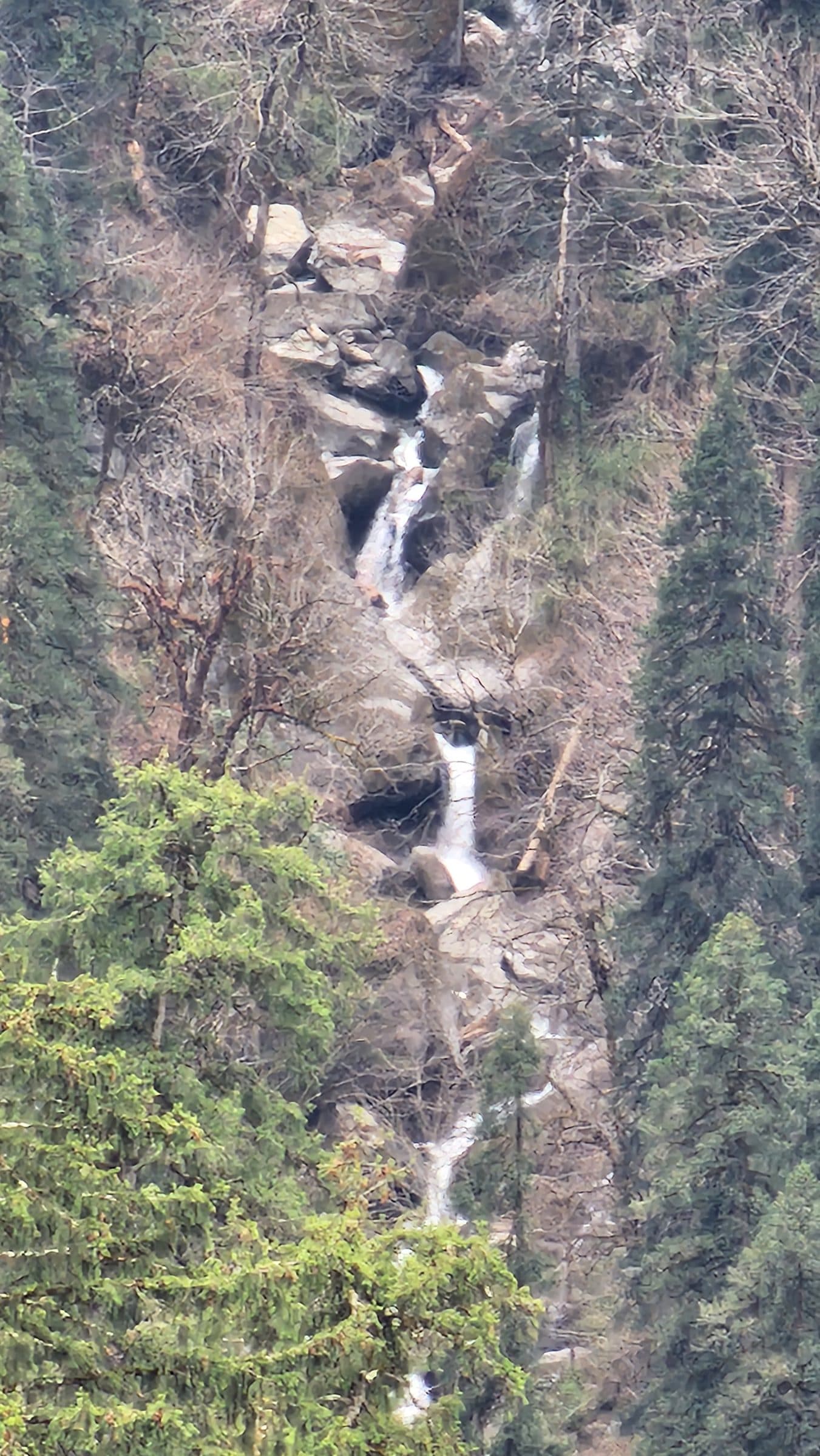
Shoja Waterfalll from afar
For photography, aim for early morning light filtering through the trees. The falls are most photogenic after rain, with mist rising like breath from the rocks. A wide-angle lens captures the forest context, while a zoom highlights water texture.
Remember: mobile networks are patchy (BSNL most reliable), so download maps offline. Carry cash—Jibhi has only one ATM—and respect local ailyak, the unhurried rhythm of valley life.
Slow Travel Among the Falls: Stay Where the Valley Breathes
To truly experience the rhythm of Jibhi and Shoja, stay mindfully. Ailyak Stays & Experiences offers soulful homestays in Shoja, and Seri(Jibhi)—crafted for stillness. Wake to birdsong, sip tea by the river, or join a guided forest walk that might lead you to hidden streams no map shows.
Their stays blend traditional Kullu architecture with modern comfort—perfect bases for exploring Shoja waterfall or trekking to Serolsar Lake. Meals at Ailyak Café are slow, seasonal, and deeply nourishing—part of the journey, not just a pit stop.
Rediscover time. Breathe deeper.
Jibhi Trip Essentials
For planning routes, timing, and live conditions, use the core Jibhi guides:
How to Visit Shoja Waterfall from Jibhi Valley
Discover the hidden Shoja Waterfall with a scenic journey from Jibhi Valley.
Total Time: 1 hour
1
Start from Jibhi Village
Begin your trip from Jibhi village, located in the Tirthan Valley of Himachal Pradesh.
2
Travel to Shoja
Drive approximately 16 km from Jibhi to the quiet hamlet of Shoja, gateway to Jalori Pass.
3
Locate the Waterfall
Look for the cascade near Shoja, where the waterfall tumbles down moss-covered cliffs into a rocky pool.
4
Explore the Surroundings
Enjoy the serene environment surrounded by dense deodar forests and the sounds of nature.
Frequently Asked Questions
There is no major waterfall within Jibhi village itself. The valley is primarily defined by the gentle flow of the Tirthan River, though seasonal streams and small cascades appear in the surrounding areas during the monsoon.
Shoja Waterfall is a distinct cascade located about 16 km from Jibhi, near the hamlet of Shoja. The term 'Jibhi Waterfall' is often used incorrectly to refer to Shoja Waterfall due to proximity, but there is no single major waterfall in Jibhi village.
Shoja Waterfall is approximately 16 km from Jibhi village, with a drive time of about 45 minutes via NH305 and the Shoja junction.
Shoja Waterfall is frequently mistaken for a Jibhi waterfall because of its relative proximity to Jibhi village. Since Jibhi is more widely known, travelers often use 'Jibhi Waterfall' when referring to nearby natural attractions like Shoja Waterfall.
Yes, Shoja Waterfall offers a peaceful and intimate experience compared to more crowded Himalayan waterfalls. Surrounded by deodar forests and mountain solitude, it's ideal for travelers seeking tranquility.
The journey to Shoja Waterfall begins with a 16 km road drive from Jibhi. While the content mentions the possibility of a trek, it does not describe a specific trekking route from Jibhi to the waterfall.
Related reads
- Jibhi Waterfall: Trek Route, Location & Best Time
Complete guide to Jibhi waterfall in Banjar Valley, Kullu district. Trek route, seasonal conditions, photography tips, and how to reach from Jibhi village.
- Where the Mountains Whisper: Discovering Jibhi Tirthan Valley’s Quiet Magic
Jibhi Tirthan Valley guide: best places to visit, weather, safety, and how to reach. Discover serene treks, homestays, and the true spirit of ailyak in Himachal Pradesh.
- Where the Mountains Whisper: A True Escape to Jibhi Tirthan Valley
Nestled in Himachal Pradesh, Jibhi Tirthan Valley is a serene mountain sanctuary where time stands still. Discover untouched beauty, whispering deodars, and soul-soothing escapes in this hidden Himalayan gem.
- Chasing the Mist: A Walk to Jibhi Waterfall in April’s Golden Light
Jibhi Waterfall guide: distance, best time, photos & winter access. Easy 15-minute walk from Jibhi village. Plan your visit with local tips.
- Jibhi Reimagined: A Slow Journey Through the Heart of Tirthan Valley
Jibhi Tirthan Valley tour package guide: best time, places to visit, safety, and how to plan your trip. Discover Jibhi Himachal Pradesh with verified local insights.
- The Slow Road from Manali to Jibhi: A Journey Through the Heart of Tirthan Valley
Manali to Jibhi distance is 145 km (4–5 hrs). Get route tips, weather advice, and discover slow stays in Tirthan Valley. Plan your 2026 trip.
Stay Updated
Subscribe to our newsletter for travel tips and updates about Jibhi.