Jibhi Village
3/28/2026•4 min read
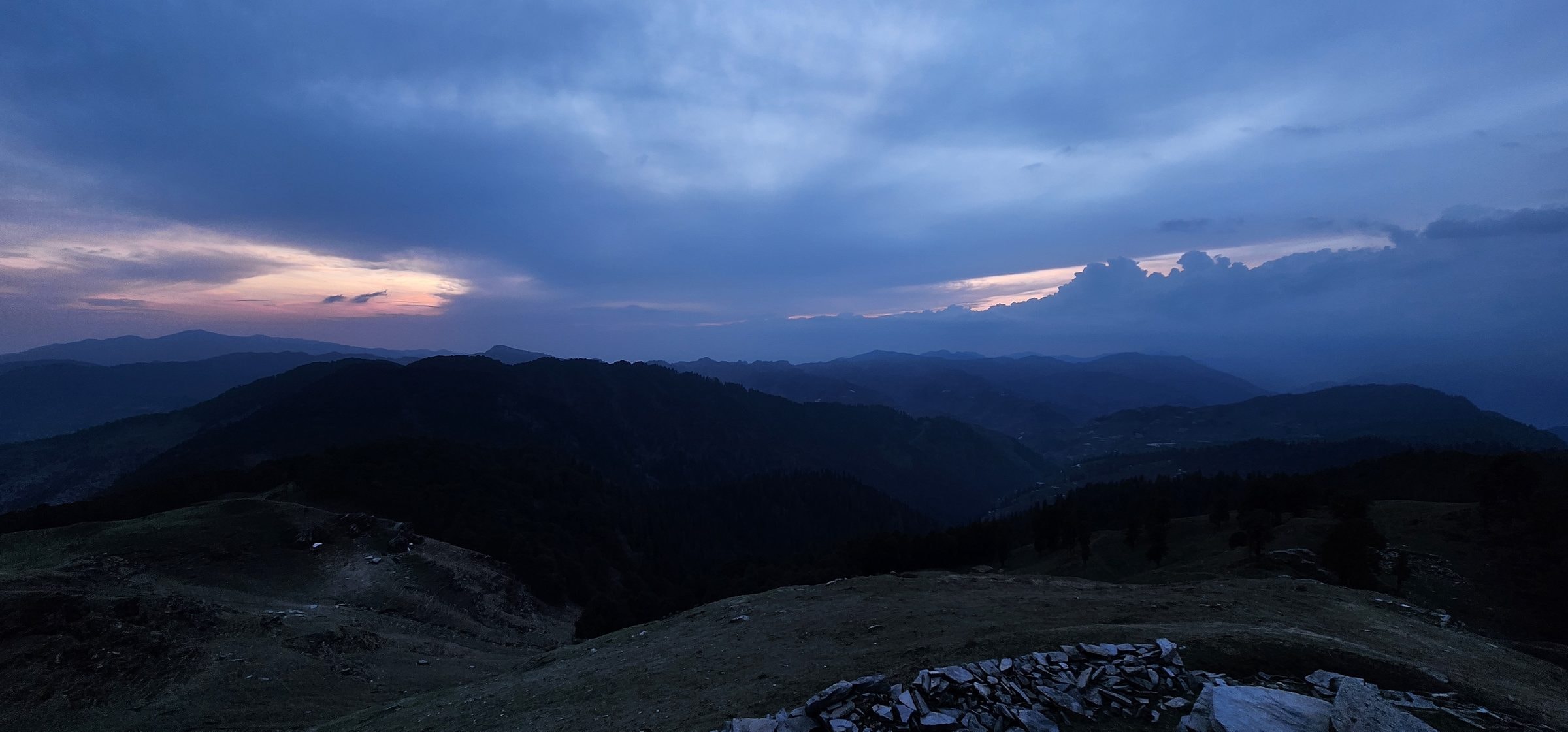
Jibhi Village
Jibhi Village: A Hidden Gem in Himachal Pradesh’s Tirthan Valley
Nestled in the serene Tirthan Valley of Kullu District, Jibhi is a quiet mountain village in Himachal Pradesh, India. At an altitude of 2250 meters, it lies along the pristine Tirthan River and serves as a gateway to Jalori Pass and the buffer zone of the Great Himalayan National Park (UNESCO World Heritage Site). Known for its traditional wooden architecture, apple orchards, and unhurried pace of life called "Ailyak", Jibhi in Himachal Pradesh offers an authentic Himalayan escape far from crowds.
Where is Jibhi? Locating the Village in India
Where is Jibhi located? Jibhi is situated in the Tirthan Valley, Kullu District, Himachal Pradesh, northern India. It's part of a cluster of offbeat villages that remain untouched by mass tourism. Where is Jibhi Himachal Pradesh? It lies along NH305, about 10 km from Banjar and 65 km from Bhuntar Airport. Whether you search for "jibhi himachal" or "jibhi tirthan valley", the answer remains the same — this is a tranquil haven in western Himalayas, perfect for nature lovers and slow travellers.
What to Do in Jibhi, Himachal Pradesh
What to do in Jibhi Himachal Pradesh? There’s plenty to fill a peaceful getaway:
- Visit Jibhi Waterfall: Just 1 km from the village center, this year-round cascade is a 15–20 minute walk from most homestays. Best visited during monsoon (July–September) when the flow is strongest.
- Trek to Chehni Kothi: Drive 7 km from Jibhi to the Chainsi Marg road-head, then take a 45-minute uphill trek to this 9-storey medieval defensive tower — one of the tallest traditional structures in Himachal Pradesh.
- Explore Shringa Rishi Temple: Located 2 km from Jibhi, this ancient pagoda-style temple dedicated to sage Shringa Rishi features exquisite wood carvings and panoramic valley views.
- Trout fishing in the Tirthan River: A major draw. Permits are required and available from the Fisheries Department in Larji or Banjar.
- Stay in heritage homestays: Most accommodations in Jibhi Valley are family-run wooden guesthouses reflecting traditional Kullu-style architecture.
Places to Visit Near Jibhi
Looking for places to visit near Jibhi? The region is rich in natural and cultural spots:
- Jalori Pass (3120m): Just 14 km from Jibhi, this high mountain pass connects Kullu to Shimla district. Open from May to October, it's the starting point for treks to Serolsar Lake and Raghupur Fort.
- Serolsar Lake: A sacred 3100m-altitude lake, 5 km trek from Jalori Pass through dense deodar forests. Often searched as “jibhi lake”, it's home to the Budhi Nagin deity.
- Raghupur Fort: A 5 km ridge trek from Jalori Pass offering 360° views of Dhauladhar, Kinnaur, and Kullu ranges.
- Banjar (10 km): The nearest town with ATMs, fuel stations, pharmacies, and local fruit markets — essential for supplies.
Delhi to Jibhi: How to Reach
Delhi to Jibhi is approximately 535 km, taking 12–13 hours by road via NH44, Chandigarh, NH21, Aut Tunnel, and NH305. Most travelers drive via Chandigarh or take an overnight bus to Bhuntar (65 km from Jibhi), then hire a cab. Jibhi from Delhi is scenic but challenging during monsoon (July–August) due to landslides on NH305.
For shorter routes:
- Chandigarh to Jibhi: 290 km, 7–8 hours
- Manali to Jibhi: 145 km, 4–5 hours
- Shimla to Jibhi: 218 km, 5–6 hours via Narkanda or Mandi
Is Kasol Good for Family? Jibhi vs Kasol
While Kasol is popular among backpackers, it’s less ideal for families seeking peace. Is Kasol good for family? Not quite — it’s more party-oriented and crowded. In contrast, Jibhi near places like Banjar and Jalori Pass offer safe, serene, and nature-rich experiences perfect for couples, families, and solo travellers alike.
Note: Kasol to Jibhi is 100 km (3–4 hours) via Bhuntar — a scenic drive worth considering for those transitioning from the Parvati Valley.
Best Time to Visit Jibhi
March–April brings apple blossoms and mild weather — ideal for spring visits. October–November offers post-monsoon clarity, golden foliage, and crisp air. Monsoon (July–August) brings heavy rain and road risks. December–February sees snowfall — great for snow lovers, though Jalori Pass remains closed.
META--- Jibhi village in Himachal Pradesh: where to go, what to do, how to reach from Delhi, best time to visit, and top places near Jibhi like Jalori Pass & Serolsar Lake.
Jibhi Trip Essentials
For planning routes, timing, and live conditions, use the core Jibhi guides:
Gallery
Related reads
- Shoja
Nestled at 2700m in the serene Tirthan Valley, Shoja is a quiet Himalayan village perched halfway up the road to Jalori Pass. Just 16 km from Jibhi, it's the perfect base for high-altitude treks, snow-laden winters, and peaceful mountain living. Discover hidden cafes, cultural heritage, and breathtaking views—only in Shoja, Himachal Pradesh. --- ### Where is Shoja? Shoja is a tranquil mountain village located in the Kullu District of Himachal Pradesh, India. Situated at an altitude of 2700 meters, it lies 16 km from Jibhi along the winding road leading to Jalori Pass. Part of the larger Tirthan Valley, Shoja sits in the buffer zone of the Great Himalayan National Park (a UNESCO World Heritage Site), making it a gateway to high-altitude adventures and pristine nature. Often searched as *shoja village*, *shoja himachal pradesh*, or *shoja valley*, this offbeat destination offers travelers an immersive escape into quiet Himalayan life—just off NH305 near the Shoja junction turnoff to Jalori Pass. ### Shoja in March: Is It Worth Visiting? Yes—**Shoja in March** is one of the most scenic times to visit. As winter loosens its grip, the landscape begins to thaw, with snow still crowning the peaks and apple orchards preparing to bloom in the lower valleys like Jibhi. Temperatures are crisp but manageable, ranging from 5°C to 15°C during the day, making it ideal for light trekking and photography. While Jalori Pass may still have snow blocking vehicle access early in the month, the road up to Shoja is typically clear, and the village offers stunning views of lingering snowfields. It’s a perfect time to experience the tail end of snow tourism without complete isolation—especially if you're traveling *from Jibhi to Shoja* for elevated vistas and fewer crowds. ### Jibhi and Shoja: How Are They Connected? **Jibhi and Shoja** are closely linked both geographically and experientially, often searched together as *jibhi shoja*, *jibhi & shoja*, or *jibhi and shoja*. Located just 16 km apart, they form a natural travel circuit in the Tirthan Valley. Jibhi, at 2250m, serves as the cultural and logistical base with more homestays, cafes, and trout fishing access on the Tirthan River. Shoja, higher at 2700m, acts as the launchpad for **Jalori Pass** (3120m) and offers a quieter, more remote mountain feel. Travelers often stay in Jibhi and make day trips to Shoja—or vice versa during peak snow season. The drive from **shoja to jibhi** takes about 30 minutes and winds through pine forests and river gorges, offering dramatic views at every turn. ### Best Cafes in Shoja: Where to Eat While Shoja is smaller than Jibhi, it does have a few charming spots that locals and travelers refer to as the **best cafes in shoja**. These aren’t urban-style coffee shops but cozy, family-run cafes serving hot maggi, pakoras, and steaming cups of ginger tea—perfect after a chilly drive up from Jibhi. One popular stop is a roadside dhaba near the Jalori Pass turnoff, known for its local Himachali dishes like siddu and babru. While options are limited compared to Jibhi, visitors searching for **cafes in shoja** will appreciate the rustic authenticity and mountain views. For more variety, most travelers head back to Jibhi, just 30 minutes away, where numerous cafes offer wood-fired pizzas, Israeli food, and artisanal coffee. ### List Unique Shoja Cultural Experiences Looking for authentic **shoja cultural experiences**? Though small, Shoja offers subtle but meaningful cultural immersion: - **Witness Himalayan Mountain Life**: Observe traditional Kullu-style wooden homes nestled into steep slopes—many built with interlocking wood beams for earthquake resilience. - **Local Homestay Stays**: A few family-run guesthouses offer overnight stays with home-cooked meals featuring local ingredients like sprouted grain *madra* and smoked lentils. - **Seasonal Apple Harvest Prep**: In March, farmers begin pruning apple trees—guests can often join in or observe this vital part of valley life. - **Festival Glimpses**: While major festivals occur in nearby villages, Shoja residents celebrate local *deity fairs* linked to the Budhi Nagin of Serolsar Lake, especially in late spring. - **Slow Travel Culture ("Ailyak")**: Like Jibhi, Shoja embraces the local concept of *ailyak*—a slow, unhurried pace of life deeply tied to nature and seasons. These quiet moments define the **jibhi shoja** experience far more than any checklist of sights. ### How to Reach Shoja from Jibhi Reaching Shoja from Jibhi is straightforward and scenic. The **shoja to jibhi** route—often driven in reverse—is a 16 km stretch along NH305 that takes about 30 minutes by car or motorbike. Start from Jibhi village, head toward Banjar, and look for the signboard marking the turn to Jalori Pass at Shoja junction. Shoja village itself sits just before the steep ascent to the pass begins. The road is narrow but paved, though caution is needed during monsoon (July–August) when landslides can occur on NH305. Most travelers opt to drive or hire a local cab from Jibhi—the ideal way to explore both **jibhi & shoja** in one trip.
- Best Places To Visit In Jibhi Himachal Pradesh
Best places to visit in Jibhi Himachal Pradesh — explore Jibhi Valley, Jalori Pass, Serolsar Lake, Chehni Kothi, and more. Your complete 2026 travel guide.
- Jibhi Tirthan Valley Package
Jibhi Tirthan Valley package guide: best time to visit, things to do, Delhi to Jibhi distance, Jalori Pass, Chehni Kothi, Serolsar Lake, and family travel tips.
- Best Offbeat Trekking Trails in Jibhi & Tirthan Valley
Discover the best offbeat trekking trails in Jibhi and Tirthan Valley. Escape the crowds and experience serene forests, hidden waterfalls, and breathtaking Himalayan views.
- Jibhi Himachal Pradesh
Jibhi, Himachal Pradesh: Explore the best time to visit, places to see, weather, treks, and travel tips for Jibhi Valley in March, April, or winter.
- Delhi To Jibhi Train
Jibhi, Himachal Pradesh travel guide: Delhi to Jibhi route, best time to visit, places to see like Jalori Pass & Chehni Kothi, and family tips. Updated March 2026.
Stay Updated
Subscribe to our newsletter for travel tips and updates about Jibhi.