Jibhi Tourism
12 Apr 2026•3 min read
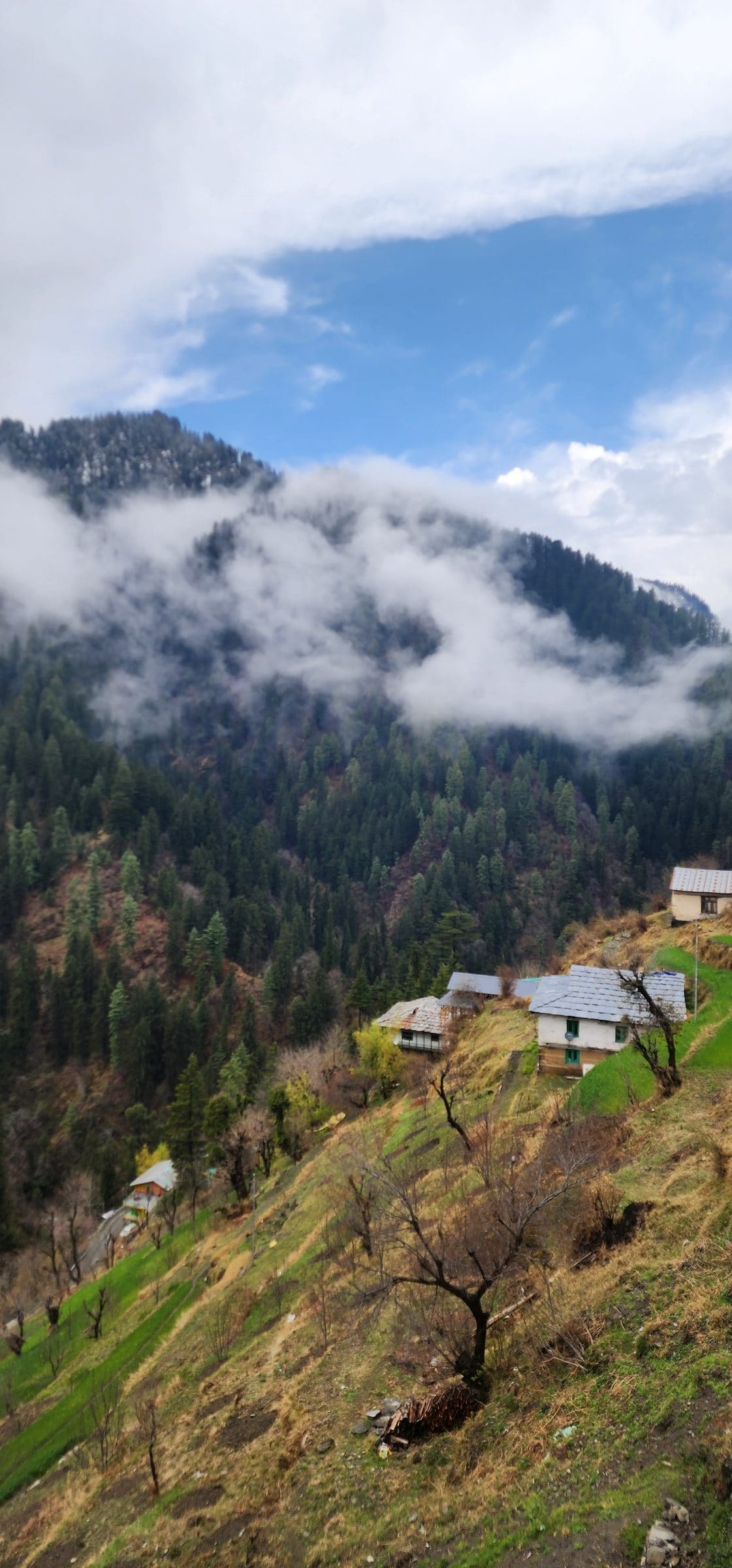
Jibhi tourism guide 2026: best time, places to visit, safety, and how to reach. Experience Tirthan Valley’s quiet magic and the art of ailyak.
Share this guide
Jibhi Tourism: Everything you need to know about this Himachali hidden gem
Jibhi tourism isn’t just a trip—it’s a slow dance with the mountains. Nestled in the quiet embrace of Tirthan Valley, Himachal Pradesh, at 2,250m, Jibhi is the kind of place where “Ailyak” (the local way of savouring unhurried moments) isn’t a concept—it’s a way of life. Far from the crowds of Manali or Kasol, this valley whispers secrets to those who wander off the beaten path. Whether you're planning a weekend escape, a monsoon retreat, or a winter wonderland adventure, Jibhi offers a slower, deeper way to experience the Himalayas.
If you’ve been searching for “jibhi,” “jibhi valley,” ” “jibhi tourism,” or “jibhi Himachal Pradesh,” you’re in the right place. This is your complete travel guide to jibhi tourism in 2026—covering the best things to do, safe travel tips, current weather, seasonal magic, and what makes this valley truly special.
What to Do in Jibhi: Trails, Waterfalls, and Wooden Wonders
Jibhi isn’t about rushing—it’s about wandering. Start your day with a 15-minute walk to Jibhi Waterfall, a crystal-clear cascade that roars strongest during monsoon (July–September). It’s a perfect spot for a quiet picnic or a dip in the emerald pool below. From there, head to Chehni Kothi, a 500-year-old 9-storey stone tower, just 7 km from Jibhi. The 45-minute uphill trek through oak and deodar forest ends at one of the tallest traditional structures in Himachal—an architectural marvel built without mortar, designed to survive earthquakes.
For trekkers, the real gateway is Jalori Pass (3,120m), a 45-minute drive from Jibhi. Open March–December, it connects Kullu to Shimla and is the trailhead for two iconic hikes: the 5 km Serolsar Lake trek, sacred to the Budhi Nagin deity, and the 3 km Raghupur Fort trek, where panoramic views stretch to Dhauladhar and Kinnaur. After the trek, warm up with a cup of spiced tea at a dhabba at the pass top.
Don’t miss the Shringa Rishi Temple, a 2-minute drive from Jibhi village. Dedicated to the sage Shringa, this wooden pagoda hosts local festivals, including Dussehra, when deities are carried in palanquins through the valley.
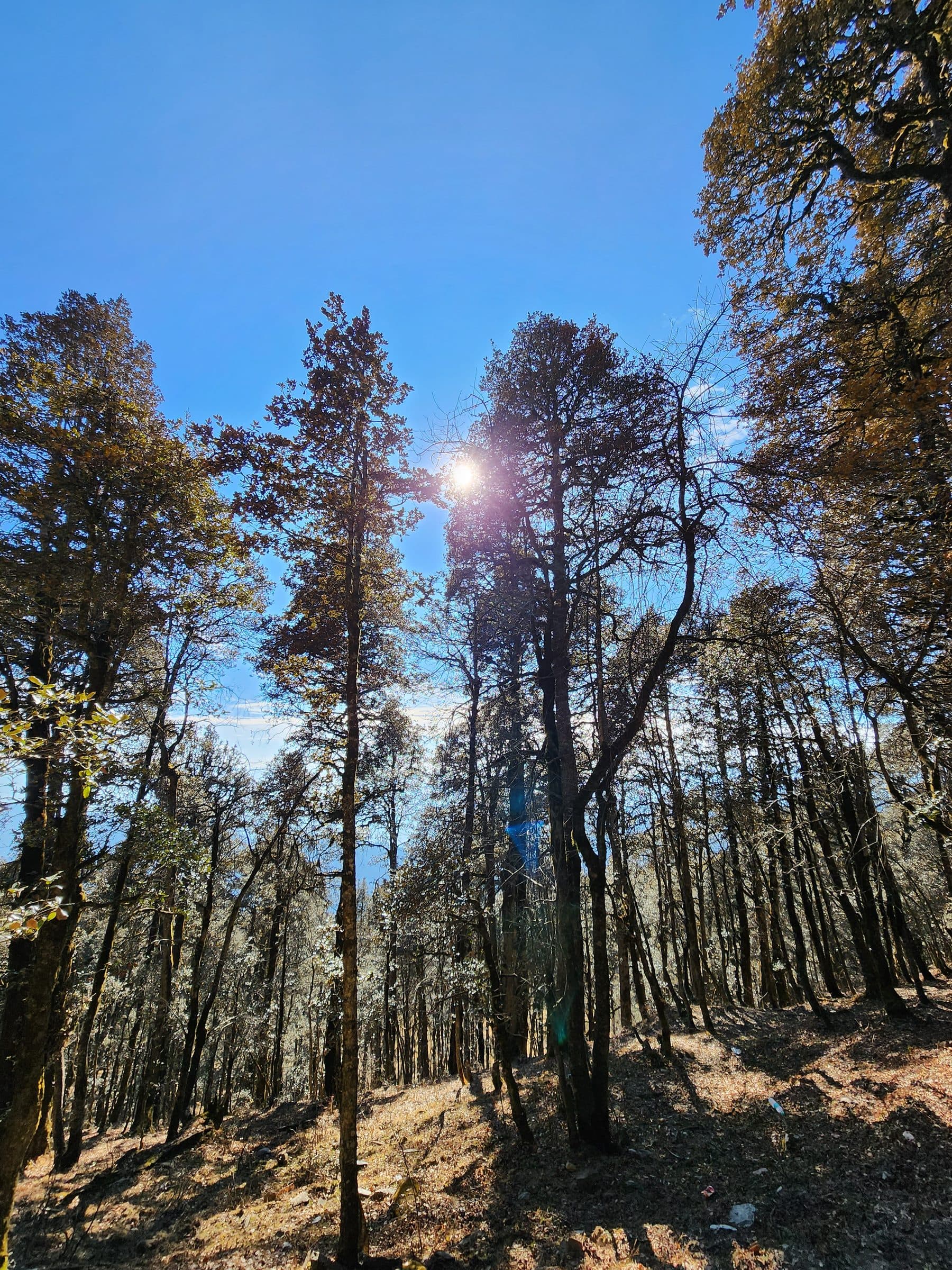
Tall pine trees stretching towards a bright blue sky in the Jibhi forest
Pro tip: If you're planning a longer stay, consider a Jibhi trekking guide to help plan multi-day routes through the Great Himalayan National Park buffer zone.
What to Do in Jibhi, Himachal Pradesh: Beyond the Village
Jibhi is the heart of Tirthan Valley, a quieter, more authentic cousin of Parvati Valley. Here’s what makes it special:
- Trout fishing in the Tirthan River: Permits required from the Fisheries Department at Larji or Banjar. Best season: March–June and September–October.
- Apple orchards in bloom: March–April transforms the valley into a pink-and-white dream. Visit local farms to taste fresh cider.
- Wooden homestays: Stay in family-run guesthouses built in traditional Kullu style—carved windows, sloping roofs, and homemade apricot jam on toast.
- Local festivals: Timing your visit with the Dussehra festival in October or a winter snow festival can turn a simple trip into a cultural experience.
For food lovers, don’t miss Himachali cuisine—thick dal, siddu (steamed stuffed bread), and apricot jam. Try a local dhabba or ask your homestay to prepare a thali.
Want to go deeper? Read our guide to traditional Himachali food in Jibhi to know what to order.
Jibhi Specialities: What Makes This Valley Unique
- Ailyak: Not just a word—it’s a lifestyle. Time slows down; meals last for hours; sunsets are watched, not scrolled.
- Wooden architecture: Most homestays and guesthouses are built in traditional Kullu-Kinnauri style, using local pine and cedar.
- Trout fishing: The Tirthan River is one of India’s best spots for rainbow and brown trout. Permits required.
- Apple and plum orchards: August–October brings harvest season—pick fresh fruit and taste homemade preserves.
- Snow tourism in winter: December–February turns Jibhi into a quiet snow village. Jalori Pass closes, but Jibhi stays accessible for snow walks and bonfire evenings.
No towering crowds. No traffic. Just the sound of the Tirthan River and the scent of pine.

Himachali Siddu
Is Jibhi Safe to Visit Right Now? (April 2026)
Yes—Jibhi is safe to visit in April 2026. The valley is emerging from winter, with mild days (12–18°C) and crisp nights. Roads are clear, and homestays are open post-monsoon. However, keep these in mind:
- Mobile networks are patchy. BSNL has the best signal; Jio works in most spots. Airtel is unreliable.
- Cash is king. Jibhi has only one ATM. Withdraw in Banjar (10 km) or Aut (56 km).
- Electricity cuts can happen in monsoon months. Most homestays have inverters.
- Altitude sickness is rare at 2,250m, but hydrate and acclimatize if arriving from Delhi or plains.
The Great Himalayan National Park buffer zone begins at the Tirthan River, and Jibhi sits at its edge—so respect local conservation rules: no littering, no off-trail hiking, and carry a reusable water bottle.
What Is the Weather in Jibhi Now?
As of 18 April 2026, Jibhi is basking in spring. Expect:
- Daytime: 12–18°C — perfect for walks and photography.
- Nighttime: 4–8°C — bring a light jacket.
- Rainfall: Low; the monsoon arrives in mid-June.
- Sky: Clear mornings, occasional cloud bursts in the afternoon.
This is one of the best times to visit—apple blossoms are in full bloom, roads are dry, and Jalori Pass is open for treks.
For real-time updates, check our Jibhi weather now guide.
Visiting Jibhi in Summer (April–June): A Slow, Green Escape
Summer in Jibhi isn’t about heat—it’s about warmth. April–June is ideal for:
- Forest treks: Serolsar Lake and Raghupur Fort are in full bloom.
- River baths: Dip in the Tirthan River near Jibhi village.
- Cultural immersion: Visit during the Dussehra festival in October or local melas in spring.
- Photography: Golden light hits the apple orchards and cedar forests in the morning.
Compared to crowded Kasol or Manali, Jibhi offers the same Himalayan magic without the noise. The valley stays green, the air is fresh, and the pace is slow.
Planning a longer stay? Learn why Jibhi is a perfect workation escape for digital nomads and creatives.
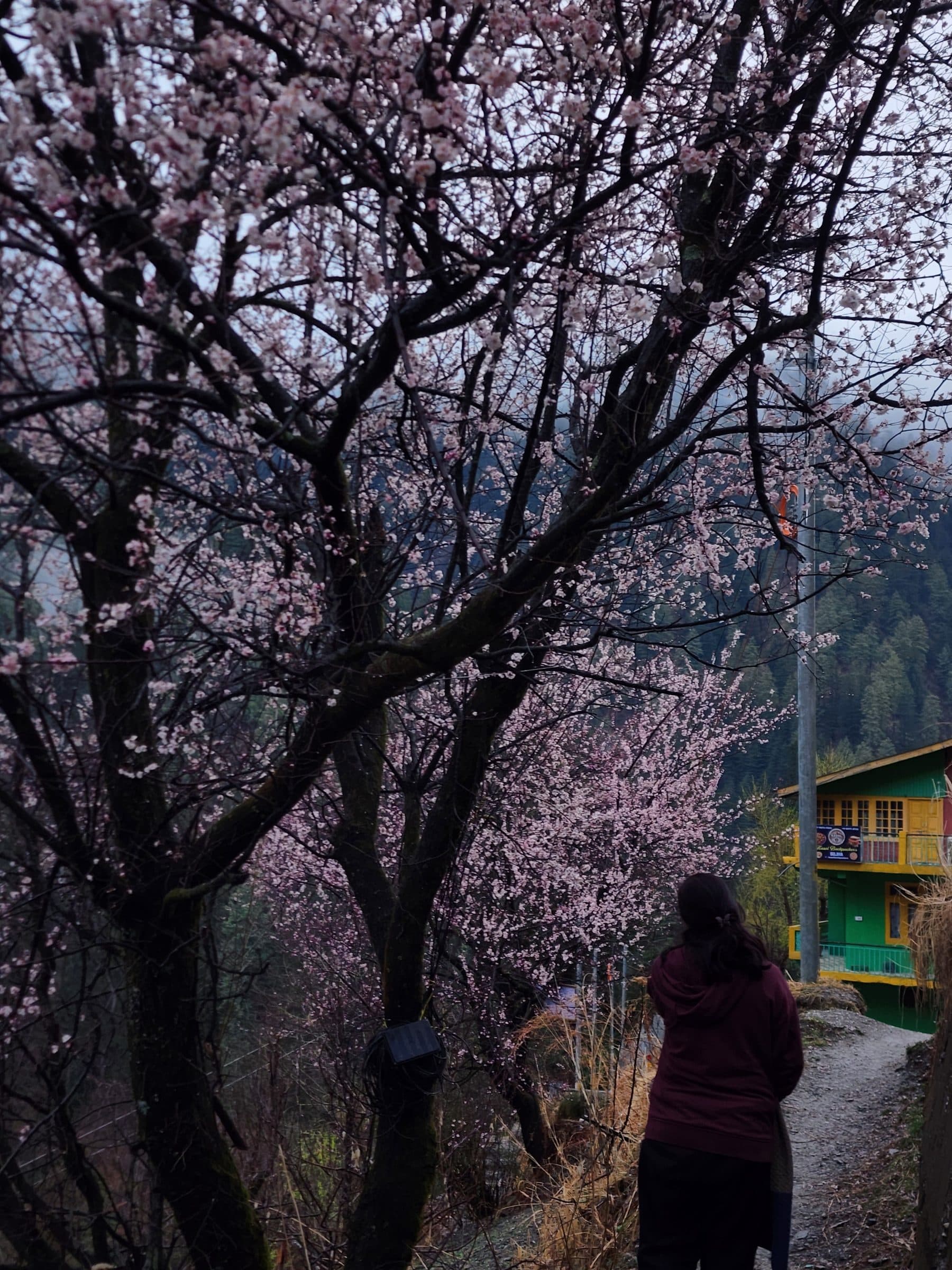
Apricot tree with pink blossoms in a mountainous forest
Apricot tree with pink blossoms in a mountainous forest
How to Reach Jibhi: Distance and Routes from Delhi, Manali, and Beyond
Jibhi is well-connected but intentionally quiet. Here are your best routes:
- From Delhi: 535 km, 12–13 hours via NH44 → Chandigarh → NH21 → Aut Tunnel → NH305 via Banjar. Overnight buses to Aut or Bhuntar are ideal.
- From Manali: 145 km, 4–5 hours via NH3 → Kullu → Aut Tunnel → NH305 → Banjar → Jibhi.
- From Shimla: 218 km, 5–6 hours. Take the scenic route via Narkanda and Rampur for jaw-dropping views.
- Nearest airport: Bhuntar (Kullu-Manali Airport), 65 km, 2 hours.
- Nearest railhead: Jogindernagar, 95 km, 3 hours.
Pro tip: Fill up your tank in Banjar—it’s the last fuel station before Jibhi.
Need more detail? Read our complete guide to the distance from Kullu to Jibhi.
Final Thoughts: Why Jibhi Should Be on Your 2026 Travel List
Jibhi tourism isn’t about ticking boxes. It’s about forgetting to hurry. It’s about waking up to the sound of the river, sipping tea with a local family, and walking through forests where the past feels alive. Whether you come for the treks, the trout, the temples, or just the stillness, Jibhi offers a version of the Himalayas that feels authentic, intimate, and timeless.
This April, leave the noise behind. Come to Jibhi—where the mountains whisper, and time slows down.
Jibhi Trip Essentials
For planning routes, timing, and live conditions, use the core Jibhi guides:
How to Explore Jibhi Valley
Discover the best experiences and hidden gems of Jibhi Valley with this step-by-step guide.
Total Time: 1 hour
1
Visit Jibhi Waterfall
Start your day with a 15-minute walk to Jibhi Waterfall, a stunning cascade best experienced during monsoon months (July–September). Enjoy a peaceful picnic or take a refreshing dip in the emerald pool below.
2
Trek to Chehni Kothi
Travel 7 km from Jibhi and embark on a 45-minute uphill trek through oak and deodar forests to reach Chehni Kothi, a 500-year-old 9-storey stone tower built without mortar, offering a glimpse into traditional Himalayan architecture.
3
Explore Jalori Pass
Take a 45-minute drive from Jibhi to Jalori Pass (3,120m), open March–December. Use it as a base for iconic treks like Serolsar Lake and discover breathtaking views of the surrounding Himalayan landscape.
Frequently Asked Questions
Jibhi is located in the Tirthan Valley of Kullu District, Himachal Pradesh, nestled along the Tirthan River at an altitude of 2250 meters. It serves as a gateway to Jalori Pass and lies near the Great Himalayan National Park.
Popular places to visit in Jibhi include the Jibhi Waterfall, Chehni Kothi medieval tower, Shringa Rishi Temple, Jalori Pass, Serolsar Lake, and Raghupur Fort. Trout fishing and riverside walks in Tirthan Valley are also recommended.
Yes, Jibhi is safe to visit in January. The region experiences snowfall, but the village remains accessible and is ideal for travelers seeking a peaceful winter getaway with snow-covered landscapes.
The best time to visit Jibhi is in March, when apple blossoms are in full bloom, the weather is mild, and trekking trails are clear. However, the valley is also beautiful during winter for snow experiences.
No, Jalori Pass is closed in February due to heavy snowfall. The pass is typically accessible from May to October, so visiting during winter is not recommended for trekkers.
Yes, as of April 2026, Jibhi is safe to visit with stable post-winter conditions, clear skies, and open roads from major cities like Delhi, Manali, and Shimla. Travelers should still check local updates before departure.
Stay Updated
Subscribe to our newsletter for travel tips and updates about Jibhi.