Where the Mountains Whisper: Finding Stillness in Jibhi Valley This April
13 May 2025•4 min read
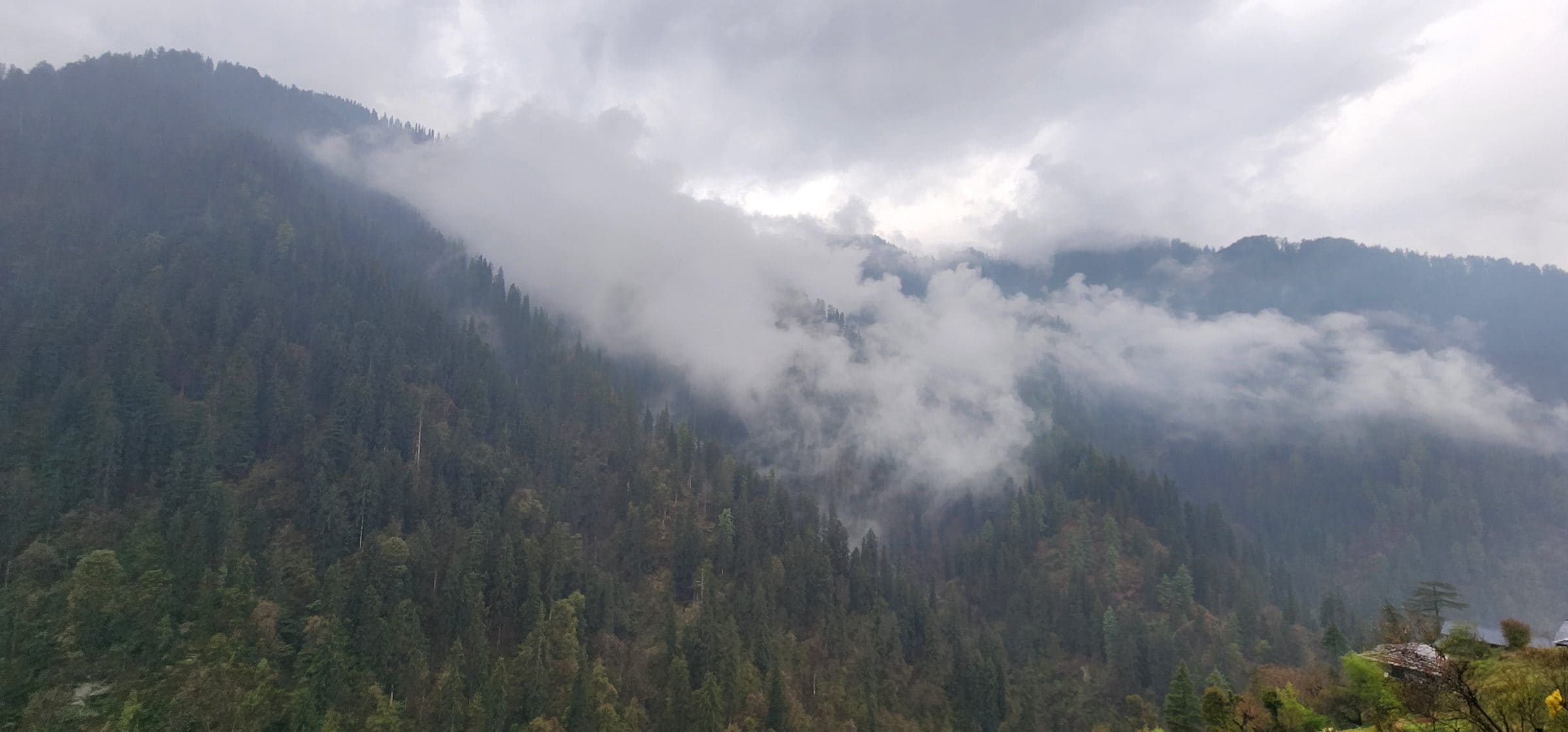
Best places to stay in Jibhi — updated for 2026. Discover where to stay, what to do, and why Jibhi Valley is safe and stunning right now.
Share this guide
Best places to stay in Jibhi: A Comprehensive guide about Jibhi
Jibhi Valley, a quiet mountain hamlet in Tirthan Valley, Kullu District, Himachal Pradesh, is where time slows to a gentle Ailyak—the local word for a slow, unhurried pace of life. At 2,250 meters, this offbeat gem cradles the Tirthan River, wooden heritage homes, and apple orchards, offering travelers a rare escape from crowds. Whether you're trekking to Jalori Pass, angling for trout in the Tirthan, or simply seeking stillness, choosing the right stay can make all the difference. Here’s your curated guide to the best places to stay in Jibhi, where warmth, authenticity, and mountain calm define every stay.
Why Jibhi is Calling You Right Now (in April 2026)
Jibhi in March–April 2026 is a vision of spring: apple blossoms paint the orchards white, the air is crisp at 10–18°C, and the valley hums with life without the summer rush. This is the perfect window to experience Jibhi in March, when the scent of pine mingles with blossoms and the roads to Jalori Pass reopen after winter. From Delhi, the journey is a 12–13 hour drive (535 km) via Chandigarh and the Aut Tunnel, or a 4–5 hour trip from Manali (145 km). If you’re arriving by air, Bhuntar Airport is just 65 km away. As you plan your 2026 travel guide, consider staying in a heritage homestay where the wooden beams whisper stories of a slower time.

A dirt road winds through lush green, hilly terrain in the Jibhi Valley.
What to Do in Jibhi: More Than Just a Stay
Jibhi isn’t just a place to sleep—it’s a doorway to experiences that linger long after you leave. Here’s what makes places to visit in Jibhi unforgettable:
- Trekking to Serolsar Lake: A 5 km forest trek from Jalori Pass (19 km from Jibhi) leads to a sacred alpine lake at 3,100m, home to the Budhi Nagin deity. Spot Himalayan Monal and Koklass Pheasant along the way.
- Exploring Chehni Kothi: A 7 km drive + 45-minute uphill trek brings you to one of Himachal’s tallest traditional towers, built 500–700 years ago. The wooden architecture is earthquake-resistant—a marvel of Kullu-Kinnauri design.
- Trout Fishing in the Tirthan River: Cast a line into the clear waters (permit required from Larji or Banjar) and reel in rainbow or brown trout. Most homestays can arrange permits and gear.
- Wandering to Jibhi Waterfall: A 15-minute walk from the village center, this year-round waterfall swells in monsoon and offers a refreshing dip in summer.
- Savoring Hillside Cafés: Sip masala chai at Ailyak Café or a wood-fired pizza while soaking in panoramic valley views. These spots are perfect for a midday pause.
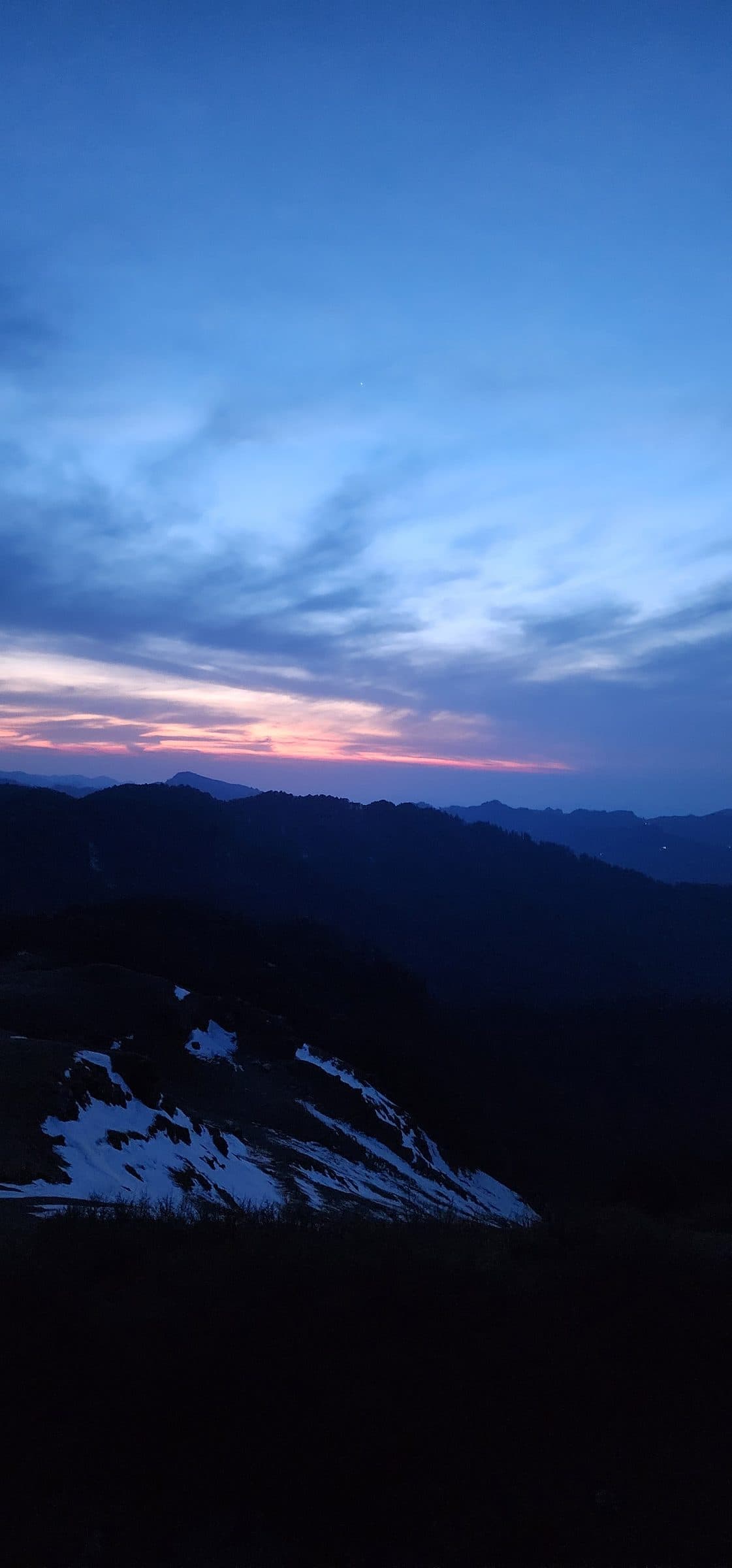
Dark silhouette of rolling hills and sky with soft clouds
For deeper insights, explore the offbeat trekking trails in Jibhi Tirthan Valley.
Is Jibhi Safe to Visit Now? What Travelers Ask
As of Wednesday, 29 April 2026, Jibhi is safe to visit for travelers. The region is politically stable, and crime against tourists is rare. Mobile connectivity is limited—BSNL offers the most reliable signal, while Airtel works in patches. Jio is spotty. Carry cash from Banjar (10 km away), as Jibhi village has no ATM. Road conditions on NH305 are good post-monsoon, but landslides can occur in July–August. Snow closes Jalori Pass from November to April, but the village remains accessible for winter retreats.
Source: Verified travel advisories, local tourism office, and real-time road updates from HP PWD.
The Best Places to Stay in Jibhi: A Curated List
1. Ailyak Café & Stays
Why stay here? This family-run property embodies the Ailyak spirit—warmth, simplicity, and a deep connection to the valley. Their wooden cottages and café serve homemade Himachali meals and freshly baked bread.
- Best for: Couples, solo travelers, and families seeking a homey vibe.
- Highlights: On-site café, bonfire evenings, and guided treks to Serolsar Lake.
- Tip: Book early in March–April for apple blossom season.
- Book via: Ailyak Café & Stays official site or local agents.
2. Tirthan Riverside Homestays
Why stay here? Located along the Tirthan River, these family-run wooden homes offer trout fishing on your doorstep and views of apple orchards.
- Best for: Anglers, nature lovers, and those who want a rustic retreat.
- Highlights: Private river access, bonfire pits, and home-cooked dinners.
- Tip: Ask for rooms facing the river for sunrise views.
3. Jalori Pass View Homestays
Why stay here? Perched on the road to Jalori Pass, these stays offer 180° valley views and quick access to treks.
- Best for: Trekkers and photographers.
- Highlights: Sunrise views over the Kullu Valley, packed lunches for treks.
- Tip: Combine your stay with a sunrise trek to Jalori Pass.
4. Chehni Kothi Heritage Retreat
Why stay here? A stone’s throw from the famous 9-storey Chehni Kothi, this boutique stay offers a blend of heritage and comfort.
- Best for: History buffs and Instagram-worthy stays.
- Highlights: Traditional wood-and-stone architecture, guided heritage walks.
- Tip: Visit the kothi at sunset for golden-hour photos.
5. Shoja & Jibhi Combos
For a broader experience, stay in nearby Shoja and explore both valleys:
- Shoja Uncovered: Where the Himalayas Whisper offers stays with panoramic views and access to hidden trails.
- Best for: Those wanting to explore beyond Jibhi without sacrificing comfort.
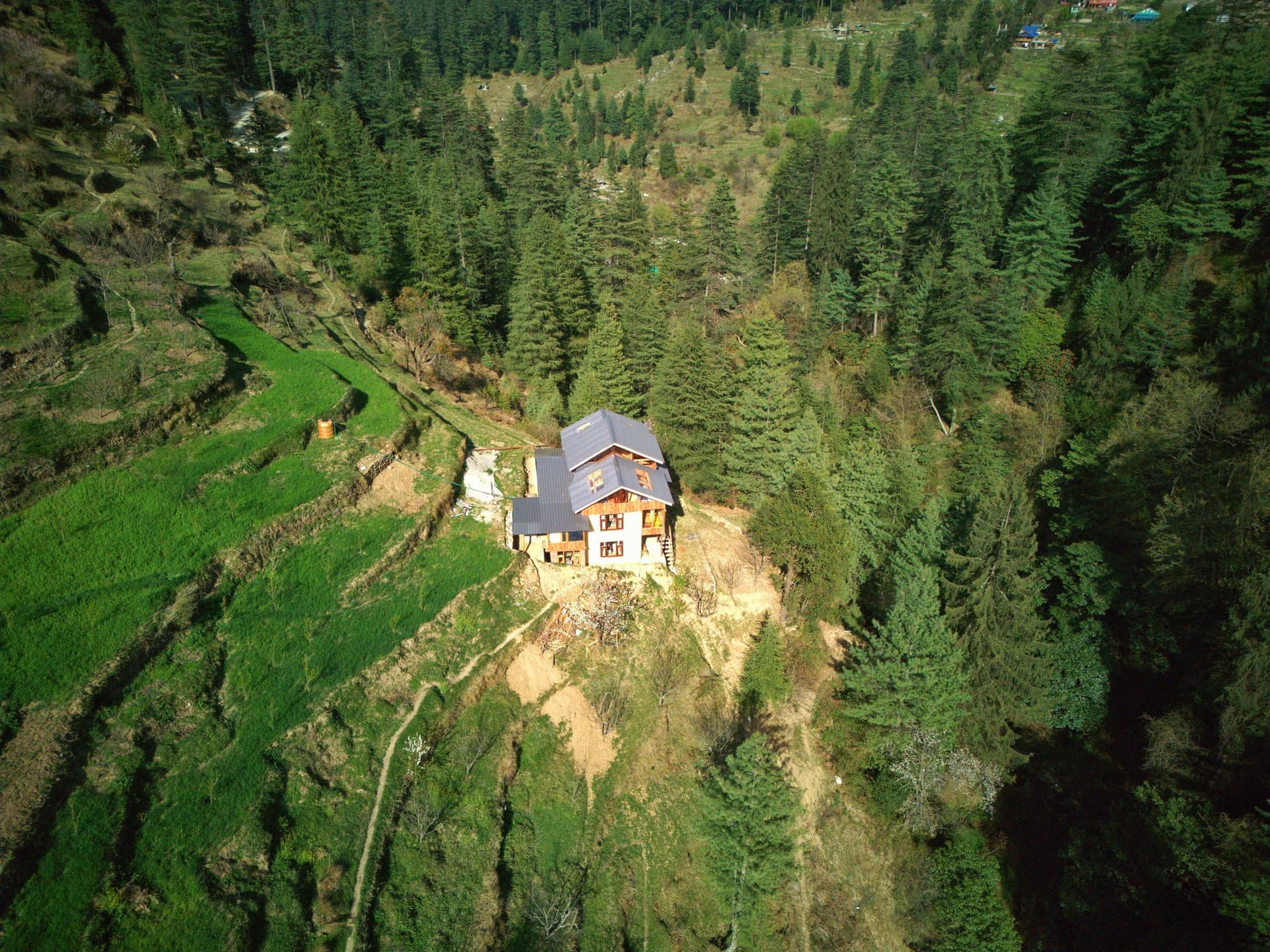
Ailyak Seri, nestled among dense pine trees and green grassy slopes
How to Choose Your Jibhi Stay
Picking the right hotels in Jibhi depends on your travel style:
| Traveler Type | Best Stay Type | Recommended Areas |
|---|---|---|
| Romantic getaway | Wooden cottages with river views | Riverside homestays, Ailyak Café |
| Trekkers | Stays near Jalori Pass road | Jalori Pass View Homestays |
| Families | Heritage homes with space | Chehni Kothi, Tirthan Riverside |
| Budget travelers | Guesthouses in Jibhi village | Local homestays (Rs. 800–1,500/night) |
Pro tip: Book stays in March–April for apple blossom season or October–November for post-monsoon clarity and foliage. Avoid July–August if you dislike rain and landslides.
Travel Logistics: Getting to Jibhi in 2026
- From Delhi: 535 km, 12–13 hours via Chandigarh and Aut Tunnel. Plan your Delhi to Jibhi tour package for a seamless journey.
- From Manali: 145 km, 4–5 hours via Kullu and Aut Tunnel.
- From Shimla: 218 km, 5–6 hours via Narkanda or Mandi.
- Nearest airport: Bhuntar (65 km, 2 hours).
- Nearest railhead: Jogindernagar (95 km, 3 hours).
For detailed routes, check the Kullu to Jibhi distance guide.
Your Jibhi Valley Guide: Final Tips
- Packing: Layered clothing (10–25°C in April), waterproof shoes, and a power bank (electricity cuts are common in monsoon).
- Permits: Trout fishing requires a permit from Larji or Banjar Fisheries Department.
- Local Etiquette: Ask before photographing locals or homes. The concept of Ailyak extends to respecting the valley’s pace.
- Sustainability: Carry reusable water bottles. Support local homestays over large hotels to preserve Jibhi’s charm.

A flowing stream over rocks surrounded by dense green trees and heavy mist, near Ailyak Shoja.
Jibhi Valley isn’t just a destination—it’s a feeling. Whether you’re sipping chai at Ailyak Café, tracing the steps of ancient kings at Chehni Kothi, or waking up to the sound of the Tirthan River, every stay here is a story waiting to be lived. Plan your 2026 travel guide around this Himalayan retreat, and let the mountains whisper their secrets to you.
Ready to unplug and arrive?
👉Explore stays and experiences: jibhi.in/partners
👉Learn what to pack for changing Himalayan weather in When It Snows in Jibhi: Your Complete Guide to Winter in the Valley
👉Discover more about Jibhi’s unique rhythm and why it’s a perfect retreat in A Plate of the Mountains: Discovering the Soul of Himachali Food in Jibhi Valley
Jibhi Trip Essentials
For planning routes, timing, and live conditions, use the core Jibhi guides:
How to Experience the Best Stay in Jibhi Valley
Discover how to plan and enjoy a tranquil, authentic mountain getaway in Jibhi Valley this April.
Total Time: 1 hour
1
Choose the Right Time to Visit
Plan your trip for March–April 2026 to enjoy spring blooms, mild temperatures (10–18°C), and clear trekking routes without the summer crowds.
2
Select an Authentic Stay
Opt for heritage homestays in Jibhi that offer wooden architecture, local hospitality, and immersive cultural experiences for a truly serene mountain retreat.
3
Explore Natural Attractions
Visit nearby attractions like Serolsar Lake and the Tirthan River; enjoy trekking, trout fishing, and quiet walks through apple orchards and pine forests.
4
Plan Your Journey
Travel to Jibhi via a 12–13 hour drive from Delhi (535 km) or a 4–5 hour drive from Manali (145 km); alternatively, fly into Bhuntar Airport, just 65 km away.
Frequently Asked Questions
Jibhi is located in the Tirthan Valley of Kullu District, Himachal Pradesh, at an altitude of 2250 meters. It lies 10 km from Banjar along NH305 and is part of the buffer zone of the Great Himalayan National Park, a UNESCO World Heritage Site.
Jibhi is approximately 535 km from Delhi, which takes 12–13 hours by road via NH44 and NH21. From Manali, it is 145 km away, with a travel time of 4–5 hours by road.
Visitors can walk to the Jibhi Waterfall, explore the 9-storey Chehni Kothi tower, or drive to Jalori Pass to visit Serolsar Lake and Raghupur Fort. Trout fishing with a permit, birdwatching for species like the Himalayan Monal, and enjoying apple blossoms in April are also popular activities.
April is the best time to see apple blossoms in Jibhi, as it is the peak bloom season when pink and white flowers blanket the hills and orchards.
No, Jalori Pass is only open from May to October. It remains closed during the winter months due to snowfall.
Trout fishing is permitted in the Tirthan River with a license, which can be obtained from Banjar or Larji. The river flows clear and is well-stocked, making it ideal for angling enthusiasts.
Related reads
- Where the Mountains Whisper: Discovering Jibhi Tirthan Valley’s Quiet Magic
Jibhi Tirthan Valley guide: best places to visit, weather, safety, and how to reach. Discover serene treks, homestays, and the true spirit of ailyak in Himachal Pradesh.
- Jibhi Reimagined: A Slow Journey Through the Heart of Tirthan Valley
Jibhi Tirthan Valley tour package guide: best time, places to visit, safety, and how to plan your trip. Discover Jibhi Himachal Pradesh with verified local insights.
- Jibhi in Spring: Where Time Slows Down and Mountains Bloom
Jibhi in which district? Kullu, Himachal Pradesh. Discover Jibhi Valley's best-kept secrets — from Jalori Pass to Ailyak Stays — with accurate, up-to-date travel insights.
- The Quiet Magic of Jibhi: Why This Himalayan Valley Is Calling You Now
Delhi to Jibhi train not available. Nearest railhead Jogindernagar. Best routes, weather, and places to visit in Jibhi Himachal Pradesh. Safe to visit now?
- Where the Mountains Whisper: A True Escape to Jibhi Tirthan Valley
Nestled in Himachal Pradesh, Jibhi Tirthan Valley is a serene mountain sanctuary where time stands still. Discover untouched beauty, whispering deodars, and soul-soothing escapes in this hidden Himalayan gem.
- Jibhi: Where the Mountains Whisper the Art of Slowing Down
Jibhi in which state? Himachal Pradesh. Discover Jibhi Valley’s best-kept secrets — from Jalori Pass to ailyak living — with essential travel tips for 2026.
Stay Updated
Subscribe to our newsletter for travel tips and updates about Jibhi.