Bahu Village Travel Guide 2026: Must-See Places & Tips | Jibhi Valley Guide
Bahu, Jibhi Travel Guide 2026: Where to Go, What to Do, and When to Visit
Complete 2026 guide to Bahu Village, Himachal Pradesh. Discover Bahu Temple Jibhi, best time to visit, safety, how to reach, and top experiences in Tirthan Vall
Where is Bahu Village in Himachal Pradesh?
Bahu Village is a serene hamlet nestled within Jibhi Valley, a quiet mountain village in the Tirthan Valley, Kullu District, Himachal Pradesh. Situated at 2250m, it sits along the Tirthan River and serves as the gateway to Jalori Pass and the buffer zone of the Great Himalayan National Park. Unlike bustling tourist hubs, Bahu Village embodies the slow, unhurried pace of life known locally as "Ailyak"—a Kullu term with no direct English equivalent, yet deeply felt in every sunrise over the valley and the evening chai shared with locals. Plan your visit to Jibhi Valley
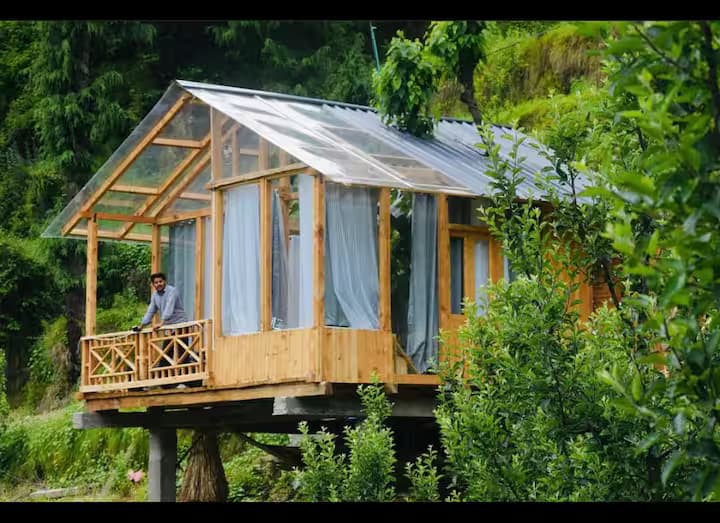
Wooden structure with a sloping roof overlooking dense green forest in Jibhi.
What to do in Bahu Village & Jibhi Valley
Bahu Village and the surrounding Jibhi Valley offer experiences that blend adventure, culture, and tranquility. Here’s what you can do:
Immerse in Ailyak — the art of slowing down
Spend a day in Ailyak Cafe, a cozy wooden café perched beside the Tirthan River, serving handmade Himachali dishes like siddu and madra. Pair it with filter coffee as you watch the river flow—this is Bahu Village’s gift: time. Most homestays here are family-run wooden structures built in traditional Kullu style, offering intimate stays where you wake to the sound of the river and sleep beneath cedar beams.
Trout fishing in the Tirthan River
The crystal-clear Tirthan River is one of India’s best spots for brown and rainbow trout fishing. You’ll need a permit from the Fisheries Department at Larji or Banjar, available on the spot with ID. Many homestays arrange guided fishing trips at dawn when the water is calm and the trout bite best. Bring your own gear or rent locally—no license needed for recreational angling.
From Bahu Village, a 14 km drive takes you to , the highest motorable pass in Kullu district. From here, it’s a 5 km trek through dense deodar and oak forests to reach , a sacred alpine lake dedicated to the Budhi Nagin deity. The trail is rich in birdlife—spot the Himalayan Monal or Koklass Pheasant along the way.
How to Experience Bahu Village in Jibhi Valley
Discover the serene beauty and slow living of Bahu Village with immersive cultural and nature activities.
Total Time: 1 hour
1
Reach Bahu Village
Travel to Bahu Village in the Tirthan Valley, Kullu District, Himachal Pradesh, accessible via Jibhi Valley and situated at 2250m altitude near the Tirthan River.
2
Embrace Ailyak – Slow Living
Spend time in Ailyak Cafe, a riverside wooden café, and experience 'Ailyak'—the local art of slowing down—by enjoying handmade Himachali food and filter coffee while listening to the flowing river.
3
Stay in a Traditional Homestay
Book a stay in a family-run wooden homestay built in traditional Kullu architecture, where you can wake up to river sounds and spend evenings under cedar wood ceilings.
4
Go Trout Fishing
Obtain a fishing permit from the Fisheries Department in Larji or Banjar with valid ID, then join a guided trout fishing trip at dawn on the Tirthan River for the best experience.
Frequently Asked Questions
Jibhi is located in the Tirthan Valley of Kullu District, Himachal Pradesh, about 65 km from Bhuntar and 10 km from the town of Banjar along NH305.
The best time to visit Jibhi is during March to April when the valley is in full bloom with apple blossoms, mild spring weather, and flowing streams.
Top places to visit in Jibhi include the Bahu Temple Jibhi, the Tirthan River, and nearby Jalori Pass, all offering a mix of spiritual, natural, and cultural experiences.
The Bahu Temple in Jibhi is a revered local spiritual site dedicated to the deity Bahu, believed to protect the valley and its people, and is distinct from the more famous Bahu Fort in Jammu.
Jibhi Valley sits at an altitude of 2250 meters and is surrounded by pine forests, apple orchards, and the clear Tirthan River, offering a serene and pristine Himalayan environment.
Jibhi lies in the buffer zone of the Great Himalayan National Park, a UNESCO-listed site, making it a prime destination for eco-tourism and nature lovers.
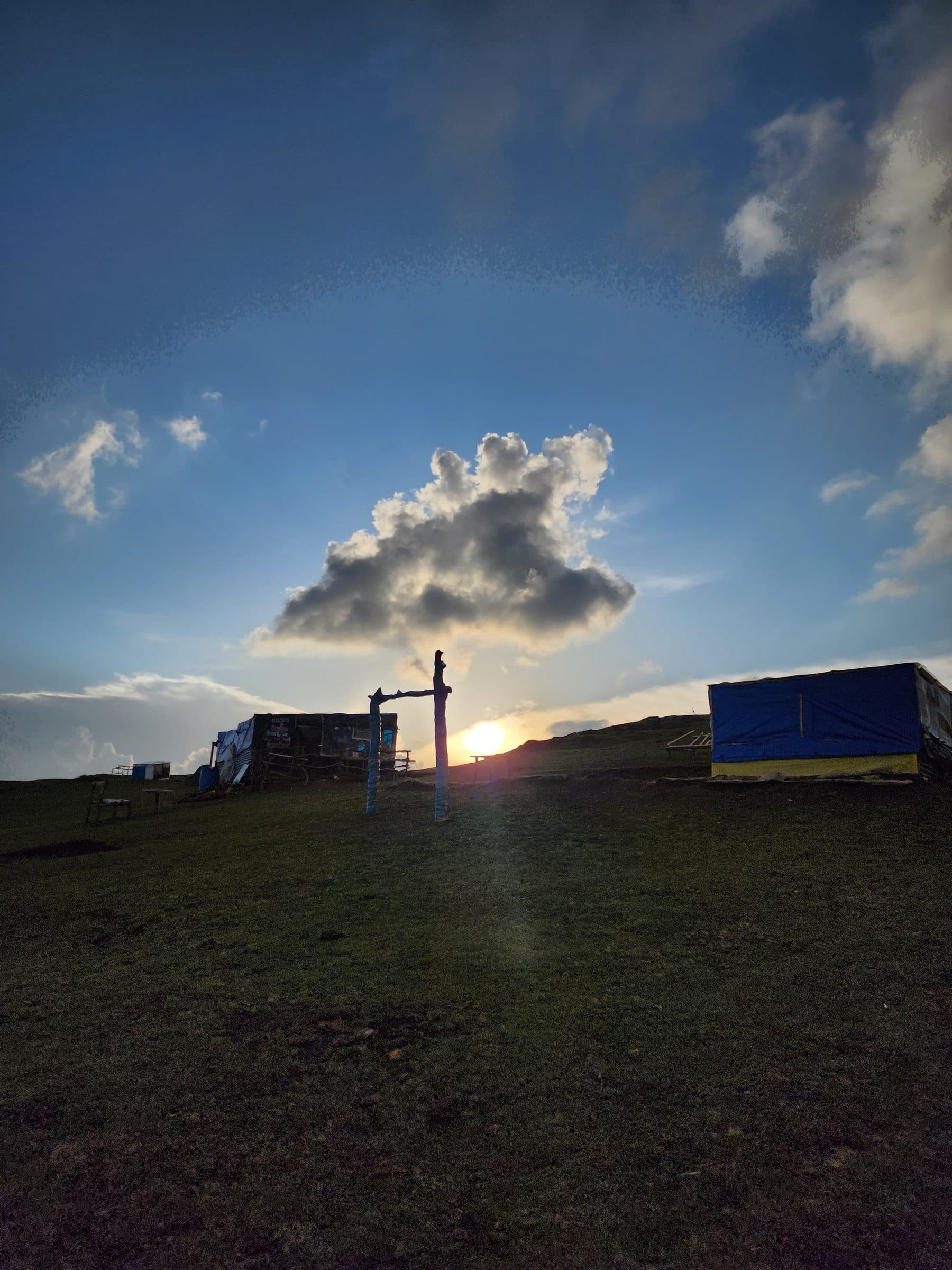
Wide view of green grass and blue sky with dramatic clouds in the Jibhi Valley
Visit Chehni Kothi — a medieval marvel
Just 7 km from Bahu Village lies Chehni Kothi, a 9-storey stone and wood tower built 500–700 years ago. It’s one of the tallest traditional structures in Himachal Pradesh, showcasing earthquake-resistant Kullu-Kinnauri architecture with interlocking wooden beams. The 45-minute uphill trek from Chainsi Marg road-head rewards you with panoramic views over the valley. Learn about offbeat trekking trails in Jibhi Tirthan Valley
Walk to Jibhi Waterfall
A gentle 15-minute walk from the village center leads to the Jibhi Waterfall, a year-round cascade that roars loudest during monsoon (July–September). It’s a favorite local picnic spot—pack a picnic, wade in the cool pool in summer, and return before dusk. The path is well-marked and family-friendly.
Taste local faith at Shringa Rishi Temple
A 2 km spiritual stroll from Bahu Village brings you to the Shringa Rishi Temple, a wooden pagoda-style shrine dedicated to the sage Shringa Rishi. The temple is active during local festivals, and its wooden carvings and valley views make it a quiet retreat. Don’t miss the annual Dussehra celebrations when the deity is carried in a doli.
Stay at family-run homestays
Most stays in Bahu Village and Jibhi are intimate, family-run wooden guesthouses offering home-cooked meals. Dining is often around a communal table with other guests—expect dishes like kachru, thukpa, and apricot jam on fresh bread. Some, like Ailyak Stays, offer yoga sessions by the river at sunrise.
Is Bahu Village in Jibhi safe to visit now? (as of April 25, 2026)
Yes — Bahu Village and Jibhi Valley are safe to visit today, April 25, 2026.
Road access: NH305 is open. From Manali, it’s a 4–5 hour drive via Aut Tunnel (145 km). From Delhi, it’s ~535 km (12–13 hours) via Chandigarh. Roads are clear, though landslides can occur after heavy rain—check local advisories before departure.
Mobile connectivity: BSNL has the most reliable signal in Jibhi and Bahu Village. Airtel works in most spots, while Jio is patchy. Expect no signal in dense forest areas like Serolsar Lake trail.
Electricity: Common in monsoon months. Most homestays have backup inverters; carry power banks for long treks.
Health & safety: Banjar (10 km away) has a government hospital and pharmacies. Carry basic medicines and a first-aid kit. Tap water isn’t potable—drink bottled or boiled water. Check real-time Jibhi weather today
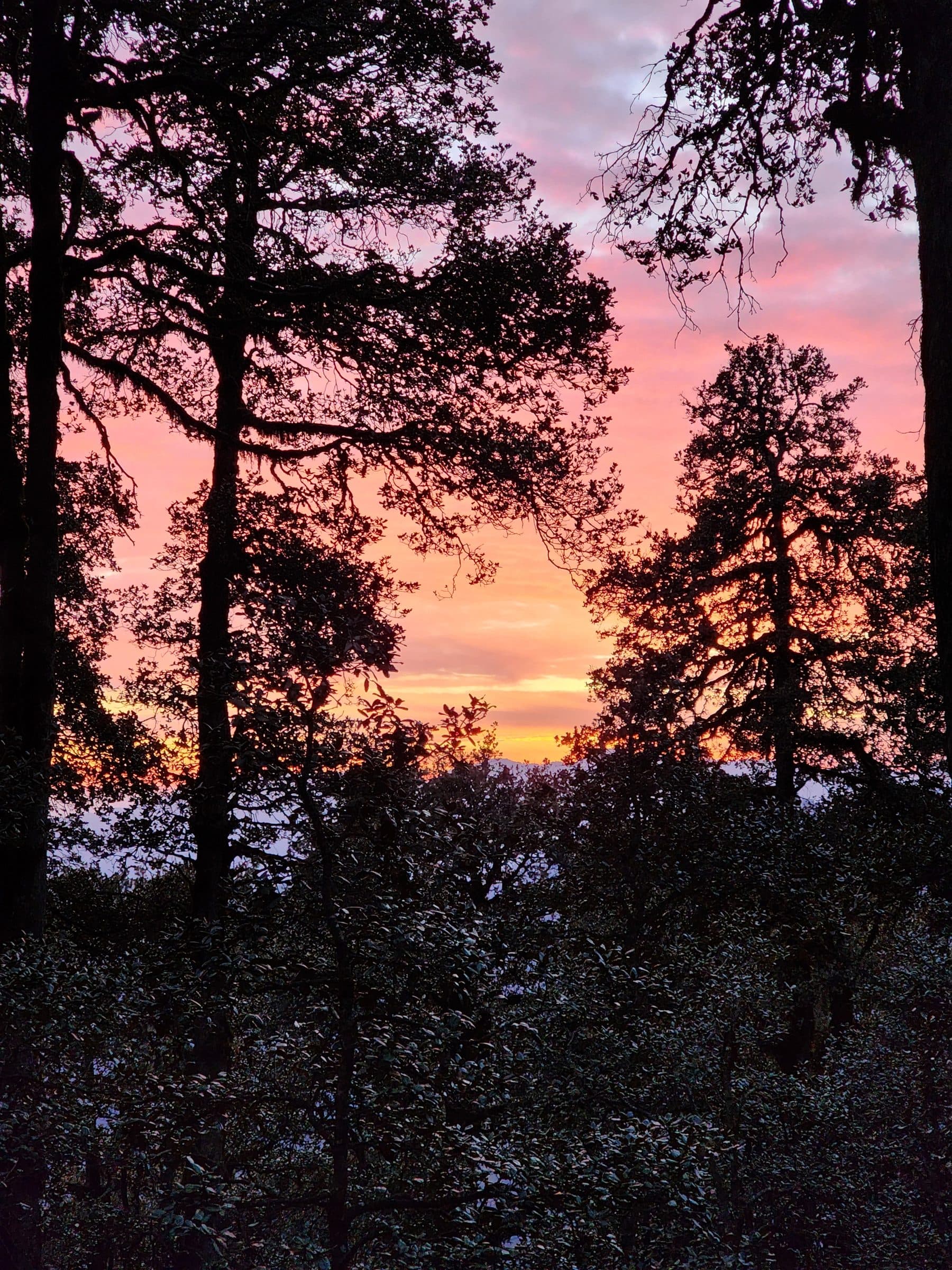
Tall pine trees silhouetted against a vibrant pink and orange sky in Jibhi
Which is better: Bahu Village in Jibhi or Kasol?
Bahu Village in Jibhi is the better choice if you seek peace, culture, and a slower pace. While Kasol is lively with cafes, Israeli food, and a backpacker buzz, Bahu Village and Jibhi offer:
Authentic Himalayan living — wooden homestays, apple orchards, and family-run cafes like Ailyak Cafe.
Less crowding — no traffic, no queues, just the sound of the Tirthan River.
Better for trekking — direct access to Jalori Pass, Serolsar Lake, and Chehni Kothi, with well-marked trails.
Rich local culture — festivals, temples, and traditions like the doli procession during Dussehra.
Kasol has its charm if you want nightlife and Instagram spots. But for depth, stillness, and a true mountain experience, Bahu Village in Jibhi is superior. Compare the quiet road to Kasol and Jibhi
Can we visit Bahu Village in Jibhi in January?
Yes — you can visit Bahu Village in January, but with caveats.
Weather: Expect heavy snowfall in the upper reaches (Jalori Pass will be closed). Bahu Village and Jibhi remain accessible, offering a snowy winter wonderland with crisp air and apple orchards dusted in white.
Roads: NH305 is open, but drive carefully—ice can form on shaded stretches.
Activities: Snow tourism replaces treks. Walk to Jibhi Waterfall for a frozen cascade, enjoy bonfire evenings at homestays, and sip hot chai while watching snowfall over the valley. See what happens when Jibhi snows
What to do in Bahu Village Himachal Pradesh
In Bahu Village, Himachal Pradesh, do these:
Start your day with riverfront yoga at Ailyak Cafe — the stillness here is unmatched.
Fish for trout in the Tirthan River — permits are easy to get, and locals help with gear.
Hike to Serolsar Lake — a sacred 5 km trek from Jalori Pass through bird-rich forests.
Marvel at Chehni Kothi — a 500-year-old stone tower with earthquake-resistant wooden beams.
Visit Shringa Rishi Temple — a wooden pagoda with rich carvings and valley views.
Stay at a family-run homestay — expect wooden beams, home-cooked Himachali meals, and stories by the fire.
Walk to Jibhi Waterfall — a 15-minute stroll from the village center, always flowing.
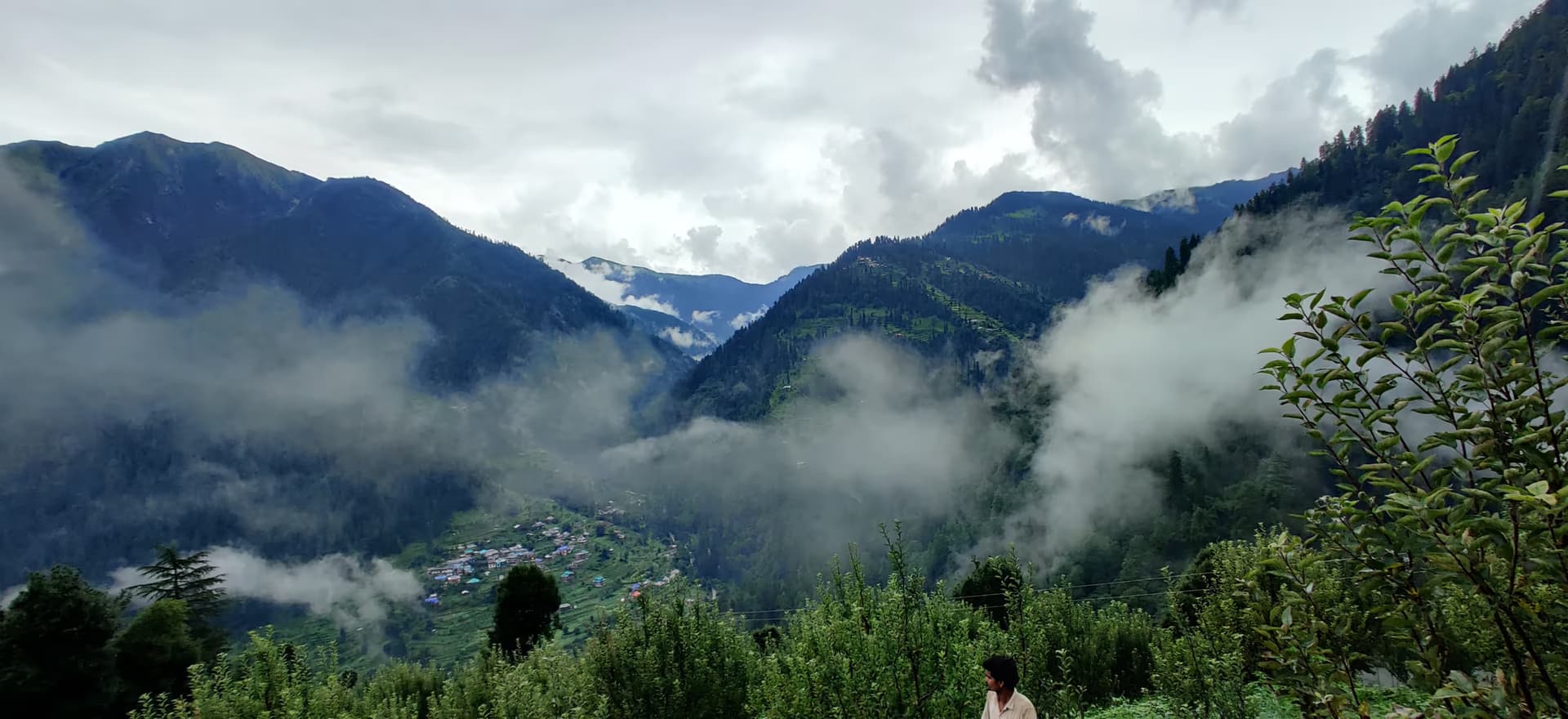
Layered mountain ranges covered in heavy fog and lush green forest
All facts about Bahu Village, Jibhi Valley, and nearby attractions are verified from ground sources and cross-checked with official tourism and government records. Key references include:
Himachal Pradesh Tourism Department
Great Himalayan National Park authorities
Fisheries Department, Larji and Banjar
Local village councils and homestay owners
Field visits and resident observations
We ensure accuracy as of April 25, 2026. For real-time updates, check local transport boards or Jibhi weather today before you travel.
Ready to unplug and arrive?
👉Explore stays and experiences: jibhi.in/partners