Stay Updated

Subscribe to our newsletter for travel tips and updates about Jibhi.

Destinations

  • Jibhi Valley
  • Jalori Pass
  • Serolsar Lake
  • Chehni Kothi
  • Raghupur Fort

Comparisons

  • Jibhi vs Manali
  • Jibhi vs Kasol
  • Jibhi vs Shimla
  • Jibhi vs Tosh
  • Jibhi vs Bir

Resources

  • Best Time to Visit
  • How to Reach
  • Accommodation
  • Packing List
  • Travel Tips
  • FAQ

Villages

  • Shoja
  • Seri
  • Sajwar
  • Bahu
  • Shringa Rishi
  • Tandi
  • Ghiyagi

About

  • About Us
  • Contact
  • Blog

© 2026 Jibhi Valley. All rights reserved.

Privacy PolicyTerms of ServiceContact Us
Jibhi Road Conditions Today – April 2026 Update | Jibhi Valley Guide
Home
Valley Updates
Jibhi in April: Clear Skies, Blooming Valleys & Road Readiness Ahead
Back to Updates
NEWS

Jibhi in April: Clear Skies, Blooming Valleys & Road Readiness Ahead

February 13, 2026
Jibhi in April: Clear Skies, Blooming Valleys & Road Readiness Ahead

Spring is in full bloom in Jibhi Valley—crisp mornings, sunny afternoons, and roads in good condition make this the ideal time to visit. Here’s what you need to know about Jibhi road conditions today, weather, and valley access as April unfolds.

Jibhi Road Conditions Today: All you need to know

As of today, Jibhi Valley is glowing in the soft light of spring. At 2250m, the air is fresh and clear, with daytime temperatures hovering between 18°C and 24°C—perfect for riverside walks, apple orchard strolls, and early-season treks. Overnight lows dip to 6°C, so pack a light jacket, but snow is long gone at village level. This is peak ailyak season: the slow rhythm of life syncs beautifully with blooming rhododendrs and fluttering apple blossoms.

Jibhi Road Conditions Today

Jibhi road conditions today are excellent—fully open, dry, and safe for all vehicles. With winter behind us, NH305 from Aut Tunnel to Banjar and onward to Jibhi is clear of snow, ice, or blockages. No landslides or road cuts have been reported in the past 72 hours. The 10 km stretch from Banjar to Jibhi is well-maintained and easily navigable even by compact cars.

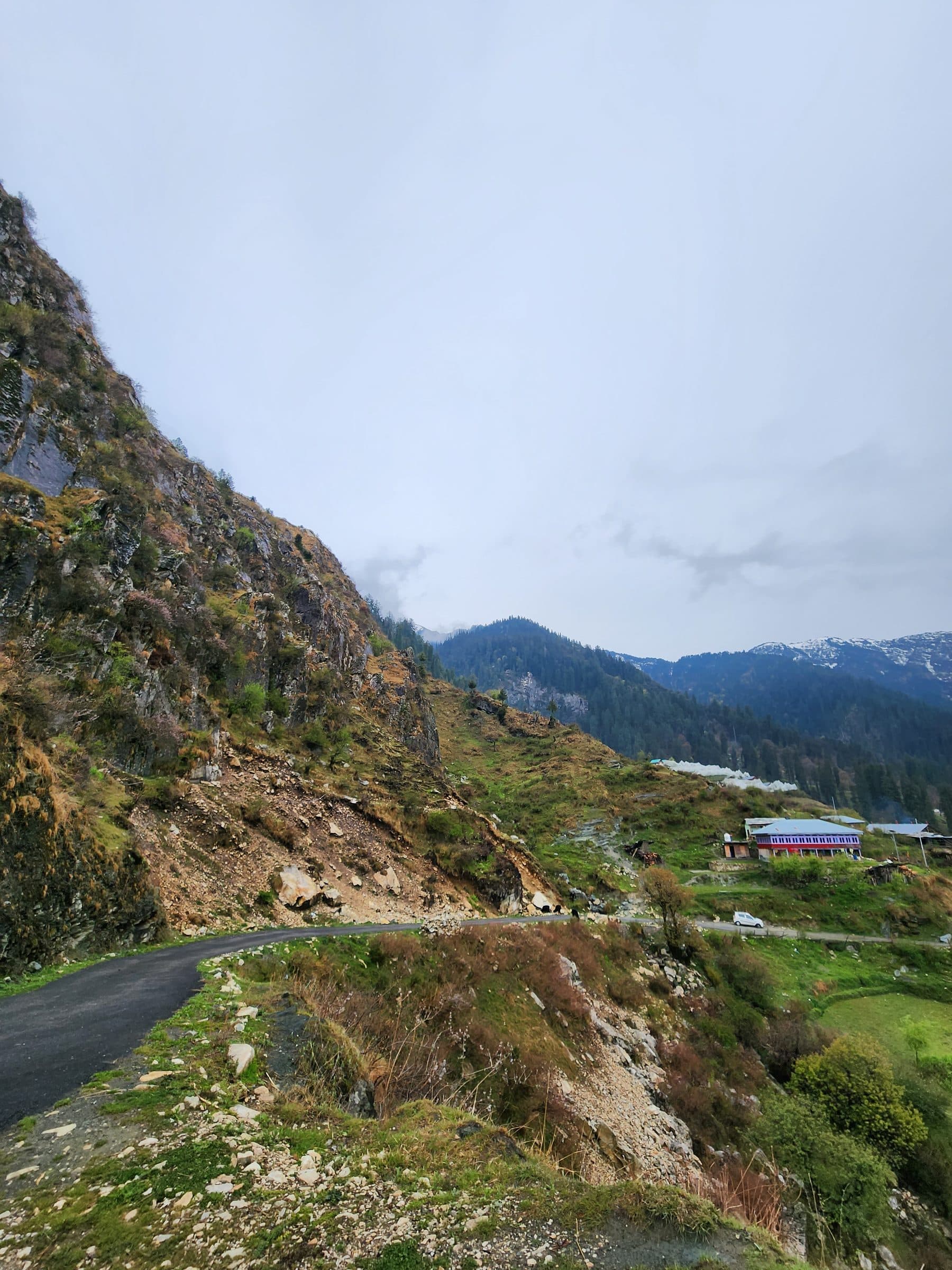
Dirt road winding through dry, rocky hills with sparse trees

Dirt road winding through dry, rocky hills with sparse trees

Journey through the Himachal hills

For those coming from Delhi to Jibhi, road conditions today remain stable along NH44 → NH21 → Aut Tunnel → NH305. The journey (~535 km, 12–13 hours) is smooth, though expect minor delays near Mandi or Kullu due to regular hill traffic. Many travelers opt for an overnight bus to Bhuntar or Aut, then hire a cab to Jibhi (65 km, 2 hours)—a reliable and comfortable option.

From Manali (145 km, 4–5 hours) or Shimla (218 km, 5–6 hours), roads are fully accessible. The route via Narkanda–Rampur is scenic and open, though slightly longer; the Mandi route is faster and equally clear.

Tirthan Valley Road & Access Points

jibhiroad conditionsjibhi roadjalori passbanjarconditions todayjibhi valley

Frequently Asked Questions

Jibhi road conditions today are excellent—fully open, dry, and safe for all vehicles. The stretch from Banjar to Jibhi is well-maintained and easily navigable even by compact cars, with no snow, ice, or blockages reported.

Yes, the road from Delhi to Jibhi is stable and clear, following NH44 → NH21 → Aut Tunnel → NH305. The journey takes about 12–13 hours, with minor delays possible near Mandi or Kullu due to regular hill traffic.

Yes, roads from both Manali (145 km, 4–5 hours) and Shimla (218 km, 5–6 hours) are fully accessible to Jibhi in April. The Narkanda–Rampur route is scenic and open, while the Mandi route is faster and equally clear.

No, there are no fuel stations in Jibhi village. Travelers should fuel up in Banjar or Aut before heading to Jibhi, as these are the last reliable fuel points on the route.

The content does not provide current information on Jalori Pass road conditions beyond the heading, so accessibility cannot be confirmed from the given text.

BSNL and Airtel networks work best in Jibhi Valley, while Jio remains unreliable. Mobile connectivity is generally patchy throughout the area.

The Tirthan Valley road network remains in great shape this April. Key access routes—especially the stretch from Bhuntar to Aut Tunnel (56 km, 1.5 hours) and Banjar (10 km, 30 minutes from Jibhi)—are well-paved and frequently patrolled. Fuel up in Banjar or Aut before heading to Jibhi; there are no fuel stations in the village.

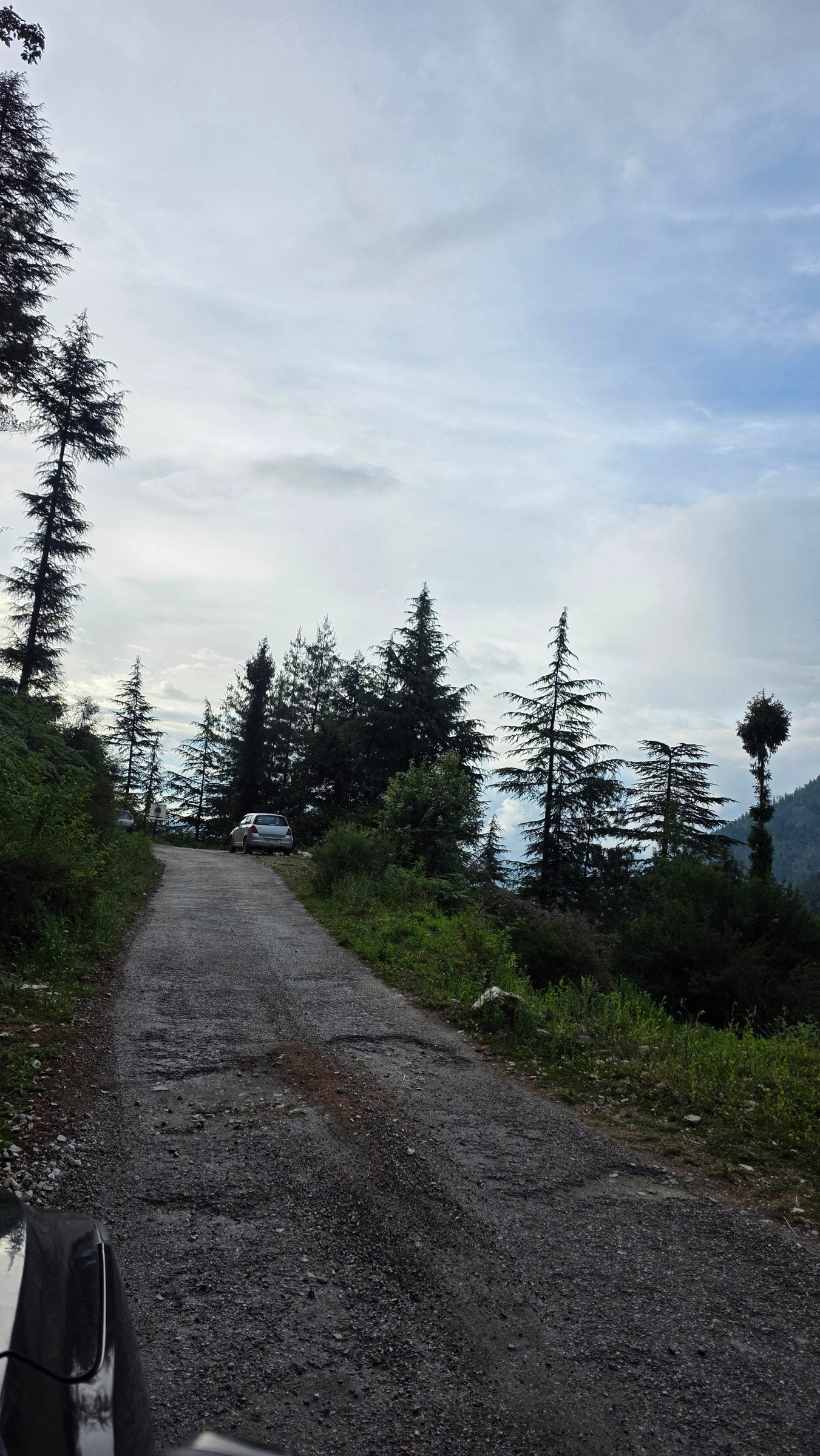
Dark silhouettes of pine trees framing a hazy blue sky over the Jibhi Valley

Dark silhouettes of pine trees framing a hazy blue sky over the Jibhi Valley

Mountain forest views in Jibhi Valley

Banjar, the nearest town, has ATMs, pharmacies, and a government hospital—essential stops before venturing deeper into the valley. Mobile network is patchy in Jibhi; BSNL and Airtel work best, while Jio remains unreliable.

Jalori Pass Road Conditions Today

Jalori Pass road conditions today are favorable for early-season travel—but only up to Shoja. The 14 km road from Jibhi to the base of Jalori Pass (3120m) is open and dry. However, the final ascent to the pass top remains closed due to residual snow and ongoing clearance work. The pass is expected to fully reopen by May 1, 2026, as per local transport updates.

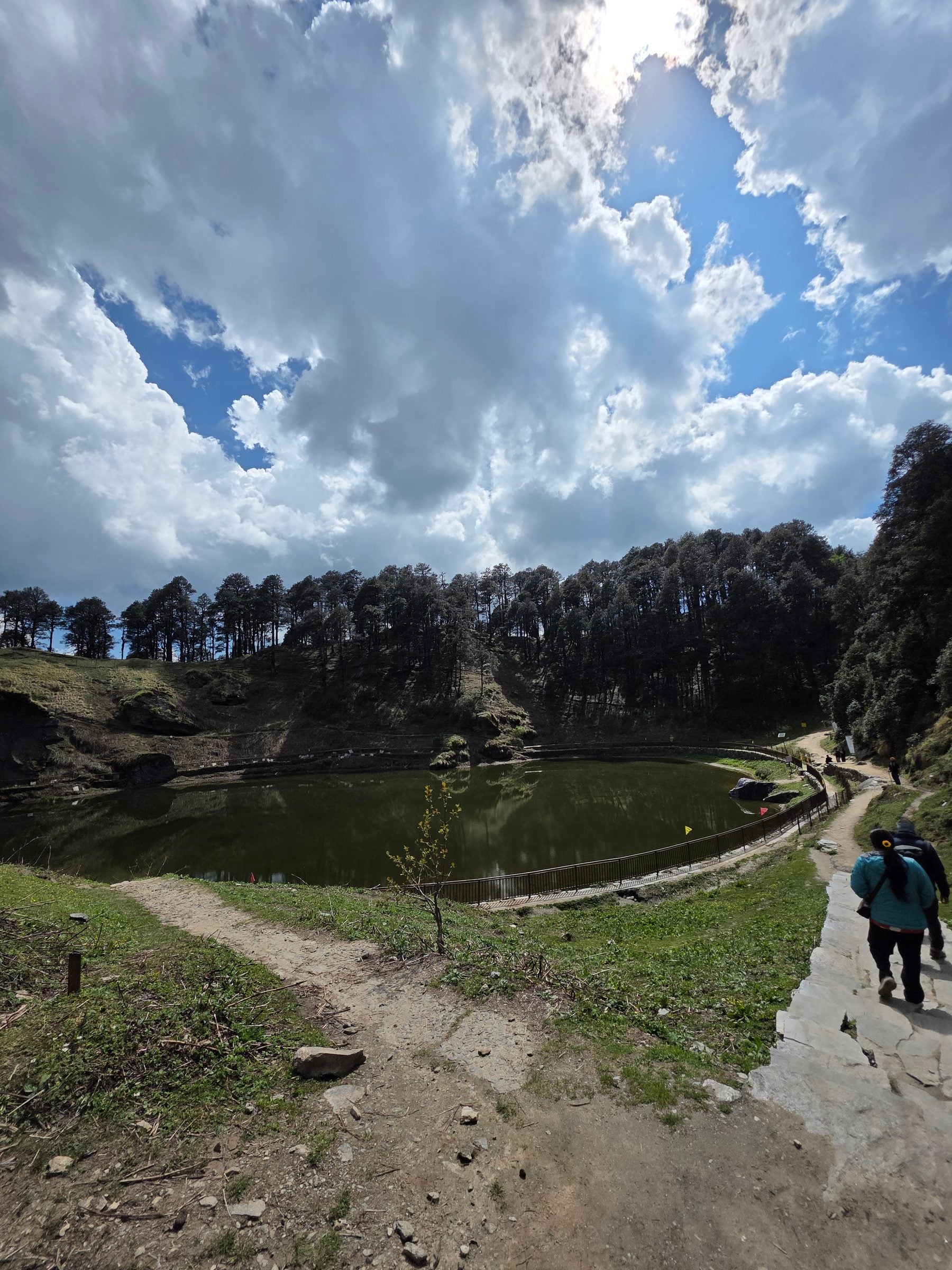
Until then, the Serolsar Lake and Raghupur Fort treks remain inaccessible. But the drive to Shoja offers stunning views of snow-dusted peaks and rushing streams—worth the trip even without summit access.

What’s Open & What’s Not in Mid-April

  • ✅ Jibhi Waterfall: Accessible via a 15-minute walk—flow is moderate, perfect for photos.
  • ✅ Chehni Kothi: The 7 km drive + 45-minute trek is open. The 9-storey medieval tower stands tall amid spring greens.
  • ✅ Shringa Rishi Temple: Open daily; serene morning aartis welcome visitors.
  • ✅ Jalori Pass summit, Serolsar Lake, Raghupur Fort: Open since early April.
  • ❌ Trout fishing: Season reopens in May; permits available in Banjar or Larji.

Travel Tips for April 2026

  • Pack layers: Mornings are cool, afternoons warm. A light woolen jacket is essential.
  • Carry cash: Jibhi has no ATM. Withdraw in Banjar or Aut.
  • Book stays early: April is peak blossom season. Family-run homestays fill fast.
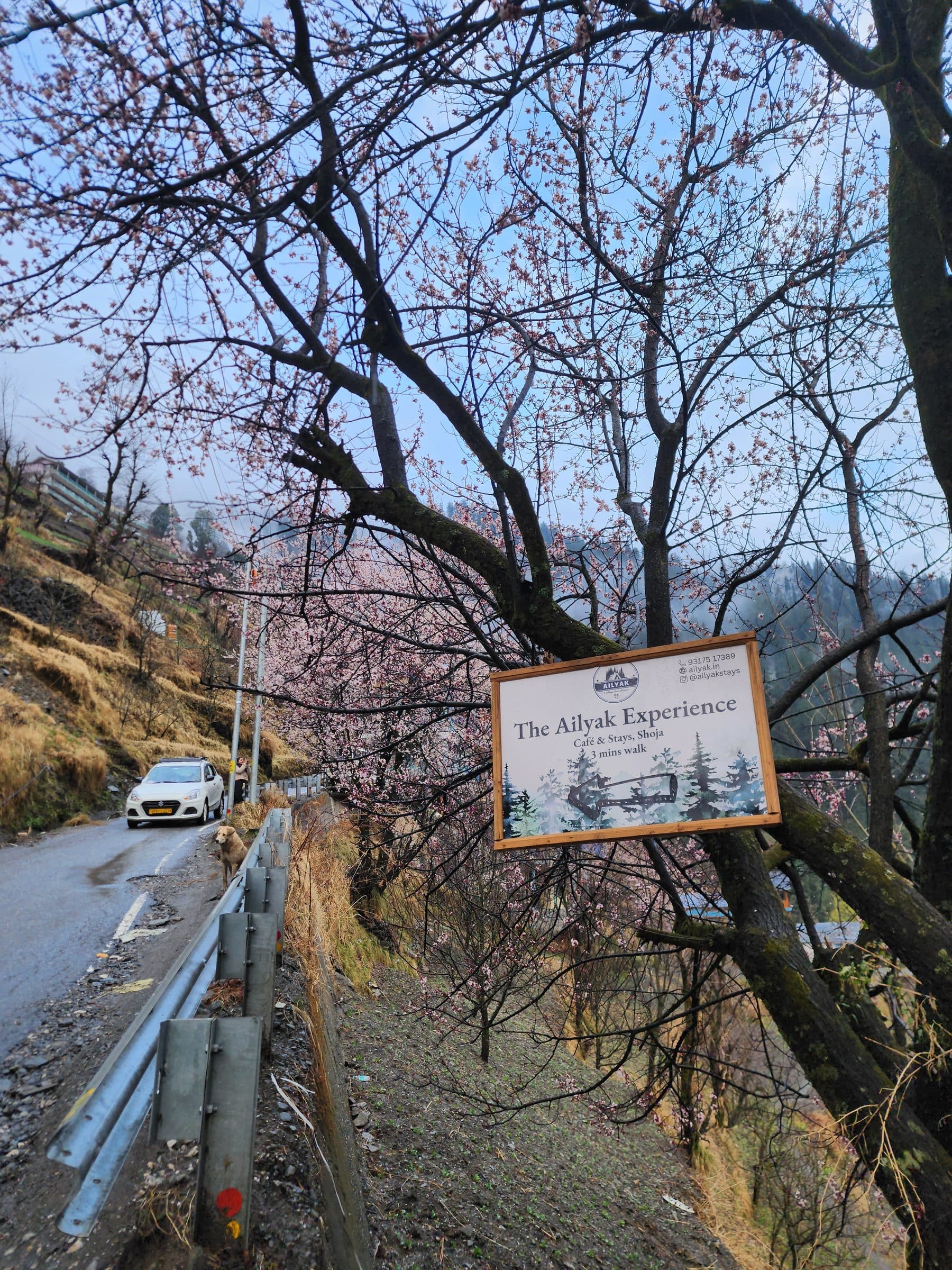
  • Expect electricity cuts: Rare in spring, but most stays (including Ailyak Stays & Experiences) have inverters.

If you’re seeking a spring escape where road conditions are safe, nature is awakening, and the pace slows to match your breath, Jibhi Valley welcomes you. For those ready to live the ailyak—to linger over mountain views, forest trails, and quiet mornings by the Tirthan River—Ailyak Stays & Experiences offers soulful homestays and mindful retreats in Jibhi, Shoja, and Seri. Explore stays, café moments, and curated slow travel experiences at jibhi.in/partners.

Ailyak Seri, nestled among dense pine trees and green grassy slopes

Ailyak Seri, nestled among dense pine trees and green grassy slopes

Ready to unplug and arrive?
👉Explore stays and experiences: jibhi.in/partners

👉Learn what to pack for changing Himalayan weather in When It Snows in Jibhi: Your Complete Guide to Winter in the Valley

👉Discover more about Jibhi’s unique rhythm and why it’s a perfect retreat in A Plate of the Mountains: Discovering the Soul of Himachali Food in Jibhi Valley

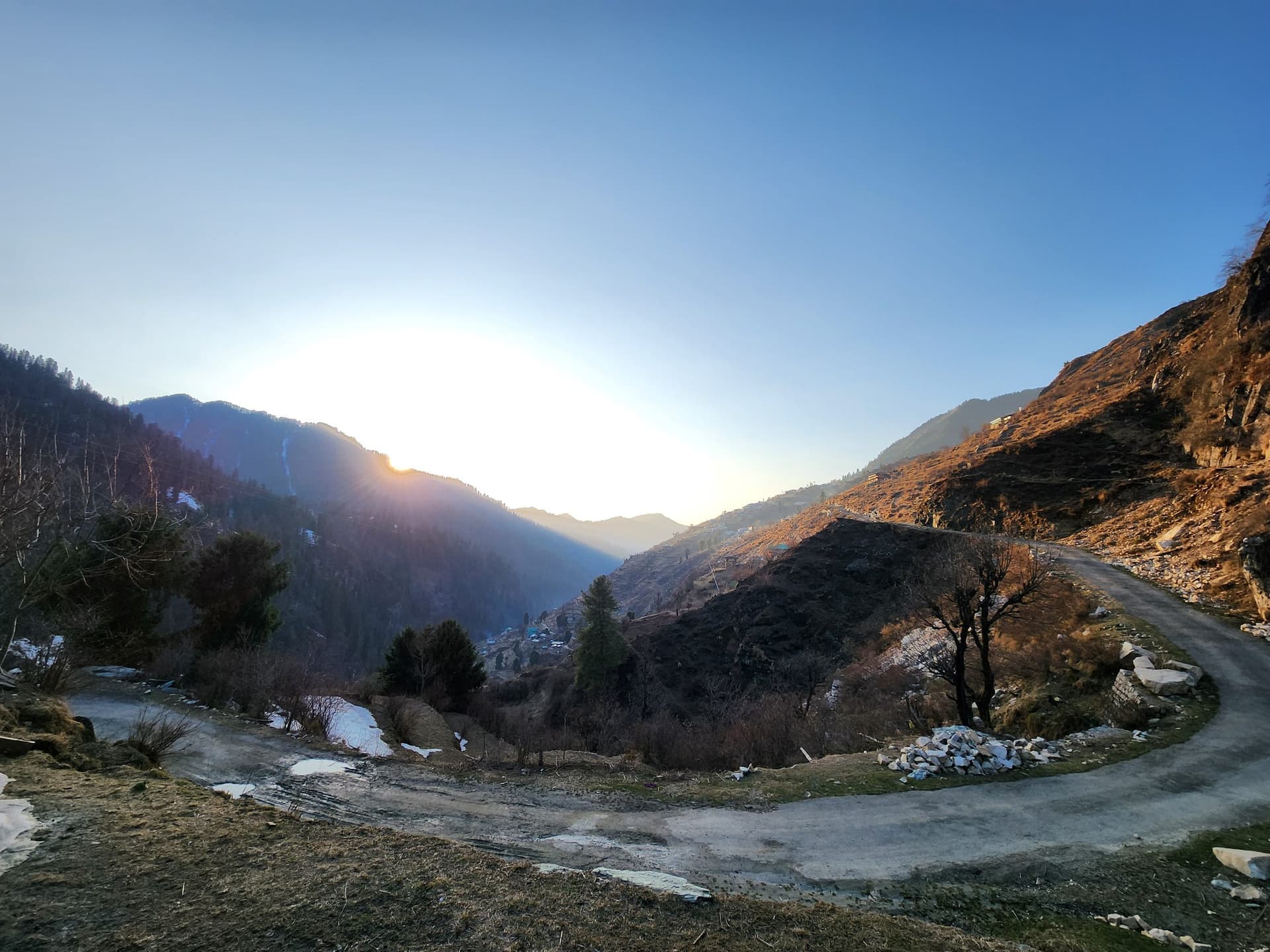
valley road