Shoja Trip Package: Plan Your April Escape to Shoja, HP | Jibhi Valley Guide
Shoja Travel Guide: Mountain Serenity, Snowfall & Hidden Cafés in April
Plan your shoja trip package in April—discover Shoja in spring, snowfall months, cafes, and unique cultural experiences. Ideal for Jibhi Shoja trips with Ailyak
Shoja, Himachal Pradesh: The Quiet Gateway to Jalori Pass
Nestled at 2700m in the Tirthan Valley of Kullu, Shoja village is a serene alpine retreat just 16 km from Jibhi. Often included in a Jibhi Shoja trip, this quiet hamlet serves as the last motorable base before Jalori Pass and offers breathtaking views of snow-clad peaks, deodar forests, and a slower, deeper rhythm of mountain life. Whether you're searching for a shoja trip package or simply wondering where is Shoja, this guide covers everything you need to know—especially if you're planning a visit this April.
Where is Shoja?
Shoja is a small mountain village located in the Banjar sub-division of Kullu District, Himachal Pradesh. It lies 16 km from Jibhi along NH305, en route to Jalori Pass. At an altitude of 2700m, it sits higher than Jibhi (2250m), offering crisper air and clearer Himalayan vistas. Shoja is best known as the starting point for the ascent to Jalori Pass (3120m) and as a peaceful alternative to busier hill stations. It’s a key part of any Jibhi and Shoja itinerary, especially for travelers seeking quiet, nature, and cultural depth.
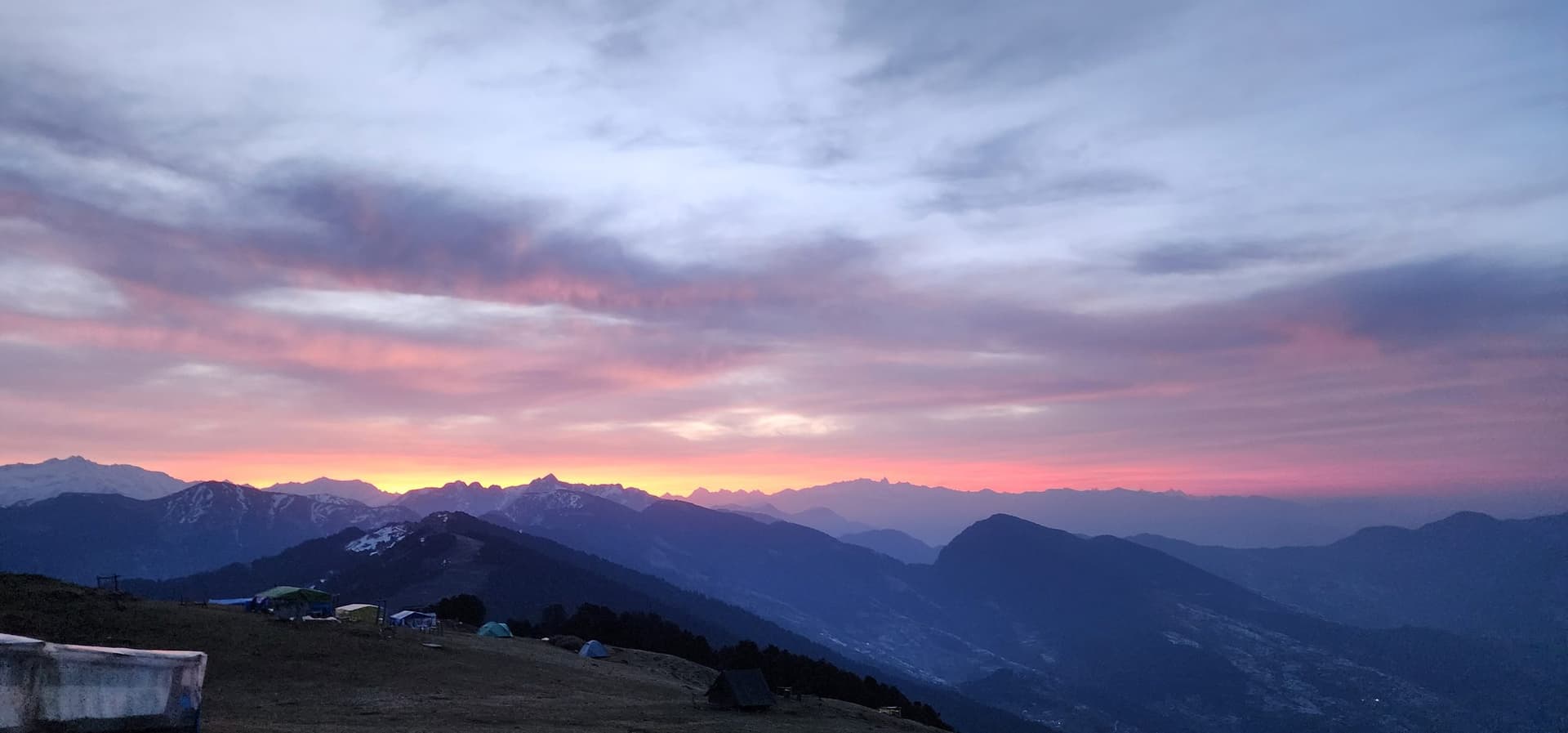
Vast mountain range landscape with pink and purple hues during sunrise or sunset
Shoja in April: Weather, Beauty & What to Expect
April is one of the most magical times to visit Shoja. As spring unfolds across the Tirthan Valley, Shoja in April offers mild days (10–18°C), clear skies, and blooming wildflowers. Apple orchards in nearby Jibhi are in full blossom, and the higher trails are shedding their last snow. While it is not snowing in Shoja during April, you’ll still see snow-dusted peaks framing the valley—especially in the early mornings.
This is the perfect time for:
Gentle walks through pine and oak forests
Photography of misty valleys and sun-dappled ridgelines
Frequently Asked Questions
Shoja is a small mountain village in the Banjar sub-division of Kullu District, Himachal Pradesh, situated 16 km from Jibhi along NH305 and serves as the last motorable point before Jalori Pass.
April is one of the best times to visit Shoja, offering mild weather (10–18°C), clear skies, blooming wildflowers, and scenic views of snow-dotted peaks, making it ideal for nature walks and photography.
No, it is not snowing in Shoja during April; however, you may still see snow-dusted peaks around the valley, especially in the early mornings, while the village itself remains accessible.
Shoja experiences heavy snowfall from December to February, with snow sometimes starting in late November and lingering into early March at its altitude of 2700 meters.
Yes, Shoja is commonly included in Jibhi trip packages, as it is just 16 km from Jibhi and forms a key part of the Jibhi and Shoja itinerary for travelers seeking serenity and access to Jalori Pass.
In April, you can enjoy gentle forest walks through pine and oak woods, capture stunning photos of misty valleys and sunlit ridgelines, and prepare for a future trek to Jalori Pass, whose road typically opens by mid-May.
Planning your ascent to Jalori Pass (road typically opens by mid-May)
If you’re looking for a Jibhi Shoja package in spring, April delivers the ideal balance of accessibility and alpine beauty.
Current weather in Shoja — your real-time snapshot
Shoja Weather Today in the Valley (as of 8 PM, April 15, 2026):
That means no weather delays, no road closures, and no need to adjust your plans. Whether you're here for trout fishing permits, a walk to Shringa Rishi Temple, or just to sit still in the valley’s famous Ailyak rhythm, today is a calm day to arrive or explore.
Current weather at Jalori Pass — gateway to Serolsar Lake and Raghupur Fort
Jalori Pass sits at 3,120 m / 10,236 ft, and today it’s 15 °C–20 °C during the day and 5 °C–8 °C at night. The road is open, the tea stalls are ready, and the deodar-oak forests are lush and alive with bird calls. Winds are manageable (5–23 mph), and there’s no snow blocking the pass—perfect timing if you’re heading there tomorrow for the Serolsar Lake trek (5 km, 2 hours) or the Raghupur Fort ridge walk (5 km, 2–2.5 hours).
If you’re planning a sunrise visit, pack a warm layer—it’s chilly at the top, but the views of the Dhauladhar and Kinnaur peaks are worth every shiver.
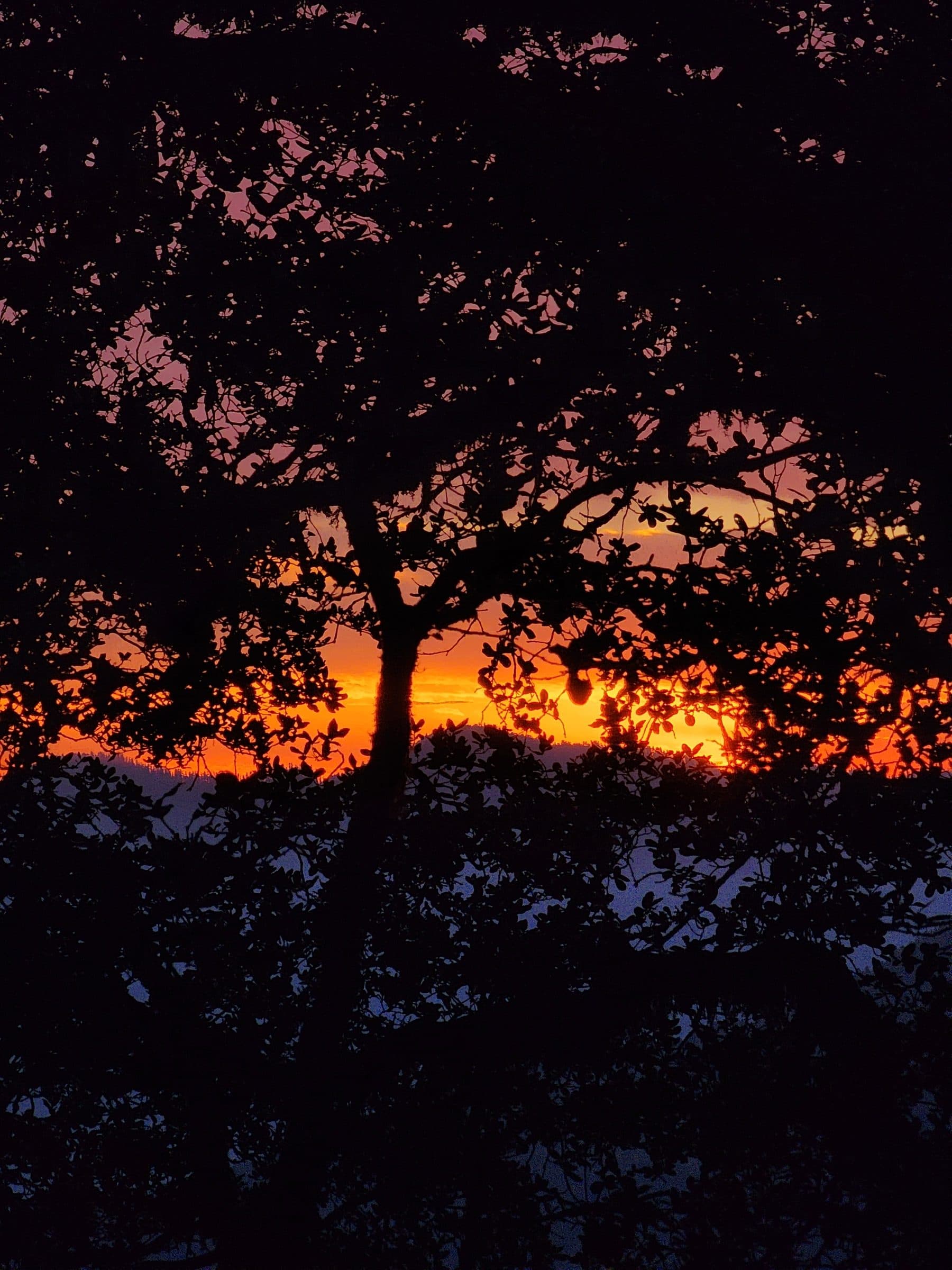
Silhouette of dense tree branches against a bright evening sky
Jibhi Shoja Trip: Why Combine Both?
A Jibhi Shoja trip offers the perfect blend of culture, nature, and adventure. Here’s why travelers are choosing this dual-destination experience:
Jibhi offers heritage wooden homestays, trout fishing, and the warm, unhurried local concept of ailyak
Shoja provides higher-altitude serenity, panoramic views, and direct access to Jalori Pass treks
Together, they form a quiet alternative to crowded hill stations like Manali
The 16-km drive from Jibhi to Shoja takes just 45 minutes and passes through dense forests and terraced fields. Many Jibhi Shoja trip packages include stays in both locations, allowing you to experience the valley’s full range—from river-level calm to mountain-top clarity.
Unique Shoja Cultural Experiences
Looking for authentic mountain life? Here are unique Shoja cultural experiences you won’t find in guidebooks:
Morning tea with local shepherds at base camps near Jalori road
Participate in spring seed sowing with village families (April–May)
Visit a traditional Kullu wood-carver in Shoja village
Evening storytelling around a bonfire, sharing folk tales of Budhi Nagin and Jalori’s warrior past
These moments are often woven into curated Jibhi Shoja trip packages, especially those focused on slow travel and cultural immersion.
Cafes in Shoja: Simple, Scenic & Soulful
Himachali Siddu arranged on a wooden board
While Shoja is quiet, it does have a few charming spots to pause and sip something warm. The best cafes in Shoja are small, family-run, and built from local wood and stone. Most serve:
Freshly brewed kahwa and mountain chai
Buckwheat pancakes and homemade jams
Simple dals and seasonal vegetables
For a more curated café experience, many travelers visit the Ailyak Café in Jibhi, just 16 km away. Nestled in a heritage wooden homestay, it embodies the ailyak philosophy—serving nourishing, slow-cooked meals in a tranquil setting surrounded by apple orchards and river sounds. It’s a favourite among remote workers and couples on a Jibhi Shoja package seeking comfort without compromise.
When Will It Snow in Shoja?
Travelers often ask: When will it snow in Shoja? and Is it snowing in Shoja? The answer depends on the season.
Shoja sees heavy snowfall from December to February, with accumulations often blocking the road to Jalori Pass. Snow typically begins in late November and can linger into early March at this altitude (2700m).
By April, snowfall is extremely rare in Shoja village itself. While higher reaches like Jalori Pass (3120m) may still hold snowpack, it is not snowing in Shoja during this month. If you're hoping to experience snow, plan your shoja trip package between mid-December and February—but expect colder conditions and limited road access.
For most visitors in April, the joy lies in witnessing the valley awaken from winter, not in snowfall.
Planning Your Shoja Trip Package
A well-designed shoja trip package should include:
Comfortable stay in Jibhi or Shoja (preferably family-run)
Local transport for Jalori Pass exploration
Permits for trout fishing (if interested)
Guided walks or cultural interactions
For travelers seeking stays that blend authenticity with comfort, Ailyak Stays & Experiences offers curated homestays in Jibhi, Shoja, and Seri—each designed around the ailyak way of life. From private wooden cottages to shared dorms ideal for solo travelers, their network supports slow immersion in mountain culture.
Their Jibhi Shoja trip packages often include:
Forest bathing and guided river walks
Riverside picnics with local cuisine
Cold water dipping in the Tirthan
Creative workshops with Himalayan artists
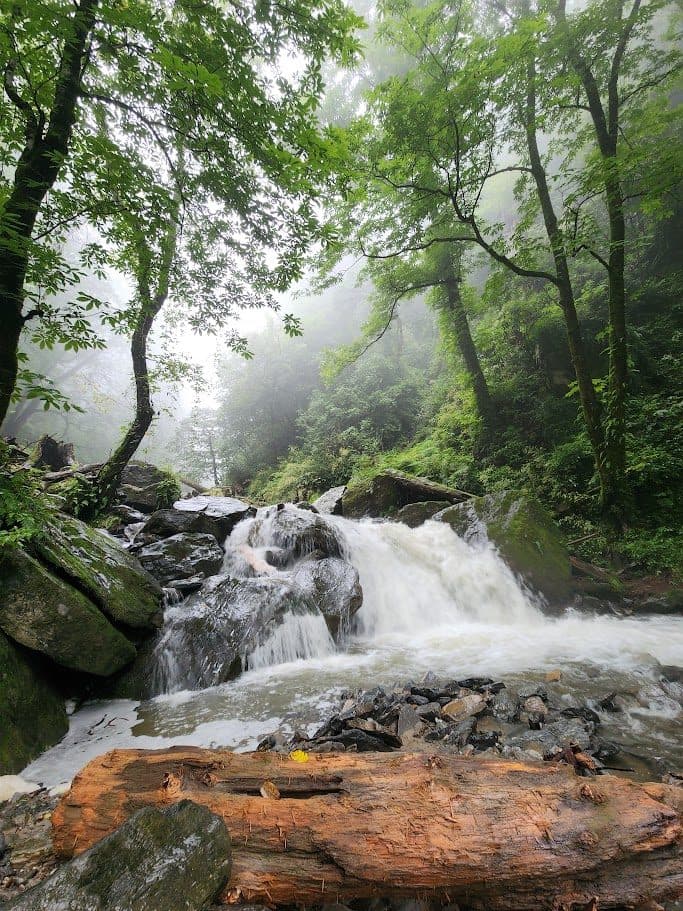
A flowing stream over rocks surrounded by dense green trees and heavy mist, near Ailyak Shoja.
Ready to unplug and arrive?
👉Explore stays and experiences: jibhi.in/partners