Shoja, Himachal: Guide to Village, Snow, & Jalori Pass Acces | Jibhi Valley Guide
Shoja, Himachal: The Quiet Gateway to Jalori Pass and Hidden Himalayan Magic
Shoja, Himachal: your guide to snowfall, travel tips, and hidden treks. Explore Shoja village, plan a Jibhi Shoja trip, and discover serene mountain living.
Shoja, Himachal Pradesh: A Slow Mountain Retreat Above Jibhi
Nestled at 2700 meters in the Tirthan Valley of Kullu, Shoja is a serene mountain village perched on the winding road between Jibhi and the legendary Jalori Pass. Often explored as part of a Jibhi Shoja journey, this quiet hamlet offers untouched views, crisp alpine air, and a rare chance to step off the grid—without sacrificing the soul of Himalayan hospitality.
Shoja sits just 16 km from Jibhi village, about a 45-minute drive along NH305 and the turnoff at Shoja junction. While smaller and quieter than Jibhi, it serves as the launchpad for high-altitude adventures and winter snowscapes, all wrapped in the local rhythm of "ailyak"—the unhurried way of mountain life.
Where is Shoja?
Shoja village is located in the Kullu District of Himachal Pradesh, along the Shoja-Jalori Pass road branching off NH305. It lies 16 km upstream from Jibhi and acts as the last motorable settlement before the ascent to Jalori Pass (312 km further).
Accessible via the Aut Tunnel from Mandi or Kullu, Shoja is a key stop on any Jibhi and Shoja road trip. Its high altitude makes it cooler than Jibhi, with panoramic views of snow-draped peaks and dense deodar forests. While less developed, it’s increasingly sought after by travelers looking for solitude and a deeper connection with the Himalayas.
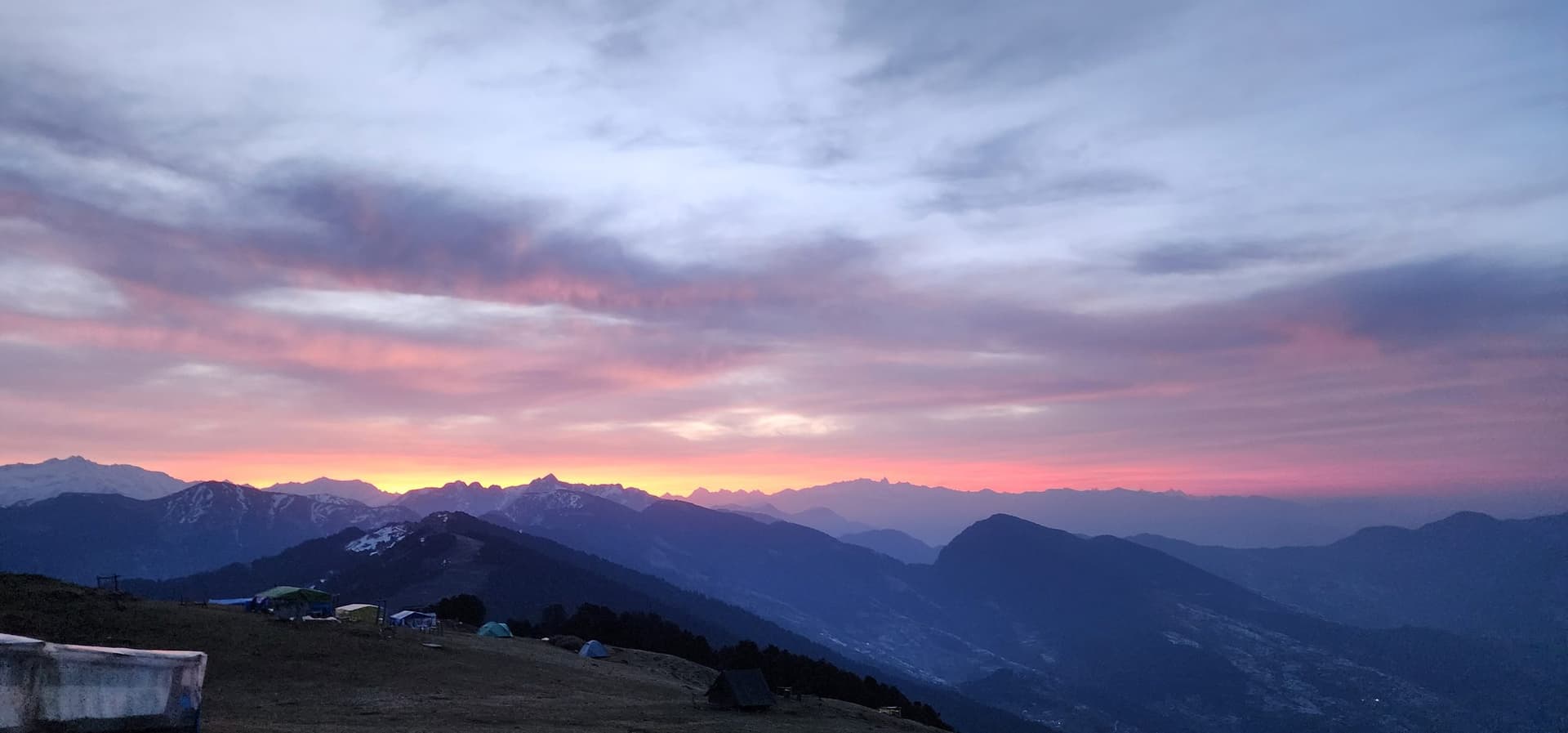
Vast mountain range landscape with pink and purple hues during sunrise or sunset
Current weather in Shoja — your real-time snapshot
Shoja Weather Today in the Valley (as of 8 PM, April 15, 2026):
A concise guide to reaching and exploring Shoja village for a peaceful mountain retreat.
Total Time: 1 hour
1
Reach Shoja via Jibhi
Travel 16 km from Jibhi village along NH305, taking the Shoja junction turnoff; expect a 45-minute drive through winding mountain roads.
2
Prepare for High Altitude
Pack warm clothing as Shoja sits at 2,700 meters—cooler than Jibhi—with temperatures dropping in the evening and possible snow at higher elevations.
3
Check Weather and Road Conditions
Verify clear skies and open routes, especially if continuing to Jalori Pass; use local weather data like temperature, visibility, and snowline to plan safely.
4
Use Shoja as a Base for Adventure
Explore nearby attractions such as Jalori Pass or enjoy serene walks in deodar forests, embracing the slow mountain lifestyle of 'ailyak'.
Frequently Asked Questions
Shoja is a village in the Kullu District of Himachal Pradesh, situated at 2700 meters in the Tirthan Valley. It lies 16 km upstream from Jibhi along the Shoja-Jalori Pass road branching off NH305.
Shoja is 16 km from Jibhi village, approximately a 45-minute drive via NH305 and the Shoja junction turnoff.
As of April 12, 2026, Shoja is not experiencing snowfall. The area is snow-free during April, with mild daytime temperatures and cold nights.
Shoja typically receives snowfall from December onwards, with peak accumulation in January and February. Snow begins melting in March and is usually gone by April.
The best time to visit Shoja for snow is between December and February when the village experiences consistent snowfall and turns into a quiet winter haven.
Shoja is quieter and less developed than Jibhi, offering a more secluded mountain experience with panoramic views, cooler temperatures, and access to high-altitude adventures like the trek to Jalori Pass.
Rain risk: 0 %
That means no weather delays, no road closures, and no need to adjust your plans. Whether you're here for trout fishing permits, a walk to Shringa Rishi Temple, or just to sit still in the valley’s famous Ailyak rhythm, today is a calm day to arrive or explore.
Current weather at Jalori Pass — gateway to Serolsar Lake and Raghupur Fort
Jalori Pass sits at 3,120 m / 10,236 ft, and today it’s 15 °C–20 °C during the day and 5 °C–8 °C at night. The road is open, the tea stalls are ready, and the deodar-oak forests are lush and alive with bird calls. Winds are manageable (5–23 mph), and there’s no snow blocking the pass—perfect timing if you’re heading there tomorrow for the Serolsar Lake trek (5 km, 2 hours) or the Raghupur Fort ridge walk (5 km, 2–2.5 hours).
If you’re planning a sunrise visit, pack a warm layer—it’s chilly at the top, but the views of the Dhauladhar and Kinnaur peaks are worth every shiver.
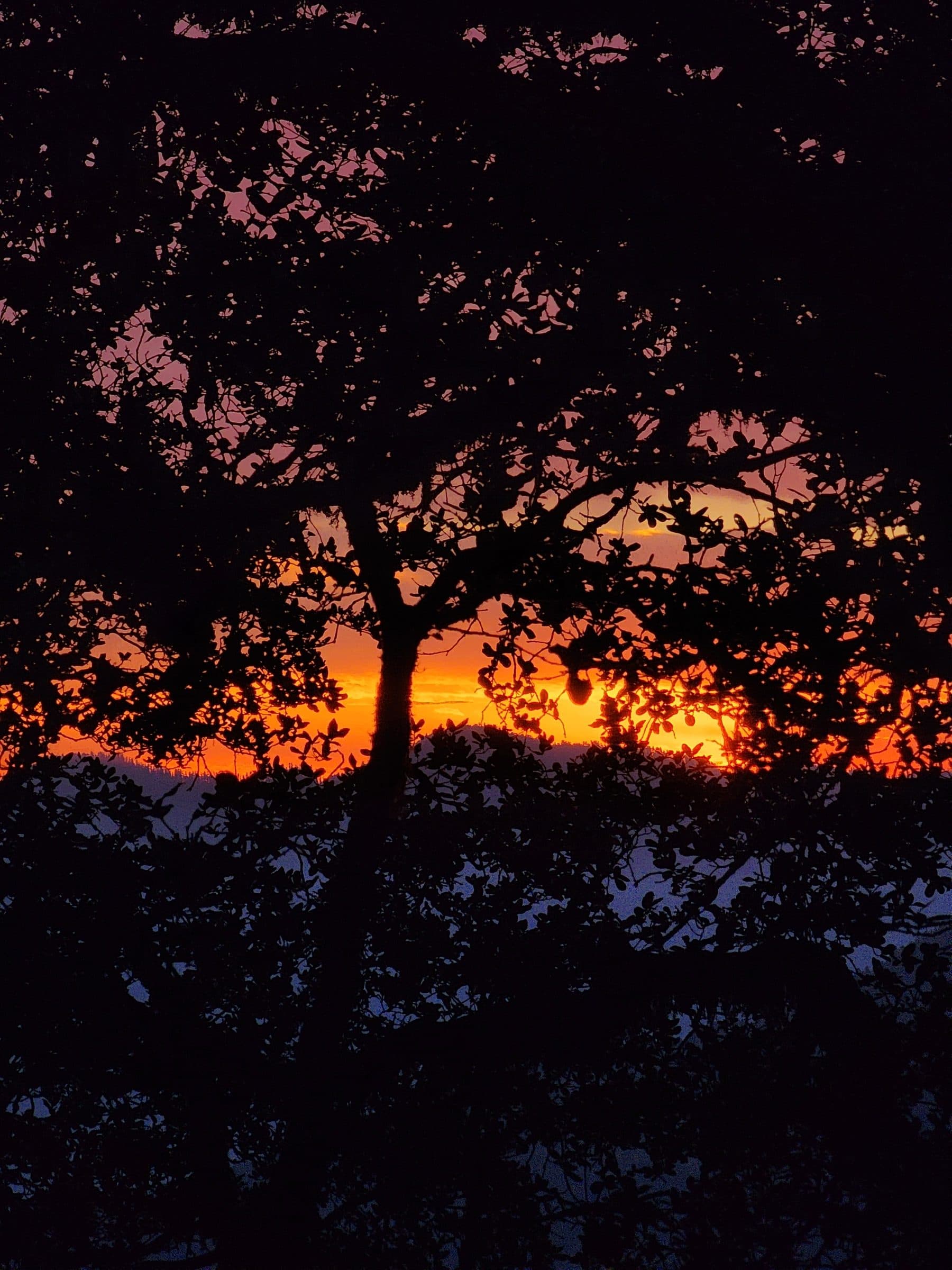
Silhouette of dense tree branches against a bright evening sky
Cafes in Shoja: Savoring Simplicity in the Hills
Unlike bustling hill towns, Shoja doesn’t have a café culture—yet. There are no cafes in Shoja in the traditional sense, just small dhabas serving hot maggi, chai, and simple meals.
But that’s part of its charm. Visitors seeking warmth and connection often head to Ailyak Café in Jibhi—just 16 km away—for nourishing meals in a mindful setting. Serving everything from masala oats to wood-fired pizzas, the café embodies “ailyak” in every bite: slow, seasonal, and soulful.
For those dreaming of the best cafes in Shoja, the future is bright. As slow travel grows, so will spaces that honor the mountain rhythm. Until then, pack a thermos, find a sunlit rock, and let the silence feed you.
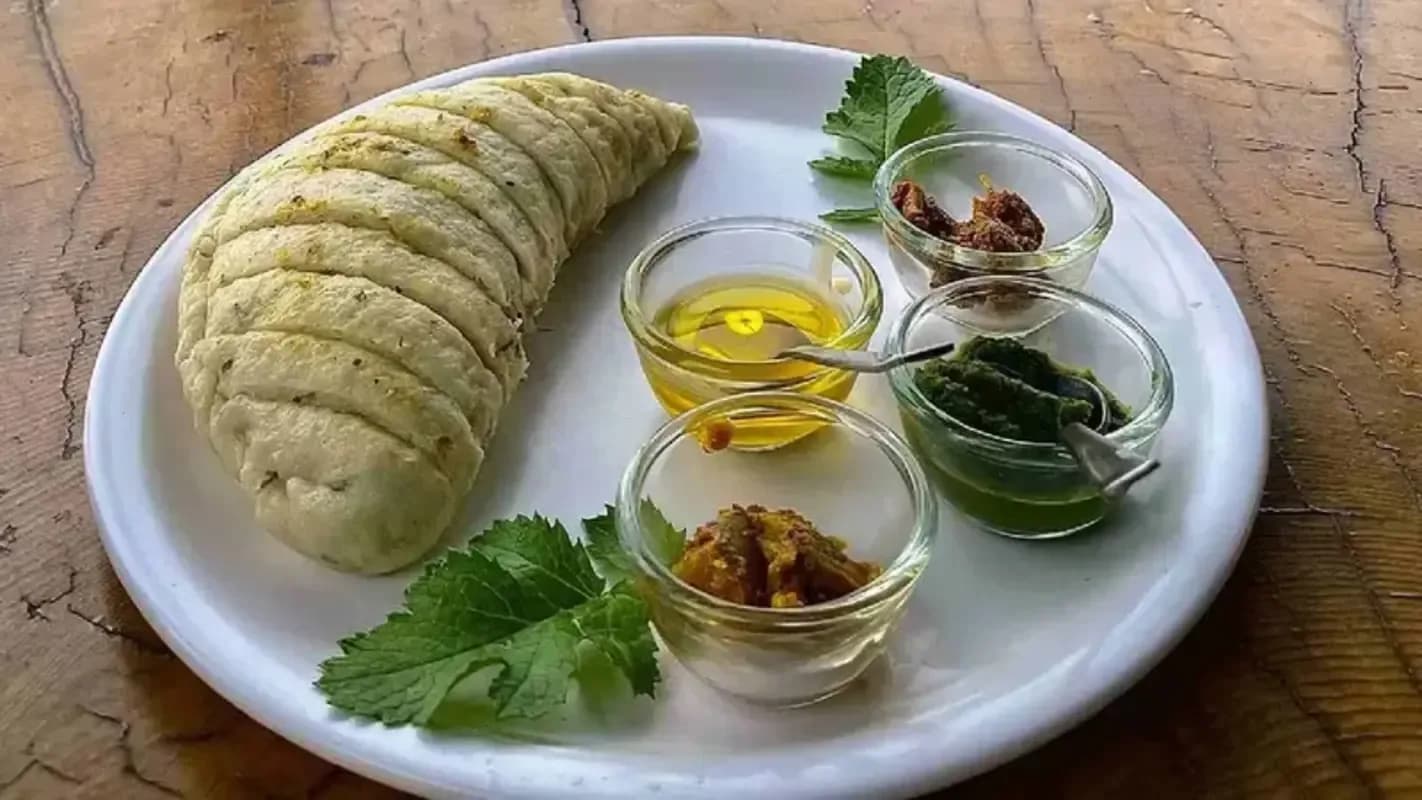
Flatbread, oil, spices, and herbs arranged on a wooden board
List of Unique Shoja Cultural Experiences
While Shoja is small, it opens doors to profound Himalayan experiences:
Jalori Pass Sunrise Drive – Leave Shoja at dawn and watch the first light hit the Pir Panjal range from 3120m.
Forest Trek to Serolsar Lake – A sacred 5 km trail from Jalori Pass through deodar groves, home to the **Budhi Nagin deity.
Cold Water Dipping in Mountain Streams – A bracing ritual offered through Ailyak’s wellness experiences.
Guided River Walks – Learn about local flora, birdwatch (Himalayan Monal!), and river ecology.
Bonfire Evenings with Local Stories – Evenings at Ailyak Stays often end with songs, chai, and tales from the valley.
These are not just activities—they’re invitations to live like the mountains: calmly, clearly, completely.
When Will It Snow in Shoja? Is It Snowing in Shoja Right Now?
Shoja in April is transitioning out of winter. As of Sunday, 12 April 2026, Shoja is likely free of fresh snowfall. The last winter season ended in March, and while higher reaches like Jalori Pass may still hold patches of old snow, Shoja itself is snow-free and warming up.
Snow typically arrives in Shoja from December onwards, with peak accumulation in January and February. The village receives consistent snowfall during these months, transforming into a quiet winter haven—though roads may be slippery and some guesthouses close.
By March, melting begins, and by April, Shoja is fully thawed, with blooming rhododendrs and clear skies making it ideal for pre-monsoon treks and photography.
So—is it snowing in Shoja today? No. April brings mild days (10–18°C) and cold nights, perfect for woolens but not snow. If you’re chasing snow, plan for December to February.
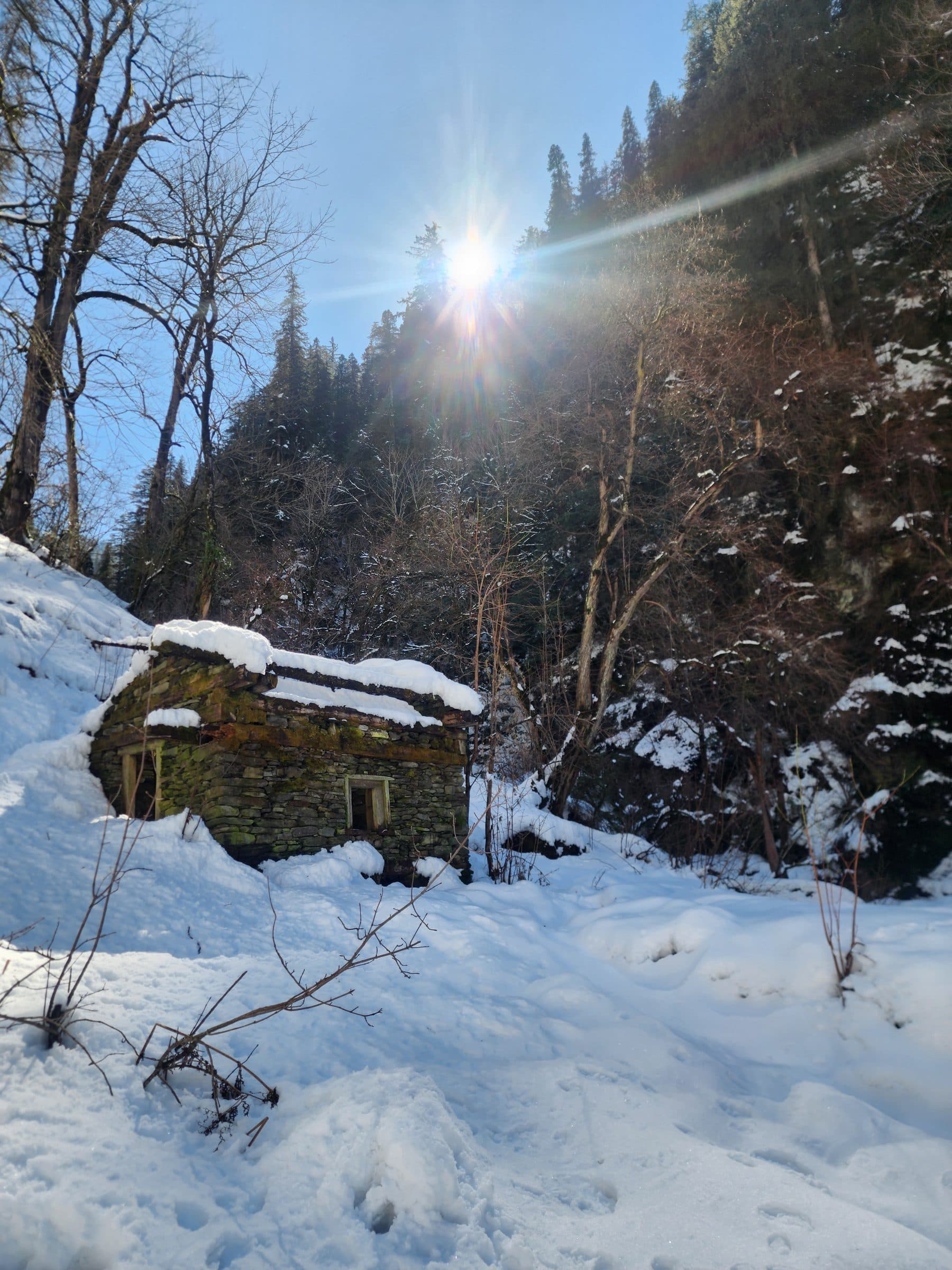
A rustic stone structure surrounded by bare trees in a snowy mountain landscape
Shoja Trip Package: Crafting Your Perfect Escape
Looking for a Shoja trip package or Jibhi Shoja package? While there are no standardized tour packages from major operators, the best way to experience Shoja is through curated slow travel stays—like those offered by Ailyak Stays & Experiences.
Since Shoja has only a few guesthouses, booking in advance is essential. Many travelers opt for a Jibhi Shoja trip package that includes:
Stay in heritage-style wooden homestays
Guided walks to Jalori Pass and Serolsar Lake
Riverside picnics and forest bathing
Cultural immersion in local Kullu traditions
Ailyak’s presence in Jibhi and Shoja ensures a seamless blend of comfort and authenticity, whether you're splitting time between Jibhi and Shoja or using Shoja as a base for high-altitude treks.
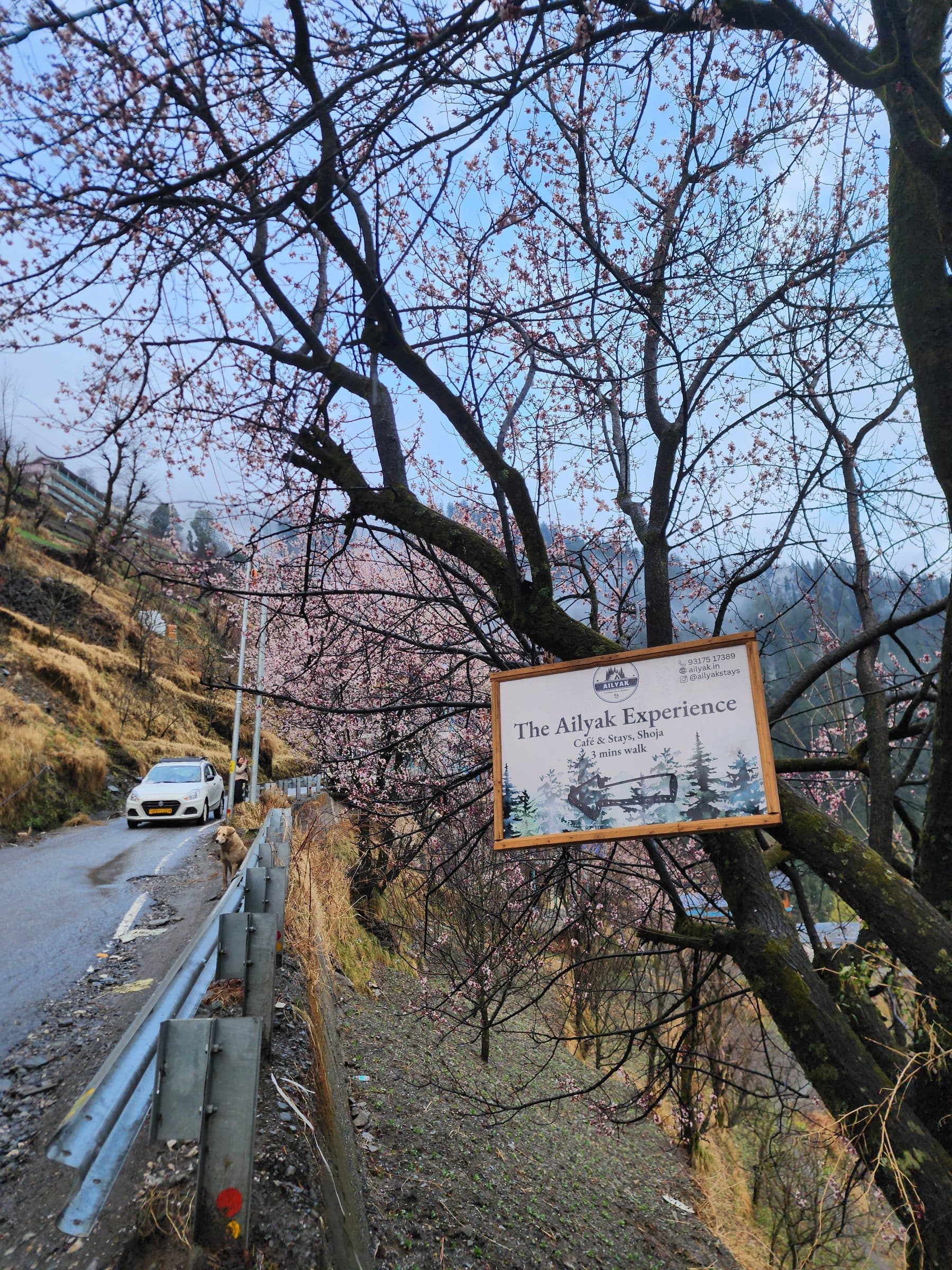
View of a road bordered by trees and a guardrail in the Jibhi Valley.
Ready to unplug and arrive?
👉Explore stays and experiences: jibhi.in/partners