Sajwar, Himachal Pradesh: A Hidden Gem in Jibhi Valley | Jibhi Valley Guide
Sajwar: The Hidden Hamlet Where Time Moves Slower in Jibhi Valley
Sajwar, Himachal Pradesh: a quiet village in Jibhi Valley where slow living meets mountain beauty. Discover stays, treks, and the art of *ailyak*.
Sajwar
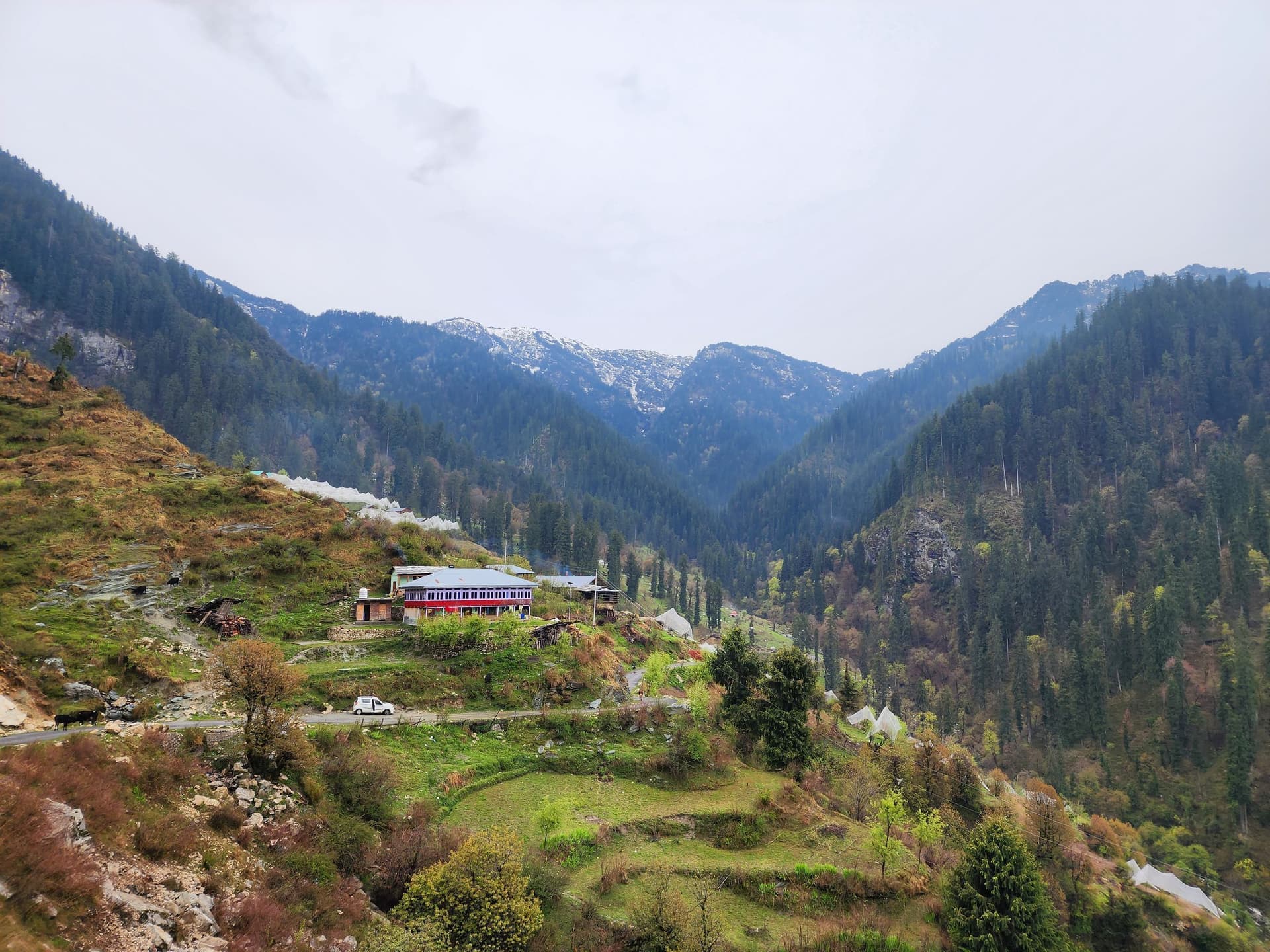
Sajwar is a quiet, unspoiled hamlet tucked into the Tirthan Valley, just 13 km from Jibhi village in Kullu District, Himachal Pradesh. At 2200 m, Sajwar sits along a forested ridge above the Tirthan River, offering panoramic views of oak and deodar forests, apple orchards, and distant Himalayan peaks. Known for its slow pace of life—Sajwar embodies the local spirit of Ailyak—it’s a place where travelers unwind, trek through alpine meadows, and stay in heritage wooden homestays. Whether you're seeking trout fishing, offbeat treks, or a peaceful retreat, Sajwar Valley is your gateway to the quieter side of the Kullu Valley.
With no ATMs, limited mobile connectivity, and only family-run guesthouses, Sajwar remains delightfully unplugged. It’s a perfect base for exploring Jalori Pass, Serolsar Lake, Chehni Kothi, and the buffer zone of the Great Himalayan National Park. Most visitors arrive by road from Jibhi, Banjar, or Aut, with Bhuntar Airport just 62 km away.
Rolling green hills and dense forests in a mountainous valley landscape
Where Is Sajwar Valley? Location & How to Reach
Sajwar is located in Kullu District, Himachal Pradesh, India, 3 km from Jibhi village along the Tirthan Valley. It sits at an altitude of 2200 m, surrounded by dense pine and cedar forests and terraced apple orchards. The valley is part of the Tirthan Valley ecosystem and lies in the buffer zone of the Great Himalayan National Park (UNESCO World Heritage Site), making it a biodiversity hotspot and a haven for nature lovers.
To reach Sajwar from major cities:
Delhi to Sajwar: ~538 km | 12–13 hours via NH44 to Chandigarh → NH21 via Bilaspur, Sundernagar → Aut Tunnel → NH305 to Banjar → Jibhi → Sajwar (3 km uphill).
Manali to Sajwar: ~148 km | 4.5–5 hours via NH3 to Kullu → Aut Tunnel → NH305 to Banjar → Jibhi → Sajwar.
Shimla to Sajwar: ~221 km | 5.5–6 hours via NH5 to Narkanda → Rampur → Sainj Valley → Jibhi → Sajwar.
Frequently Asked Questions
Sajwar is a quiet, offbeat village that embodies the local philosophy of *ailyak* — living calmly and without rush. It offers a peaceful mountain experience with wooden homestays, untouched nature, and authentic village life away from crowds and commercialization.
Sajwar is 535 km from Delhi via NH44, Chandigarh, NH21, Aut Tunnel, NH305, Banjar, and Jibhi. The journey takes approximately 12–13 hours by road.
No, Sajwar is a separate village located near Jibhi in the Tirthan Valley. Though often grouped with Jibhi for navigation, it is a quieter, more secluded hamlet nestled deeper in the valley.
The nearest airport to Sajwar is Bhuntar, also known as Kullu-Manali Airport, which is 65 km away and about a 2-hour drive by road.
In Sajwar, travelers can expect a slow, mindful mountain lifestyle with birdsong at dawn, forest trails with no crowds, fresh local meals, and immersion in quiet village rhythms. It's ideal for those seeking authenticity over tourism spectacle.
Sajwar is approximately 145 km from Manali, with a travel time of 4–5 hours by road via NH3 south, Kullu, Aut Tunnel, and Banjar.
Bhuntar Airport to Sajwar: 62 km | 2 hours via Bhuntar → NH305 → Aut Tunnel → Banjar → Jibhi → Sajwar.
Nearest railhead: Jogindernagar (98 km, 3 hours).
Plan ahead: Sajwar has no ATMs. Withdraw cash in Banjar (10 km) or Aut (59 km) before arrival.
Best Time to Visit Sajwar Valley: Seasons & Weather in 2026
Sajwar is a year-round destination, but the ideal time depends on what you seek:
March–April: Apple blossom season — valleys burst into pink and white, temperatures are mild (10–18°C), and the air is crisp. Perfect for trekking and photography.
May–June: Pre-monsoon clarity — clear skies, comfortable 12–22°C, ideal for high-altitude treks like Jalori Pass and Serolsar Lake.
July–August: Monsoon — heavy rainfall, slippery trails, and road cuts on NH305. Avoid unless you love dramatic landscapes and fewer crowds.
September–October: Post-monsoon gold — valleys glow with autumn colors, visibility is excellent, and the air is cool and fresh. Optimal for trekking and cultural exploration.
November–February: Winter magic — Sajwar gets light snow, Jalori Pass is closed, but the village remains accessible. Ideal for snow walks, cozy homestays, and experiencing Ailyak in the cold.
📌 Tip: Carry waterproof gear in July–August and warm layers from November–February.
Things to Do in Sajwar Valley: Top Experiences
1. Trek to Serolsar Lake via Jalori Pass
A 19 km journey from Jibhi, this trek begins with a 14 km drive to Jalori Pass (3120 m), followed by a 5 km forest trek through dense deodar and oak to Serolsar Lake (3100 m). The lake is sacred to the Budhi Nagin deity, with a small temple on its banks. Spot Himalayan Monal, Koklass Pheasant, and Bar-tailed Treecreeper along the trail. The lake’s turquoise waters reflect the surrounding peaks, making it one of the most photogenic spots in Himachal.
📌 Best months: May–October | Difficulty: Easy to moderate | Total elevation gain: ~300 m
2. Walk to Chehni Kothi
Just 7 km from Jibhi (or a short walk from Sajwar), Chehni Kothi is a 9-storey medieval stone-and-wood tower—one of the tallest traditional structures in Himachal. Built 500–700 years ago by the Kothi dynasty, it showcases Kullu’s earthquake-resistant architecture. The 45-minute uphill trek from the roadhead is rewarding, offering sweeping views of the Tirthan Valley.
📌 Tip: Combine this with a visit to Shringa Rishi Temple nearby.
3. Explore Shringa Rishi Temple
Located 2 km from Jibhi, this ancient temple is dedicated to Sage Shringa and built in traditional Kullu wood-and-stone pagoda style. The deity is carried in a palanquin during local festivals, especially Dussehra. The temple offers serene views of the valley and is a spiritual oasis in the heart of the Himalayas.
4. Trout Fishing in the Tirthan River
The Tirthan River, flowing near Sajwar, is famous for brown and rainbow trout. Fishing is permitted only with a license from the Fisheries Department at Larji or Banjar. Many homestays offer guided fishing trips—ideal for families and anglers seeking a peaceful challenge.
📌 Permit required: Yes | Best months: April–June, September–November
5. Visit Ailyak Cafe & Stays
At the heart of the valley's charm is Ailyak Cafe, a cozy wooden café serving local Himachali cuisine and hand-roasted coffee. It’s a perfect spot to experience Ailyak—the local art of slowing down. Nearby, family-run homestays offer traditional wooden rooms with valley views, bonfires, and home-cooked meals. Staying here means living like a local—warm, unhurried, and rooted in tradition.
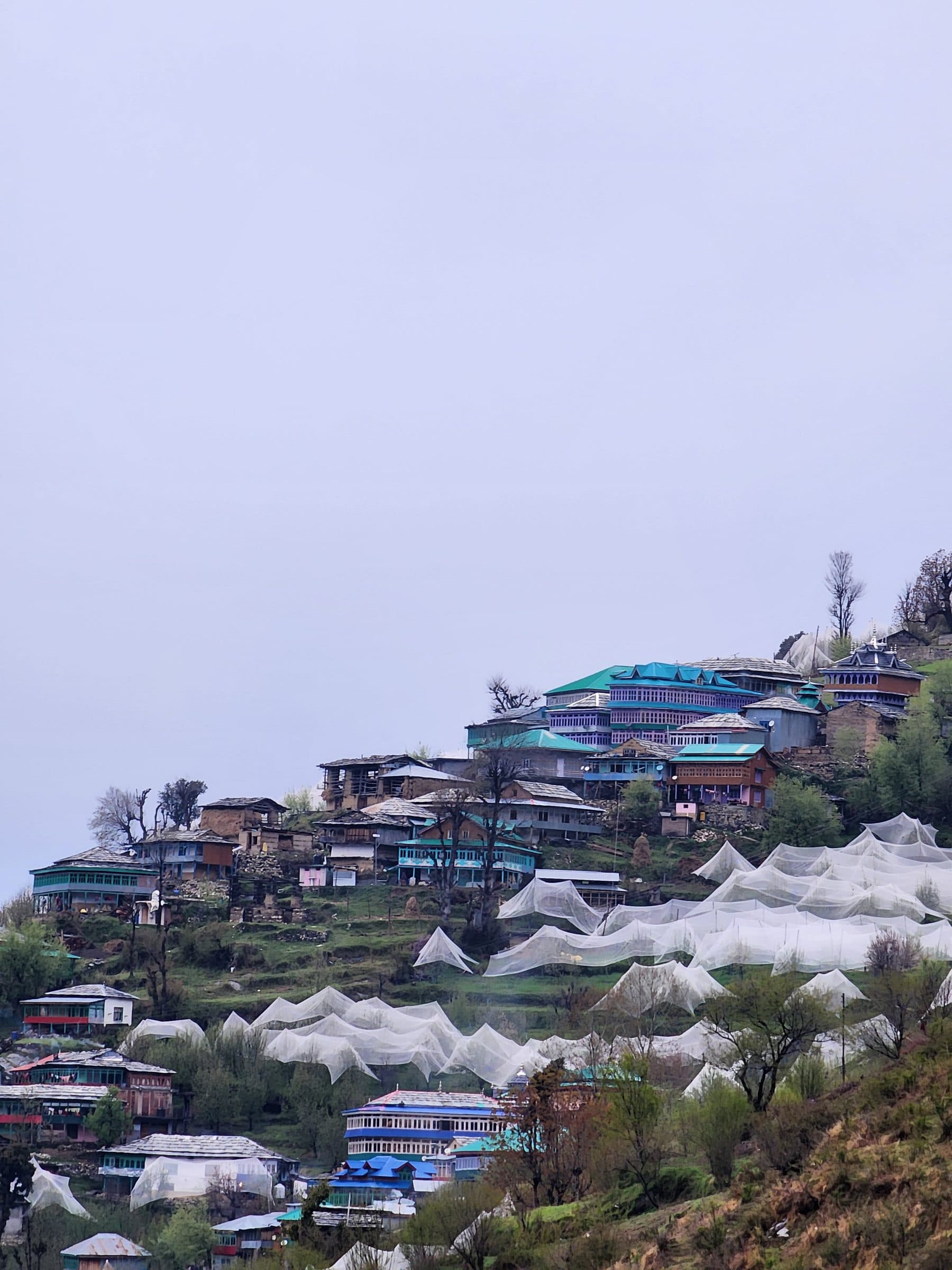
Sajwar’s charm lies in its family-run wooden homestays, where hosts treat guests like family. Most properties follow traditional Kullu-style architecture, with wooden balconies, slate roofs, and stone fireplaces. Expect home-cooked meals—thukpa, trout curry, and local siddu—and evenings by the fire.
Top-rated stays:
Ailyak Homestay – Cozy, near the café, offers valley views and bonfire nights.
Pinewood Guesthouse – Quiet, with a garden and guided trekking support.
Himalayan Retreat – Heritage-style rooms, organic meals, and birdwatching tours.
📌 Book in advance in peak seasons (April, October, December). No ATMs—pay in cash.
Hillside cottages partially obscured by mist in Jibhi valley
Local Tips for Visiting Sajwar Valley
Connectivity: Mobile signal is limited. BSNL has the best coverage. Airtel works in spots. Jio and Vi are patchy.
Cash: No ATMs in Sajwar. Withdraw in Banjar before arrival.
Electricity: Power cuts are common in monsoon. Most stays have inverters.
Food & Water: Carry reusable bottles; tap water is not potable. Try local dhaam (traditional feast) if invited.
Safety: Trails are well-marked but slippery in rain. Wear sturdy shoes.
Culture: Respect local customs. Dress modestly near temples.
Sajwar vs. Nearby Destinations: Why Choose Sajwar?
Destination
Crowd Level
Nature
Culture
Trekking
Stay Options
Sajwar
Quiet
★★★★★
★★★★★
★★★★☆
Homestays, heritage stays
Jibhi
Quiet
★★★★☆
★★★★☆
★★★☆☆
Cafés, guesthouses
Manali
Busy
★★★☆☆
★★☆☆☆
★★☆☆☆
Hotels, resorts
Kasol
Crowded
★★★☆☆
★★★☆☆
★★☆☆☆
Hostels, cafes
Shimla
Moderate
★★★☆☆
★★★★☆
★★☆☆☆
Hotels, homestays
Sajwar offers authentic Himalayan living—slow, scenic, and soulful. It’s ideal for travelers tired of crowds, seeking solitude, culture, and adventure—all at once.
Yes—if you seek authenticity, tranquility, and connection. Sajwar isn’t about luxury or adventure parks. It’s about waking up to bird calls, breathing pine-scented air, and walking paths trodden for centuries. Whether you’re sipping chini chai at Ailyak Cafe, trekking to Serolsar Lake at sunrise, or sleeping under a sky full of stars, Sajwar makes you feel at home in the mountains.
It’s not just a place to visit. It’s a place to live—slowly, deeply, and gratefully.
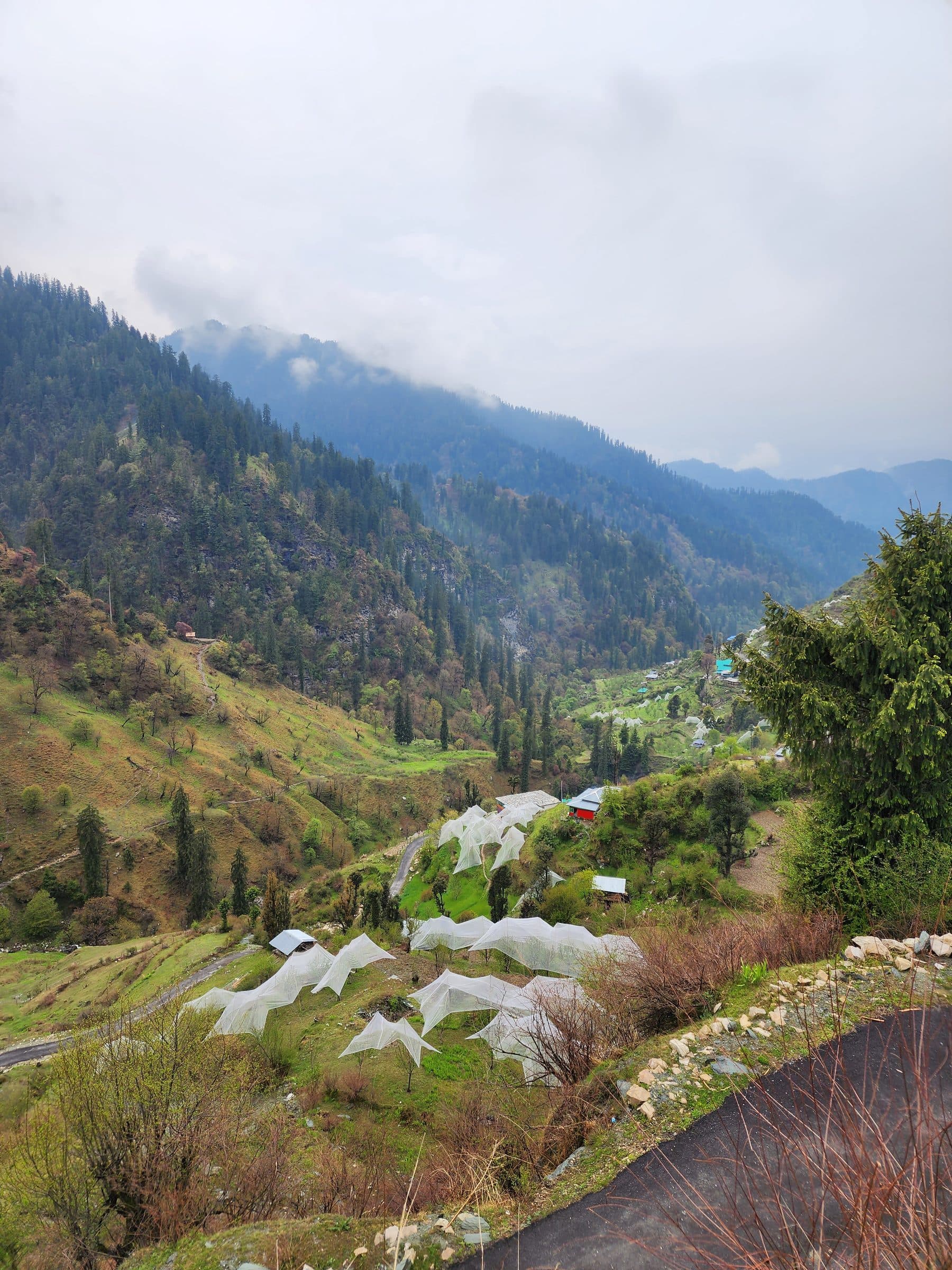
Forested hills in a valley covered by thick mist and fog