Jibhi Trek: Best Routes & Trekking Guide
18 Sept 2026•6 min read
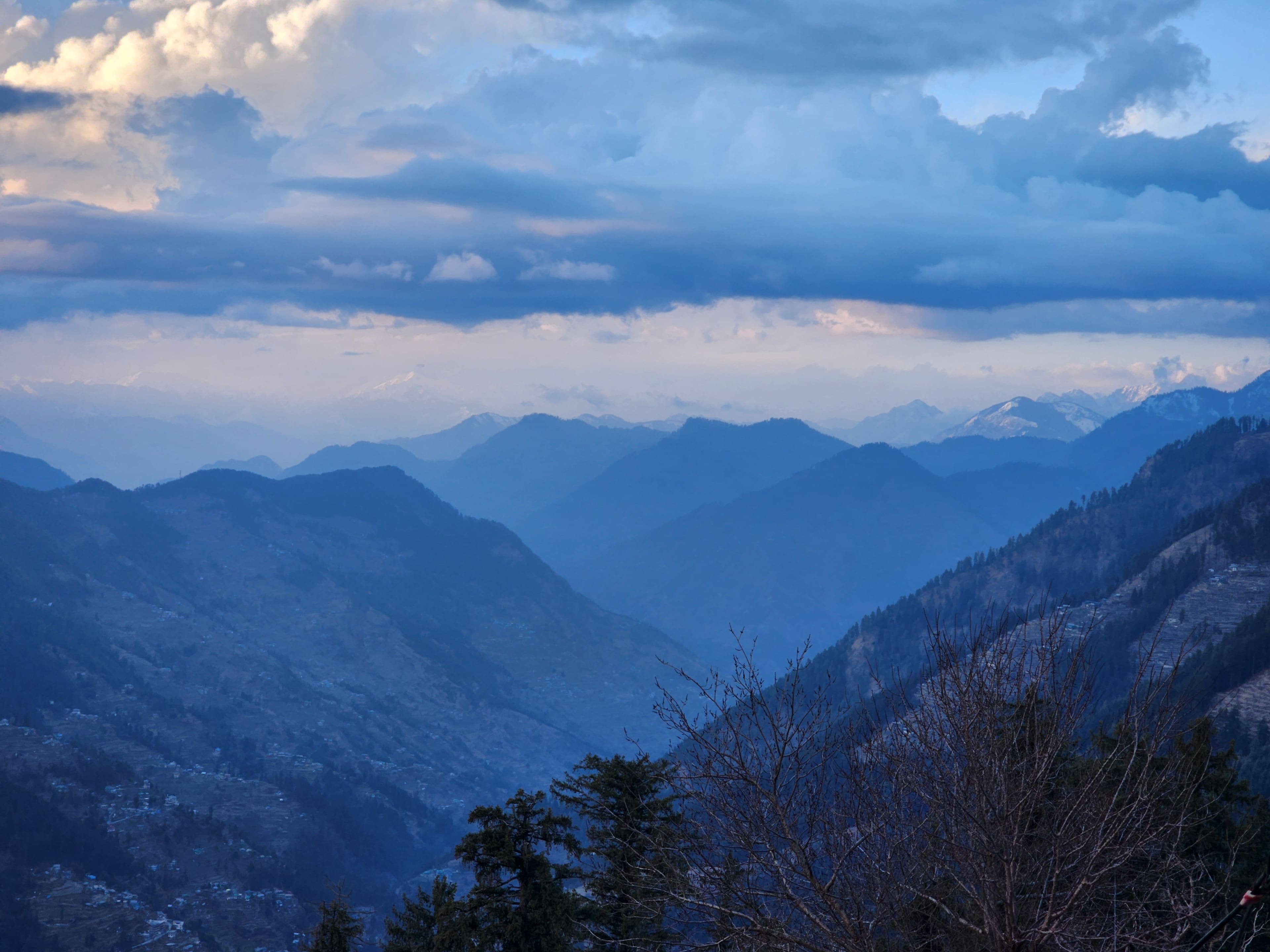
Explore Jibhi Valley treks: Chehni Kothi (1.5 hrs), Jalori Pass (45 min drive). Routes, seasons, fitness levels, and local trail insights for trekking near Jibhi.
Share this guide
Jibhi Trek: Your Complete Guide to Trekking in the Banjar Valley
The Jibhi Valley offers some of Himachal Pradesh's most rewarding trekking experiences, combining accessible trails with mountain views. Whether you're looking for a day hike or a more challenging trek, the area around Jibhi provides options for different fitness levels and time constraints.
Popular Treks from Jibhi Base
Jibhi to Chehni Kothi Trek
The trek to Chehni Kothi is one of the most popular hiking options from Jibhi. This combination of driving and trekking covers 7 km total and takes approximately 1.5 hours.
The journey begins with a drive to the Chainsi Marg road-head, followed by a 45-minute uphill trek to reach the Chehni Kothi tower. This route works well as an introduction to the valley's trekking terrain while giving you access to one of the region's significant historical structures.
The uphill section requires moderate fitness, making it suitable for most travelers who enjoy walking. The trail provides views of the surrounding valleys and a sense of the traditional Himachali village landscape.
Jibhi to Jalori Pass Route
For those seeking a longer mountain experience, the route to Jalori Pass covers 14 km and takes about 45 minutes by vehicle via NH305 toward the Shoja road. While primarily a drive, this route serves as the gateway to numerous high-altitude trekking opportunities.
Jalori Pass sits at a higher elevation and opens access to several more challenging treks, including routes toward Serolsar Lake and other alpine destinations. The pass itself offers panoramic mountain views and serves as a launching point for extended trekking adventures.
Planning Your Jibhi Trekking Experience
Best Seasons for Trekking
The trekking season in Jibhi varies significantly with weather conditions. Spring and summer months provide the most accessible trail conditions, while winter brings snow that can affect route difficulty and passability.
For current weather conditions and trail accessibility, check the latest valley updates before planning your trek. Mountain weather patterns can shift quickly, affecting trail conditions and visibility.
What to Expect on Jibhi Treks
The terrain around Jibhi combines forest paths, village trails, and mountain slopes. Most treks involve uphill sections, so prepare for moderate physical exertion. The trails often pass through traditional Himachali villages, offering glimpses into local mountain life.
Trail conditions vary seasonally. Monsoon months can create muddy or slippery sections. Winter snow makes trails more challenging but also more scenic for experienced trekkers with proper equipment.
Trekking Routes and Difficulty Levels
Beginner-Friendly Options
The Chehni Kothi trek works well as an introduction to Himalayan trekking. The 45-minute hiking portion provides enough challenge to feel rewarding without requiring extensive mountaineering experience. The combination of driving and walking makes it accessible for families and casual hikers.
Intermediate Challenges
Routes extending from Jalori Pass offer more substantial trekking challenges. These typically involve longer distances, higher altitudes, and more varied terrain. The pass serves as a base for exploring deeper into the Himachal mountains.
Advanced Trekking Opportunities
The Jibhi area connects to longer trekking circuits that can extend for multiple days. These routes often involve camping and require proper mountain equipment and experience.
Practical Trekking Information
Getting to Trek Starting Points
Most Jibhi treks begin with some form of transportation to reach the actual walking portions. The Chehni Kothi trek requires driving to the Chainsi Marg road-head, while Jalori Pass routes follow NH305 toward Shoja.
Local transportation options include hiring vehicles in Jibhi or arranging transport through your accommodation. Road conditions vary seasonally, particularly during monsoon and winter months.
Essential Trekking Gear
Mountain weather can change rapidly, so layered clothing proves essential. Sturdy walking shoes with good grip help navigate varied terrain safely. Carry water and snacks, as mountain exertion increases both thirst and hunger.
For winter trekking, additional warm clothing and potentially traction devices become necessary. Summer trekking requires sun protection and adequate hydration supplies.
Safety Considerations
Mountain trekking always involves some inherent risks. Inform someone of your planned route and expected return time. Weather conditions can deteriorate quickly, so be prepared to turn back if conditions become unsafe.
Local knowledge proves invaluable for understanding current trail conditions and weather patterns. Consider connecting with experienced local guides for longer or more challenging routes.
Extending Your Jibhi Valley Experience
Accommodation Options
The Jibhi area offers various places to stay ranging from traditional guesthouses to modern accommodations. Staying locally provides easy access to trek starting points and opportunities to gather current trail information from hosts familiar with the area.
Additional Activities
Beyond trekking, the Jibhi Valley provides numerous other things to do. Combining trekking with other valley activities creates a well-rounded mountain experience.
Seasonal Considerations
Different seasons offer distinct trekking experiences in Jibhi. Summer provides the most accessible conditions, while winter snow creates beautiful but more challenging scenarios. Monsoon months can make trails muddy but also showcase the valley's lush greenery.
Making the Most of Your Trek
Photography Opportunities
Jibhi treks offer strong photography opportunities, from traditional architecture at Chehni Kothi to mountain panoramas from higher elevations. Early morning and late afternoon light often provide the best conditions for capturing the valley's character.
Cultural Connections
Many treks pass through or near traditional villages, providing opportunities to observe local mountain life. Respectful interaction with local communities enhances the trekking experience while supporting the local economy.
Environmental Responsibility
Mountain environments require careful stewardship. Follow leave-no-trace principles, stay on established trails, and pack out all waste. The pristine nature of the Jibhi Valley depends on responsible visitor behavior.
The trekking opportunities around Jibhi provide access to some of Himachal Pradesh's most beautiful mountain landscapes. Whether you choose the accessible Chehni Kothi route or venture toward the higher elevations near Jalori Pass, the valley offers memorable experiences for trekkers of all levels. Plan according to current conditions, prepare appropriately for mountain weather, and enjoy exploring this corner of the Himalayas.
Jibhi Trip Essentials
For planning routes, timing, and live conditions, use the core Jibhi guides:
Related reads
- Where the Mountains Whisper: Your Guide to Jibhi Trekking in 2026
Best jibhi trekking guide 2026: discover jibhi treks, Serolsar Lake, Chehni Kothi, and Jalori Pass. When to go, how to reach, and where to stay.
- Jibhi Trekking: Best Trails & Essential Guide
Explore the best jibhi trekking trails in 2026—from Chehni Kothi to Serolsar Lake. Discover when to visit, how to plan, and where to stay for a soulful mountain experience.
- Walking Slowly Through the Clouds: The Soul of Trekking in Jibhi
Discover the best jibhi treks in 2026—from Serolsar Lake to Chehni Kothi. Plan your trekking in jibhi with seasonal tips, permits, and where to stay.
- Chasing Clouds and Stillness: A Trekker’s Guide to Jalori Pass from Jibhi
Plan a Jibhi trek to Jalori Pass with up-to-date info on weather, snowfall, and access. Find out if Jalori Pass is open, trek details, and where to stay.
- Chasing Clouds and Quiet: The Road from Jibhi to Jalori Pass
Jibhi to Jalori Pass distance is 14 km. Know road status, weather, snowfall, and trek details for 2026. Plan your Himalayan escape with local insights.
- Jalori Pass Uncovered: Your Complete Guide to Weather, Access & Treks in April 2026
Is Jalori Pass open now? As of April 2026, the road from Jibhi to Jalori Pass remains closed due to lingering snow — it typically opens by mid-May. While snowfall has stopped, temperatures stay below freezing at night, and snowpack at 3120m is still significant. Plan your jibhi trek to Jalori Pass for late May onward for safe access.
Stay Updated
Subscribe to our newsletter for travel tips and updates about Jibhi.