Where the Mountains Whisper: Finding Stillness in Jibhi’s Hidden Valleys
1 Nov 2025•3 min read
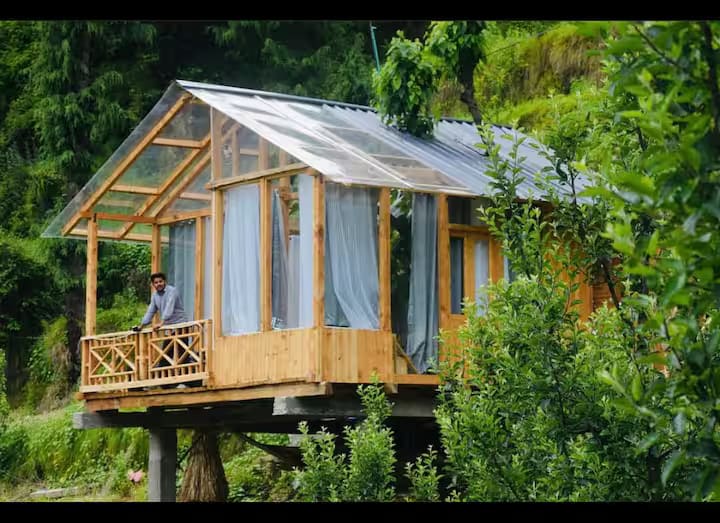
Find the best jibhi stays in Himachal Pradesh — peaceful, nature-connected homestays and experiences rooted in the art of slow living.
Share this guide
Jibhi Stays: More Than a Place to Sleep
Nestled in the quiet embrace of the Tirthan Valley, Jibhi is not just a destination—it's a feeling. At 2250m, where the Tirthan River hums through pine and oak forests and wooden homestays glow warmly at dusk, life moves at its own rhythm: Ailyak. This local word, with no English equivalent, captures the soul of Jibhi stays—slowness, presence, and deep connection to nature and self. If you’re searching for stays in Jibhi that go beyond comfort and become an experience, you’re not just on the right path. You've arrived.
What Makes Jibhi Stays Unique?
Unlike the bustling energy of Manali or the backpacker hubs of Kasol, Jibhi stays are defined by stillness. Most are family-run wooden homestays built in traditional Kullu-style architecture—sloping slate roofs, carved windows, and sun-drenched verandas that overlook apple orchards and snow-draped peaks. These aren’t cookie-cutter retreats. Each stay tells a story: of generations living in harmony with the mountains, of mornings lit by wood-fire stoves, and evenings spent listening to the river’s quiet song. Electricity cuts happen, especially in monsoon months, but most homestays have backup inverters—so the warmth never fades.
And while Jibhi village has no ATM, carrying cash from Banjar (just 10 km away) is part of the rhythm. This isn’t inconvenience; it’s invitation—to slow down, to notice, to live ailyak.
Best Time to Visit for a True Jibhi Experience
The magic of stays in Jibhi shifts with the seasons. October–November offers post-monsoon clarity, crisp air, and golden foliage—a perfect backdrop for quiet reflection. March–April brings apple blossoms and mild weather, ideal for riverside walks and village treks. July–August sees heavy monsoon rain, and NH305 is prone to landslides, but the valley is lush, green, and deeply peaceful. December–February brings snowfall—Jalori Pass closes, but Jibhi remains accessible, transforming into a serene winter hideaway.
No matter when you come, the essence of Jibhi stays remains: unhurried days, warm hosts, and the rare gift of stillness.
What to Expect During Your Stay
From your first step into a Jibhi homestay, you’re welcomed not as a guest, but as part of the valley’s quiet heartbeat. Most accommodations offer simple, soulful rooms—private or shared—with mountain views and handmade touches. Shared meals are common, often featuring local dishes like siddu, kedkhor, or fresh trout from the Tirthan River (with a permit, of course).
Days unfold gently: a walk to Jibhi Waterfall (just 15 minutes from the village), a drive to Jalori Pass (14 km, 45 minutes), or a trek to Chehni Kothi—9-storey medieval tower rising from the forest like a storybook ruin. For those seeking deeper immersion, experiences like forest bathing, riverside picnics, and guided river walks are quietly transformative.
Why Ailyak Stays & Experiences Embodies the Spirit of Jibhi
Among the most authentic stays in Jibhi, Ailyak Stays & Experiences—in Jibhi, Shoja, and Seri—was born from the very idea of ailyak. More than accommodations, it’s a philosophy: to slow down, breathe deeply, and reconnect. Whether you choose a cozy dorm or a private room, every space is designed for comfort and mindfulness. The Ailyak Café serves nourishing meals as a “third space” for rest and conversation, while curated experiences—cold water dipping, stargazing, creative workshops—invite presence over productivity.
With reliable WiFi, parking, and local support, Ailyak blends simplicity with thoughtful convenience—perfect for remote workers, couples, and travelers craving meaning over movement.
Jibhi Trip Essentials
For planning routes, timing, and live conditions, use the core Jibhi guides:
How to Experience Jibhi Stays
Discover the essence of Jibhi by choosing authentic, slow-paced mountain accommodations that immerse you in local culture and nature.
Total Time: 1 hour
1
Choose a Local Homestay
Select a family-run wooden homestay or guesthouse built in traditional Kullu-style architecture, ideally with views of the Tirthan River and oak forests.
2
Embrace the Ailyak Lifestyle
Slow down and engage with the local rhythm of life—linger over butter tea, listen to stories from hosts, and enjoy quiet moments in nature.
3
Savor Home-Cooked Local Cuisine
Partake in meals like kedkhor (local pork stew) and siddu (steamed bread), shared with hosts to deepen cultural connection.
4
Connect with Nature and Silence
Wake up to the sound of the river, spend evenings by a wood stove, and let the stillness of the Dhauladhar peaks guide your days.
Frequently Asked Questions
Jibhi stays are typically family-run homestays built in traditional Kullu-style architecture with wooden beams, sloping roofs, and stone foundations. They offer a lived-in, authentic experience where comfort blends with connection to local culture and nature.
Yes, electricity cuts are common, especially during monsoon months, though most stays have backup inverters. WiFi is available but intentionally slow, and mobile networks are limited—BSNL works best, Airtel covers most areas, while Jio is patchy.
April 2026 is ideal, with mild weather, blooming apple blossoms, and clear skies. October–November is another great window, offering post-monsoon clarity and golden foliage.
Yes, Jibhi remains accessible during winter (December–February), though Jalori Pass closes. The village experiences snowfall, offering a quiet, serene atmosphere for those seeking snow-season charm.
Booking Jibhi stays means choosing a lifestyle of stillness and mindfulness. Accommodations like those from Ailyak Stays & Experiences focus on simple decor, mountain views, and immersion in nature, supporting an unhurried way of life.
Ailyak Stays & Experiences offers soulful, thoughtfully designed accommodations in Jibhi that emphasize stillness and connection. Their properties support mindful living with warm hospitality, simple comforts, and integration with the natural surroundings.
Related reads
- Ailyak Stays Jibhi: Where Time Slows and Mountains Speak
Ailyak Stays Jibhi: Experience slow mountain living in Tirthan Valley. Wooded homestays, river walks, and mindful retreats in Himachal Pradesh.
- Jibhi, Himachal Pradesh: Where Time Slows Down in the Himalayas
Jibhi Himachal Pradesh travel guide: best time to visit, how to reach, things to do, and stays. Plan your 2026 trip with local insights.
- Jibhi Reimagined: A Slow Journey Through the Heart of Tirthan Valley
Jibhi Tirthan Valley tour package guide: best time, places to visit, safety, and how to plan your trip. Discover Jibhi Himachal Pradesh with verified local insights.
- Where the Mountains Whisper: A True Escape to Jibhi Tirthan Valley
Nestled in Himachal Pradesh, Jibhi Tirthan Valley is a serene mountain sanctuary where time stands still. Discover untouched beauty, whispering deodars, and soul-soothing escapes in this hidden Himalayan gem.
- Jibhi in Spring: Where Time Slows Down and Mountains Bloom
Jibhi in which district? Kullu, Himachal Pradesh. Discover Jibhi Valley's best-kept secrets — from Jalori Pass to Ailyak Stays — with accurate, up-to-date travel insights.
- The Quiet Magic of Jibhi: Why This Himalayan Valley Is Calling You Now
Delhi to Jibhi train not available. Nearest railhead Jogindernagar. Best routes, weather, and places to visit in Jibhi Himachal Pradesh. Safe to visit now?
Stay Updated
Subscribe to our newsletter for travel tips and updates about Jibhi.