When to Visit Shoja and Jibhi: A Season-by-Season Guide to the Himalayas’ Hidden Valley
22 Aug 2025•3 min read
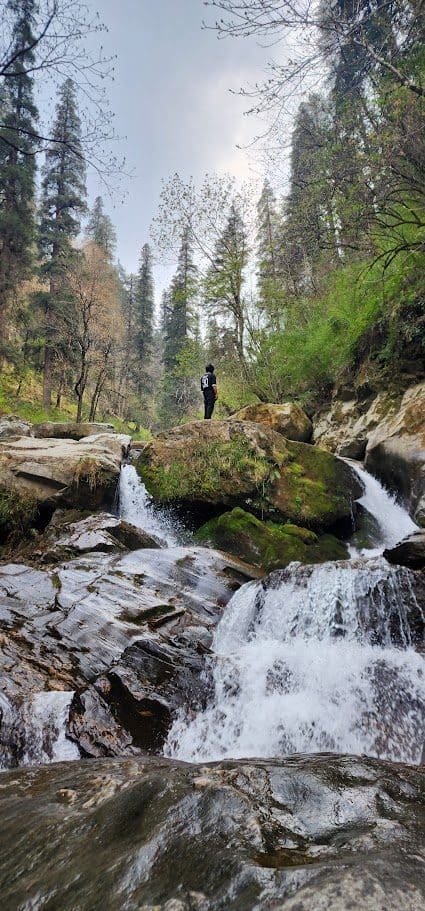
Best time to visit Shoja: Plan your Himalayan escape with seasonal tips for Jibhi, Tirthan Valley, and snowfall months. Ideal for trekkers and slow travelers.
Share this guide
Best Time to Visit Jibhi – And Why It Depends on What You Seek
Jibhi, nestled in the serene Tirthan Valley of Himachal Pradesh, calls to travelers craving stillness. At 2250m, this mountain village offers an escape defined by wooden homestays, apple orchards, and the quiet rhythm of ailyak—the local art of unhurried living. But when is the best time to visit Jibhi? It depends on what moves you: blooming orchards, golden autumn, or snow-draped silence.
Best Time to Visit Jibhi for Apple Blossoms and Mild Weather
If you're searching for Jibhi best time to visit, March to April is ideal. Right now—April 2026—the valleys are soft with pink and white apple blossoms. The air is crisp, trails are clear, and days are mild. It’s the perfect season to explore without crowds, with temperatures hovering between 10–18°C. Whether wandering through orchards or sipping tea by the Tirthan River, spring in Jibhi is pure magic.
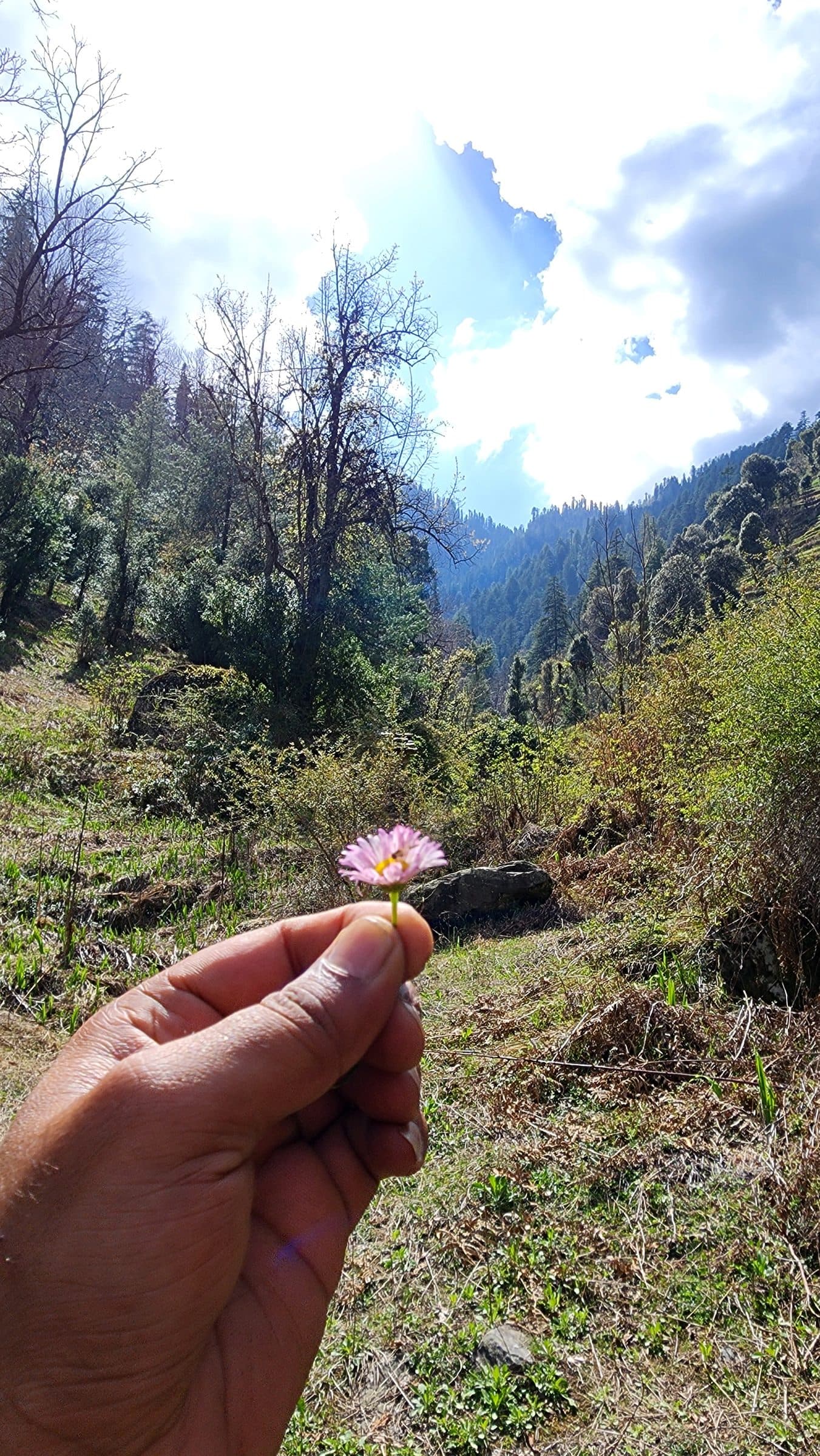
A hand holding a small plant against a backdrop of dense green forest and clouds
A hand holding a small plant against a backdrop of dense green forest and clouds
Best Time to Visit Jibhi Himachal Pradesh: October–November for Crisp Air and Color
Post-monsoon, from October to November, delivers the clearest skies and most vivid foliage. This is widely considered the best time to visit Jibhi Himachal Pradesh. With the monsoon gone, the hills glow in golden hues, and visibility stretches for miles. It’s an exceptional time for photography, trout fishing (with permit), and riverside walks. You'll understand ailyak in its truest form—peace, presence, and deep connection with nature.
Best Time to Visit Jibhi Tirthan Valley – Year-Round Beauty, Seasonal Truths
The best time to visit Jibhi Tirthan Valley aligns with the above: March–April and October–November. These shoulder seasons offer the most balanced experience—comfortable weather, open roads, and access to both the Great Himalayan National Park buffer zone and nearby treks. The valley is stunning year-round, but timing shapes your journey.
Best Time to Visit Jibhi for Snowfall – December to February
Dreaming of snow? The best time to visit Jibhi for snowfall is December through February. While Jalori Pass closes due to heavy snow, Jibhi village remains accessible and transforms into a winter wonderland. Temperatures drop below freezing, and homestays glow with warmth. It’s ideal for snow lovers who want authenticity without isolation. Just pack warm layers—electricity cuts are common, though most stays, like those at Ailyak Stays & Experiences, have backup inverters.
Best Time to Visit Shoja and Jibhi – A Shared Seasonal Rhythm
Shoja, perched at 2700m, shares Jibhi’s seasons but with sharper winters. The best time to visit Shoja and Jibhi together is May to October. This is when the 14-km road from Jibhi to Jalori Pass opens, connecting Shoja as a base for high-altitude exploration. During these months, you can stay in Shoja’s quiet guesthouses or return to Jibhi—where thoughtful spaces like Ailyak Stays & Experiences offer warm hearths, forest views, and slow mornings by the river.
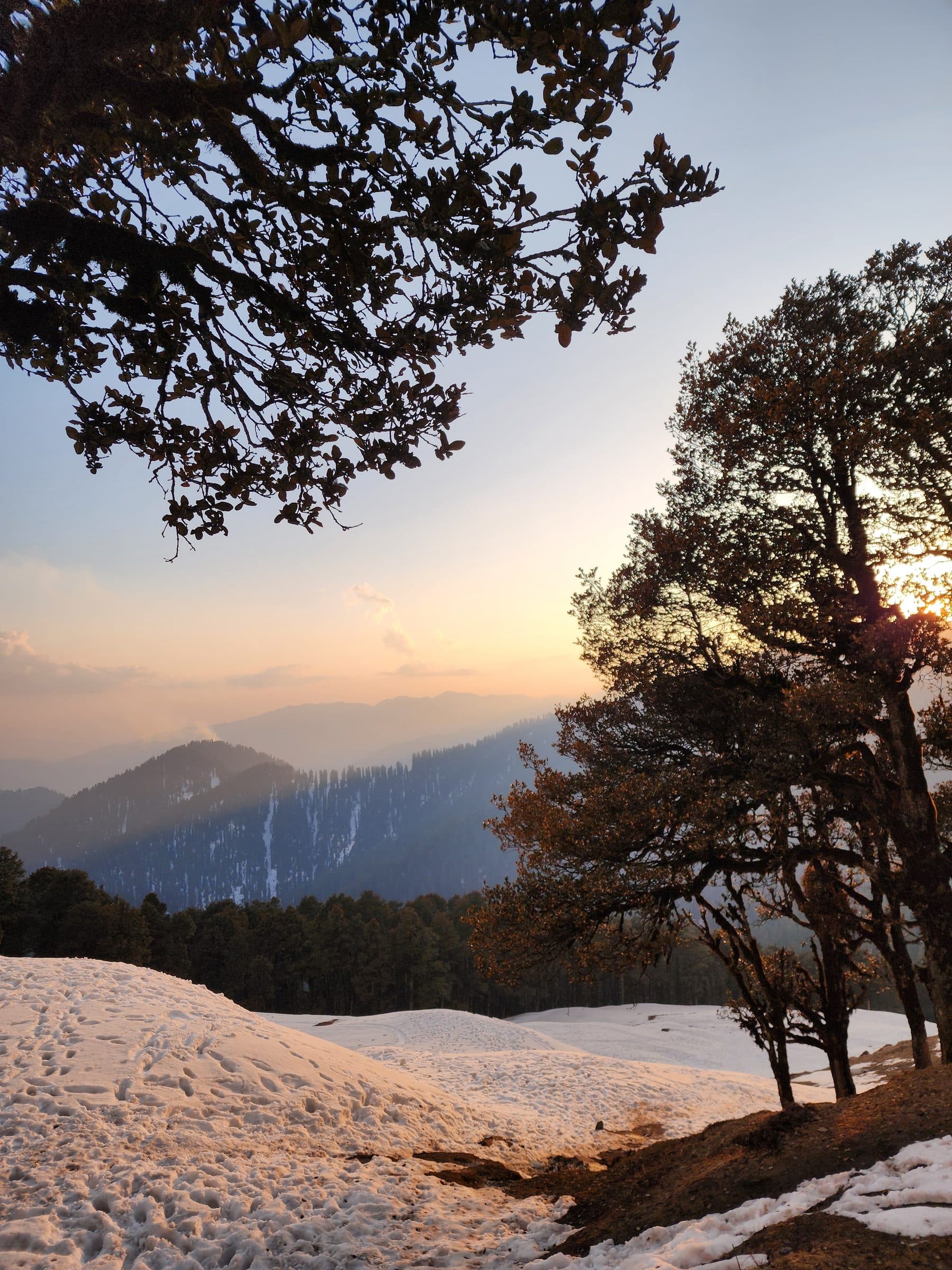
Foreground tree branches frame a snowy, sunlit hillside landscape.
Best Time to Visit Shoja – For Trekkers and Pass Enthusiasts
The best time to visit Shoja is between May and October. As the gateway to Jalori Pass (3120m), Shoja comes alive when the snow melts and the road clears. From here, you can begin the trek to Serolsar Lake or drive to the pass for panoramic Himalayan views. Monsoon (July–August) can bring landslides on NH305, so late spring and early autumn are safest and most scenic.
Weather Warnings: When to Avoid Jibhi Valley
July–August brings heavy monsoon rains. NH305 is prone to landslides and road cuts, making travel risky. While the valley is lush, trekking and road access become uncertain. December–April brings snow—but only Jibhi village stays reliably open. Jalori Pass remains closed until May.
Why Ailyak Stays & Experiences Fits Every Season
Whether you come for apple blossoms, golden autumn, or quiet snowfall, Ailyak Stays & Experiences embodies the spirit of Jibhi. With soulful homestays in Jibhi, Shoja, and Seri, it’s designed for those who value presence over pace. Enjoy forest bathing, riverside picnics, or creative workshops—all rooted in the philosophy of ailyak.
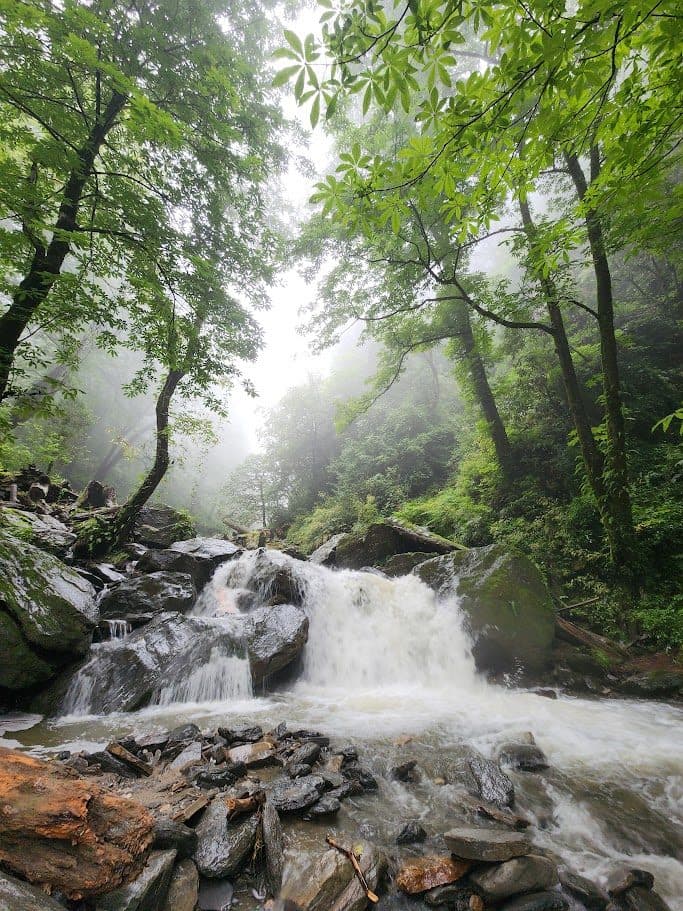
Lush green rocks and trees surrounding a misty flowing waterfall near Ailyak.
Plan your journey with intention. For stays that honor the rhythm of the mountains, visit jibhi.in/partners.
Jibhi Trip Essentials
For planning routes, timing, and live conditions, use the core Jibhi guides:
How to Choose the Best Time to Visit Jibhi
Determine the ideal time to visit Jibhi based on weather, scenery, and personal preferences.
Total Time: 1 hour
1
Assess Your Weather Preference
Decide if you prefer mild spring temperatures (10–18°C) in March–April or crisp, clear post-monsoon weather in October–November.
2
Consider Scenic Interests
Choose March–April for apple blossoms and lush greenery, or October–November for golden autumn foliage and clear mountain views.
3
Evaluate Activity Goals
Plan your visit according to preferred activities—spring for quiet exploration and orchard walks, or autumn for photography, trout fishing, and riverside hikes.
4
Avoid Unfavorable Seasons
Steer clear of the monsoon season if you prefer clear skies and safe trekking conditions, as heavy rains can disrupt travel.
Frequently Asked Questions
The best time to visit Jibhi for mild weather and blooming apple orchards is from March to April. During this period, temperatures range between 10–18°C, and the valleys are adorned with pink and white blossoms, offering a serene and scenic experience.
The ideal time to witness vivid autumn colors in Jibhi is from October to November. After the monsoon, the hills glow in golden hues, skies are clear, and visibility is excellent for photography and nature walks.
Yes, Jibhi can be visited from December to February, which is the best time to experience snowfall. While Jalori Pass closes due to heavy snow, the village remains accessible and transforms into a peaceful, snow-draped retreat.
Jibhi is accessible year-round, though some nearby areas like Jalori Pass close during winter due to snow. Roads remain open to the village, allowing visits even in December to February, especially for those seeking snow.
October to November is favorable due to clear skies, crisp air, and vibrant post-monsoon foliage. It's considered one of the best times to visit Jibhi Himachal Pradesh for photography, trout fishing, and enjoying the tranquil natural beauty.
Yes, the best seasons for trekking in Jibhi Tirthan Valley are March–April and October–November. These periods offer comfortable weather, open trails, and optimal access to the Great Himalayan National Park buffer zone and nearby trekking routes.
Related reads
- When to Go: Finding the Best Time to Visit Shoja and Jibhi Valley
Discover the best time to visit Shoja and Jibhi Valley – from snowfall months to apple blossoms, monsoon treks and clear autumn skies. Plan your perfect Himalayan getaway.
- When to Visit Jibhi: A Seasonal Guide to the Valley’s Hidden Rhythms
Best time to visit Jibhi? Discover the ideal season for snow, treks, apple blossoms, and peace in Tirthan Valley. Plan your slow escape to Jibhi, Himachal Pradesh.
- Jibhi, Himachal Pradesh: Where Time Slows Down in the Himalayas
Jibhi Himachal Pradesh travel guide: best time to visit, how to reach, things to do, and stays. Plan your 2026 trip with local insights.
- Jibhi Reimagined: A Slow Journey Through the Heart of Tirthan Valley
Jibhi Tirthan Valley tour package guide: best time, places to visit, safety, and how to plan your trip. Discover Jibhi Himachal Pradesh with verified local insights.
- Where the Mountains Whisper: Discovering Jibhi Tirthan Valley’s Quiet Magic
Jibhi Tirthan Valley guide: best places to visit, weather, safety, and how to reach. Discover serene treks, homestays, and the true spirit of ailyak in Himachal Pradesh.
- Where the Mountains Whisper: A True Escape to Jibhi Tirthan Valley
Nestled in Himachal Pradesh, Jibhi Tirthan Valley is a serene mountain sanctuary where time stands still. Discover untouched beauty, whispering deodars, and soul-soothing escapes in this hidden Himalayan gem.
Stay Updated
Subscribe to our newsletter for travel tips and updates about Jibhi.