The Best Time to Visit Jibhi: A Local’s Seasonal Guide to Tirthan Valley
Best time to visit Jibhi? October–November for clarity & color, March–April for blossoms. Snow Dec–Feb. Plan your Tirthan Valley trip with local insights.
The Best Time to Visit Jibhi: A Local’s Seasonal Guide to Tirthan Valley
Nestled in the Tirthan Valley of Himachal Pradesh at 2250m, Jibhi is a place shaped by seasons. Each month reveals a different facet—apple blossoms in spring, monsoon mist in summer, golden foliage in autumn, and snow-laden silence in winter. If you're wondering when to visit, the answer depends on what you seek: quietude, adventure, snow, or wildflowers. This guide answers the real questions travelers ask, grounded in local rhythms and verified conditions.
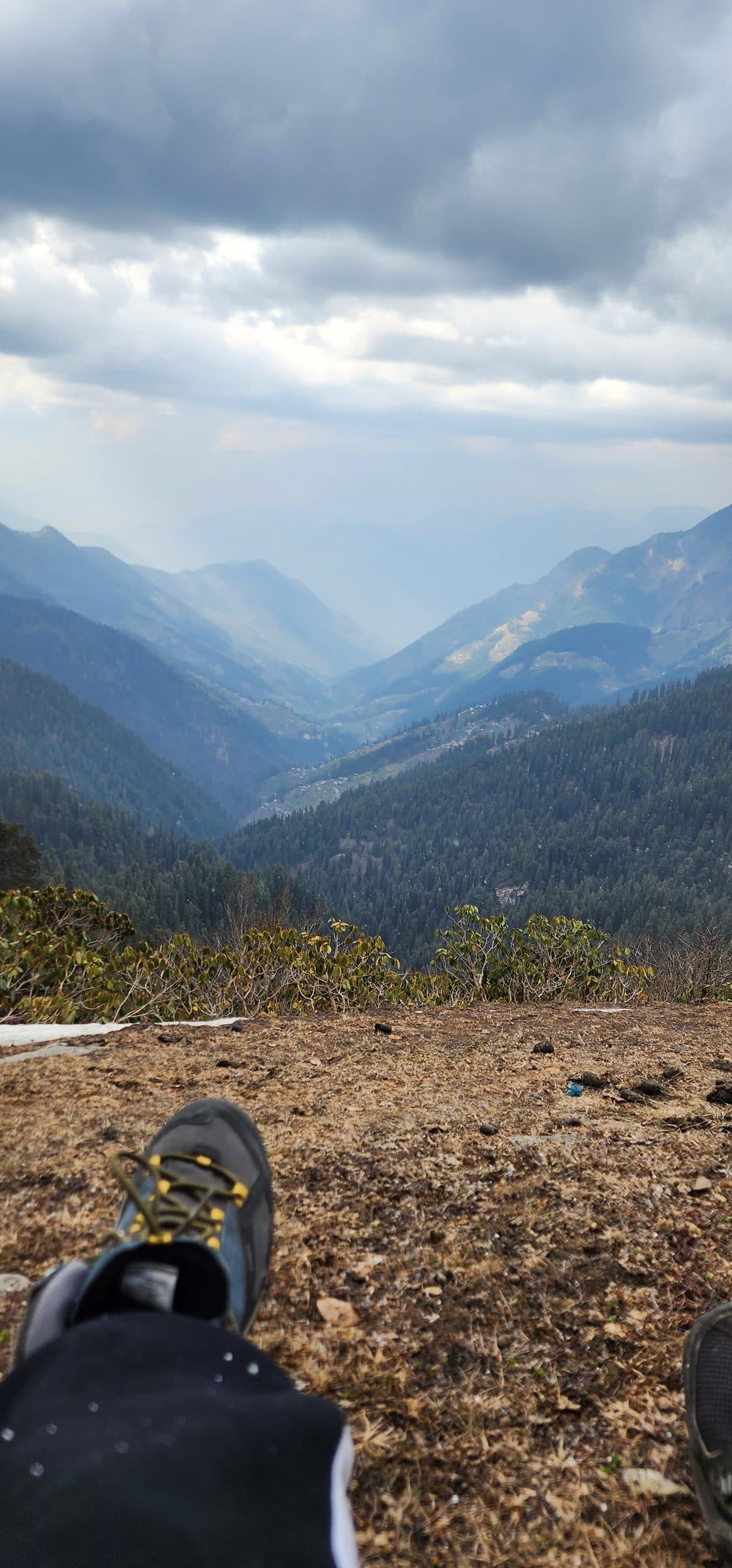
View of rolling green mountains and forested valleys under a cloudy sky
Best time to visit Jibhi
The best time to visit Jibhi is October–November. This is post-monsoon clarity at its finest—crisp air, cloudless skies, and hillsides painted with autumn hues. The weather is stable, roads are clear, and the Great Himalayan National Park buffer zone hums with birdlife. It’s also the ideal window for treks to Jalori Pass, Serolsar Lake, and Chehni Kothi.
March to April is a close second. Apple orchards bloom in soft pinks and whites, temperatures are mild (10–20°C), and the valley wakes up from winter. Today, April 12, 2026, is peak apple blossom season—perfect for a slow walk through orchards and riverside trails.
July to August brings heavy monsoon rains. While the landscape turns lush, NH305 is prone to landslides and road cuts. Travelers should avoid this season unless they’re prepared for delays and isolation.
Current weather in Jibhi — your real-time snapshot
Jibhi Weather Today in the Valley (as of 8 PM, April 15, 2026):
- Temperature: 53 °F / 12 °C
- Conditions: clear skies, 71 % humidity
- Wind: east at 1–7 mph, gusts up to 7 mph
- Visibility: 16 miles
- Snowline: 14,108 feet (well above Jibhi’s 7,380 ft)
- Rain risk: 0 %
That means no weather delays, no road closures, and no need to adjust your plans. Whether you're here for trout fishing permits, a walk to Shringa Rishi Temple, or just to sit still in the valley’s famous rhythm, today is a calm day to arrive or explore.
How to Choose the Best Time to Visit Jibhi
A guide to selecting the ideal season for visiting Jibhi based on weather, scenery, and travel conditions.
Assess Your Travel Preferences
Determine what you want from your trip—whether it's peaceful solitude, trekking adventures, snow experiences, or scenic beauty like apple blossoms or autumn foliage.
Consider the Ideal Season (October–November)
Plan your visit between October and November for clear skies, stable weather, vibrant autumn colors, and optimal trekking conditions to places like Jalori Pass and Serolsar Lake.
Evaluate Spring as an Alternative
If you prefer mild temperatures and blooming apple orchards, consider visiting in March to April, especially around early April for peak blossom season.
Avoid the Monsoon Season
Steer clear of traveling during July and August due to heavy rains, high landslide risk on NH305, and potential road closures that can isolate the valley.
Check Real-Time Weather Conditions
Before and during your trip, review current weather data—like temperature, rainfall probability, and visibility—to ensure safe travel and enjoyable outdoor activities.
Frequently Asked Questions
The best time to visit Jibhi is October to November, when the weather is clear, skies are cloudless, and the hills are painted with autumn colors. This period offers stable conditions, clear roads, and excellent opportunities for treks to Jalori Pass, Serolsar Lake, and Chehni Kothi.
Apple blossoms in Jibhi can be seen during March to April, when the orchards bloom in soft pinks and whites. April 12, 2026, for example, is expected to be peak blossom season, ideal for scenic walks.
Visiting Jibhi during July to August is not recommended due to heavy monsoon rains, landslides, and road closures on NH305. The lush greenery comes with travel risks and potential isolation.
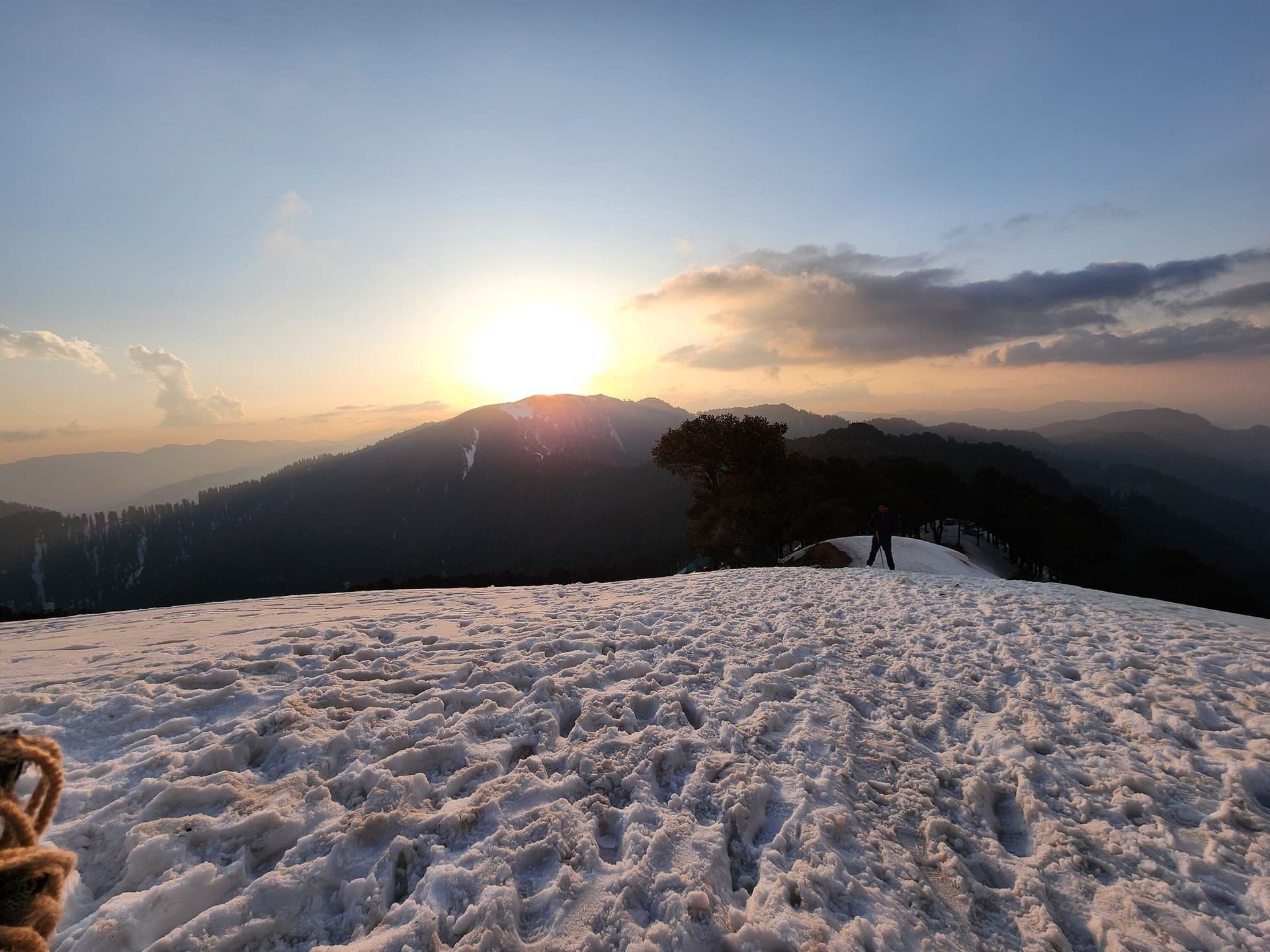
Snowfall in Jibhi typically occurs from December to February, transforming the village into a quiet winter landscape. While temperatures can drop to -2°C, homestays with wood heaters make for a cozy stay.
No, Jalori Pass is closed from November to April due to snow, making high-altitude treks impossible during winter months. However, Jibhi itself offers snow walks and winter experiences.
Yes, Shoja shares the same seasonal accessibility as Jibhi, with the best visits from October to November or March to April. The road to Shoja fully opens from April, allowing easier exploration of both villages.