Things to Do in Jibhi
What are the best things to do in Jibhi? Hike Jalori Pass and Serolsar Lake, visit Jibhi Waterfall, explore Raghupur Fort, walk riverside trails, and spend time in Shoja and Tandi villages. Spring and autumn offer clear views; winter is for snow walks.
Plan with the best time to visit and find a Jibhi stay that matches your travel style.
For live conditions, see Jibhi Right Now.
Last updated: February 9, 2026
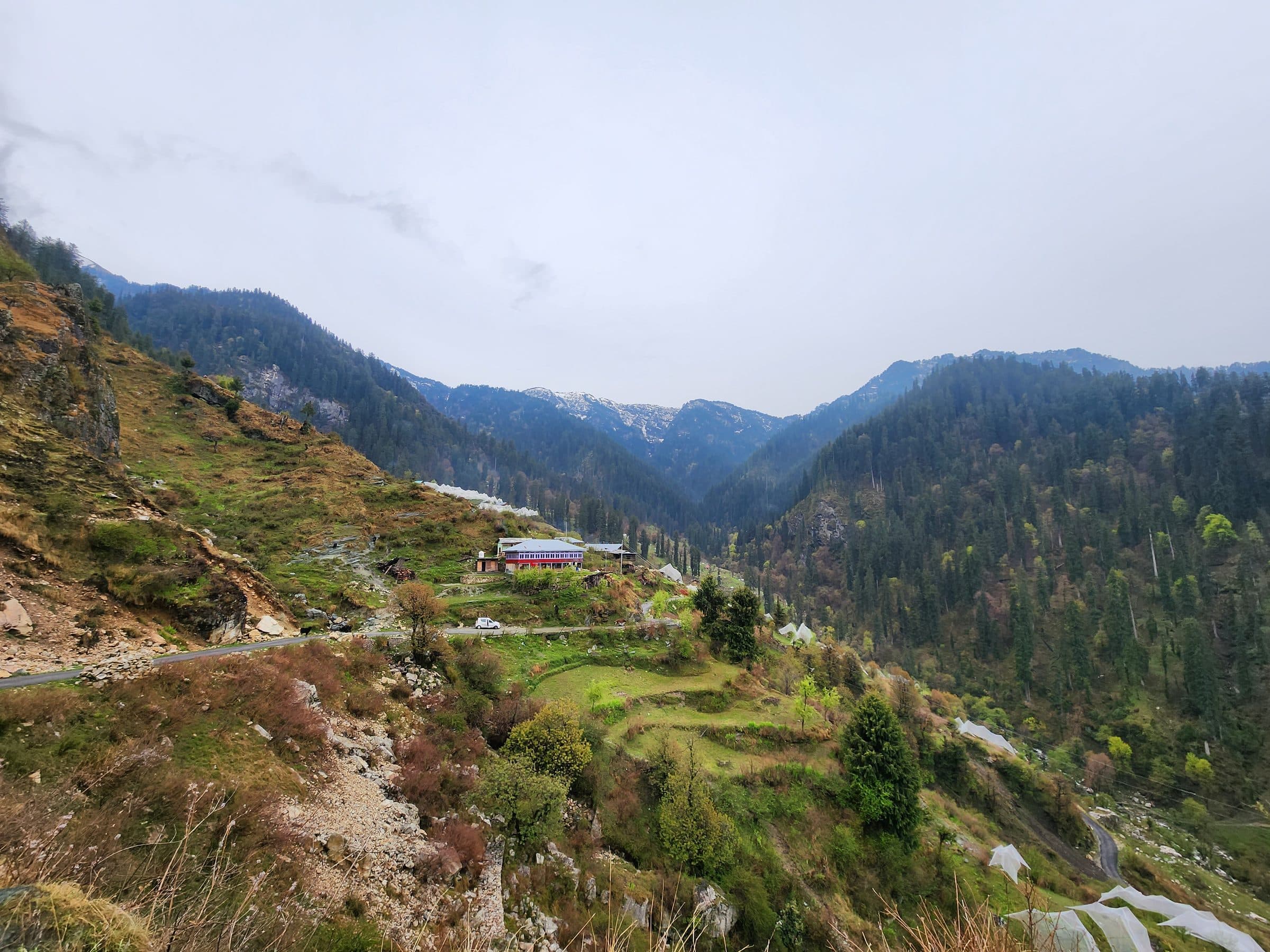
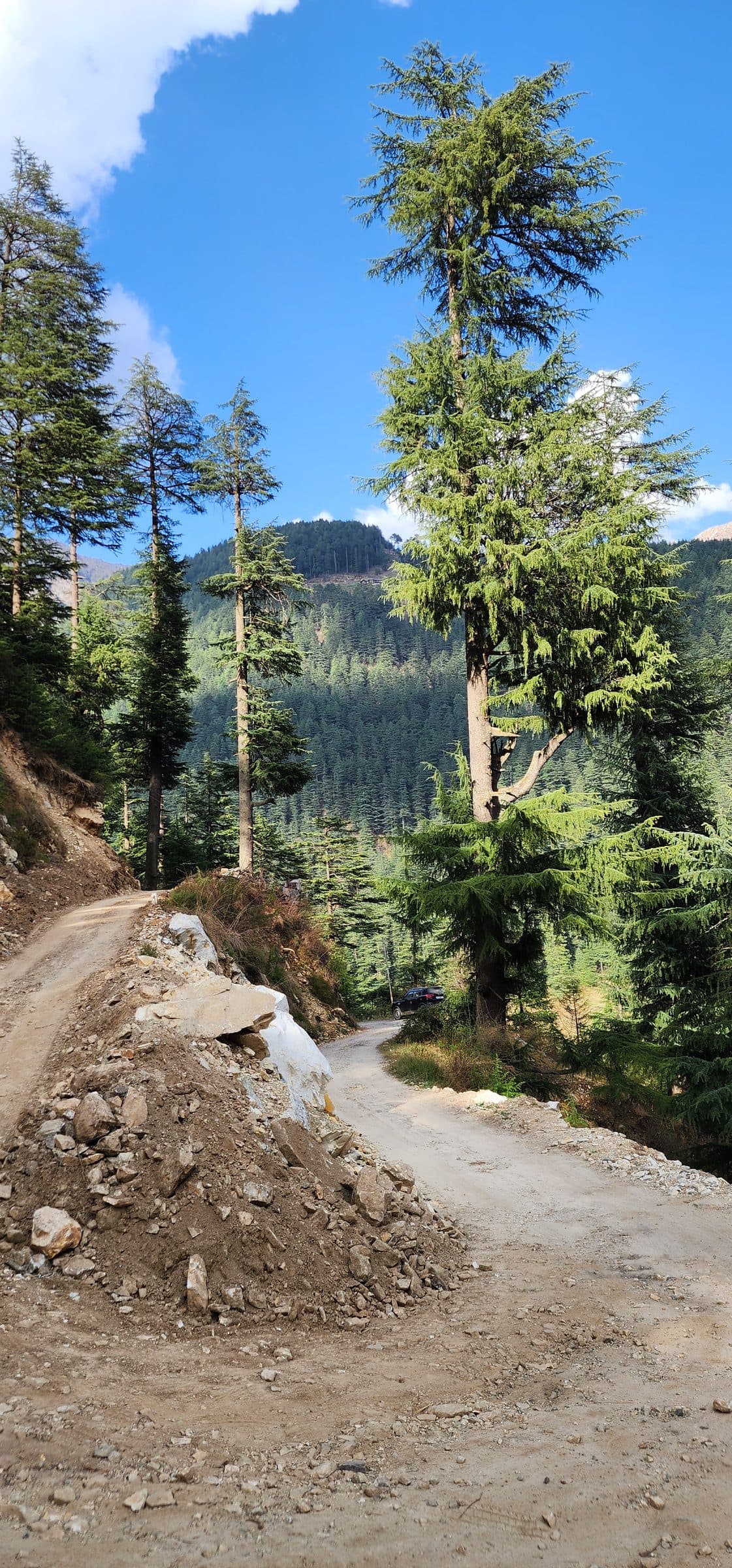
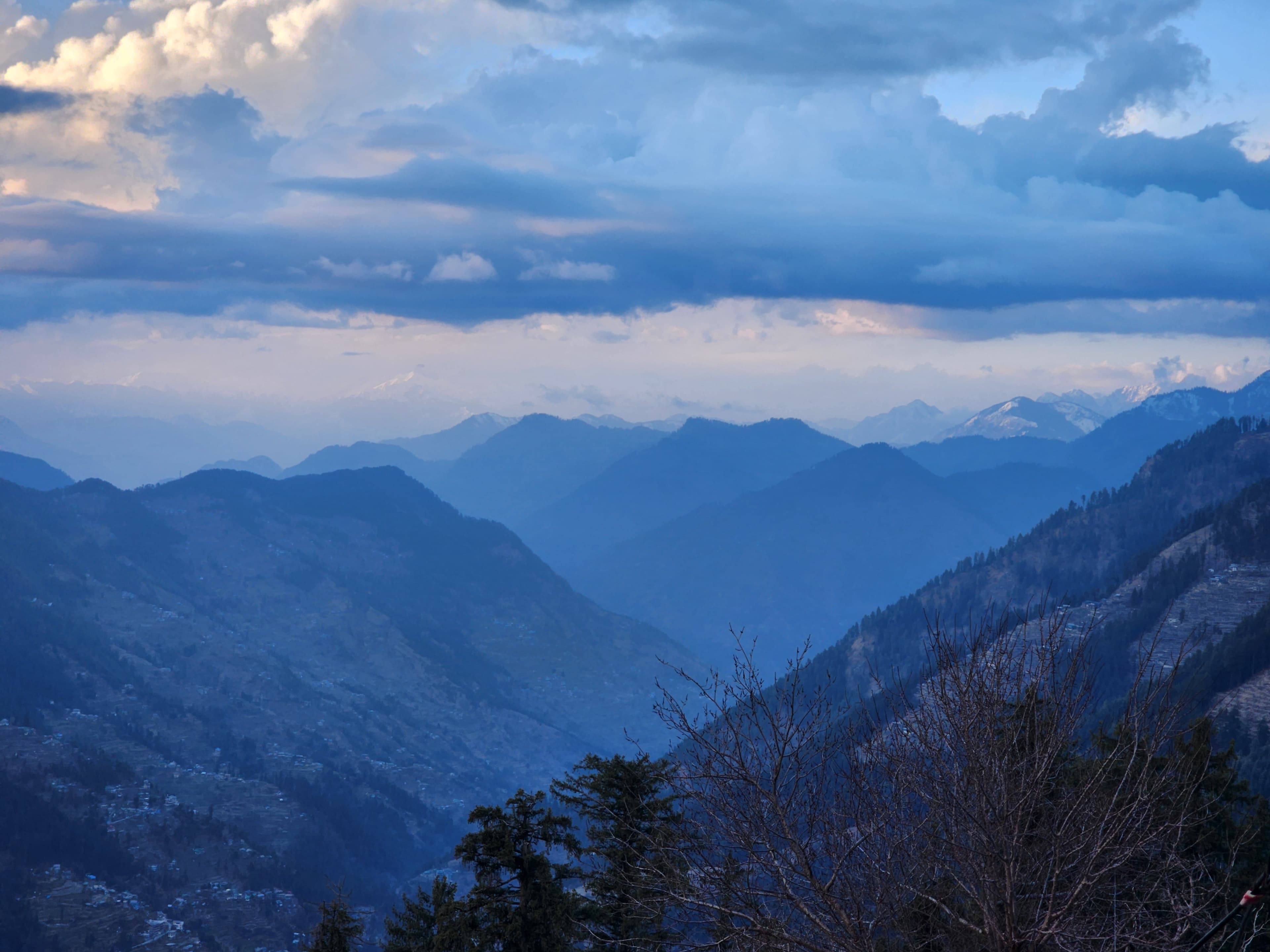
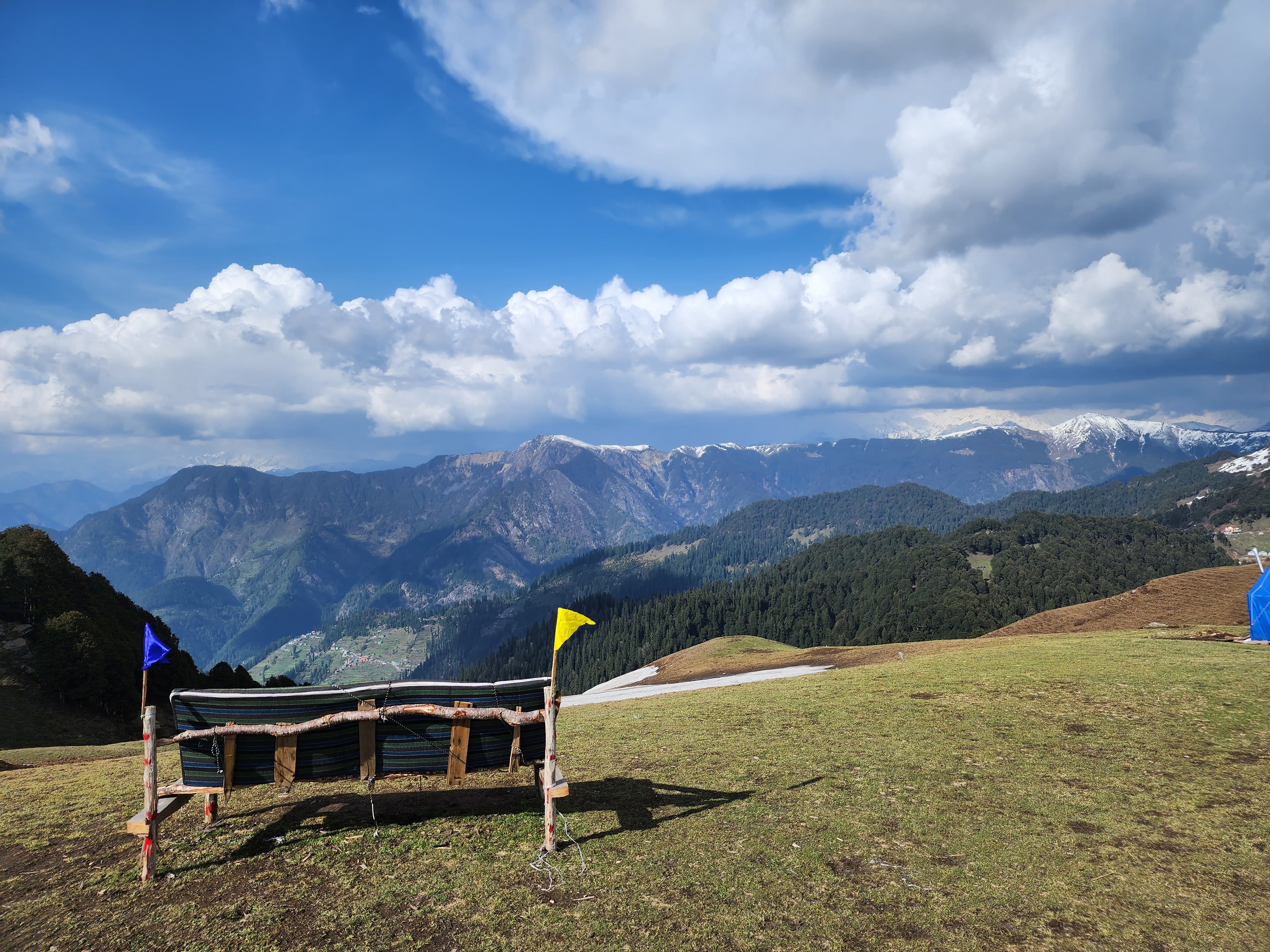
Welcome to Jibhi, a hidden paradise nestled in the enchanting Banjar Valley of Himachal Pradesh. This serene hamlet, surrounded by ancient cedar forests and pristine rivers, offers a perfect blend of adventure, culture, and tranquility. Whether you're an adrenaline seeker looking to conquer Himalayan trails, a nature enthusiast eager to spot rare wildlife, or a digital nomad seeking inspiration in mountain solitude, Jibhi's diverse experiences cater to every traveler's dream.
From the challenging trek to Jalori Pass at 10,800 feet to the meditative walks along the crystal-clear Tirthan River, from exploring thousand-year-old temples to experiencing traditional Himachali culture in remote villages, Jibhi offers an authentic slice of Himalayan life. Our carefully curated selection of activities ensures you'll discover the best of what this magical valley has to offer.
Why Explore Jibhi?
- 🏔️ Perfect balance of adventure and serenity
- 🌲 Pristine forests and diverse wildlife
- 🏃♂️ Activities for every fitness level
- 🎨 Rich cultural heritage and traditional architecture
- 📸 Stunning photography opportunities
- 🌿 Sustainable and responsible tourism practices
Planning your visit? Check out our guides on the best time to visit and how to reach Jibhi.
Best Seasons for Activities
- Spring (March-May): Perfect for trekking, photography, and wildflower walks
- Summer (June-August): Ideal for riverside activities and cultural experiences
- Autumn (September-November): Best for clear mountain views and outdoor adventures
- Winter (December-February): Great for snow treks and cozy mountain stays
Activity Categories
- Adventure Seekers: Trekking, rock climbing, river crossing
- Nature Lovers: Birdwatching, forest walks, photography
- Culture Enthusiasts: Temple visits, village tours, local crafts
- Relaxation: Meditation, riverside picnics, stargazing
Explore Activities
Filter by Season
Filter by Category
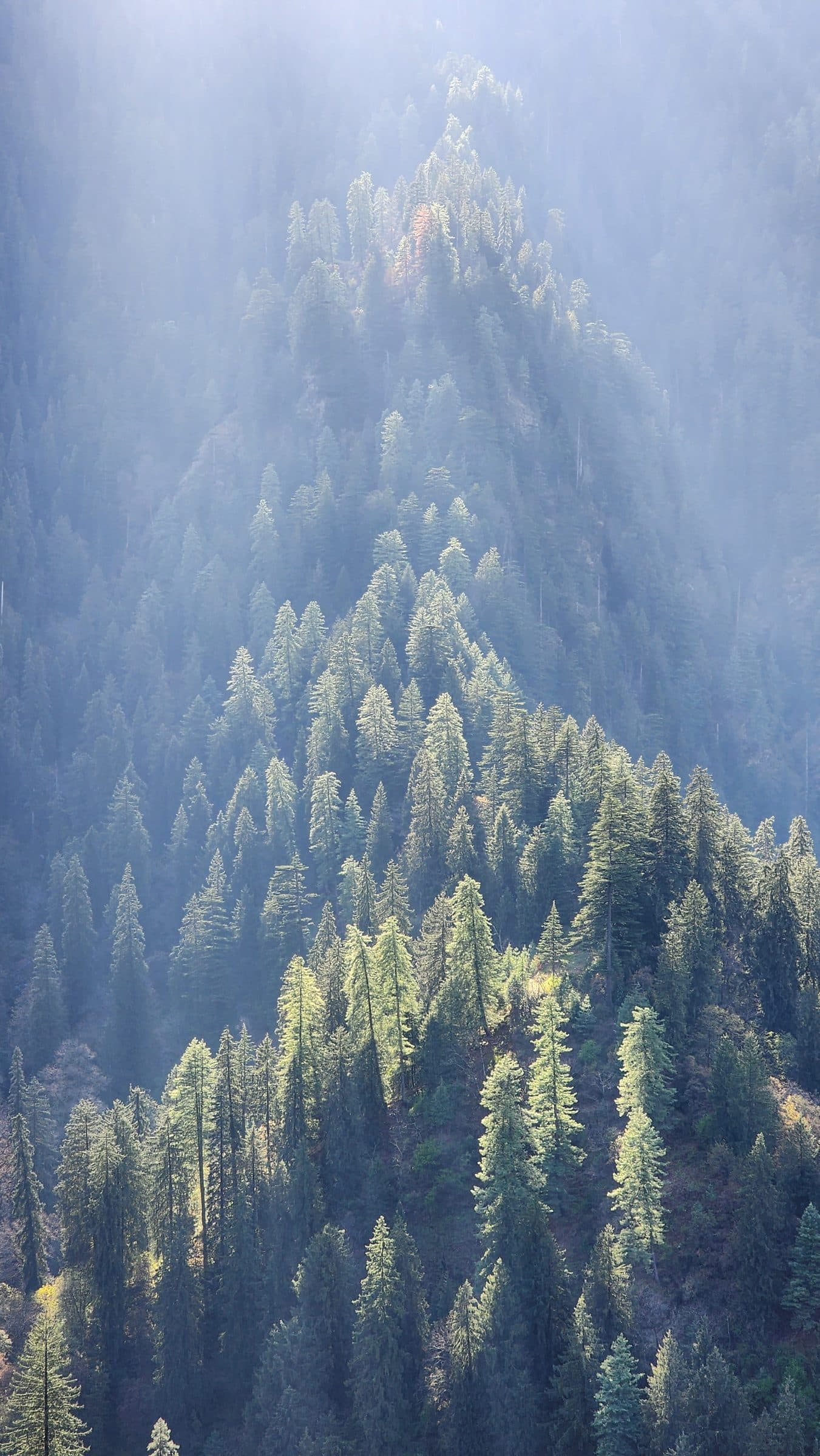
Forest Bathing in Jibhi and Shoja: A Slow Walk Among the Cedars
Forest bathing, or shinrin-yoku, is the practice of walking slowly and doing nothing in particular among old cedar and pine. Around Jibhi, Shoja and Seri, sessions run one to two hours, self-guided or led by facilitators who grew up in these forests. No summit, no distance, no rush.

Chasing Serenity: The Jibhi Waterfall Walk
Short description The Jibhi Waterfall is a refreshing 15-minute walk from the village center — a year-round cascade best experienced post-monsoon or in spring. Swim in the pool below, snap photos of the misty drop, and soak in the valley’s unhurried rhythm.
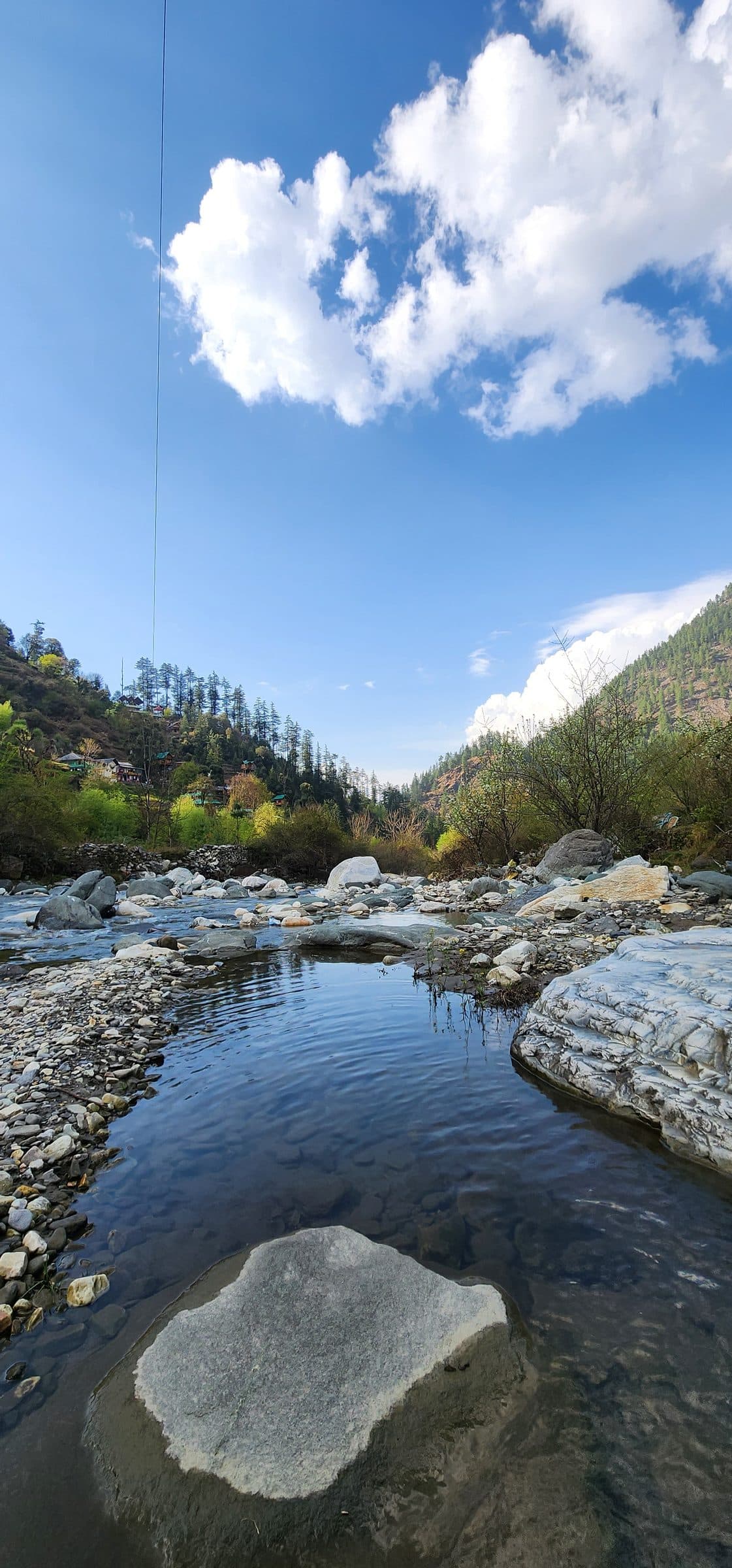
Riverside Picnic in Jibhi: A Slow Afternoon on the Tirthan
A set-up picnic on the bank of the Tirthan at Ailyak's properties in Jibhi, Shoja and Seri. Nature-crafted seating, a seasonal local menu, and no fixed programme. Add a guided river walk, forest bathing, water dipping or a private storytelling session. One day's notice.
Chehni Kothi: The Ancient Tower of Jibhi Valley
The Chehni Kothi is a 500-year-old, 9-storey defensive tower rising from the hills of Jibhi like a sentinel of the past. Perched at 2450m, it’s one of the tallest traditional Kullu-Kinnauri structures, reachable by a scenic 45-minute trek from Chainsi Marg. Combining heritage, architecture, and forested trails, it's a rare journey into the soul of Himachal.
Where Art Meets the Himalayas: Creative Workshops in Jibhi
Discover the magic of slow creativity amidst the mountains at Ailyak's curated art workshops in Jibhi. Set against pine forests and river whispers, these sessions invite you to paint, reflect, and reconnect—no experience required.
Unplug and Recharge: The Ultimate Jibhi Workation for Remote Creators
Swap city chaos for river sounds and pine-scented Wi-Fi. A workation in Jibhi means slow mornings, deep focus, and soulful breaks in the heart of Tirthan Valley. This is remote work as it was meant to be—grounded, inspired, and deeply human.
Under Starlit Skies: Experiencing the Magic of Jibhi Night Sky
Jibhi night sky is one of the clearest and most mesmerizing in the Himalayas—no light pollution, just endless stars above the Tirthan Valley. If you're wondering what to do in Jibhi after dark, look up: this is where the Milky Way feels close enough to touch.
Whispers of Time: Exploring Jibhi’s Sacred Ancient Temples
Discover the quiet grandeur of ancient temples nestled in Jibhi Valley’s mist-laced hills. These timeless sanctuaries, built in traditional Kullu pagoda style, offer more than devotion — they are gateways to history, stillness, and the soul of the Himalayas.
Raghupur Fort Trek: A Hidden Himalayan Fortress at 3300m
The Raghupur Fort trek begins 14 km from Jibhi at Jalori Pass, with a 5 km ridge walk to the ruins at 3300m. Offering panoramic views of Dhauladhar, Kinnaur, and Kullu Valley, this moderate trek combines history, altitude, and solitude. Discover the best time to visit, weather insights, and how to combine it with Serolsar Lake for a full-day Himalayan adventure.
Jalori Pass Uncovered: Your Complete Guide to Weather, Access & Treks in April 2026
Is Jalori Pass open now? As of April 2026, the road from Jibhi to Jalori Pass remains closed due to lingering snow — it typically opens by mid-May. While snowfall has stopped, temperatures stay below freezing at night, and snowpack at 3120m is still significant. Plan your jibhi trek to Jalori Pass for late May onward for safe access.
Where the River Whispers: Experiencing the Soul of Jibhi Valley
The river in Jibhi isn’t just water—it’s the heartbeat of the valley, shaping life, rhythm, and stillness in this Himalayan haven. Whether you're wading in its icy flow or listening to its song from a wooden balcony, the Tirthan River defines what it means to live *ailyak*.
The Soul of the Valley: Jibhi’s Living Culture and the Art of Ailyak
Discover the quiet wisdom of Jibhi’s mountain life, where tradition flows as steadily as the Tirthan River. At the heart of it all is *ailyak*—the local way of moving through life without hurry, tension, or noise.
Where the River Whispers: Experiencing the Tirthan River in Jibhi
The river in Jibhi isn’t just a sight—it’s the soul of the valley. Flowing fresh from the Great Himalayan National Park, the Tirthan River offers trout fishing, peaceful riverside walks, and moments of pure mountain stillness. Discover why this hidden Himalayan gem defines the true essence of Jibhi, Himachal Pradesh.
Serolsar Lake: A Sacred Alpine Gem Above Jibhi
When the mist clears above Jibhi and the deodar forests breathe cool mountain air, the trail to Serolsar Lake calls. This high-altitude sanctuary, nestled at 3100m, is more than a trek—it’s a pilgrimage through silence, ancient trees, and bird-filled canopies leading to a lake sacred to Budhi Nagin.
Chasing the Cascade: Your Complete Guide to Jibhi Waterfall
The Jibhi waterfall is a year-round mountain cascade just a 15-minute walk from the heart of Jibhi village, flowing strong with the monsoon and glistening under winter sun. Easily accessible and surrounded by pine-scented trails, it's the perfect short trek for families, solo travelers, and photographers chasing serene Himalayan moments. Whether you're visiting in spring bloom or standing beneath it in crisp winter air, the waterfall in Jibhi embodies the slow, soulful rhythm of *ailyak*.
Wings Over the Valley: A Birdwatcher’s Journey Through Jibhi’s Hidden Trails
Discover the magic of birdwatching in Jibhi Valley, where ancient forests echo with the calls of rare Himalayan species. From the iridescent flash of the Monal to the elusive call of the Bar-tailed Treecreeper, this is birding at its most pristine.
Chasing Golden Hour: The Ultimate Guide to Sunset Photography in Jibhi Valley
Capture the Himalayas bathed in golden light with breathtaking sunset photography in Jibhi Valley. From quiet riverbanks to high mountain passes, discover where and when to shoot the most magical evenings in Tirthan Valley.
Shoja Village: The Quiet Gateway to Jalori Pass and Hidden Himalayan Serenity
Explore Shoja village, a serene Himalayan hamlet just 16 km from Jibhi, where pine forests, river trails, and wooden cottages create a slow-paced escape. Walk to hidden riverside cafes, spot high-altitude birds, and soak in the snow-fed beauty of the Tirthan Valley—all in one immersive day. ---
Under the Stars: A Night of Stargazing in Jibhi’s Silent Skies
Stargazing in Jibhi is an immersive escape into silence, where the night sky glows with undisturbed constellations. With minimal light pollution and crisp mountain air, Jibhi stargazing offers some of the clearest views in Himachal Pradesh. Whether you're a casual skywatcher or a dedicated astrophile, the valley’s quiet meadows and wooden terraces make it a celestial haven.
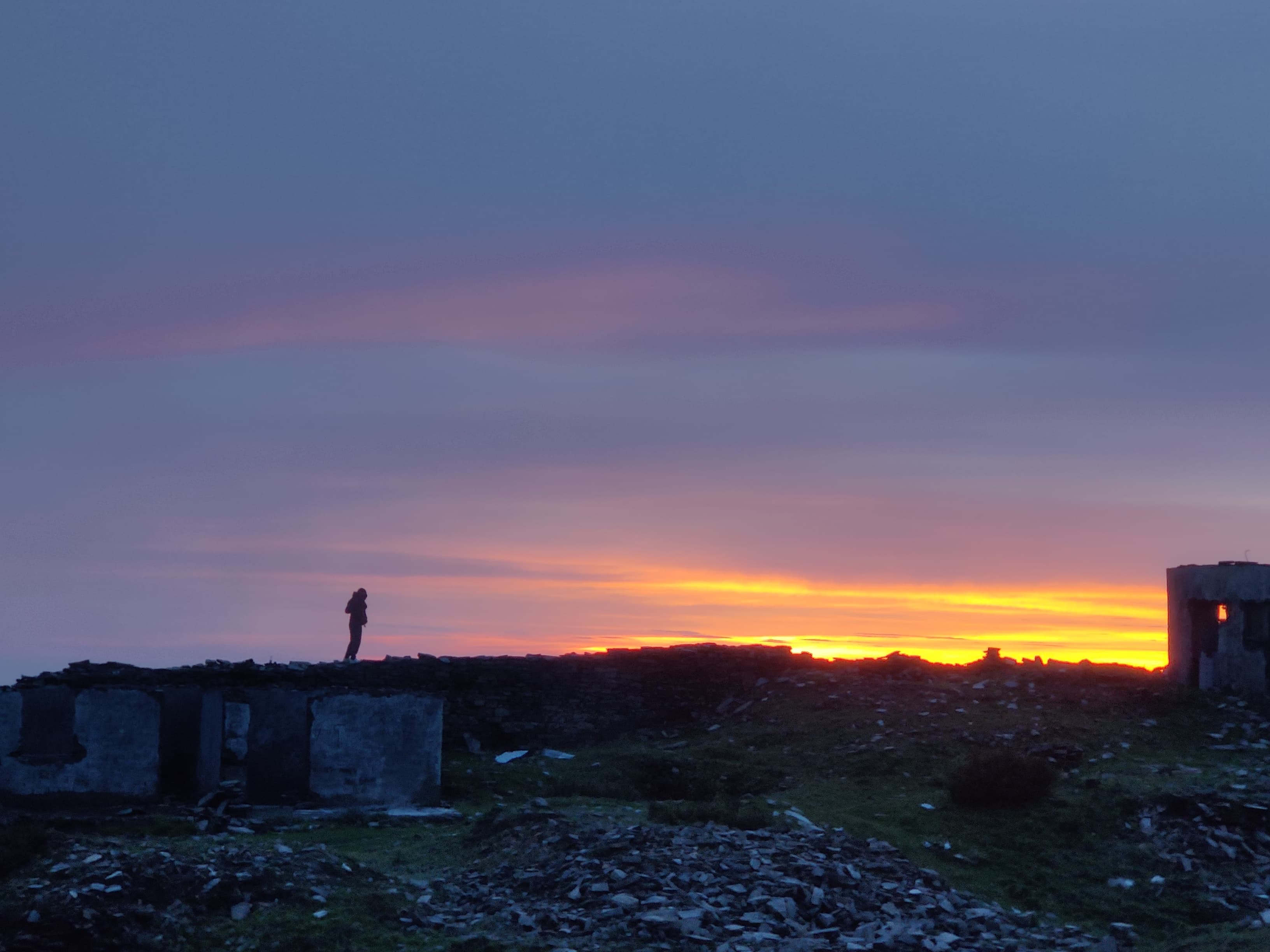
Go Offbeat Trekking & Nature Walks
Discover lesser-known forest trails and meadows, offering solitude and authentic Himalayan experiences.

Local Cooking Classes
Learn to prepare traditional Himachali dishes with local ingredients and techniques, and bring home new culinary skills.
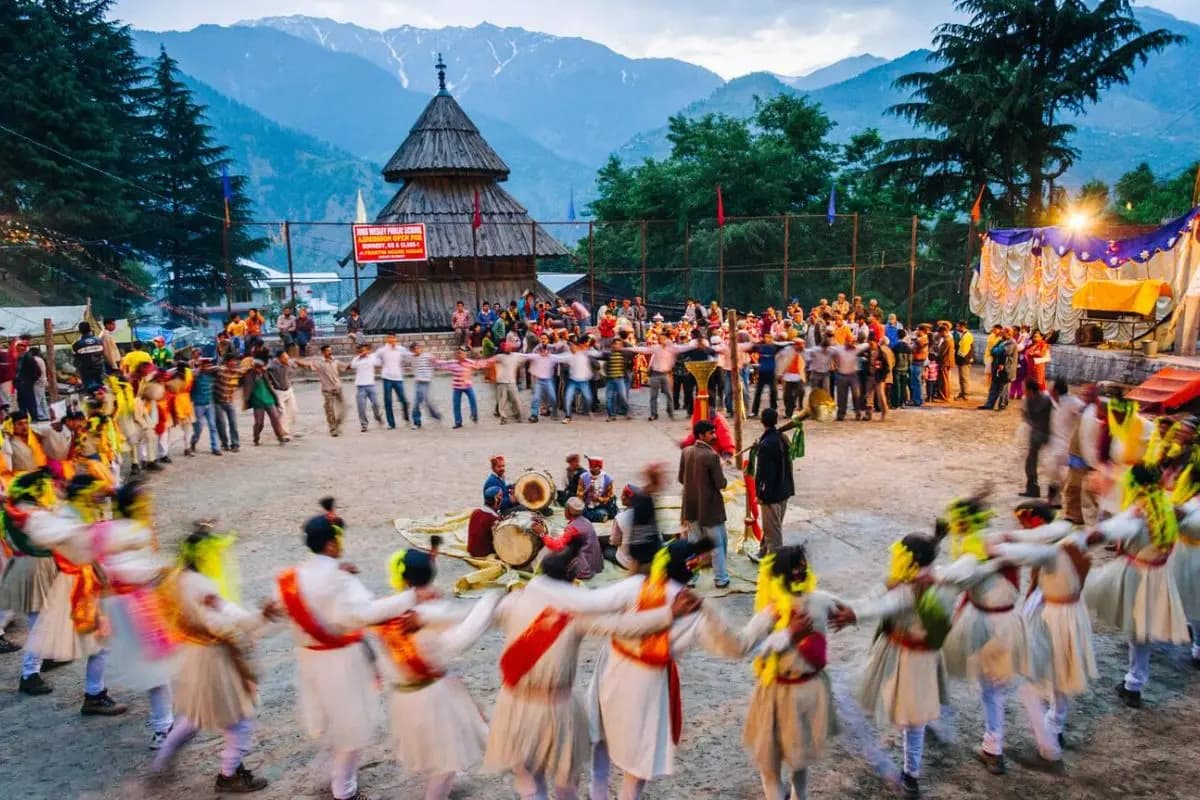
Local Cultural Experiences
Immerse yourself in Himachali traditions, festivals, and community gatherings for a firsthand taste of mountain hospitality.
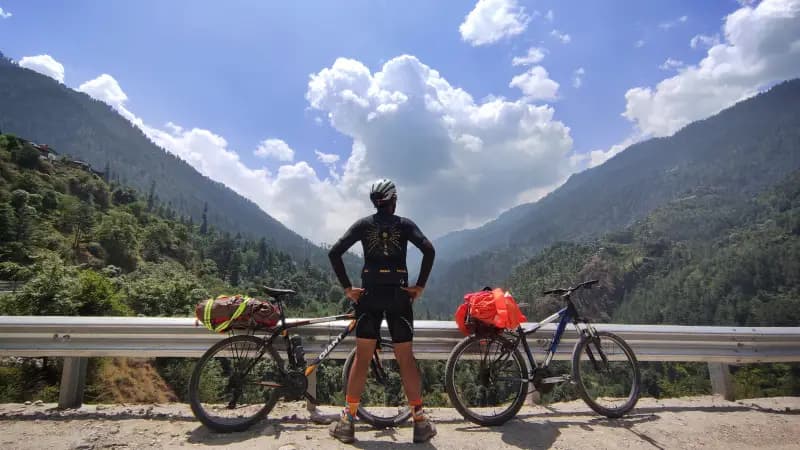
Mountain Biking Adventures
Experience scenic trails around Jibhi, ranging from beginner-friendly paths to challenging mountain routes.
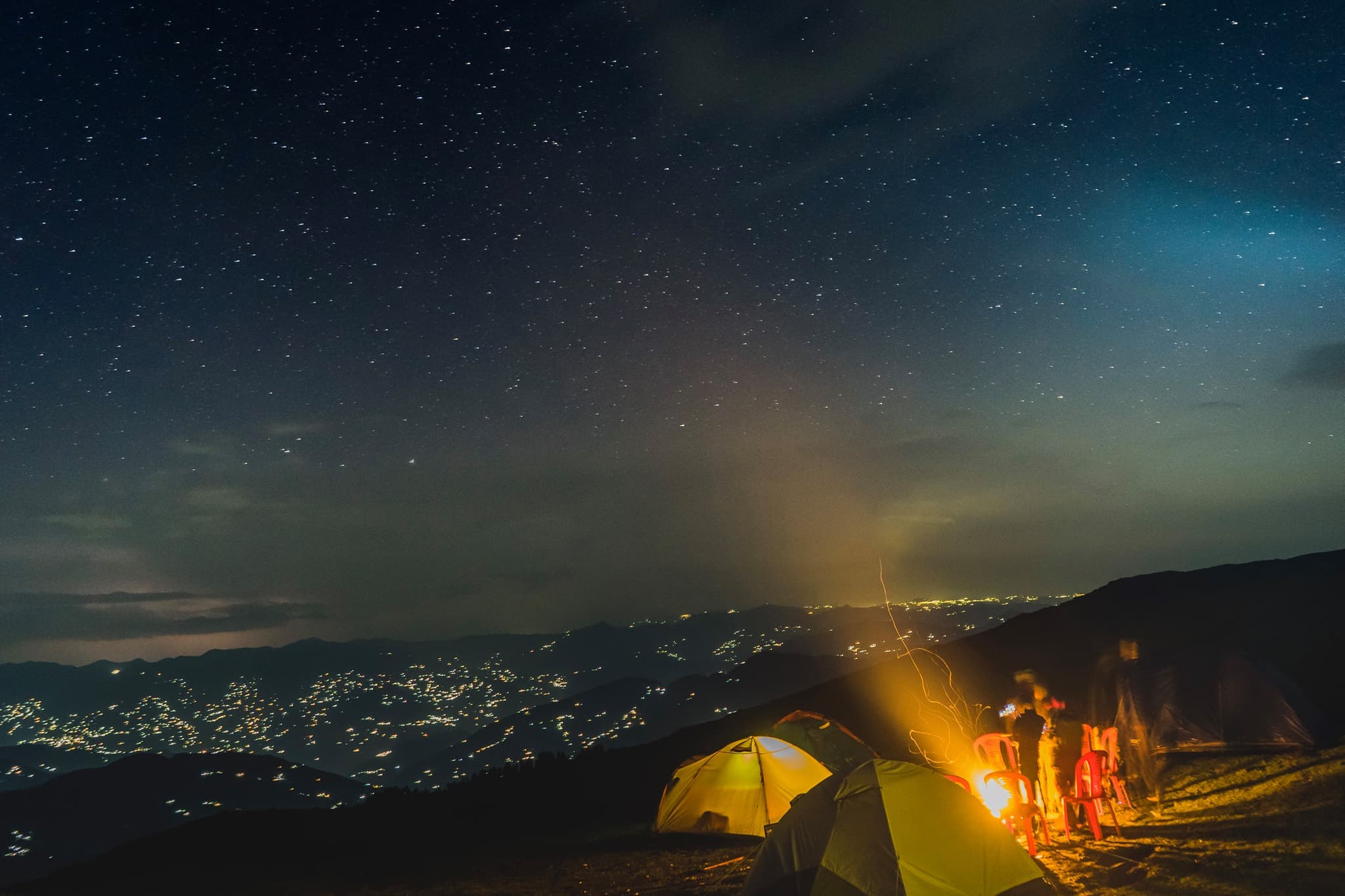
Night at Raghupur
Spend an unforgettable night under a starlit sky at Raghupur Fort, surrounded by Himalayan peaks and serene wilderness.
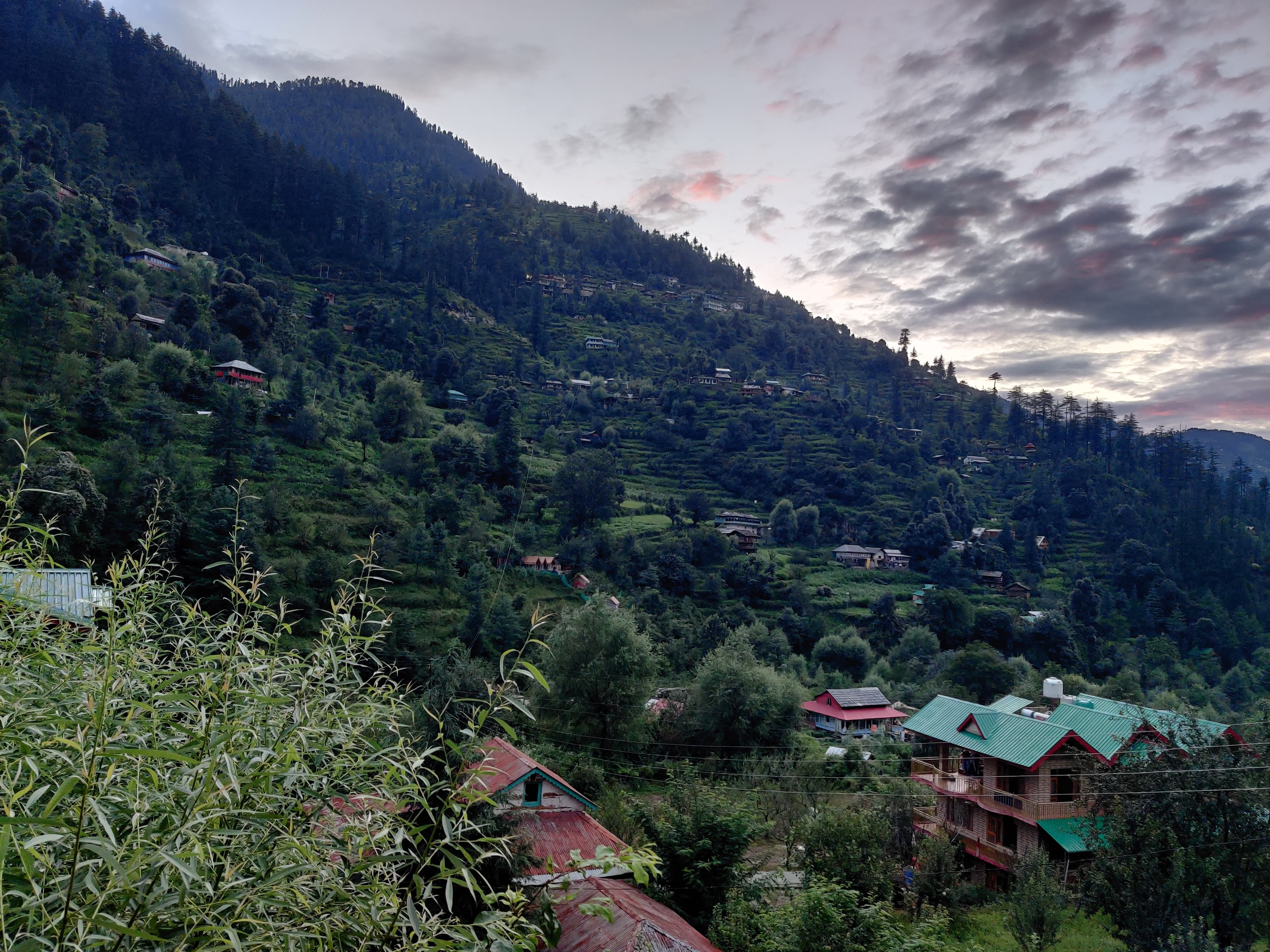
Photography Walk in Local Villages
Explore the rustic charm of nearby villages, capturing wooden houses, terraced fields, and everyday mountain life through your lens.

Riverside Picnic
Unwind with a serene riverside picnic at Ailyak, where nature meets relaxation and delicious local food.
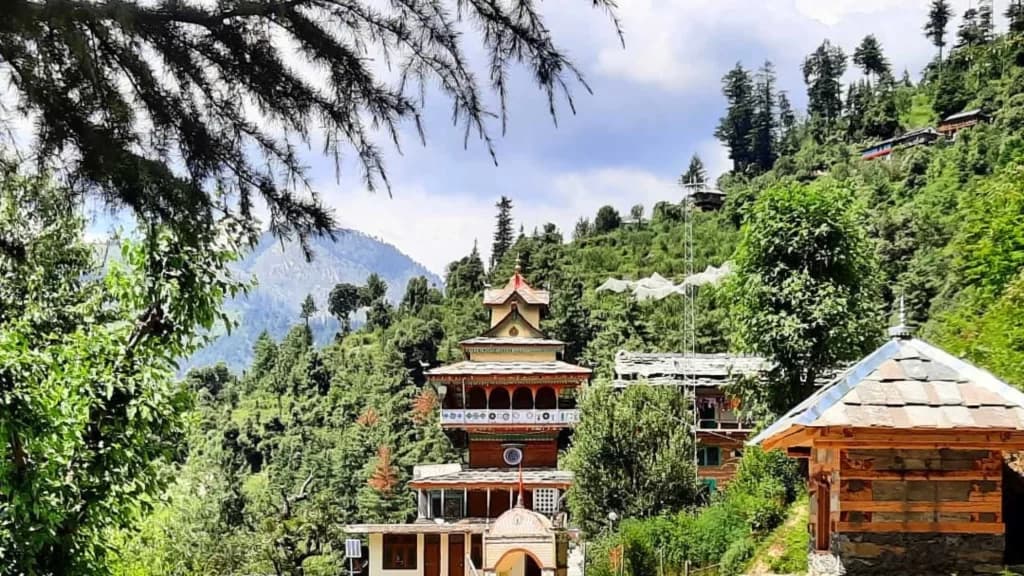
Temple Trail Exploration
Discover ancient wooden temples that reveal Jibhi’s unique architecture and centuries-old spiritual traditions.
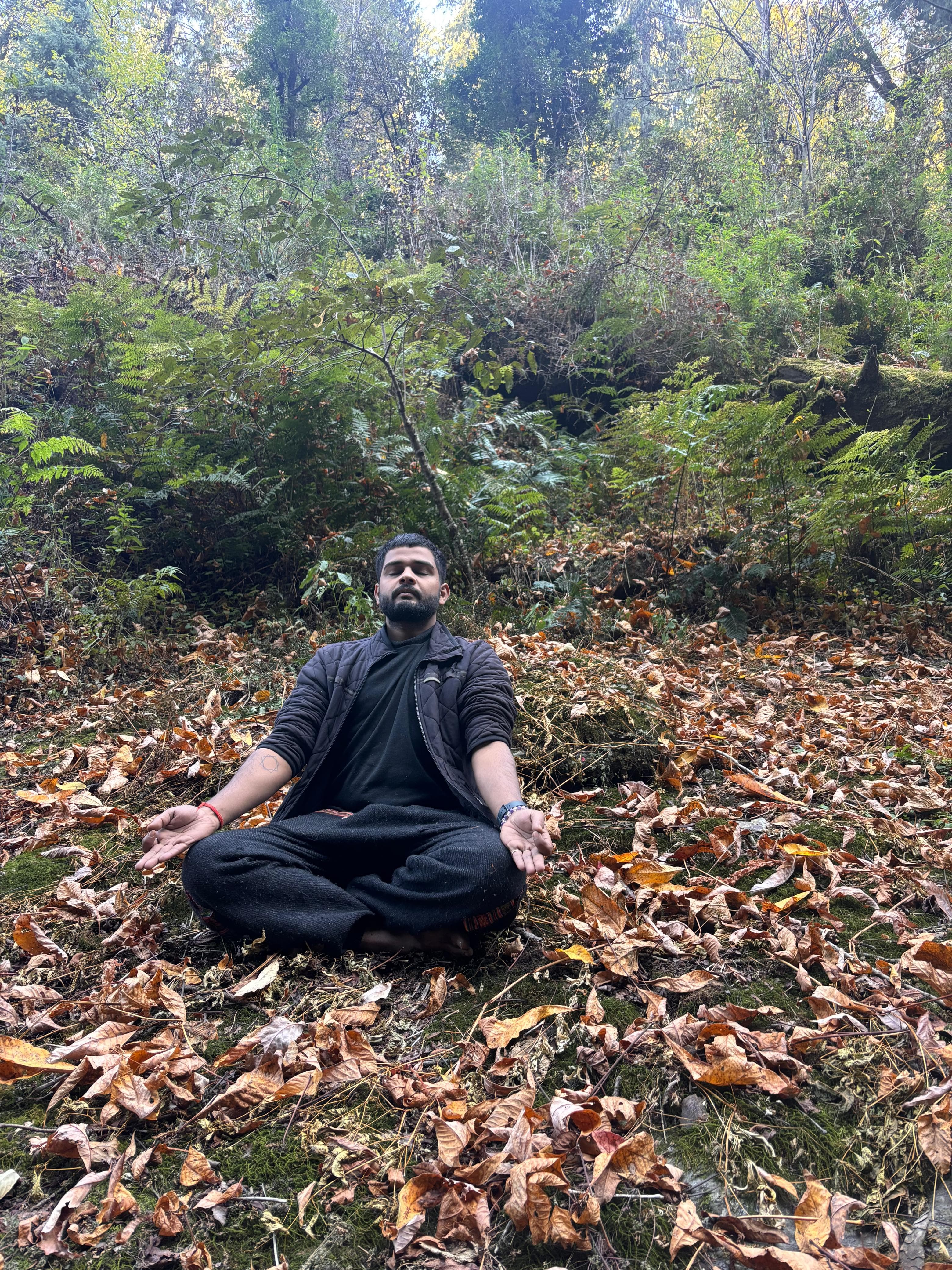
Wellness and Yoga
Find inner peace with yoga and meditation sessions amidst Jibhi’s mountains, guided by Ailyak’s mindful approach.
Frequently Asked Questions about Jibhi Activities
Jibhi is beautiful year-round, but the best time depends on your interests. Spring (March-May) offers pleasant weather and blooming flowers. Summer (June-August) is perfect for outdoor activities. Autumn (September-November) provides clear mountain views. Winter (December-February) offers snow experiences and cozy stays.
Jibhi is accessible by road from major cities. From Delhi: 500km via NH44 and NH5. From Chandigarh: 270km via NH5. The nearest airport is Bhuntar (Kullu) 60km away. Regular buses and private taxis are available from major cities.
Jibhi offers various accommodation options including homestays, guesthouses, and boutique properties like Ailyak Café & Stays. Homestays provide authentic local experiences, while guesthouses offer modern amenities. Book in advance during peak seasons.
Absolutely! Jibhi is very family-friendly with activities suitable for all ages. Easy nature walks, village tours, cultural experiences, and riverside activities are perfect for families. Many accommodations offer family rooms and child-friendly facilities.
Pack according to the season: comfortable walking shoes, weather-appropriate clothing (layers work best), rain protection, sunscreen, hat, camera, basic first aid kit, and any personal medications. Don't forget to bring a sense of adventure and respect for local culture!
More Questions About Things to Do in Jibhi
What are the best things to do in Jibhi?
Visiting Jibhi Waterfall, exploring Shringa Rishi Temple, walking through the apple orchards, and spending time by the Tirthan River to experience the local concept of ailyak — slow, calm living.
How do I get to Chehni Kothi from Jibhi?
Drive 7 km from Jibhi toward Banjar, turn at the Chainsi Marg signboard, then walk about 45 minutes uphill through pine and oak forest from the road-head.
Is trout fishing allowed in Jibhi?
Yes — trout fishing on the Tirthan River is allowed with a permit from the Fisheries Department, available in Larji or Banjar.
What is special about Shringa Rishi Temple?
It is an ancient pagoda-style shrine with carved wooden panels and panoramic valley views, dedicated to the sage Shringa Rishi, and busiest during festivals like Dussehra.
When is the best time to visit Jibhi Waterfall?
The waterfall is at its most powerful during the monsoon months, July to September.
Ready for Your Jibhi Adventure?
Book your stay at Ailyak Café & Stays and experience the best of Jibhi's activities
Plan Your Adventure