Jibhi and Shoja: Twin Mountain Villages Guide
25 Aug 2026•6 min read
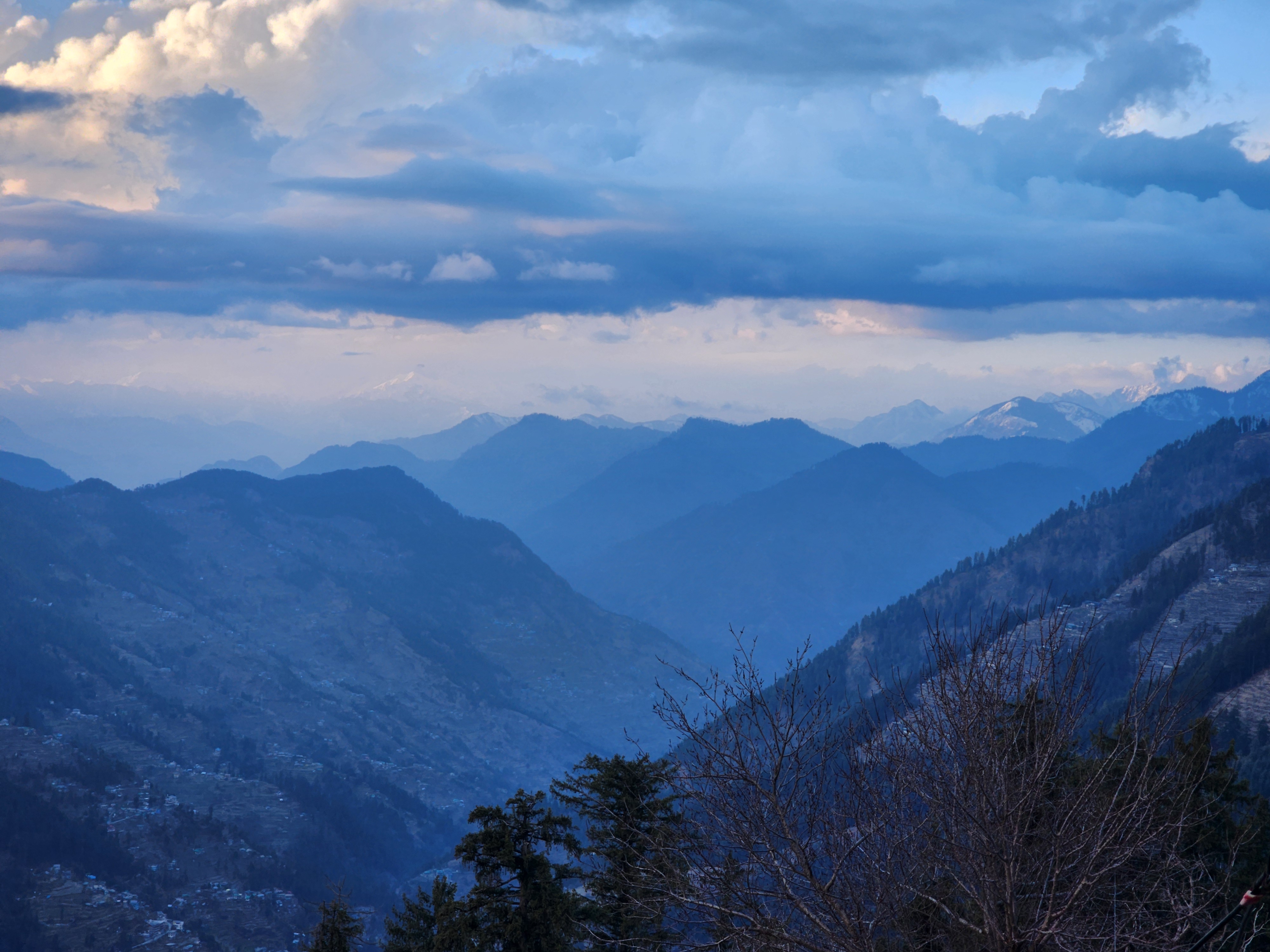
Complete guide to Jibhi and Shoja villages in Himachal Pradesh. Discover activities, best places to stay, seasonal tips, and how to reach these serene mountain destinations.
Share this guide
Jibhi and Shoja: Your Complete Guide to Himachal's Twin Mountain Villages
Meta Title: Jibhi Shoja Travel Guide - Activities, Stay & How to Reach | Himachal Pradesh Meta Description: Complete guide to Jibhi and Shoja villages in Himachal Pradesh. Discover activities, best places to stay, seasonal tips, and how to reach these serene mountain destinations.
Where is Shoja in Himachal Pradesh?
Shoja sits at approximately 2,700 meters above sea level in the Banjar Valley of Himachal Pradesh, positioned about 5 kilometers uphill from Jibhi. This small mountain village serves as a gateway to the Jalori Pass and offers a quieter alternative to its more popular neighbor. The village belongs to the Kullu district and forms part of the greater Tirthan Valley ecosystem, making it an ideal base for exploring the region's natural attractions.
The relationship between Jibhi and Shoja creates a natural circuit for travelers. While Jibhi offers more accommodation options and serves as the valley's main hub, Shoja provides higher altitude experiences and serves as the starting point for several mountain treks.
Getting from Jibhi to Shoja
The journey from Jibhi to Shoja covers a winding mountain road that climbs steadily through deodar forests. Local taxis regularly ply this route, and the drive offers glimpses of the Tirthan River valley below. The road conditions vary seasonally, with monsoon months requiring extra caution due to potential landslides.
Most travelers use Jibhi as their base and make day trips to Shoja, though staying overnight in Shoja offers the advantage of early morning mountain views and easier access to high-altitude treks. The route passes through small hamlets where you can observe traditional Himachali architecture and terraced farming practices.
Activities and Experiences in Shoja
Jalori Pass Trek
Shoja serves as the primary starting point for the trek to Jalori Pass, one of the region's most accessible high-altitude experiences. The trek offers panoramic views of the surrounding peaks and connects to longer routes toward Serolsar Lake. The pass remains accessible most of the year, though winter conditions require proper preparation.
Serolsar Lake
This sacred lake sits about 5 kilometers from Jalori Pass through a well-marked forest trail. The lake holds religious significance for locals and offers a peaceful setting surrounded by dense forest. The trek combines moderate difficulty with rewarding mountain scenery.
Village Walks and Cultural Immersion
Shoja village itself provides opportunities to observe traditional mountain life. The village maintains its authentic character with traditional wooden houses and terraced fields. Local families often welcome visitors interested in learning about mountain agriculture and traditional crafts.
Photography and Nature Observation
The higher altitude and clearer air in Shoja create excellent conditions for landscape photography. Early morning and late afternoon light illuminate the surrounding peaks, while the village's traditional architecture provides compelling foreground elements.
Seasonal Considerations for Shoja
Summer Months (April to June)
Summer brings the most comfortable weather for outdoor activities in Shoja. The higher altitude keeps temperatures pleasant even when the plains experience intense heat. This season offers the best conditions for trekking and camping activities.
Monsoon Period (July to September)
Shoja in July experiences the monsoon season, which brings lush greenery but also increased landslide risk on mountain roads. The village receives significant rainfall, making some trekking routes challenging. However, the landscape transforms into vibrant greens, and waterfalls become more prominent.
Winter Season (October to March)
Winter transforms Shoja into a snow-covered landscape, particularly from December through February. The village experiences heavy snowfall, which can temporarily cut road access. Winter visitors should prepare for cold temperatures and potential travel disruptions, but the snow-covered scenery offers unique photographic opportunities.
Accommodation Options
Staying in Shoja Village
Shoja offers limited but authentic accommodation options, primarily in traditional guesthouses and homestays. These properties provide basic amenities while maintaining the village's rustic character. Staying in Shoja allows for early morning mountain views and immediate access to trekking routes.
Jibhi as Your Base
Many travelers prefer staying in Jibhi due to its wider range of accommodation options and better connectivity. From Jibhi, Shoja remains easily accessible for day trips while providing more dining and shopping options for extended stays.
Shoja Cafe Culture and Local Food
The village maintains a small but growing cafe culture, with local establishments serving traditional Himachali food alongside traveler-friendly options. These cafes often occupy traditional wooden buildings and provide warm spaces during colder months. Local specialties include siddu, trout preparations, and various dal-based dishes using locally grown ingredients.
Planning Your Jibhi-Shoja Circuit
Day Trip Itinerary
Start early from Jibhi to reach Shoja by mid-morning. Spend the day exploring the village and nearby trails, with lunch at a local cafe. Return to Jibhi by evening, allowing time for the winding mountain drive.
Extended Stay Options
Consider splitting your time between both villages to experience different aspects of the valley. Spend 2-3 days in Jibhi exploring the main valley attractions, then move to Shoja for 1-2 days focused on high-altitude activities and mountain experiences.
Connecting to Broader Valley Exploration
Both villages serve as excellent bases for exploring the wider Banjar Valley region. Consider combining your visit with trips to other nearby destinations accessible from this area. Check our valley updates for current road conditions and seasonal accessibility.
Practical Travel Tips
Transportation
Local taxis provide the most reliable transportation between villages. Shared taxis operate on popular routes, though private vehicles offer more flexibility for exploring multiple locations. Road conditions can change rapidly during monsoon and winter seasons.
Packing Essentials
Pack layers for varying temperatures, especially if visiting during shoulder seasons. Comfortable walking shoes are essential for village exploration and short treks. Bring a good camera to capture the mountain scenery and traditional architecture.
Connectivity and Services
Both villages have limited but functional mobile connectivity. ATM services are more readily available in Jibhi, so carry sufficient cash when staying primarily in Shoja. Basic medical facilities exist in the area, though serious emergencies require evacuation to larger towns.
Exploring Beyond Jibhi and Shoja
The villages serve as gateways to numerous activities and attractions throughout the Banjar Valley. Consider extending your itinerary to include other valley destinations, each offering unique perspectives on Himachali mountain culture and natural beauty.
The combination of Jibhi's accessibility and Shoja's mountain character creates an ideal introduction to Himachal Pradesh's mountain regions. Whether you're seeking adventure activities, cultural immersion, or simply peaceful mountain time, these twin villages provide a solid base for exploring one of India's most beautiful mountain valleys.
Plan your visit according to your preferred activities and weather conditions, keeping in mind that each season offers distinct advantages for different types of experiences in this mountain region.
Jibhi Trip Essentials
For planning routes, timing, and live conditions, use the core Jibhi guides:
Related reads
- Shoja Village: Where the Himalayas Whisper Secrets
Shoja Village: Where the Himalayas Whisper Secrets
- Shoja Uncovered: Where Mountain Stillness Meets Warmth in a Cup
Discover the best cafes in Shoja, snow updates, and unique cultural experiences. Plan your Jibhi Shoja trip with soulful stays and slow travel in 2026.
- The Quiet Magic of Shoja: A Mountain Pause Above the Clouds
Find the best Cafés in Shoja, experience ailyak living, and plan your Jibhi-Shoja trip with seasonal tips, snow updates, and cultural stays.
- Where the Mountains Whisper: A Quiet Journey Through Shoja and the Soul of Jibhi Valley
Cafe in Shoja? Discover the quiet charm of Shoja village, April travel tips, and where to find warmth between Jibhi and Jalori Pass.
- Shoja Village: The Quiet Gateway to Jalori Pass and Hidden Himalayan Serenity
Explore Shoja village, a serene Himalayan hamlet just 16 km from Jibhi, where pine forests, river trails, and wooden cottages create a slow-paced escape. Walk to hidden riverside cafes, spot high-altitude birds, and soak in the snow-fed beauty of the Tirthan Valley—all in one immersive day. ---
- Shoja Uncovered: Where the Himalayas Whisper and Time Slows to a Hush
Discover Shoja: serene Himalayan village near Jibhi. Find travel tips, snow season dates, cultural experiences, and peaceful stays for 2026.
Stay Updated
Subscribe to our newsletter for travel tips and updates about Jibhi.