---
## **Jibhi vs. Kasol: Why This Himalayan Valley is Calling You Now**
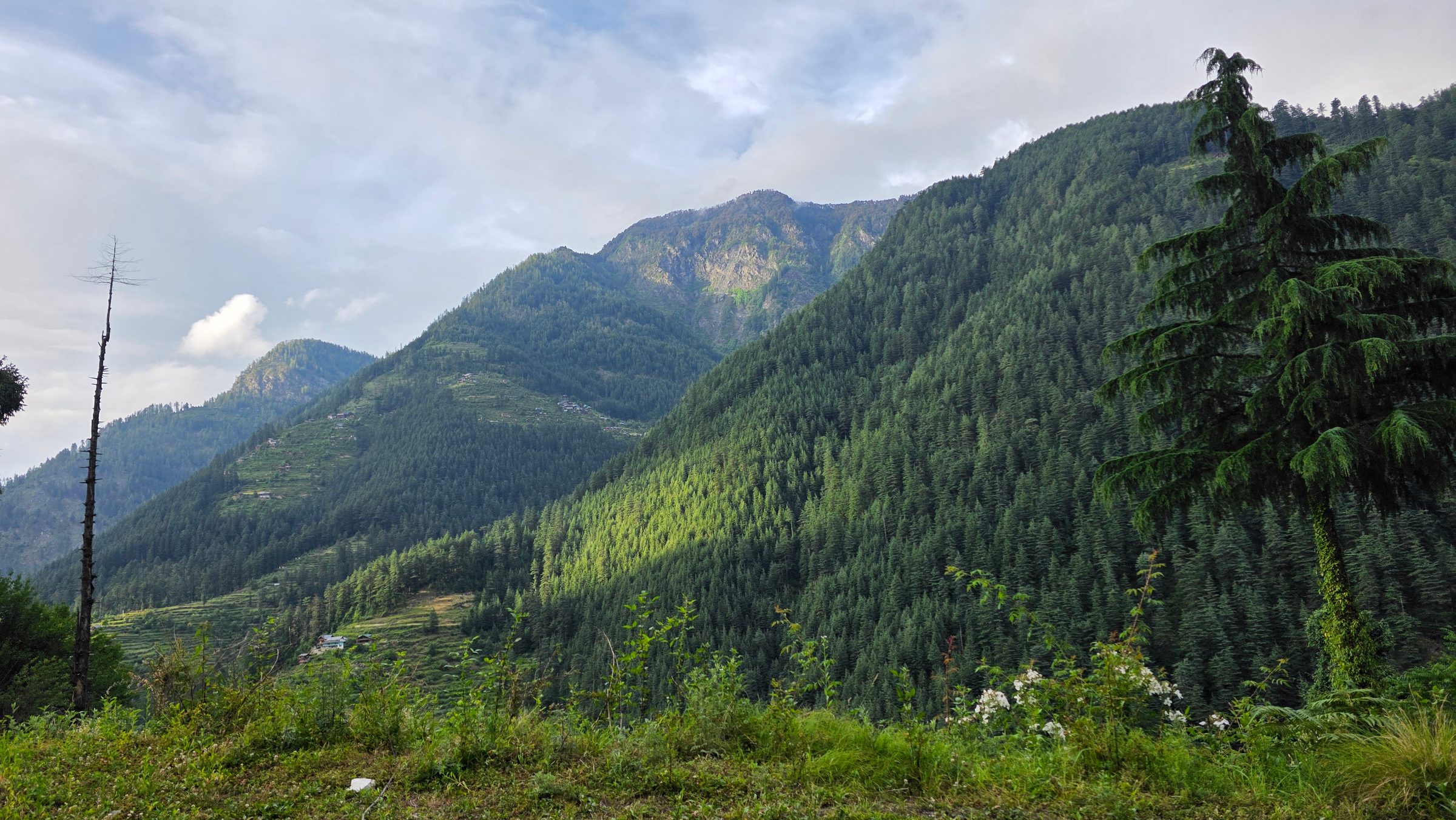
If you’re choosing between **Jibhi** and **Kasol**, you’re likely torn between two very different Himalayan escapes. One is a neon-lit backpacker hub, the other a quiet mountain village where time slows to the pace of the Tirthan River. At 2,250m in **Himachal Pradesh**, **Jibhi**—in the **Tirthan Valley**—offers a slower, more authentic Himalayan experience compared to Kasol’s buzzing cafés and rave culture.
So, which is better? Let’s break it down based on what travelers like you are searching for.
---
### **Is Jibhi crowded right now?**
Right now, in **June 2026**, **Jibhi** is in its summer lull—cool, misty mornings, apple blossoms in bloom, and the sound of the Tirthan River drowning out the noise of mass tourism. Unlike Kasol’s packed cafés and hostels, **Jibhi** remains a place where the local concept of *"Ailyak"* (the art of unhurried living) still thrives. The village has no ATM, no ATMs, no traffic jams, and no crowds. If you’re looking to escape the chaos, **Jibhi is the quieter choice**.
---
### **Is it safe to go to Jibhi now?**
Yes—**Jibhi is safe to visit in June 2026**. The roads are open, the weather is pleasant, and the Great Himalayan National Park buffer zone is accessible. However, be prepared for:
- **Limited mobile network** (BSNL works best; Airtel is patchy).
- **Occasional electricity cuts** in monsoon months (most stays have inverters).
- **Cash shortages** (no ATMs in Jibhi; withdraw in Banjar or Aut before arriving).
If you’re traveling with family or solo, Jibhi’s peaceful atmosphere and low crime rates make it a secure destination.
---
### **Is it raining in Jibhi right now?**
In **late June 2026**, Jibhi is in its pre-monsoon phase—warm days (15–25°C), cool nights, and occasional showers. The monsoon hasn’t fully hit yet, so while you might see a passing cloudburst, heavy rains are unlikely. For real-time conditions, check **[Jibhi weather today](/blog/jibhi-weather-today)** before you go.
---
### **How far is Jibhi from Kasol?**
**Jibhi to Kasol is ~100 km**, a 3–4 hour drive via **Aut Tunnel → Banjar → Bhuntar**. Unlike the direct routes to Manali or Shimla, this path winds through lesser-known valleys, offering quieter roads and stunning views. If you’re coming from Kasol, the journey itself is part of the adventure.
---
### **What to wear in Jibhi in June**
June in **Jibhi** means summer in the Himalayas—mild days and chilly nights. Pack:
- **Light layers** (T-shirts, long-sleeve shirts, a light jacket).
- **Comfortable trekking shoes** (for walks to **Jibhi Waterfall** or **Chehni Kothi**).
- **A rain jacket** (just in case).
- **Woolen socks** (for chilly mornings).
Avoid heavy woolens—June is warm compared to mid-winter.
---
### **Which has better trekking: Jibhi or Kasol?**
**Jibhi wins for serious trekkers**. While Kasol is great for short walks, **Jibhi** is your gateway to:
- **Serolsar Lake** (3,100m, sacred lake trek).
- **Raghupur Fort** (3,300m, 360° Himalayan views).
- **Chehni Kothi** (9-storey medieval tower, 45-minute uphill trek).
- **Great Himalayan National Park buffer zone** (permit required).
For offbeat, non-touristy treks, **Jibhi** is the clear winner.
---
### **Which is better for food: Jibhi or Kasol?**
**Jibhi** offers a taste of authentic **Himachali cuisine**—think *siddu* (steamed bread), *dhaam* (traditional feast), and fresh trout from the Tirthan River. Kasol, meanwhile, is famous for Israeli-style cafés and pita bread. If you want mountain flavors over backpacker food, **Jibhi is the better choice**.
For a full guide, explore **[Traditional Himachali Cuisine in Jibhi](/blog/traditional-himachali-cuisine-jibhi)**.
---
### **Which is better for a workation in the Himalayas?**
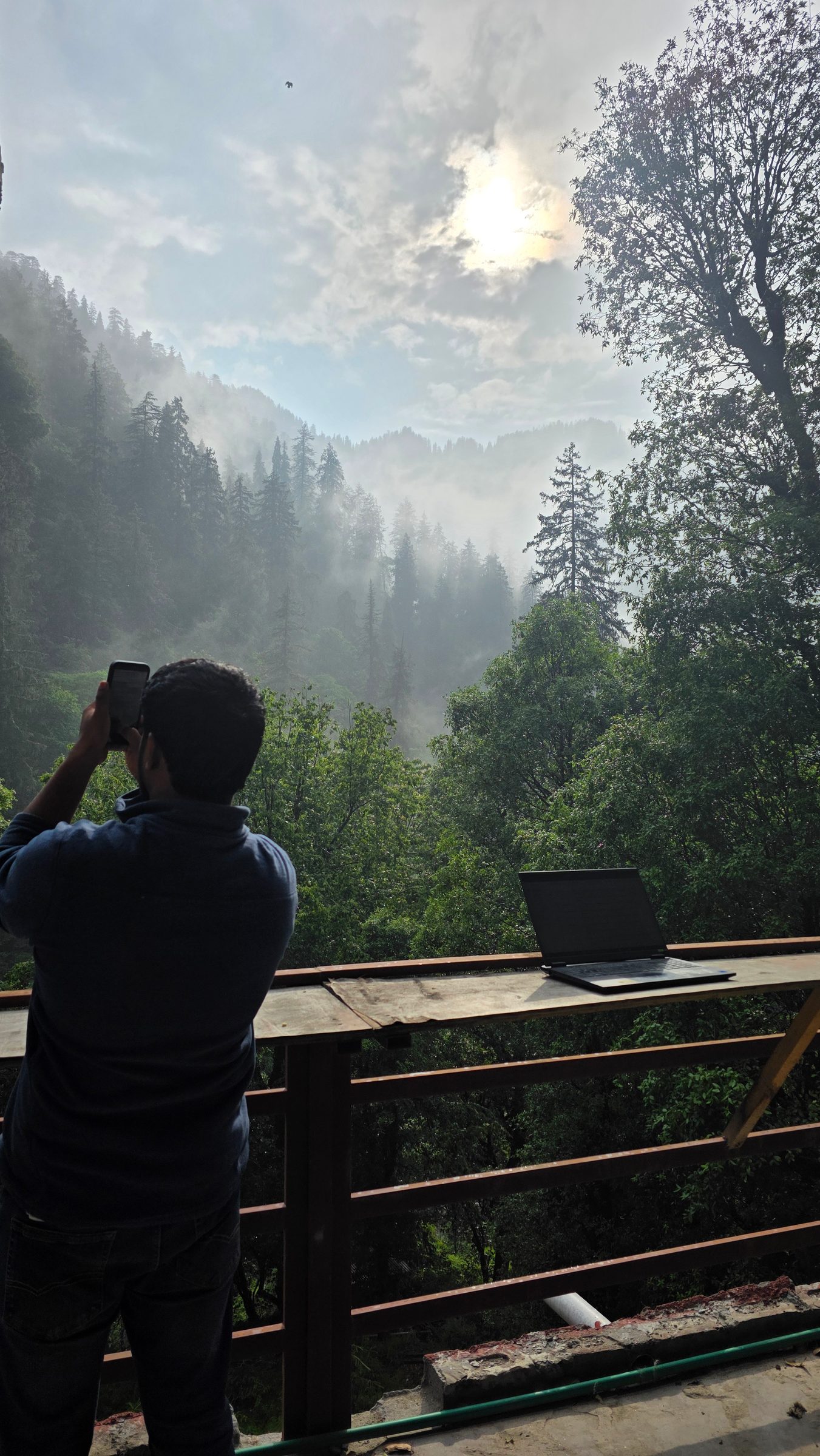
If you’re looking for **Wi-Fi, cafés, and digital nomad hubs**, Kasol has the edge. But if you want **silence, nature, and zero distractions**, **Jibhi** is perfect. Many travelers choose **Jibhi for workations**—clean air, no crowds, and a true mountain escape.
---
### **Which is better overall?**
| **Factor** | **Jibhi** | **Kasol** |
|---------------------|------------------------------------|------------------------------------|
| **Crowds** | Quiet, peaceful | Busy, backpacker-heavy |
| **Trekking** | Offbeat, challenging trails | Short, easy walks |
| **Food** | Authentic Himachali cuisine | Israeli/backpacker cafés |
| **Atmosphere** | "Ailyak" (slow living) | Lively, social |
| **Accessibility** | Requires planning (no ATMs) | Easier logistics |
**Choose Jibhi if:** You want solitude, nature, and Himalayan authenticity.
**Choose Kasol if:** You prefer social energy, easy access, and café culture.
---
### **Final Verdict: Jibhi vs. Kasol**
For most travelers in 2026, **Jibhi is the better choice**—especially if you value peace, adventure, and a slower pace. Kasol is iconic, but it’s no longer the hidden gem it once was. **Jibhi**, with its wooden homestays, trout-filled rivers, and untouched trails, is where the Himalayas still feel wild.
---
### **Plan Your Jibhi Escape**
- **Best time to visit:** October–November (post-monsoon clarity) or March–April (apple blossoms).
- **How to reach:** Drive from **Manali (145 km)** or take an overnight bus to **Aut** then a taxi to Jibhi.
- **Where to stay:** Family-run wooden homestays with views of the Tirthan Valley.
For a full guide, check **[Jibhi Tourism](/blog/jibhi-tourism)** or book a **[Delhi to Jibhi tour package](/blog/delhi-to-jibhi-tour-package)**.
---