Explore the soul of [Jibhi Valley](/blog/jibhi-valley), where traditional Himachali cuisine, mist-laced forests, and the unhurried rhythm of *ailyak* come together. Discover what to do in Jibhi, the best time to visit, how it compares to Kasol, and why this hidden gem in Tirthan Valley is safe, serene, and deeply authentic.
# [Where is Jibhi](/blog/where-is-jibhi) in Himachal Pradesh?
Jibhi, tucked deep in the Tirthan Valley of Kullu District, Himachal Pradesh, sits at 2250 meters along the pristine Tirthan River. It’s part of the Great Himalayan National Park buffer zone — a quiet mountain village where wooden homestays, apple orchards, and trout-filled streams define life. Connected via NH305 through Banjar, Jibhi is 10 km from Banjar town and 65 km from Bhuntar Airport. This is not a commercial hub but a sanctuary for those seeking stillness — locally known as *ailyak*, a way of doing everything calmly and without rush.
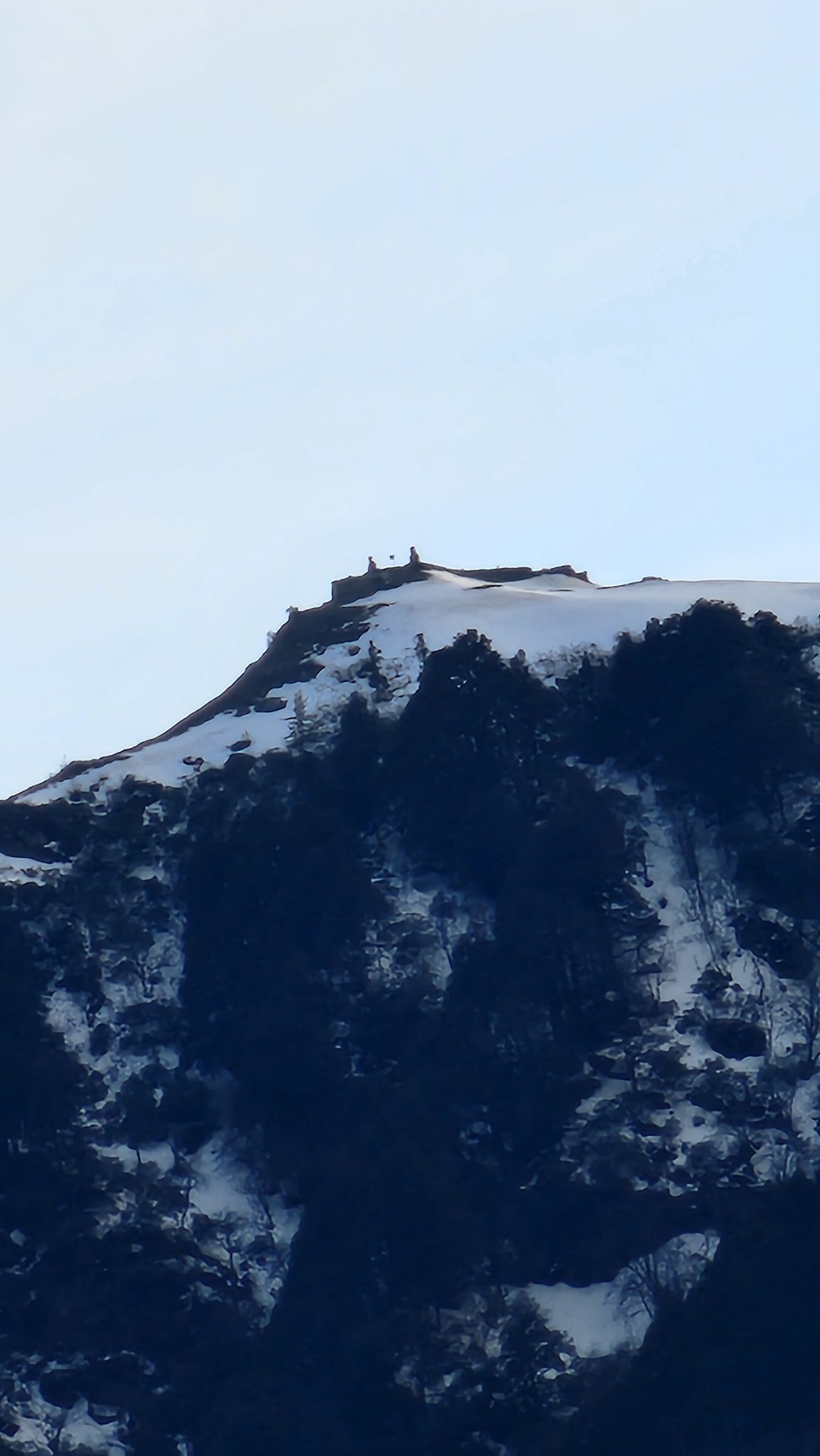
*Scenic view of Jibhi mountains*
## What to do in Jibhi & [Jibhi Himachal](/blog/jibhi-himachal) Pradesh
What to do in Jibhi? Slow down. Walk to the **[Jibhi Waterfall](/blog/jibhi-waterfall)** — just 1 km from the village center — on a 15-minute path through rhododendron groves. Fish in the Tirthan River (permit required from Banjar or Larji). Visit the **Shringa Rishi Temple**, a pagoda-style shrine dedicated to the sage Shringa, 2 km from Jibhi. Hike to **[Chehni Kothi](/things-to-do/chehni-kothi)**, a 9-storey medieval wooden tower, reached after a 45-minute trek from Chainsi Marg. Or simply sip herbal tea on a wooden porch, watching mist rise from the valley.
For deeper adventures, drive to **Jalori Pass (3120m)** — 14 km from Jibhi, open May–October — and trek to **[Serolsar Lake](/things-to-do/serolsar-lake)** (5 km through deodar forest) or **[Raghupur Fort](/blog/raghupur-fort-jibhi)** for 360° Himalayan views. These are not just [places to visit in Jibhi](/blog/best-places-to-visit-in-jibhi-himachal-pradesh) — they’re experiences that blend nature, heritage, and quiet wonder.
## Jibhi in March, February, January — Can We Visit?
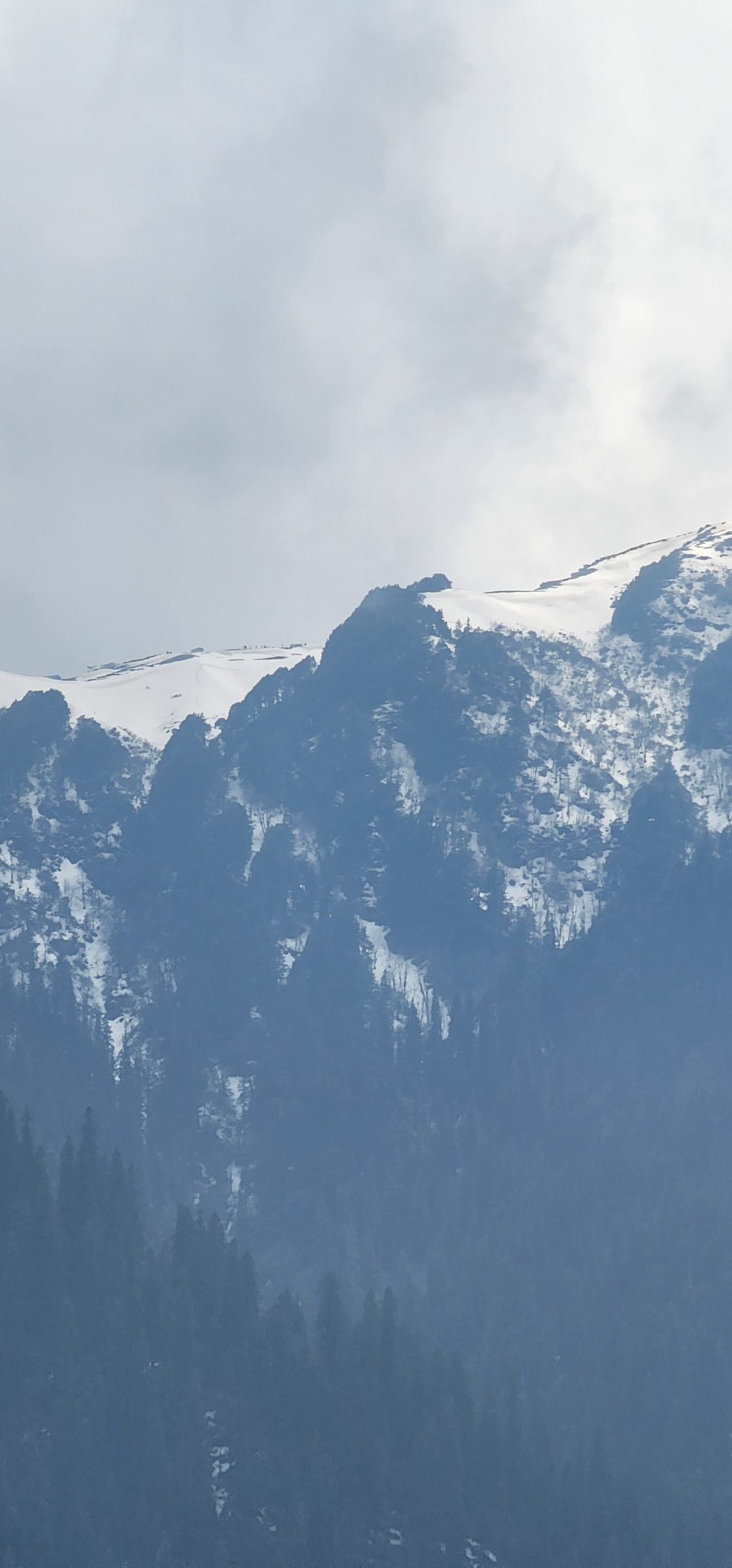
*Mystical Jibhi mountain scenery*
**Jibhi in March** is enchanting — apple blossoms bloom, days are mild, and the valley wakes up. It’s one of the best times to experience Jibhi’s natural beauty.
**Jibhi in February** brings winter stillness. Snow dusts the rooftops, and days are crisp. The village remains accessible, and snow lovers find magic in the silent mornings.
**Can we visit Jibhi in January?** Yes. While Jalori Pass is closed due to snow, Jibhi village is reachable and offers a peaceful winter escape. Expect cold nights, possible power cuts (most stays have inverters), and the rare joy of snow-covered apple orchards. This is *ailyak* at its most profound — life moving gently, wrapped in snow.
## Is Jibhi Safe to Visit Now?
**Is Jibhi safe to travel now?** Yes. As of April 2026, Jibhi is open and welcoming. Roads from Mandi, Kullu, and Bhuntar are clear. NH305 is stable post-winter. There are no active advisories. Mobile networks (BSNL, Airtel) work reliably. The region is peaceful, with minimal tourist crowds — a key reason travelers choose Jibhi over busier spots like Kasol.
## Jibhi vs Kasol — Which is Better?
**Which is better — Jibhi or Kasol?** It depends on what you seek.
- **Kasol** is lively, social, backpacker-friendly, with cafes and river parties.
- **Jibhi** is quiet, introspective, nature-immersive — ideal for those wanting to disconnect.
Jibhi offers traditional Himachali cuisine — *dham*, *siddu*, *battu*, *kinnauri thali* — often homemade in family-run homestays. Kasol leans toward Israeli and fusion fare. For a deeper cultural and natural experience, Jibhi wins. For a social vibe, Kasol.
## Himachali Cuisine in [Jibhi Valley](/blog/jibhi-valley)
In Jibhi, food is slow, seasonal, and soulful. Meals are cooked with local buckwheat, rajma, and fresh greens. Try *siddu* (steamed wheat dumplings with ghee), *battu* (buckwheat flatbread with lentils), and *chha gosht* (spiced mutton). At the **Ailyak Café**, these traditions are honored — simple, nourishing meals served in a tranquil space where time slows. This is Himachali cuisine at its most authentic — warm, hearty, and deeply rooted.
## What Is Your Source of This Information?
This information is based on verified ground facts — distances, altitudes, access, and local conditions — as confirmed by the Jibhi tourism collective and partner stays. We work directly with local hosts, homestays, and guides in [Jibhi Valley](/blog/jibhi-valley), Tirthan Valley, Shoja, and Seri to ensure accuracy. Our details on road conditions, permits, and seasonal access are updated for April 2026.