# Himachali Food: The Flavour of the Himalayas in Jibhi
Nestled in the quiet embrace of Tirthan Valley at 2250m, Jibhi is more than just a destination—it’s a sensory journey. And at the heart of that experience is *himachali food*: earthy, nourishing, and steeped in mountain tradition. If you’ve ever wondered what **food in Jibhi** truly tastes like, it’s this: warm *dham* served on *pattals*, slow-cooked *khatta*, the aroma of *sewai* steaming in milk, and trout fresh from the Tirthan River.
This is not restaurant cuisine. It’s **local himachali food**—humble, honest, and made with ingredients grown in apple orchards, foraged from forests, or sourced from village farms. Whether you're here in April, when apple blossoms paint the valley pink, or in October, when the air turns crisp and golden, **jibhi local food** offers a taste of seasonal rhythm and mountain resilience.
## What Makes Himachali Food in Jibhi Special?
**Jibhi famous food** isn’t about extravagance—it’s about sustenance shaped by altitude and seasons. The **best food in jibhi** is often served in family-run homestays and wooden cafés where meals are slow-cooked over wood fires and shared like stories.
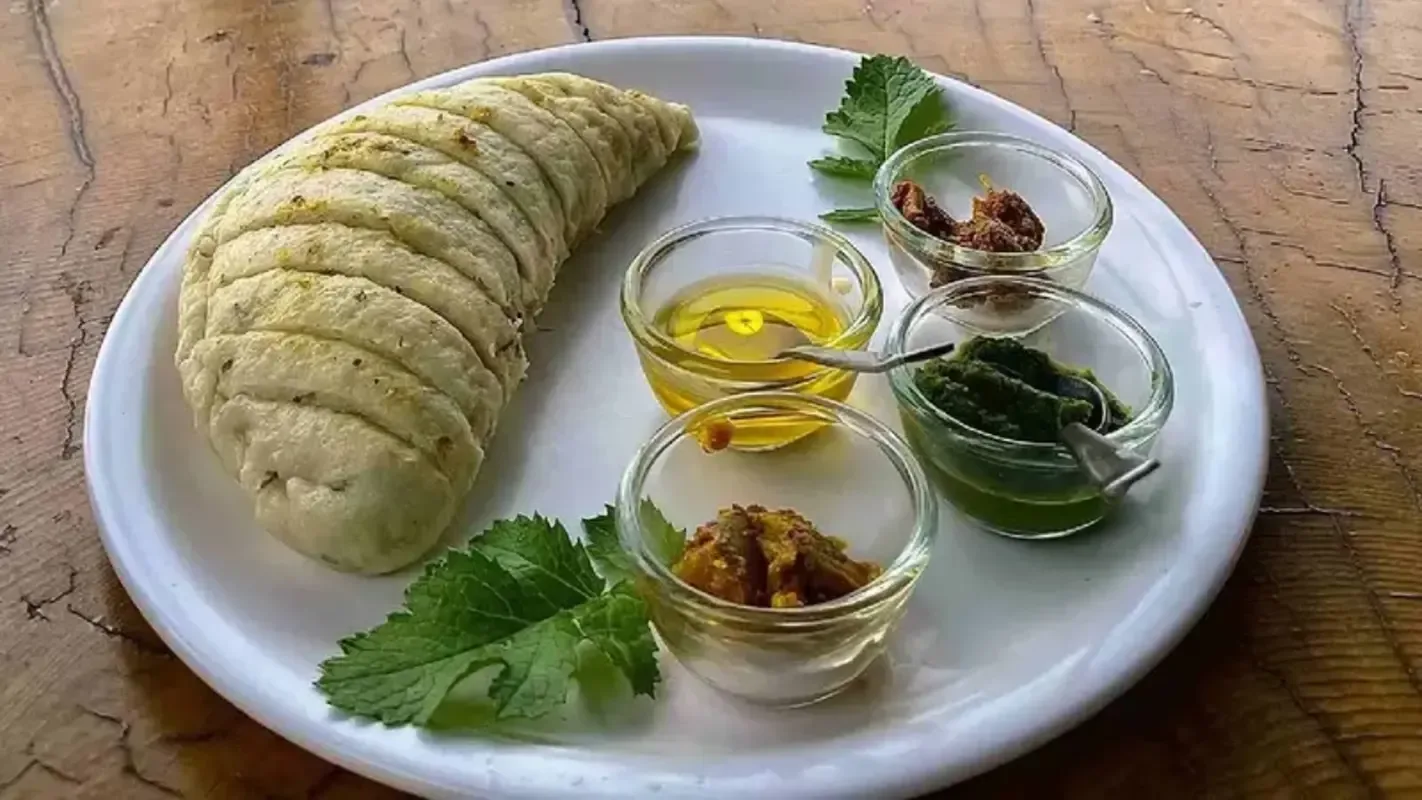
At the core of **himachali local food** here is *dham*—a traditional feast served during festivals and celebrations. It features *rajma*, *chana dal*, *kadu*, and *sewai*, all cooked in brass *degchis* and served on leaf plates. In Jibhi, you’ll also find *khatta*, a tangy dish made with tamarind and potatoes, often paired with *maani* (steamed wheat dumplings).
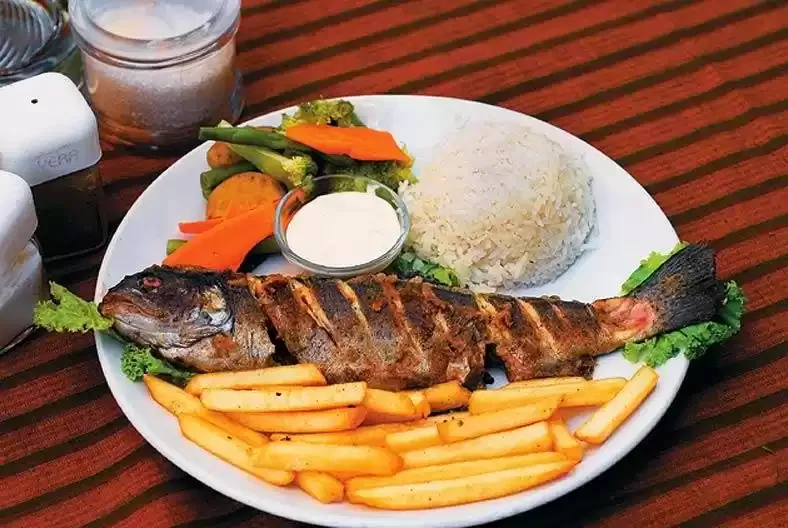
Don’t miss *trout curry*, a local delicacy made with fresh-caught river trout—golden, flaky, and simmered in mustard oil and local spices. It’s a highlight of **jibhi food** culture, though remember: fishing requires a permit from Banjar or Larji.
For breakfast, try *pahadi aloo ke paranthe* stuffed with spiced potatoes, or *makkai ki roti* with homemade *ghee*. Sweet cravings? Seek out *meetha dahi*—thick, sweetened yoghurt—or *balma*, a millet-based dessert often served during harvest season.
### Where to Experience Authentic Himachali Food in Jibhi
Most visitors discover **local himachali food** not in large restaurants, but in intimate spaces where meals are part of the stay. That’s where **Ailyak Stays & Experiences** stands out. Nestled in the heart of Jibhi, Shoja, and Seri, Ailyak doesn’t just offer accommodation—it weaves food into its philosophy of *ailyak*, the local art of unhurried living.
At the **Ailyak Café**, every meal is a quiet celebration of the valley. Think slow-simmered *dhaam*, river-fresh trout (when in season), and *sewai* made with local milk and cardamom. Ingredients are sourced from nearby farms—organic, seasonal, and deeply rooted in the land.
It’s not just about eating—it’s about *experiencing*. Guests gather around bonfires, share meals under apple trees, or enjoy riverside picnics with packed *dhaba-style* lunches. Creative workshops, forest bathing, and cold water dips are paired with nourishing food that fuels both body and soul.
Even if you’re not staying with them, the café serves as a “third space”—a tranquil spot to slow down, savour simple flavours, and feel the rhythm of mountain life.
### Seasonal Bites: What to Eat in Jibhi in April
Right now, in **April 2026**, Jibhi is in full spring bloom. Apple orchards are alive with blossoms, and the air is mild—perfect for long walks and lingering meals. This is the season for fresh greens: *bhangori*, *lambi bhaji*, and *kachila*, often stir-fried with garlic and mustard oil.
**Himachali food** in April also means early rhubarb (*pambhara*) in chutneys, fresh milk from local *doodh walis*, and *gur* (jaggery) harvested from spring sugarcane. It’s the ideal time to try *meetha dahi* with seasonal fruit, or *gahat ke paranthe*—a protein-rich lentil flatbread unique to the region.
---