# Tandi Village: A treehouse paradise
Tandi village is one of the most serene and lesser-known hamlets in the Tirthan Valley, quietly nestled along the banks of the Tirthan River. Located just a short distance from the more frequented Jibhi, Tandi offers untouched beauty, traditional Kullu-style treehouses & wooden homes, and a profound sense of stillness—what locals call *ailyak*, the art of moving through life without rush. Whether you're searching for "tandi jibhi", "tandi village himachal pradesh", or simply "tandi", this hidden pocket of Himalayan life is emerging as a quiet sanctuary for mindful travelers.
## Where is Tandi Village in Himachal Pradesh?
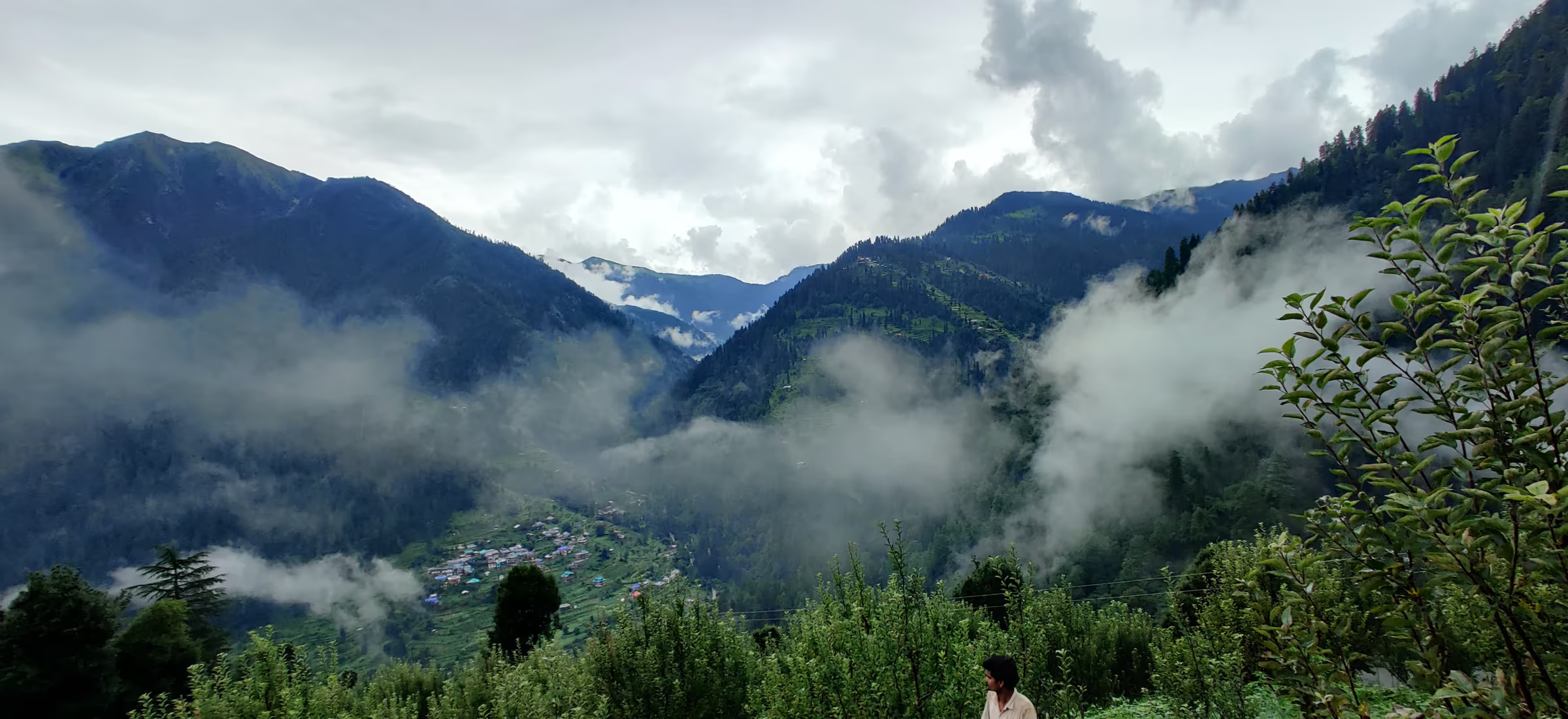
Tandi village lies in the upper reaches of the Tirthan Valley, within the Kullu District of Himachal Pradesh. It sits at an altitude of approximately 2250 meters—on par with neighboring Jibhi—offering crisp mountain air, sweeping views of pine-clad slopes, and the gentle sound of the Tirthan River flowing nearby. While not directly on NH305, Tandi is easily accessible via a short detour from the main Jibhi-Banjar road 7 Kms from Jibhi, making it a peaceful alternative for those seeking solitude without isolation.
## Is Tandi the Same as Jibhi?
No—Tandi and Jibhi are two distinct villages, though often mentioned together due to proximity and shared landscape. Jibhi tends to be the more well-known access point, with more homestays and visitor infrastructure, while Tandi remains quieter, more remote in feel, full of treehouse homestays and ideal for those drawn to offbeat, slow-travel experiences. People searching for “Jibhi Tandi” or “Tandi village Jibhi” often want to understand how these places connect—and they do, both geographically and culturally. Both villages fall within the buffer zone of the Great Himalayan National Park (a UNESCO World Heritage Site), share the same apple orchards, wooden architecture, and trout-filled river, and embody the unhurried *ailyak* rhythm.
## What to See and Do in Tandi
Tandi village itself is a living canvas of traditional mountain life. There are no commercial markets or ATMs here—just treehouse & stone-and-wood homes, fruit-laden orchards, and the scent of deodar in the air. It’s a place best explored on foot. A quiet riverside walk along the Tirthan River, especially at dawn, reveals kingfishers darting and trout gliding beneath clear waters. For those with a fishing permit from the Fisheries Department at Banjar or Larji, catch-and-release trout fishing is a cherished pastime.
The village also serves as a quiet base for exploring nearby wonders. The famous Balo Temple in Bahu is just 12 km from Tandi & is an ancient pagoda style temple at the top of a mountain. Just 13 km from Tandi, the road leads to [Chehni Kothi](/things-to-do/chehni-kothi)—a 9-storey medieval wooden tower reachable after a 45-minute trek. Or drive 20 km to the Jalori Pass trailhead at Shoja; from there, treks to [Serolsar Lake](/things-to-do/serolsar-lake) and [Raghupur Fort](/blog/raghupur-fort-jibhi) begin. Many visitors combine a stay in Tandi with day trips into these high-altitude landscapes.
## Climate and Best Time to Visit Tandi
Like Jibhi, Tandi enjoys a similar climate and seasonal rhythm. The best time to visit is from October to November—post-monsoon skies bring crystal-clear views, golden foliage, and cool, invigorating air. March to April is equally magical, when apple orchards burst into bloom and the valley wears a soft pink haze.
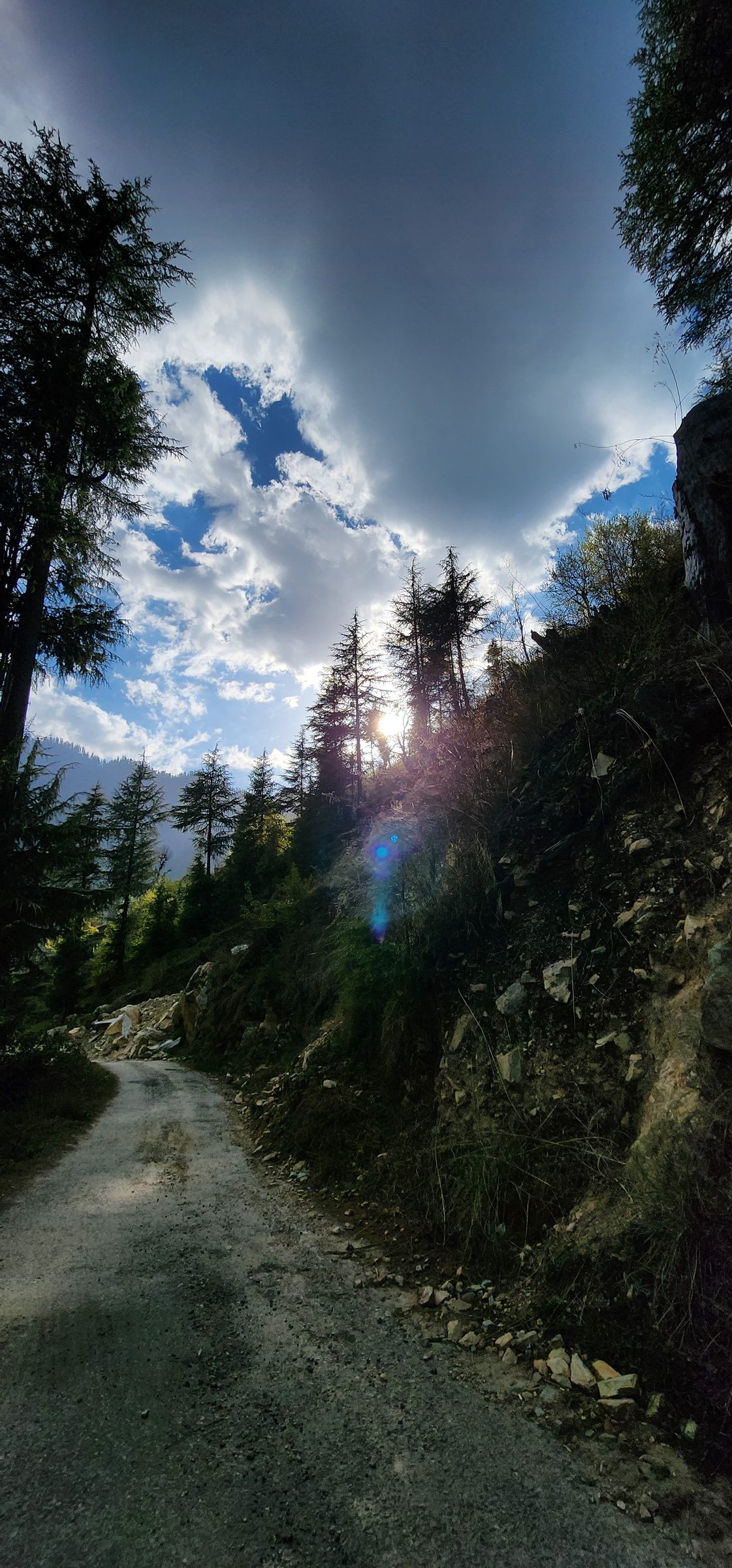
July to August brings heavy monsoon rains; NH305 is prone to landslides, so travel requires caution. December to February sees snowfall, and while Tandi remains accessible, the road to Jalori Pass closes due to snow. Winter, however, offers its own charm—snow-draped rooftops, warm hearths, and a rare chance to experience Himalayan stillness at its most profound.
## Travel Tips for Tandi Village
- **No ATM in Tandi**: Carry sufficient cash. The nearest ATMs are in Banjar (10 km) or Aut (56 km).
- **Mobile network**: BSNL is most reliable; Jio works in most spots. Airtel is patchy.
- **Electricity**: Occasional cuts, especially during monsoon. Most homestays have inverters.
- **Fishing**: Requires a permit—available from the Fisheries Department at Larji or Banjar.
- **Getting there**: 10 km from Banjar (30 mins), 65 km from Bhuntar Airport (2 hours).
Tandi may not be on every traveler’s radar—yet—but those who ask “tandi himachal” or “tandi village” are beginning to discover its quiet magic. It’s a place where time slows, conversations deepen, and nature speaks clearly. For travelers drawn to *ailyak*, the philosophy of unhurried living, a stay at **Ailyak Stays & Experiences**—nestled in the hills near Jibhi and Shoja—offers the perfect gateway. With mindful design, forest immersions, and café moments meant to be savored, Ailyak embodies the spirit of Tandi long after you leave.