# Serolsar Lake: A comprehensive guide
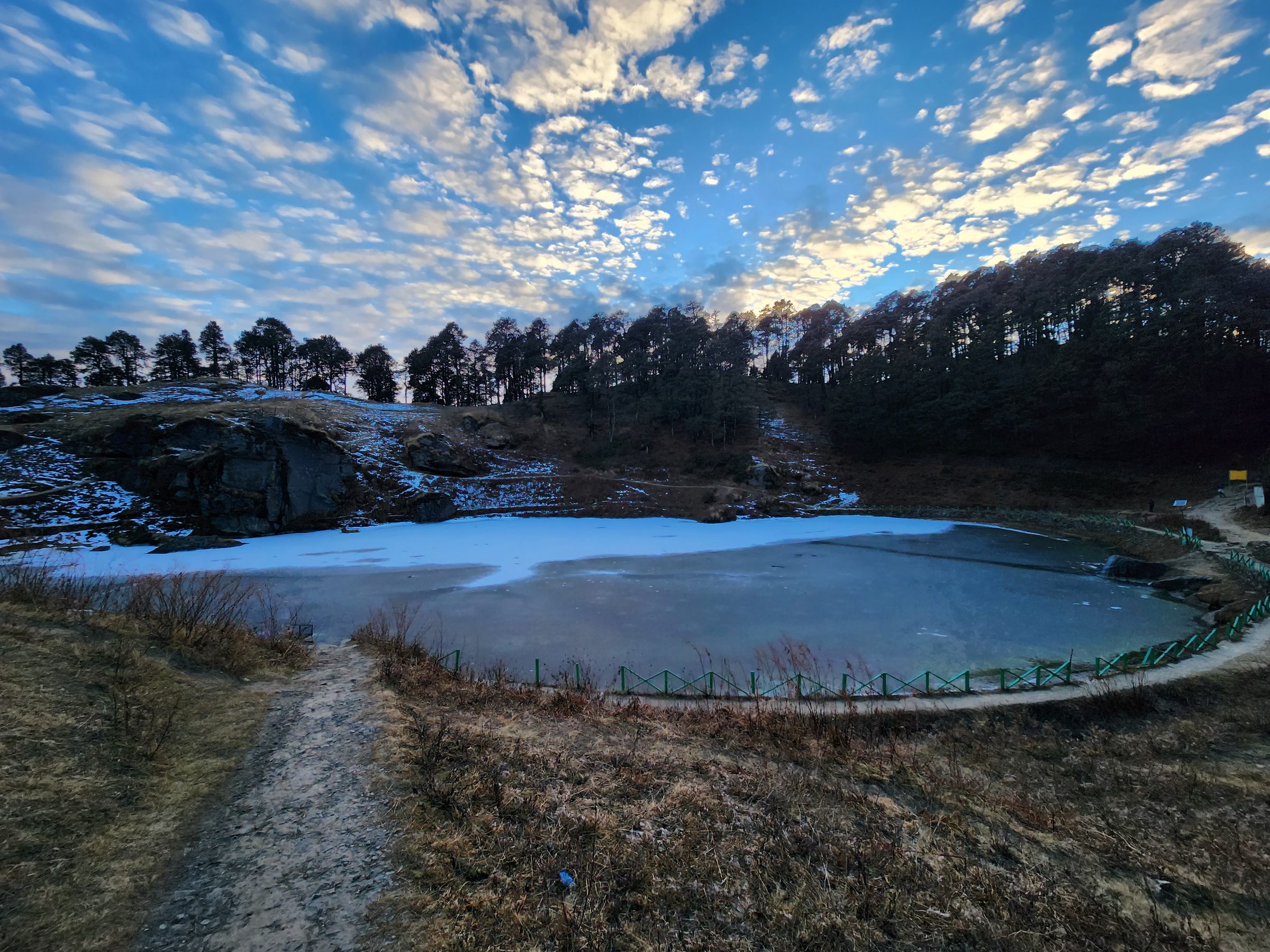
Serolsar Lake, nestled 3,100 meters above sea level, is one of Himachal Pradesh’s most sacred and serene high-altitude lakes. Just **19 km from Jibhi**, this **5 km trek from Jalori Pass** offers a rare blend of spiritual tranquility, rich biodiversity, and breathtaking Himalayan views. Whether you're seeking a **day trek from Jibhi** or a multi-day escape into the **Tirthan Valley**, the **Serolsar Lake trek** is a must-do for nature lovers, birdwatchers, and those craving stillness in the mountains.
## Why the Serolsar Lake Trek Stands Out Among Himalayan Treks
The **Serolsar Lake trek** isn’t just another hike—it’s a journey into the heart of the Himalayas’ spiritual and natural heritage. At **3,100m altitude**, the lake is sacred to the **Budhi Nagin deity**, with a small temple on its banks adding to its mystical allure. Unlike crowded trekking hotspots, this trail remains relatively **offbeat**, offering an intimate experience with dense **deodar and oak forests**, crystal-clear streams, and the chance to spot rare Himalayan birds like the **Himalayan Monal** and **Koklass Pheasant**.
From **Jibhi village**, the trek takes you through **Jalori Pass (3,120m)**, the highest motorable pass in the Kullu region, before descending into the tranquil embrace of Serolsar Lake. The **5 km trail from Jalori Pass** is well-marked, making it accessible to trekkers of all levels, including beginners. What makes this **lake trek from Jibhi** special is its accessibility—no long drives or multi-day commitments are needed, yet the reward is a pristine alpine lake that feels worlds away.
## Best Time to Do the Serolsar Lake Trek: Weather & Seasonal Insights
Timing your **Serolsar Lake trek** is key to a safe and enjoyable experience. The trail is **accessible from May to October**, with each season offering a unique perspective:
- **May–June**: Post-winter thaw, the forest is lush, and wildflowers carpet the trail. Ideal for birdwatching and photography.
- **July–August**: Monsoon season brings heavy rains, making the trail slippery. Best avoided unless you're prepared for wet conditions.
- **September–October**: The **peak season** for the **Serolsar Lake trek**, with crisp air, golden foliage, and clear skies. The lake’s reflections of the surrounding peaks are stunning.
- **November**: Early snowfall may close **Jalori Pass**, but the valley below (including Jibhi) remains accessible for lower-altitude treks.
For the best balance of weather and crowd avoidance, **September–October** is the ideal time. If you’re planning a **popular day trek in Tirthan Valley**, combine your visit with nearby attractions like **Chehni Kothi** or **Jibhi Waterfall** for a full-day adventure.
## Serolsar Lake Trek Difficulty Level: What to Expect on the Trail
The **Serolsar Lake trek difficulty level** is classified as **easy to moderate**, making it perfect for families, beginners, and experienced trekkers alike. Here’s what to expect:
- **Distance**: 5 km one way from **Jalori Pass** (9 km round trip from Jibhi).
- **Duration**: 2–2.5 hours uphill, slightly less on the return.
- **Elevation gain**: ~300m from Jalori Pass.
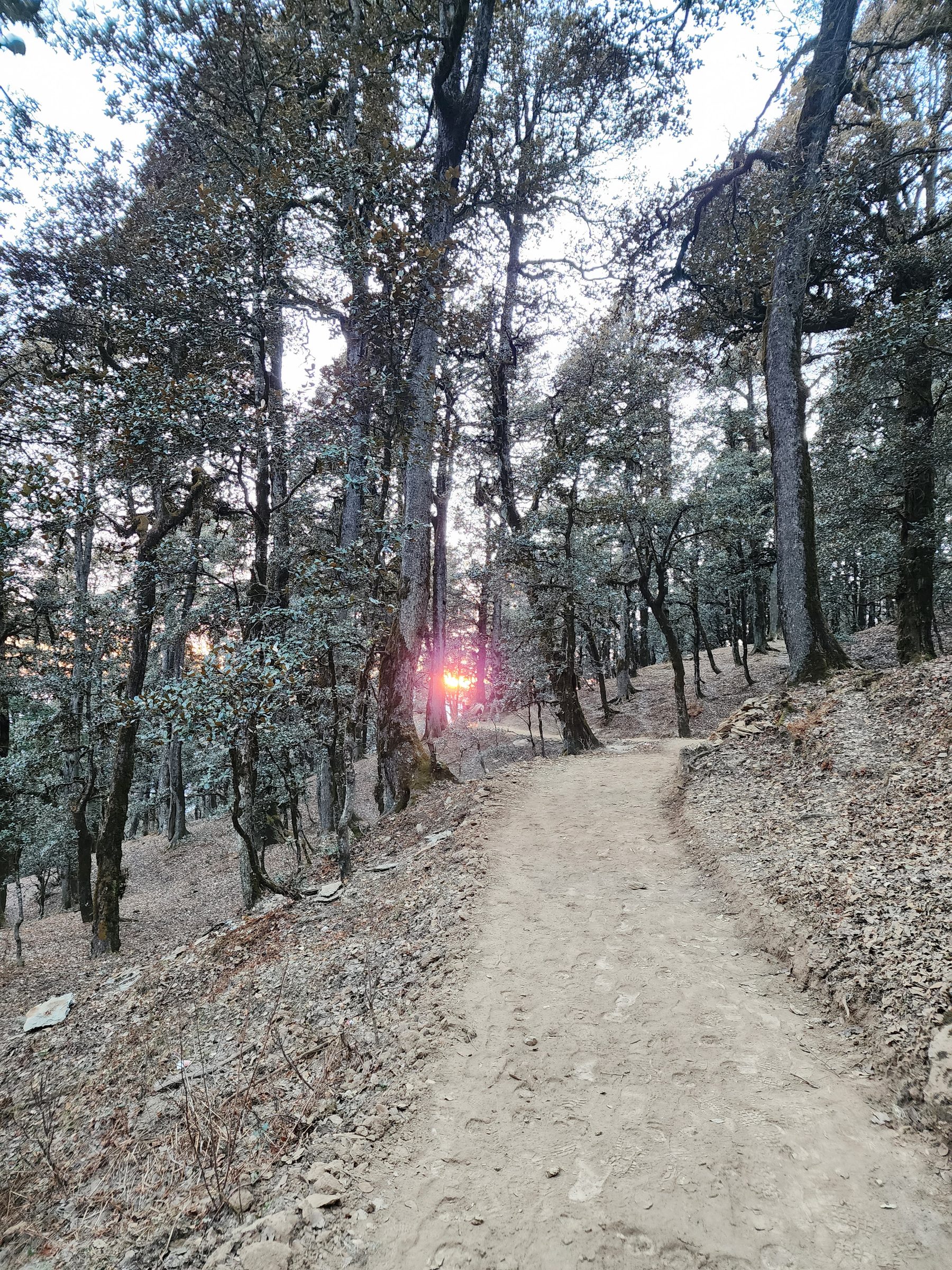
- **Terrain**: Well-defined trail through dense forest, with some rocky and root-covered sections. No technical climbing required.
- **Trail conditions**: Mostly shaded, with occasional steep patches. In monsoon, expect muddy sections.
The trail is **family-friendly**, but young children and those with mobility issues should be cautious on uneven ground. Pack light, wear sturdy shoes, and bring layers—temperatures can drop significantly as you ascend.
## Step-by-Step Guide: How to Reach Serolsar Lake from Jibhi
Getting to **Serolsar Lake from Jibhi** is straightforward, but planning your route ensures a smooth journey:
1. **Reach Jibhi**: From Delhi, drive ~535 km (12–13 hours) via Chandigarh and Mandi. From Manali, it’s ~145 km (4–5 hours) via the **Aut Tunnel**. The nearest airport is **Bhuntar (65 km, 2 hours)**.
2. **Drive to Jalori Pass**: From Jibhi, take **NH305 toward Banjar**, then turn onto the Jalori Pass road at the **Shoja junction**. The drive is **14 km (45 minutes)** on a narrow, winding road.
3. **Start the Trek**: From Jalori Pass, follow the well-marked trail for **5 km** into the forest. The path is steep in sections but manageable for most trekkers.
4. **Reach Serolsar Lake**: The lake appears suddenly, nestled in a bowl surrounded by snow-capped peaks. Spend time exploring the temple, enjoying the stillness, and spotting birds.
Pro tip: Start early to avoid afternoon heat and crowds. Carry water, snacks, and a camera—this is one of the most photogenic spots in **Tirthan Valley**.
## Where to Stay Near Serolsar Lake Trek: Best Homestays in Jibhi
After your **Serolsar Lake trek**, unwind in the warm embrace of Jibhi’s **family-run homestays**. Known for their traditional **Kullu-style wooden architecture** and **Ailyak** (slow-living) vibe, these stays offer a glimpse into the valley’s authentic charm.
- **Ailyak Café & Stays**: A local favorite, this cozy spot offers comfortable rooms, a café serving **traditional Himachali cuisine**, and stunning valley views. Their **apple pies and trout dishes** are a must-try.
- **The Orchard View**: A wooden homestay surrounded by apple orchards, perfect for those seeking peace. Owners often share local stories and tips for hidden trails.
- **Riverwood Homestay**: Located near the **Tirthan River**, this stay offers riverside relaxation and bonfire evenings. Great for groups or solo travelers.
**Pro tip**: Book in advance during peak season (September–October). Most stays don’t have ATMs, so carry cash from **Banjar** (10 km away).
## Essential Tips for the Serolsar Lake Trek
To make the most of your **Serolsar Lake trek**, keep these tips in mind:
✅ **Pack smart**: Wear layers (temperatures drop quickly), sturdy shoes, and rain gear if trekking in monsoon.
✅ **Carry permits**: While no special permit is needed for the trek, **trout fishing permits** (if planning a detour) require a visit to the **Fisheries Department at Larji or Banjar**.
✅ **Network limits**: Mobile signal is patchy; **BSNL** has the best coverage. Inform someone of your plans.
✅ **Monsoon caution**: The trail can be slippery. Avoid July–August unless experienced.
✅ **Respect local culture**: The lake is sacred; dress modestly near the temple.
✅ **Leave no trace**: Pack out all waste—this is a protected forest area.
## Combine Your Trek with Other Adventures in Tirthan Valley
The **Serolsar Lake trek** is just the beginning. Tirthan Valley offers a wealth of experiences:
- **Chehni Kothi Trek**: A **45-minute trek** from the road leads to this **9-storey medieval tower**, one of the tallest traditional structures in Himachal.
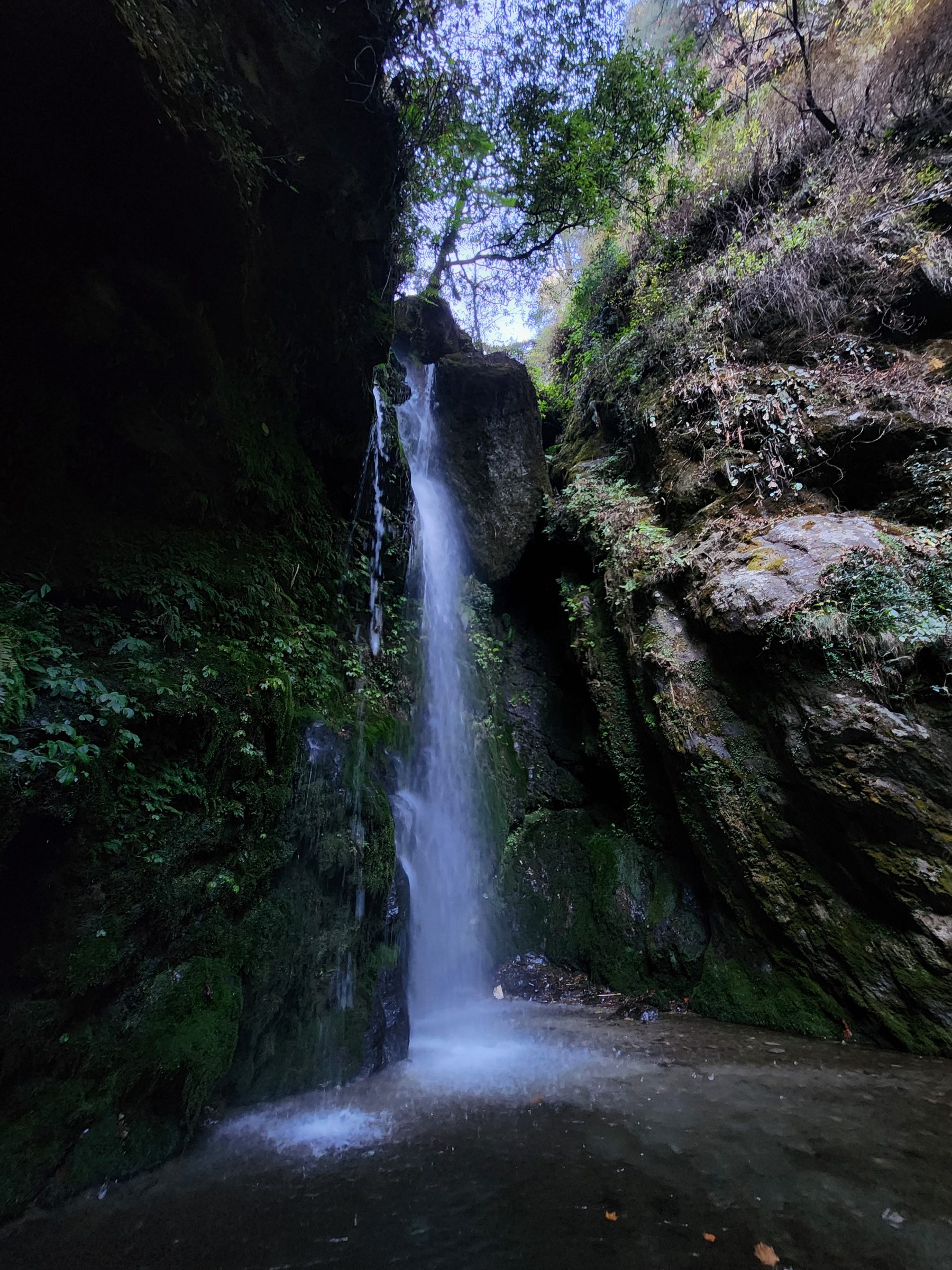
- **Jibhi Waterfall**: A short **15-minute walk** from the village center, perfect for a post-trek dip.
- **Trout Fishing**: The **Tirthan River** is famous for trout. Visit **Larji or Banjar** for permits.
- **Jalori Pass Exploration**: Visit the pass top for panoramic views and tea stalls.
For a longer itinerary, consider a **trip package** like [Escape the Crowds: Your All-Inclusive Delhi to Jibhi Tour Package for a Himalayan Retreat](/blog/delhi-to-jibhi-tour-package).
---
The **Serolsar Lake trek** is more than a hike—it’s a pilgrimage into the soul of the Himalayas. With its **sacred lake, rich biodiversity, and proximity to Jibhi**, it’s a hidden gem waiting to be discovered. Whether you’re a seasoned trekker or a first-time visitor, the trail’s **easy accessibility and profound beauty** make it a **must-do day trek from Jibhi**.
Ready to plan your journey? Explore more about **Jibhi’s best cafes** at [Where the Mountains Whisper: Finding Stillness in Jibhi Valley This April](/blog/best-cafe-in-jibhi) or dive deeper into the valley’s trekking trails at [Jibhi Trekking: Best Trails & Essential Guide](/blog/jibhi-trekking). For real-time weather updates, check [What Jibhi Weather Feels Like Right Now](/blog/jibhi-weather-today).