# Plan a Jibhi Trek to Jalori Pass: All you need to know
Jibhi’s gateway to adventure opens wide in March 2026. Apple blossoms dust the hillsides, the air is crisp, and the road to Jalori Pass is clear—perfect for your first Himalayan trek. Whether you’re a first-timer or a seasoned trekker, the **plan a Jibhi trek to Jalori Pass** route delivers postcard views, sacred alpine lakes, and a taste of the Himalayas without long commitments. Here’s everything you need to know to lace up your boots and hit the trail with confidence.
## Why Jalori Pass is the Perfect Himalayan Escape Near Jibhi
Perched at 3120 m, **Jalori Pass** is the highest motorable pass in Kullu district and the crown jewel of short Himalayan treks. From Jibhi village, it’s just a 45-minute scenic drive via NH305 and Shoja, taking you from lush river valleys to open meadows where snow lingers into early summer. The pass connects you to Serolsar Lake, a sacred alpine lake shrouded in deodar and oak forests, and Raghupur Fort, a silent witness to centuries of history. Unlike crowded circuits, Jalori offers solitude, crisp air, and a trail that’s beginner-friendly—ideal for a day trek or a quick two-day getaway.
## Is Jalori Pass Open Today? Current Status for April 2026
As of today (20 April 2026), **Jalori Pass is open**. The road cleared of winter snow in late April, and the first batch of trekkers are already making their way up. The pass remains accessible until the first heavy snowfall typically arrives in November. If you’re planning a trek in May or June, expect clear skies and alpine blooms; by July, monsoon greens cloak the hills. Always check local updates a day before departure—landslides can briefly close NH305 between Banjar and Jibhi.
> 📌 Tip: Carry cash beyond Banjar—there’s only one ATM in Jibhi village.
## Is There Snow in Jalori Pass Now? What to Expect on the Trail
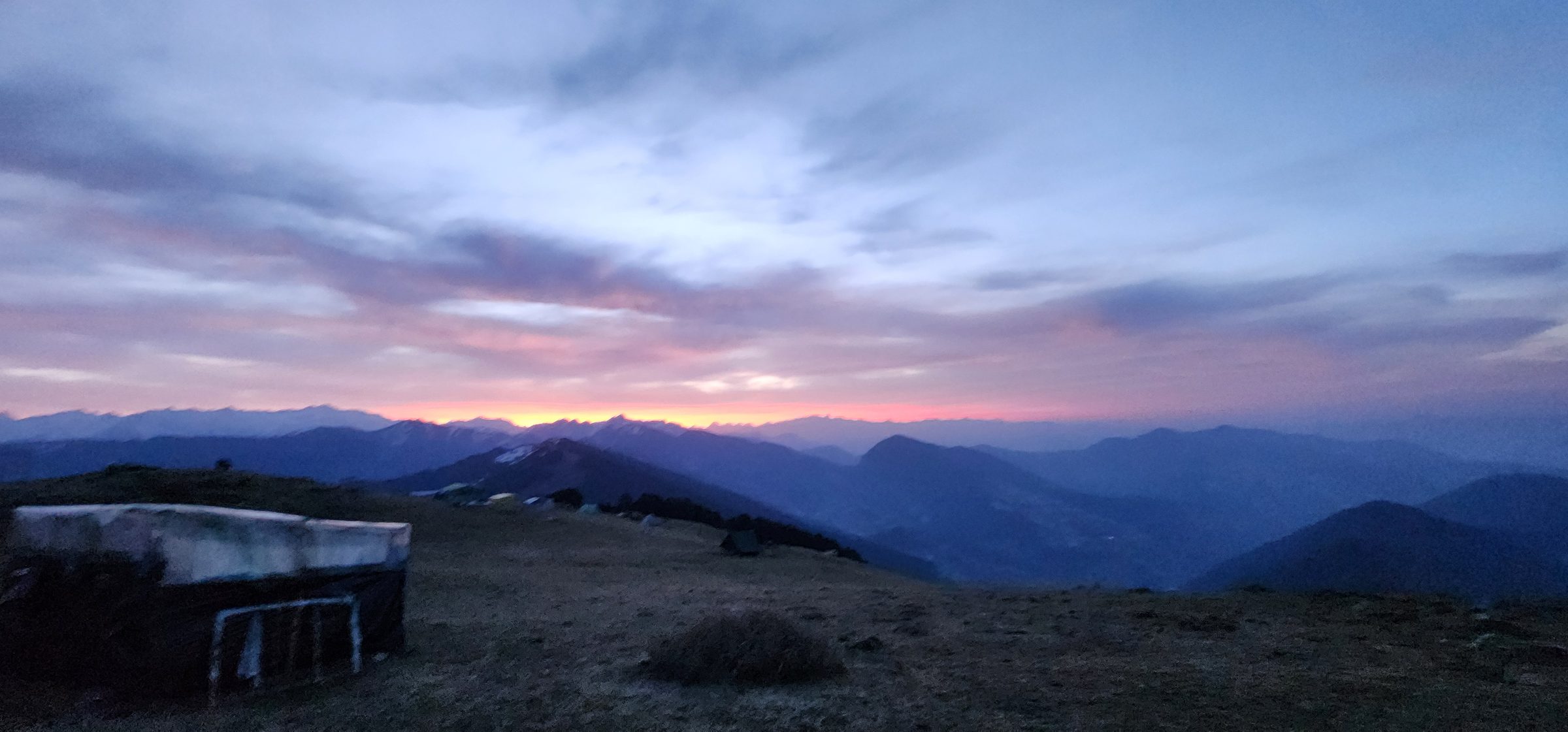
In mid-April 2026, **snowfall in Jalori Pass is minimal to none**—just patches in shaded corners and higher slopes. The 14 km drive from Jibhi to the pass is clear, though morning fog can slow visibility. Once at the top, you’ll likely find only scattered snow, perfect for photos and light exploration. For guaranteed snow, aim for **December through February**, when Jalori is blanketed and roads are closed beyond the pass, turning the base village into a winter wonderland.
## Jalori Pass Weather & What to Pack for Your Trek
Weather at 3120 m shifts fast. In March–April 2026, expect daytime highs of 10–15°C and nights dipping to 0°C. Rain is rare, but carry a light waterproof layer. By May, temperatures rise to 15–20°C, making it ideal for early summer treks. **Jalori Pass temperature** stays cool year-round due to altitude—pack layers, sturdy shoes, and a windbreaker. Don’t forget sunscreen and a hat; UV increases with altitude.
> ❄️ Snowfall prediction in Jalori Pass: Low in April; increases December–February. Check real-time alerts before winter trips.
## Jibhi to Jalori Pass Distance & How to Get There
The **jibhi to jalori pass distance** is just 14 km by road. From Jibhi village, drive east on NH305 toward Banjar, then turn left at Shoja junction onto the winding Jalori Pass road. Allow 45 minutes with stops for photos. No special permits are needed to reach the pass itself—just a sense of adventure and a full tank of fuel. If you’re trekking to Serolsar Lake, add 5 km (one way) and 2–2.5 hours of forest trail through deodar and oak.
## Best Time to Visit Jalori Pass & What the Seasons Bring
The **best time to visit Jalori Pass** depends on what you seek:
- **March–April**: Apple blossoms, mild weather, clear skies—perfect for first-timers.
- **May–June**: Wildflowers peak; Serolsar Lake thaws; ideal for photography and birdwatching.
- **July–August**: Monsoon greens the valley, but expect afternoon showers and misty trails. Roads are prone to landslides.
- **September–October**: Golden foliage; crisp air; fewer crowds. The pass closes in November due to snow.
- **December–February**: Heavy snowfall transforms Jalori into a silent, white paradise—but the pass itself is closed for vehicles.
> 🌿 Pro tip: April and October are the sweet spots—balmy days, cool nights, and the best light for photos.
## What You’ll See: Serolsar Lake & Raghupur Fort
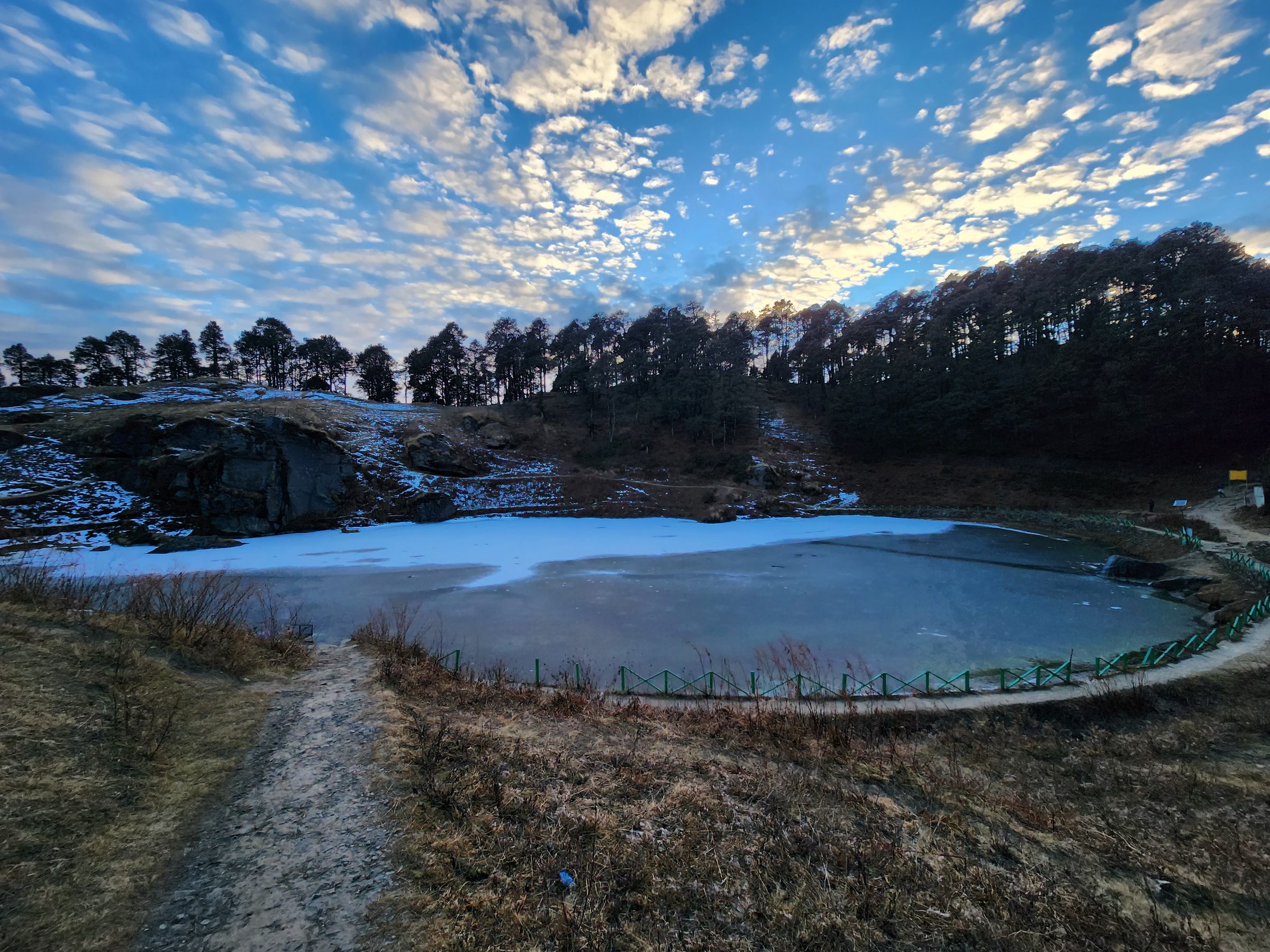
From Jalori Pass, the 5 km trek to **Serolsar Lake** (3100 m) winds through one of Himachal’s most beautiful forests. Listen for the Himalayan Monal’s call and spot Koklass Pheasants darting through the undergrowth. At the lake, a small temple honors Budhi Nagin, a local deity, adding spiritual depth to the hike. Nearby, **Raghupur Fort** stands as a silent sentinel from the 16th century, its crumbling walls whispering stories of kings and expeditions. Both are easily done in a day from Jibhi.
## How to Reach Jalori Pass from Delhi, Manali & Shimla
Getting to the trailhead is half the adventure:
- **From Delhi**: 535 km, 12–13 hours via Chandigarh → NH21 → Aut Tunnel → NH305 → Banjar → Jibhi. Overnight buses to Aut or Bhuntar cut travel time.
- **From Manali**: 145 km, 4–5 hours via NH3 → Kullu → Aut Tunnel → NH305 → Banjar → Jibhi.
- **From Shimla**: 218 km, 5–6 hours via Narkanda → Rampur → Sainj Valley (scenic) or via Mandi (faster).
> 🚗 Drive tip: The **Aut Tunnel** is the key bottleneck; leave early to avoid delays.
## Where to Stay Near Jalori Pass: Jibhi’s Wooden Retreats
After the trek, unwind in a **family-run wooden homestay in Jibhi**—a rare chance to sleep in Kullu-style architecture with cedar beams and warm fires. Most homes offer hearty Himachali meals: sidu, madra, and trout from the Tirthan River. Staying here keeps you close to the trailhead and immerses you in *Ailyak*—the local art of unhurried living.
---
[Serolsar Lake trek](/blog/places-to-visit-in-jibhi) | [Jibhi temperature](/blog/temperature-jibhi) | [Best time to visit Jalori Pass](/blog/best-time-to-visit-jalori-pass) | [Trout fishing spots near Jibhi](/blog/things-to-do/trout-fishing-jibhi)
---
Plan a Jibhi trek to Jalori Pass in 2026 with this complete guide: distance, weather, snowfall, trail tips, and best seasons. Your Himalayan escape starts here.