---
## What Is Jibhi Weather Today? (June 19, 2026)
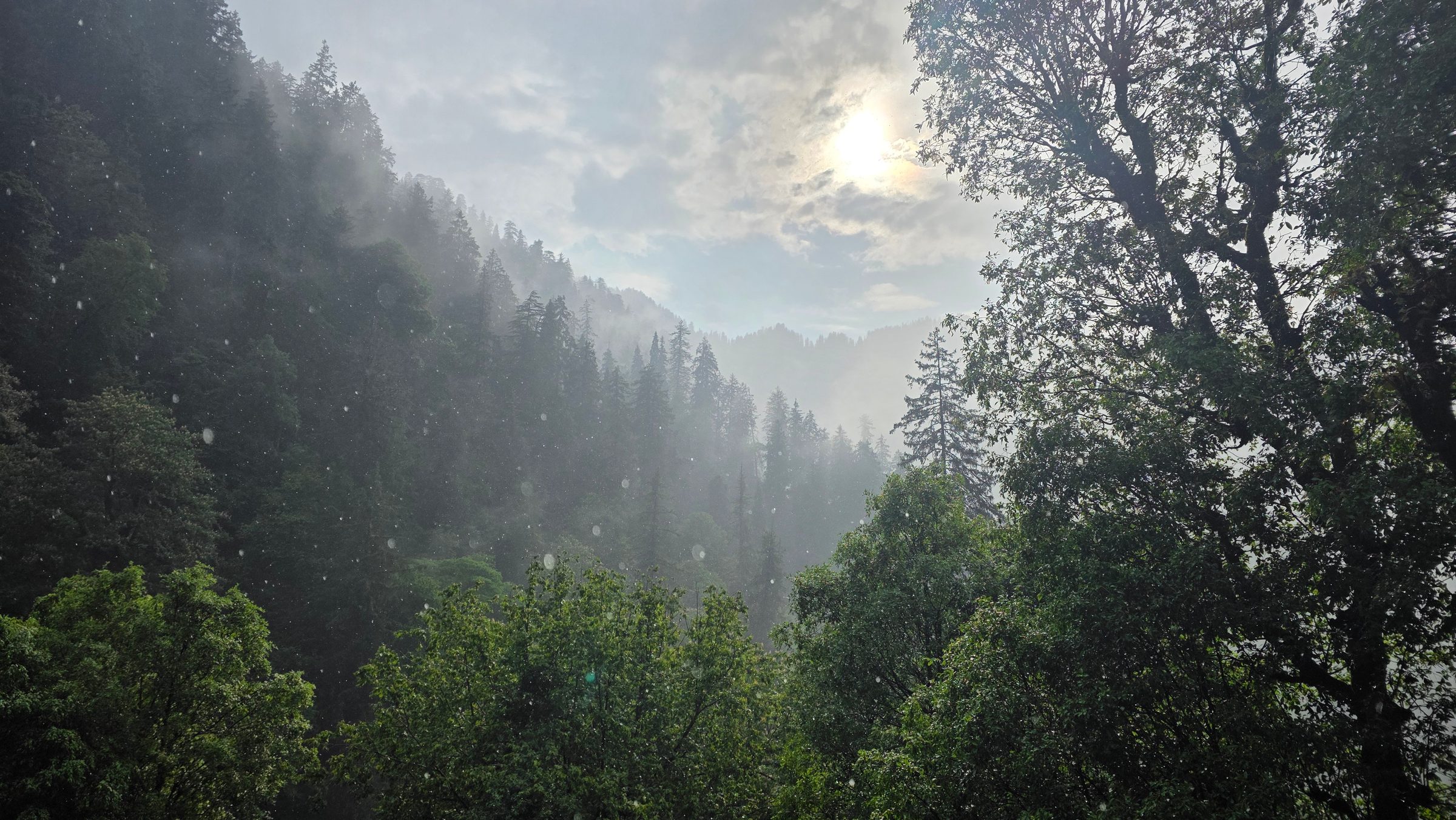
Right now, Jibhi is waking up to a gentle monsoon rhythm. As of 3:00 AM today, it’s drizzling lightly — 54°F, with 100% humidity and a feel-like temperature matching the air. By sunrise, the clouds will thin, giving way to scattered sun by 5 AM, climbing to 65°F by 7 AM. Rain probability remains high (90%) through the weekend, with 0.118 inches expected today — perfect for cozying up in a wooden homestay with a cup of local chai.
This is classic June in Jibhi: lush, green, and misty. The Tirthan River swells, waterfalls roar, and the valley hums with the sound of rain on cedar roofs. If you’re here now, embrace the “Ailyak” — the unhurried mountain pace that turns rain into rhythm.
For real-time updates, check our [Jibhi weather today](/blog/jibhi-weather-today) page — refreshed daily with live data from trusted sources.
## Current Weather at Jalori Pass
Jalori Pass, sitting at 3120m, is experiencing similar conditions — but colder and wetter. Expect 50–55°F today with intermittent showers and wind gusts up to 20 mph. The road is open (May–October), but drive with caution: NH305 can be slippery, especially after heavy rain. Landslides are a risk in July–August, so always check with locals before heading up.
If you’re planning a trek to Serolsar Lake or Raghupur Fort, pack waterproofs and trekking poles. The forest trails are lush and slippery — beautiful, but demanding. And remember: no vehicles beyond Jalori Pass. Your journey to Serolsar Lake begins with a 5 km hike through deodar and oak woods.
## Planning Ahead: Jibhi Weather Forecast Over Next Few Months
Looking beyond today? Here’s what to expect:
- **July–August**: Peak monsoon. Heavy rain, road closures possible. Best for indoor stays, reading by the fire, and enjoying apple orchard views from your window. Electricity cuts are common — most homestays have inverters, but bring power banks.
- **September–October**: The golden window. Rain clears, skies open, and foliage turns fiery red and gold. This is the best time to visit Jibhi — crisp air, clear views, and perfect trekking weather. Book early — this is peak season.
- **November–December**: First snows begin. Jalori Pass closes around mid-November. Jibhi village remains accessible, and snow tourism starts. Temperatures dip to 30–40°F — pack thermal layers.
- **January–February**: Deep winter. Heavy snowfall, quiet villages, and frozen waterfalls. Great for snow lovers — but be prepared for limited services and no mobile network in some areas.
- **March–April**: Spring blooms. Apple blossoms cover the valley, temperatures hover 50–70°F, and trails dry out. Ideal for photography, gentle hikes, and enjoying the valley’s “Ailyak” rhythm.
## Experience Jibhi in Spring: Slow, Still, Alive
Spring in Jibhi isn’t just weather — it’s a state of being. The air is sweet with apple blossoms, the Tirthan River sings louder, and the hills blush pink and white. This is when “Ailyak” feels most alive: slow mornings, long conversations with locals, and afternoons spent watching clouds roll over the Great Himalayan National Park buffer zone.
It’s also the best time for trout fishing — permits available in Banjar. And don’t miss Chehni Kothi, a 9-storey medieval tower just 7 km from Jibhi. The 45-minute uphill trek is rewarded with architecture that’s as breathtaking as the views.
## How Is Jibhi in Summers?
Summer (June–August) is green, wet, and wonderfully wild. Forget crowds — Jibhi remains offbeat, even in peak season. The monsoon transforms the valley: waterfalls swell, forests glow emerald, and the air is cool and clean. But be prepared: roads can be unpredictable, and mobile networks (especially Jio) are patchy. BSNL and Airtel work best.
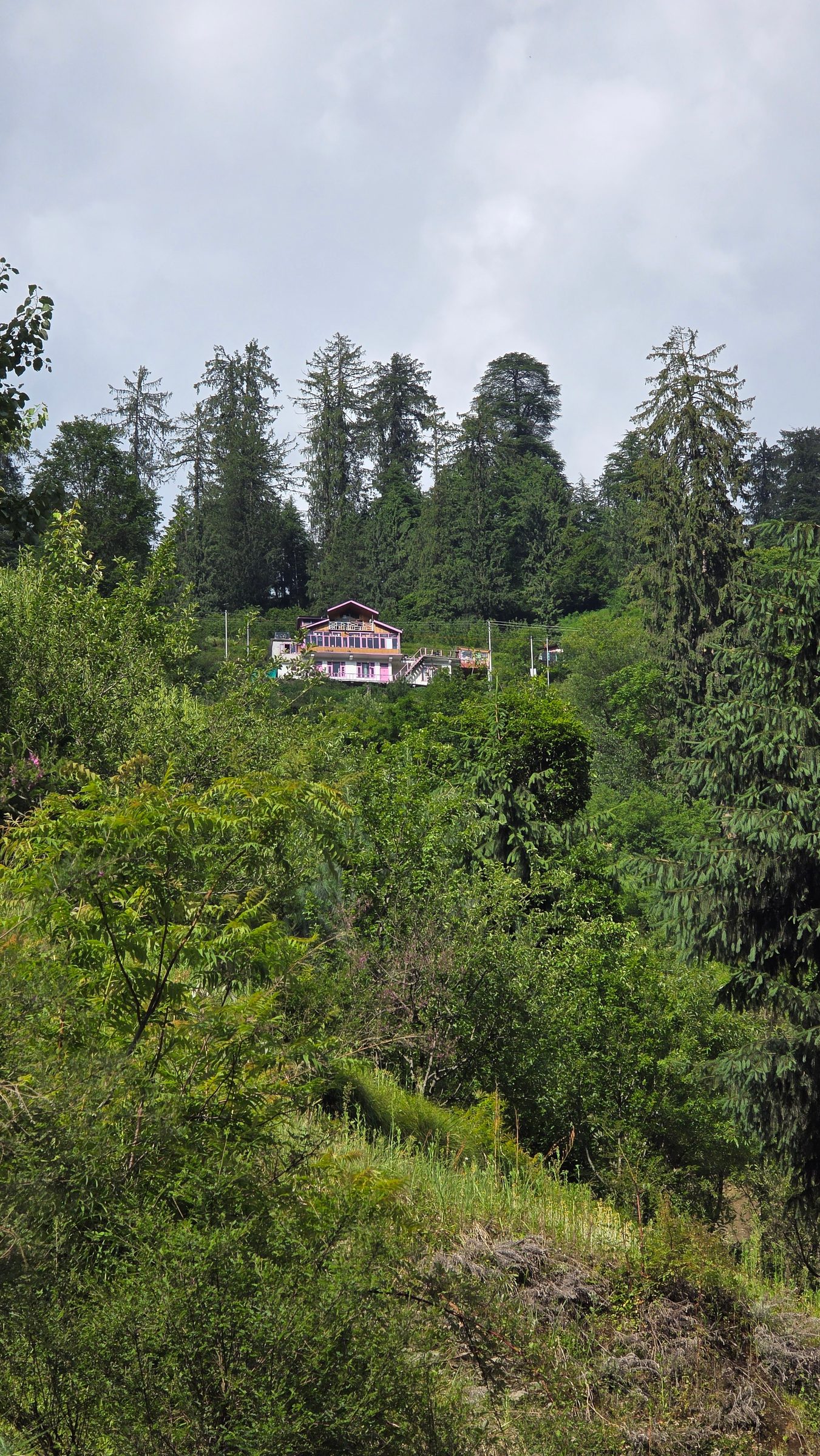
If you’re visiting now, pack rain gear, waterproof shoes, and a sense of adventure. Stay in a traditional wooden homestay — most have fireplaces, cozy corners, and warm hospitality. And don’t miss the Jibhi Waterfall, just a 15-minute walk from the village center. In summer, it’s powerful, misty, and perfect for a refreshing dip.
For those planning a trip, consider our [Delhi to Jibhi tour package](/blog/delhi-to-jibhi-tour-package) — designed for monsoon travelers who want comfort, safety, and local insight.
---