# Jibhi Trekking: Your Complete Guide to the Valley’s Most Soulful Trails
Jibhi isn’t just a village—it’s a gateway to some of Himachal Pradesh’s most underrated treks. Perched at 2,250m in the Tirthan Valley, this quiet mountain hamlet offers treks that whisper through deodar forests, climb to sacred lakes, and reveal panoramic Himalayan views without the crowds of Manali or Kasol. Whether you’re chasing solitude, heritage, or high-altitude lakes, the **treks near Jibhi** let you step off the beaten path and into the valley’s slow, unhurried rhythm called *Ailyak*.
Jibhi Trekking: From the sacred Serolsar Lake to the ancient Raghupur Fort ruins, these routes are perfect for travelers who crave **trekking in Jibhi** that’s as soulful as it is scenic. Here are five treks that belong on your 2026 itinerary.
---
## 1. Serolsar Lake Trek: A Sacred Dip in the Himalayas
**Distance from Jibhi:** 19 km (14 km drive + 5 km trek)
**Duration:** 2–2.5 hours (one way)
**Difficulty:** Easy to moderate
**Best time:** March–December
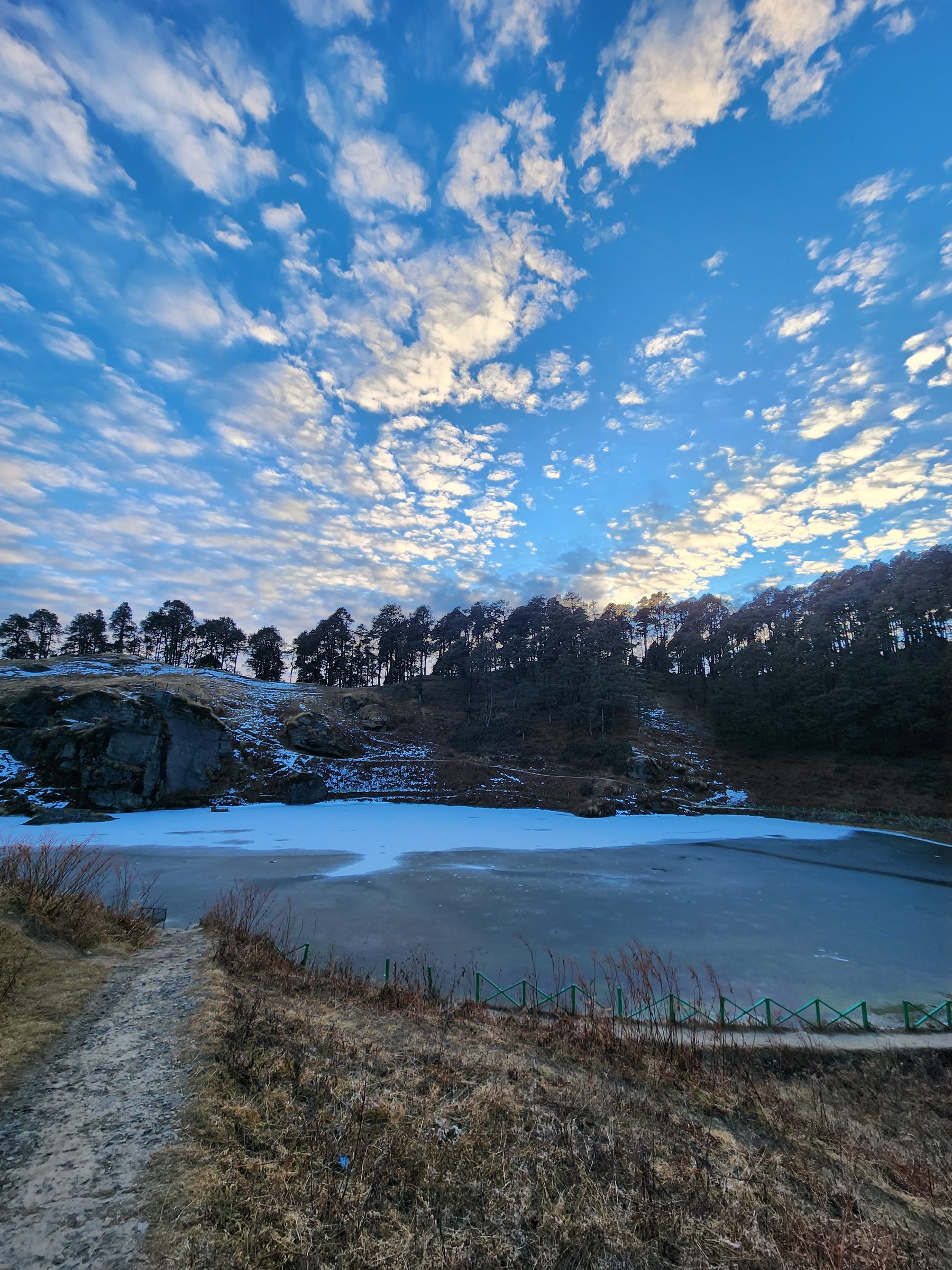
Serolsar Lake is one of the most serene **jibhi lake trek** destinations in the region, nestled at 3,100m in a bowl of deodar and oak forests. The 5 km trail from Jalori Pass winds through bird-rich woodlands, where Himalayan Monals and Koklass Pheasants flit between the trees. At the lake, you’ll find a small temple dedicated to the Budhi Nagin deity, adding a spiritual touch to the misty alpine scenery.
>**Pro tip:** Combine this with a visit to [Jalori Pass](/blog/jalori-pass-trek) for panoramic views before or after your trek.
---
## 2. Raghupur Fort Trek: Ruins with a 360° Himalayan View
**Distance from Jibhi:** 19 km (14 km drive + 3 km trek)
**Duration:** 1.5 – 2 hours (one way)
**Difficulty:** Moderate
**Best time:** May–October
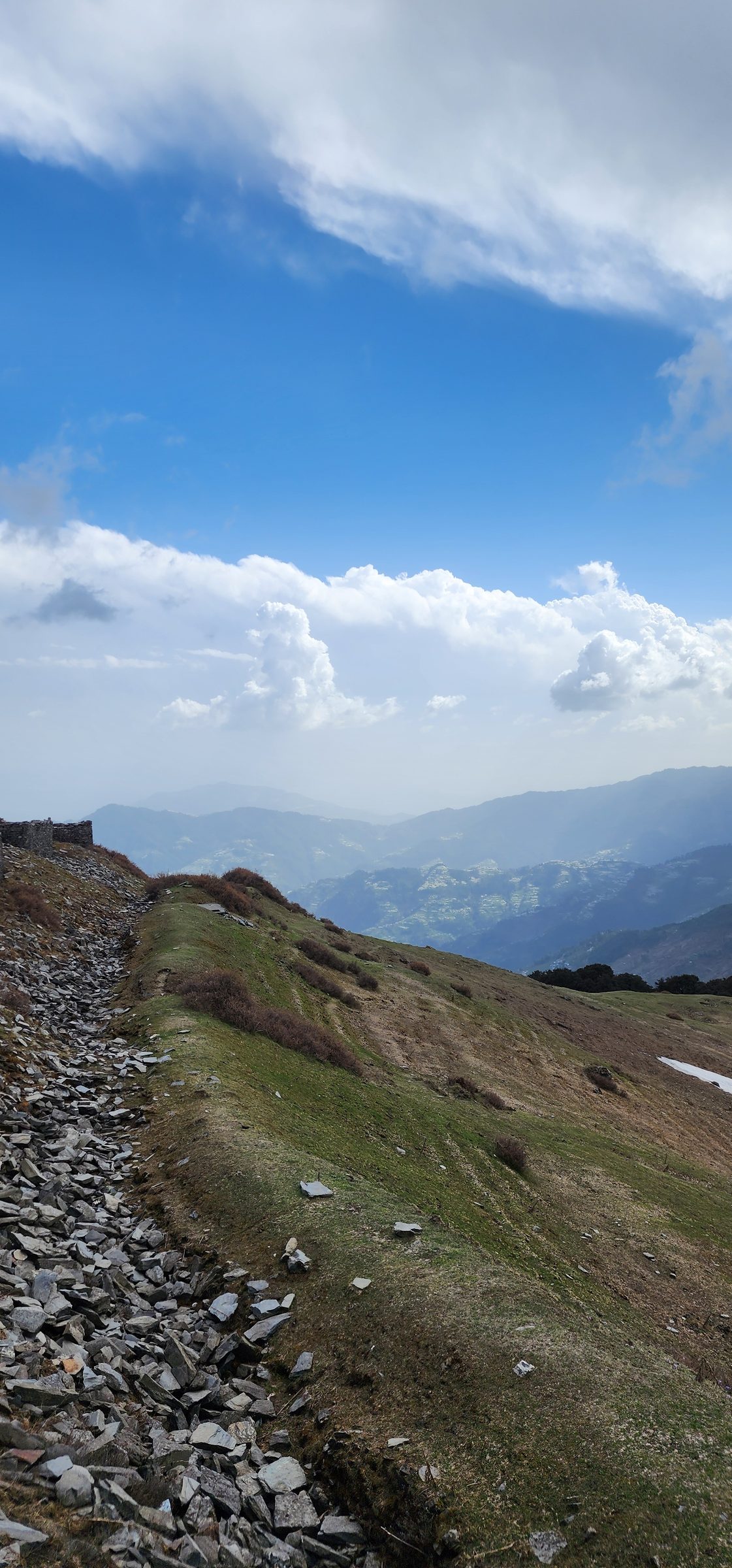
For history lovers and photographers, the **Raghupur Fort trek** is a must. This 3 km ridge trek from Jalori Pass climbs to the ruins of a Guler kingdom fortress at 3,300m, offering sweeping views of the Dhauladhar range, Kinnaur peaks, and the sprawling Kullu Valley. The fort’s crumbling walls and quiet meadows make it one of the most atmospheric **treks in Jibhi**.
---
## 3. Chehni Kothi Heritage Trek: Climb a 700-Year-Old Tower
**Distance from Jibhi:** 7 km drive + 45-minute trek
**Duration:** 1.5 hours total
**Difficulty:** Easy
**Best time:** Year-round (trek is short but steep)
Chehni Kothi is one of the tallest traditional wood-and-stone towers in Himachal Pradesh, built centuries ago as a defensive structure. The **trek near Jibhi** to reach it is just 45 minutes uphill from the roadhead, but the reward is a glimpse into Kullu’s medieval past. The tower’s interlocking wooden beams, designed to withstand earthquakes, are a marvel of traditional architecture.
**Plan ahead:** Pack water and snacks—there are no shops on the trail.
---
## 4. Jalori Pass to Shoja Loop: A High-Altitude Escape
**Distance from Jibhi:** 14 km drive to Jalori Pass
**Duration:** 4–6 hours (round trip)
**Difficulty:** Easy to moderate
**Best time:** May–October
If you’re looking for a **jibhi trekking** route that delivers big views with minimal effort, the Jalori Pass to Shoja loop is ideal. Drive or hike to the pass (3,120m), then descend into the lush Shoja Valley, famous for its dense forests and hidden meadows. The road connects Kullu to Shimla, making it a scenic detour between the two districts.
**Don’t miss:** The small tea stalls at Jalori Pass for a hot cup of *masala chai* after your walk.
---
## 5. Tirthan Valley Riverside Trail: Gentle Walks by the River
**Distance from Jibhi:** Varies (easy loops)
**Duration:** 1–3 hours
**Difficulty:** Easy
**Best time:** March–June, September–November
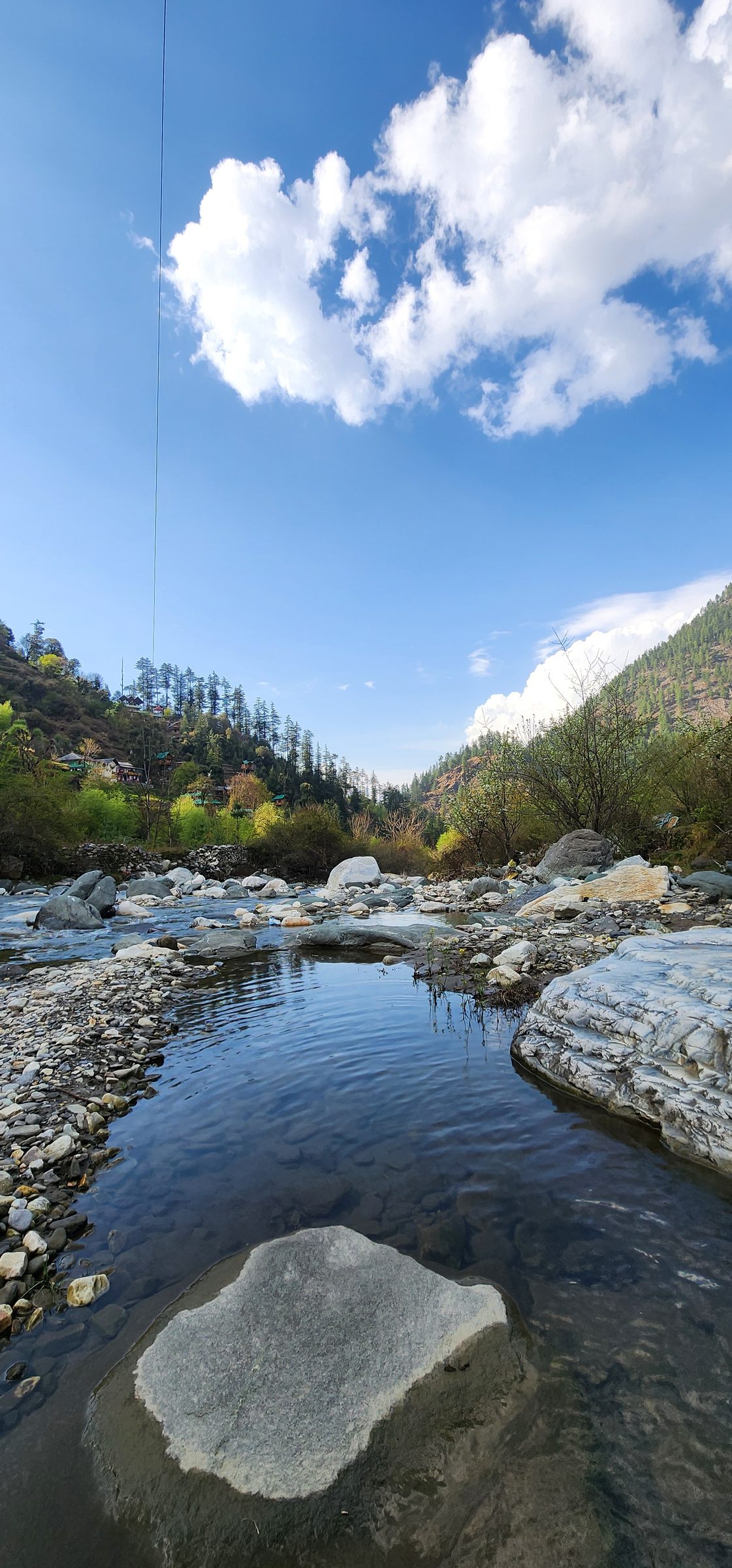
For those who prefer gentle strolls over steep climbs, the **Tirthan Valley** offers riverside trails perfect for morning walks. Follow the Tirthan River from Jibhi village toward Banjar, passing apple orchards and traditional wooden homestays. This is a great way to experience the valley’s **offbeat tour** side—slow, scenic, and far from the tourist trail.
**Local tip:** Stop by a homestay for fresh trout caught from the river (permit required).
---
# When to Go: The Best Time for Trekking in Jibhi
Trekking in Jibhi is a year-round affair, but the ideal windows depend on what you seek:
- **May–June & September–October:** Best weather, clear skies, and vibrant landscapes. Trails like Serolsar Lake and Raghupur Fort are at their most rewarding.
- **March–April:** Apple blossoms paint the valley pink, and the **jibhi tirthan valley** comes alive with color.
- **July–August:** Monsoon brings lush greenery but also landslides on NH305. Stick to lower-altitude trails like the Tirthan riverside walk.
- **December–February:** Snow blankets the higher passes, but Jibhi village itself offers serene winter walks and snow tourism. Jalori Pass closes, but the village remains accessible.
For real-time conditions, check the [Jibhi weather today](/blog/jibhi-weather-today) before you head out.
---
## Planning Your Jibhi Trekking Trip: Essential Tips
1. **Permits:** Trout fishing in the Tirthan River requires a permit from the Fisheries Department at Larji or Banjar. Apply in advance.
2. **Gear:** Pack layers—mornings can be chilly even in summer. Waterproof gear is a must for monsoon treks.
3. **Connectivity:** Mobile networks are spotty. BSNL works best; carry a local SIM if needed.
4. **Cash:** Jibhi has just one ATM. Withdraw money in Banjar (10 km away) or Aut (56 km).
5. **Stay:** Opt for family-run homestays for an authentic experience. Many follow traditional Kullu-style architecture.
---
## Why Jibhi’s Treks Feel Different
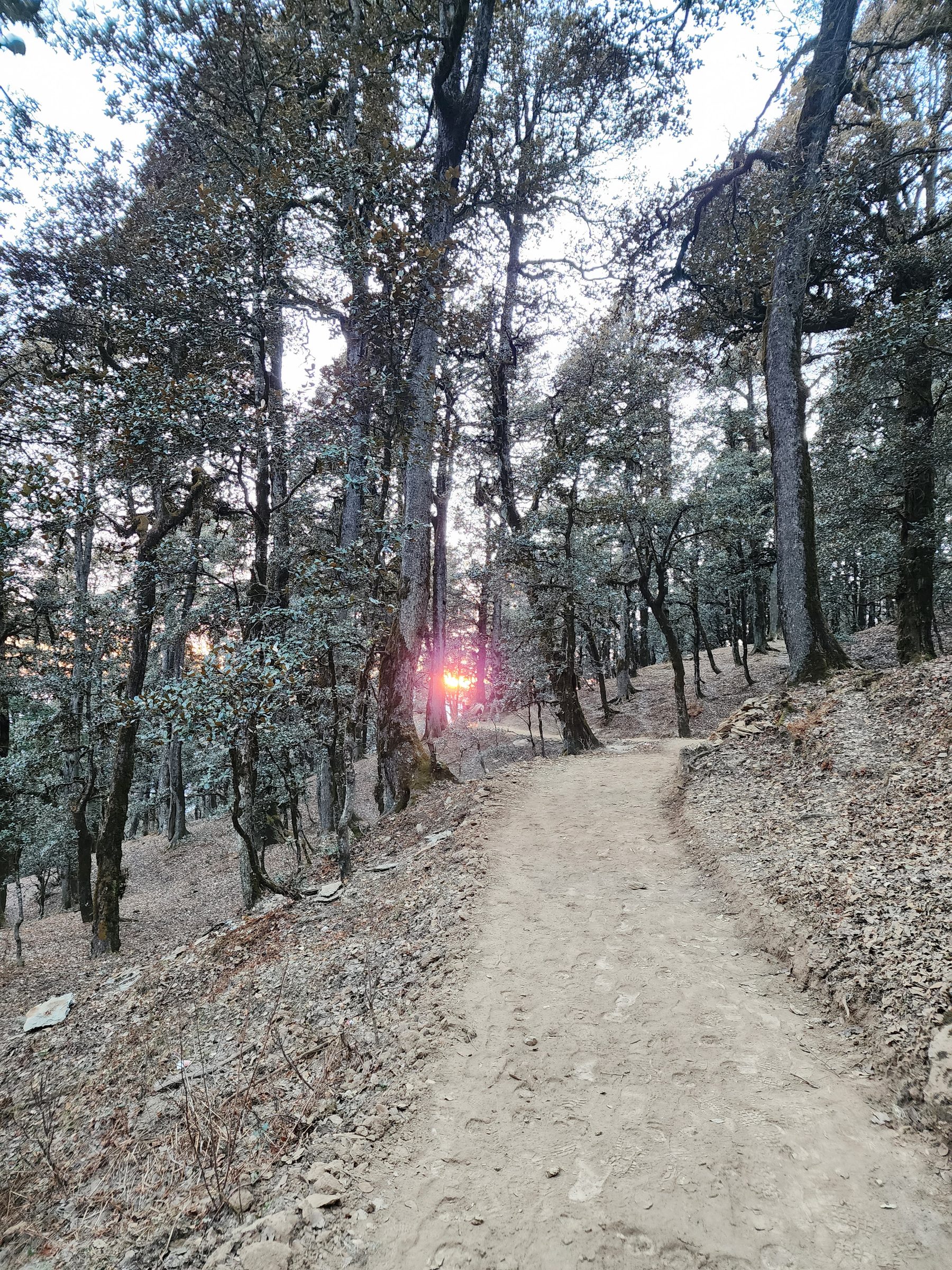
Unlike crowded destinations in Himachal Pradesh, **trekking in Jibhi** offers something rare: silence. The trails here aren’t about summiting peaks; they’re about wandering through forests where the only sounds are birdsong and the Tirthan River’s murmur. Whether you’re tracing the steps of sages at Serolsar Lake or exploring the medieval tower at Chehni Kothi, every path in this valley feels like a discovery.
For more inspiration, explore [offbeat trekking trails in Jibhi Tirthan Valley](/blog/Trekking) or dive into [traditional Himachali cuisine](/blog/traditional-himachali-cuisine-jibhi) after your trek.
---