# Jibhi Roads: Your Complete Guide to Reaching the Valley
If you're searching for serenity in the Himalayas, [Jibhi Valley](/blog/jibhi-valley) is a quiet revelation—accessible only by roads that wind through pine-clad slopes, roaring rivers, and remote mountain villages. But getting here requires planning, especially when navigating the mountain passes and seasonal conditions that define **Jibhi roads**. Whether you're coming from Delhi, Manali, or Shimla, understanding the route, road conditions, and best times to travel ensures a smooth journey into this untouched corner of Himachal Pradesh.
## How to Reach Jibhi: Key Routes and Travel Times
From **Delhi to Jibhi** (535 km, 12–13 hours): The most common route follows NH44 to Chandigarh, then NH21 via Bilaspur, Sundernagar, and Mandi. After passing through the **Aut Tunnel**, take NH305 through Banjar to reach Jibhi. Many travelers opt for an overnight bus to Bhuntar or Aut, then hire a cab for the final leg.
From **Chandigarh to Jibhi** (290 km, 7–8 hours): Follow NH21 to Mandi, continue through the Aut Tunnel, and take NH305 via Larji and Banjar. The drive is scenic and manageable in a day.
From **Manali to Jibhi** (145 km, 4–5 hours): Head south on NH3 to Kullu, pass through the Aut Tunnel, then take NH305 via Banjar. This is a popular route for those extending their Himalayan trip beyond Manali’s bustle.
From **Shimla to Jibhi** (218 km, 5–6 hours): Two options exist—via Narkanda, Rampur, and Sainj Valley (scenic but longer), or via Mandi (faster). Both converge at Aut Tunnel before joining NH305.
## Road Conditions: What to Expect on Jibhi Roads
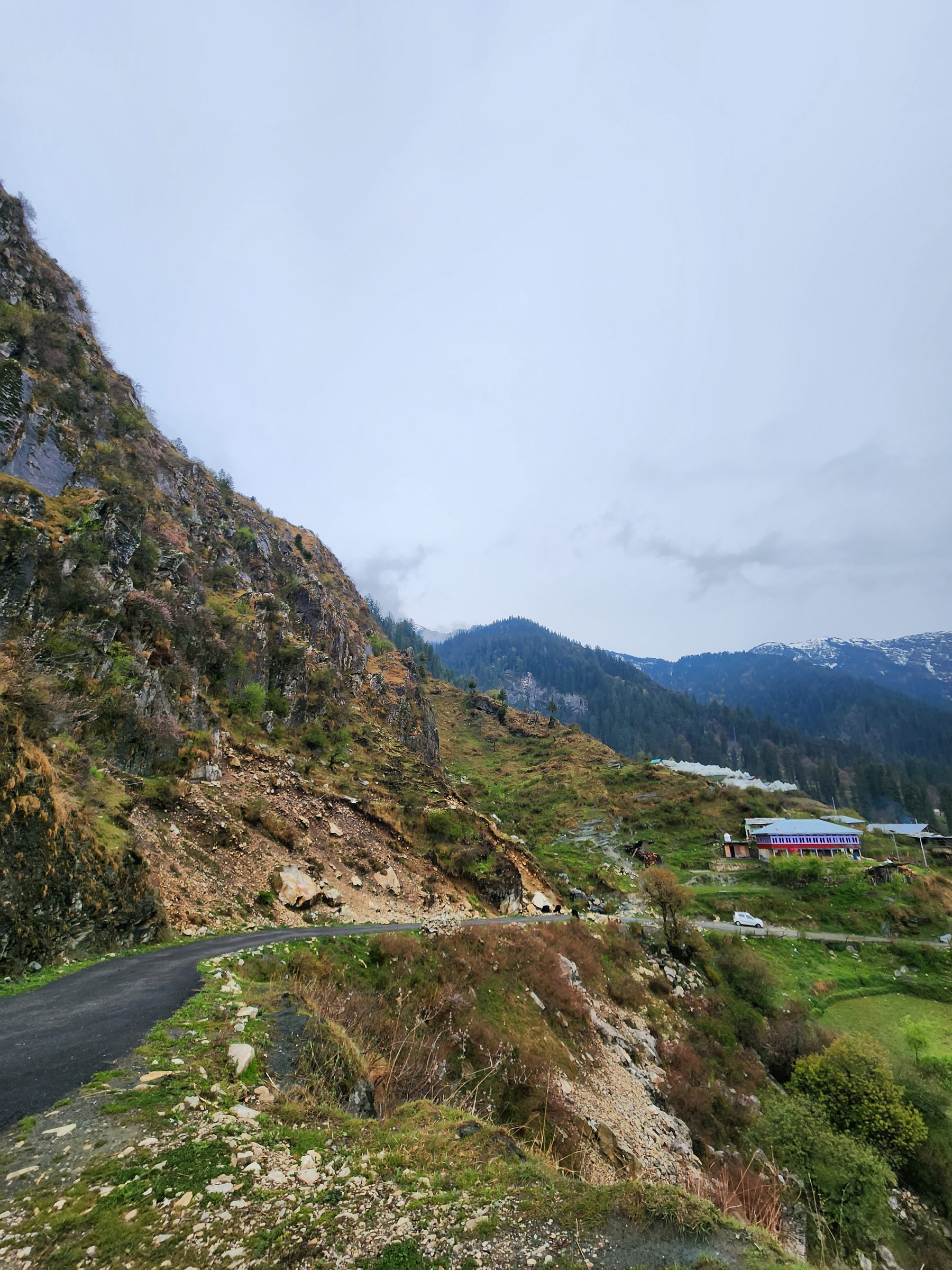
NH305 is the lifeline to Jibhi, but conditions vary by season. The **Aut Tunnel to Jibhi** stretch (56 km, 1.5 hours) is narrow and winding, with sharp turns and river crossings. From **Banjar to Jibhi** (10 km, 30 mins), the road is well-paved but steep in parts.
**July to August** brings heavy monsoon rains. Landslides and road cuts on NH305 are common—check local updates before travel. **December to February** sees heavy snowfall, especially beyond Jibhi. While **Jalori Pass** (14 km from Jibhi, 45 mins by car) closes due to snow, Jibhi village remains accessible for snow seekers.
Mobile network is patchy—Jio is unreliable, Airtel works in most areas, and BSNL offers the most consistent signal. Carry cash: **Jibhi has no ATM**. Withdraw in Banjar (10 km away) or Aut.
## Best Time to Travel on Jibhi Roads
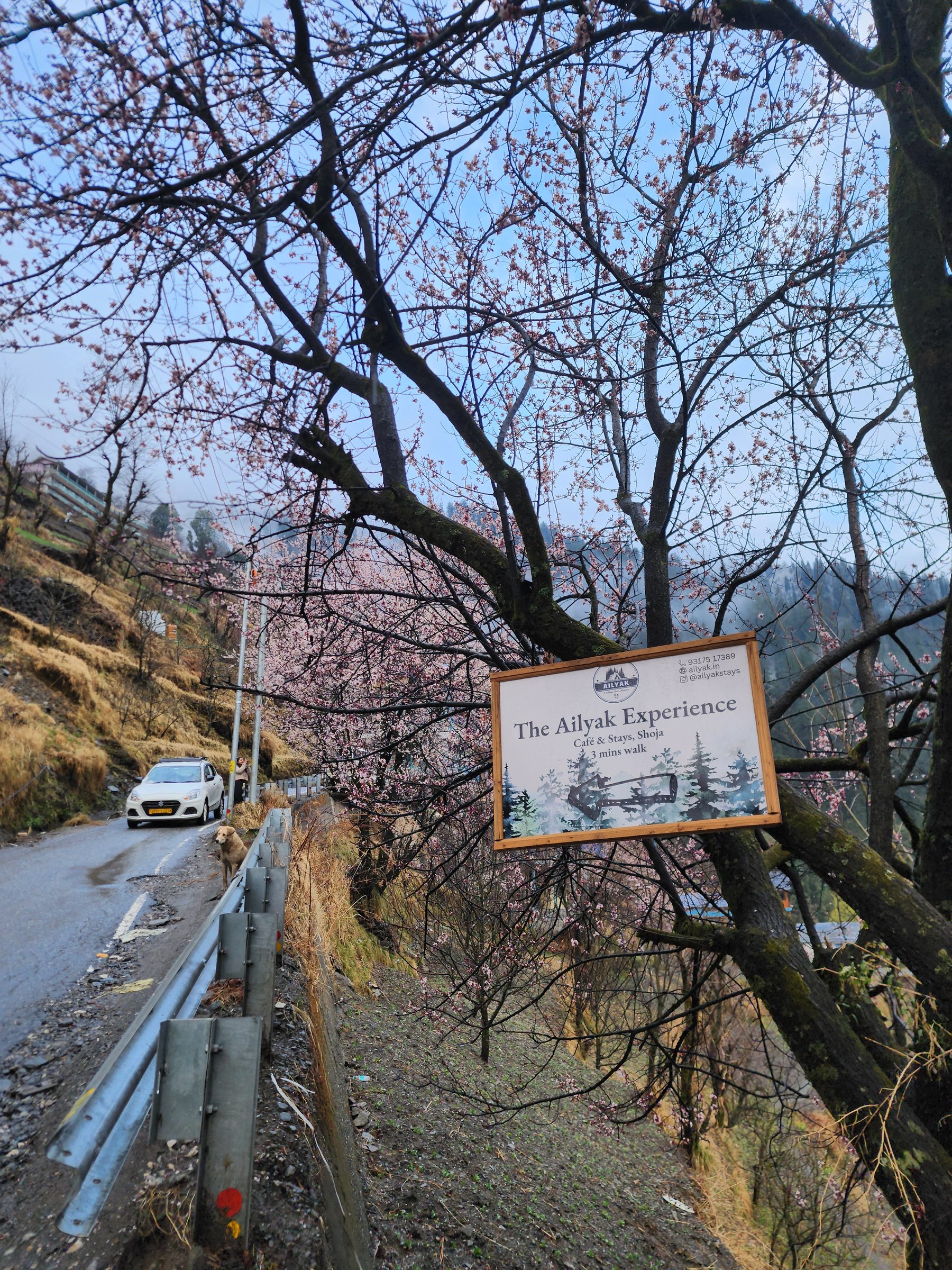
The ideal window for smooth **Jibhi roads** is **October to November**—post-monsoon clarity, golden foliage, and crisp air. **March to April** is equally rewarding, with apple blossoms painting the valley in soft pink and white. This season, as of **12 April 2026**, the trees are in full bloom—perfect for slow walks and riverside reflections.
Avoid July–September if you dislike disruptions. While the landscape is lush, roadblocks can delay travel. Winter (Dec–Feb) offers snow-kissed charm, but only attempt the journey if prepared for cold and potential delays.
## Exploring Beyond Jibhi: Roads to Jalori Pass, [Serolsar Lake](/things-to-do/serolsar-lake) & [Chehni Kothi](/things-to-do/chehni-kothi)
From Jibhi, side roads lead to some of the region’s most magical spots. The **Jalori Pass** road (open May–October) starts at Shoja junction—14 km from Jibhi. The narrow, winding ascent rewards with views of Dhauladhar and access to **[Serolsar Lake](/things-to-do/serolsar-lake)** and **[Raghupur Fort](/blog/raghupur-fort-jibhi)**—both reachable via short treks.
For heritage seekers, **[Chehni Kothi](/things-to-do/chehni-kothi)** is just 7 km from Jibhi. Drive to Chainsi Marg, park at the road-head, and take the 45-minute uphill trek to this 500-year-old wooden tower—a marvel of traditional Kullu architecture.
## Travel Smart: Tips for a Hassle-Free Journey
- Fill fuel in Banjar or Aut—no stations in Jibhi.
- Carry water, snacks, and a first-aid kit.
- Book homestays in advance—many, like **Ailyak Stays & Experiences**, are family-run and fill quickly during peak season.
- Embrace *ailyak*—the local art of moving slowly. Rushing defeats the purpose.
At **Ailyak**, nestled in Jibhi’s quiet embrace, you’ll find more than a stay—you’ll discover a rhythm. With mindful experiences like forest bathing, riverside picnics, and starlit camping, it’s the perfect base to unwind after your journey on Jibhi roads.