# Jibhi is in Which District?
Jibhi is a quiet mountain village nestled in the Tirthan Valley, part of Kullu District in Himachal Pradesh. At 2250m above sea level, it sits along the Tirthan River and serves as the gateway to the Great Himalayan National Park buffer zone and Jalori Pass. Known for its slow, unhurried pace of life—locally called “Ailyak”—Jibhi is a haven for travelers seeking peace, heritage, and adventure in the Himalayas.
If you’re wondering *Jibhi is in which district*, the answer is simple: **Kullu District, Himachal Pradesh**. This serene valley lies about 145 km from Manali and 535 km from Delhi, making it a perfect getaway from the bustle of tourist hotspots. Whether you're planning a [trout fishing trip](/things-to-do/trout-fishing-jibhi), a [trek to Jalori Pass](/blog/best-time-to-visit-jalori-pass), or a cultural sojourn in traditional wooden homestays, Jibhi offers an authentic Himalayan experience.
---
## **Where Is Jibhi Valley Located?**
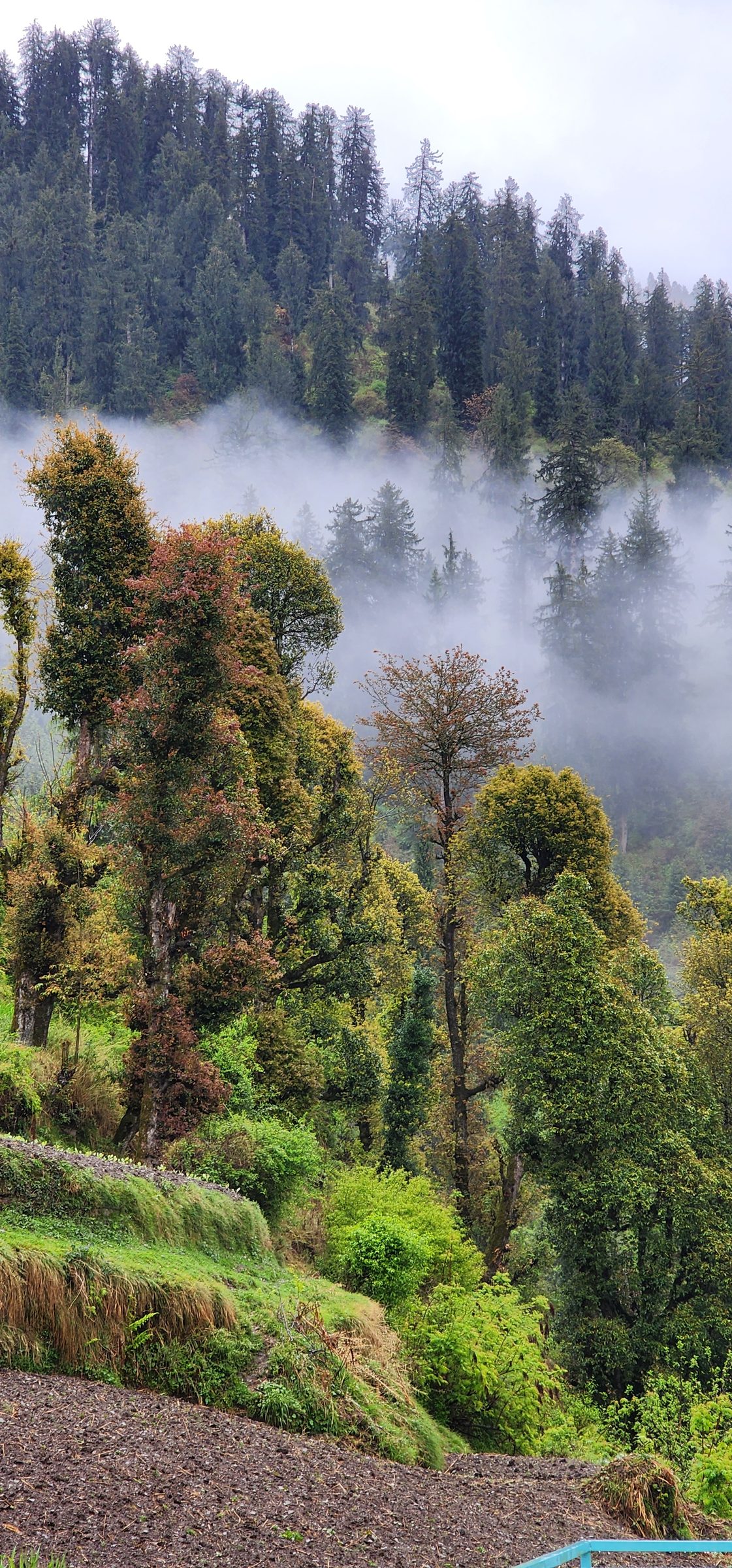
Jibhi is in **Kullu District, Himachal Pradesh**, specifically within the Tirthan Valley. This region is part of the larger Kullu-Manali circuit but remains far less commercialized than nearby destinations. The village sits at 2250m elevation, surrounded by apple orchards, deodar forests, and the Tirthan River—a tributary of the Beas.
To reach Jibhi, you can:
- Drive from **Manali (145 km, 4–5 hours)** via the NH3 and Aut Tunnel.
- Arrive by **air (Bhuntar Airport, 65 km, 2 hours)** from major cities like Delhi or Chandigarh.
- Take a **train to Jogindernagar (95 km, 3 hours)** and continue by road.
Jibhi’s location makes it ideal for those exploring Himachal’s hidden gems without the crowds of Shimla or Dharamshala.
---
## **Why Visit Jibhi in Himachal Pradesh?**
Jibhi is perfect for travelers who crave **authenticity, nature, and solitude**. Here’s what sets it apart:
- **Ailyak lifestyle**: The local concept of slowing down—no rushing, no stress. A perfect antidote to urban life.
- **Heritage stays**: Most accommodations are family-run wooden homestays in traditional Kullu architectural style.
- **Adventure & culture**: From trout fishing in the Tirthan River to trekking to Jalori Pass or Serolsar Lake, Jibhi blends activity with tranquility.
- **Less crowded**: Unlike Kasol or Manali, Jibhi retains its rustic charm and peaceful vibe.
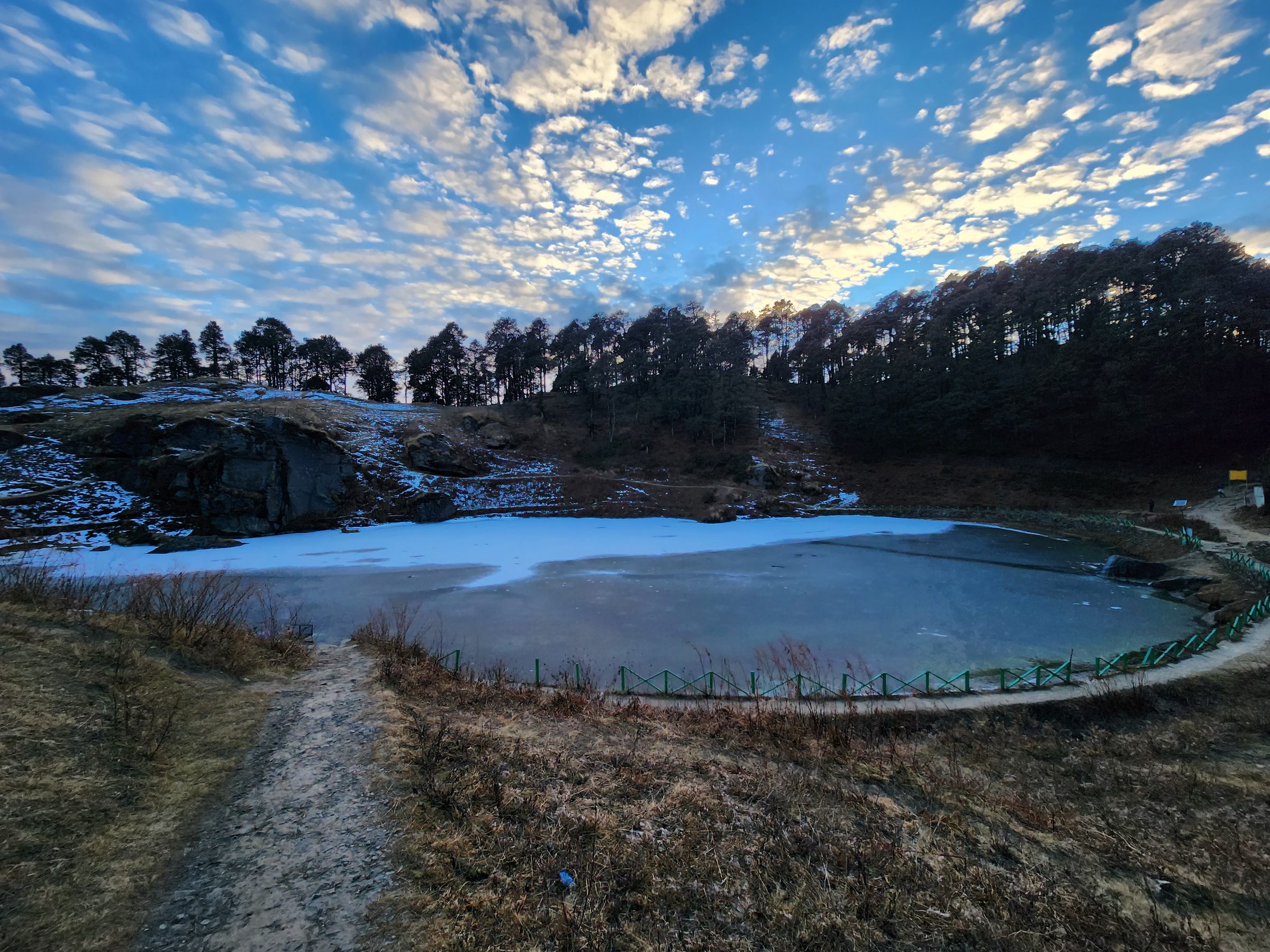
If you’re searching for *jibhi in February* or *jibhi in March*, you’ll find crisp mountain air, apple blossoms (March), and snow-dusted landscapes (February) without the peak-season crowds.
---
## **Top Places to Visit in Jibhi**
Jibhi may be small, but it’s packed with experiences. Here are the must-see spots:
### **1. Jalori Pass (3120m)**
The highest motorable pass in Kullu District, offering **breathtaking 360° views** of the Himalayas. Open May–October, it’s the starting point for:
- **Serolsar Lake trek** (5 km, 2 hours): A sacred alpine lake through dense forests.
- **Raghupur Fort trek** (5 km): Ruins with panoramic valley views.
*Best for*: Photography, sunrise views, and spiritual retreats.
### **2. Chehni Kothi**
A **9-storey medieval stone-and-wood tower**, one of Himachal’s tallest traditional structures. Built 500–700 years ago, it showcases earthquake-resistant Kullu architecture. A 45-minute trek from the road-head near Chainsi Marg.
*Best for*: History lovers and heritage enthusiasts.
### **3. Jibhi Waterfall**
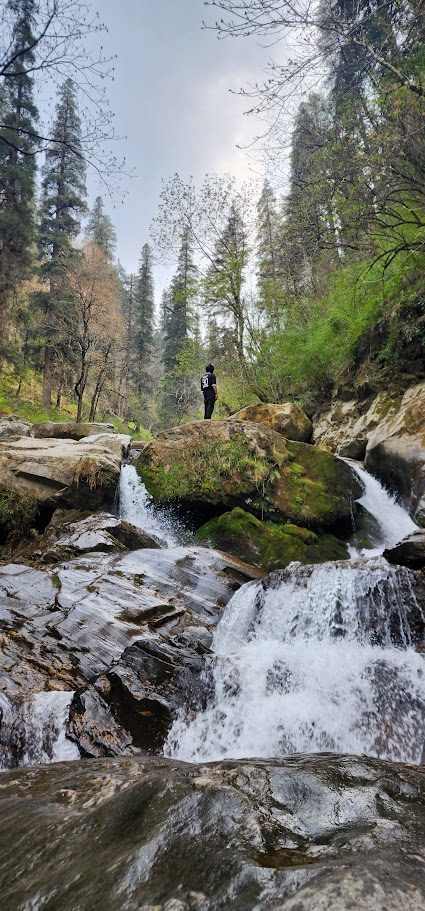
A year-round waterfall just **1 km from the village center**. Strongest in monsoon (July–September), it’s ideal for picnics or a refreshing dip.
### **4. Shringa Rishi Temple**
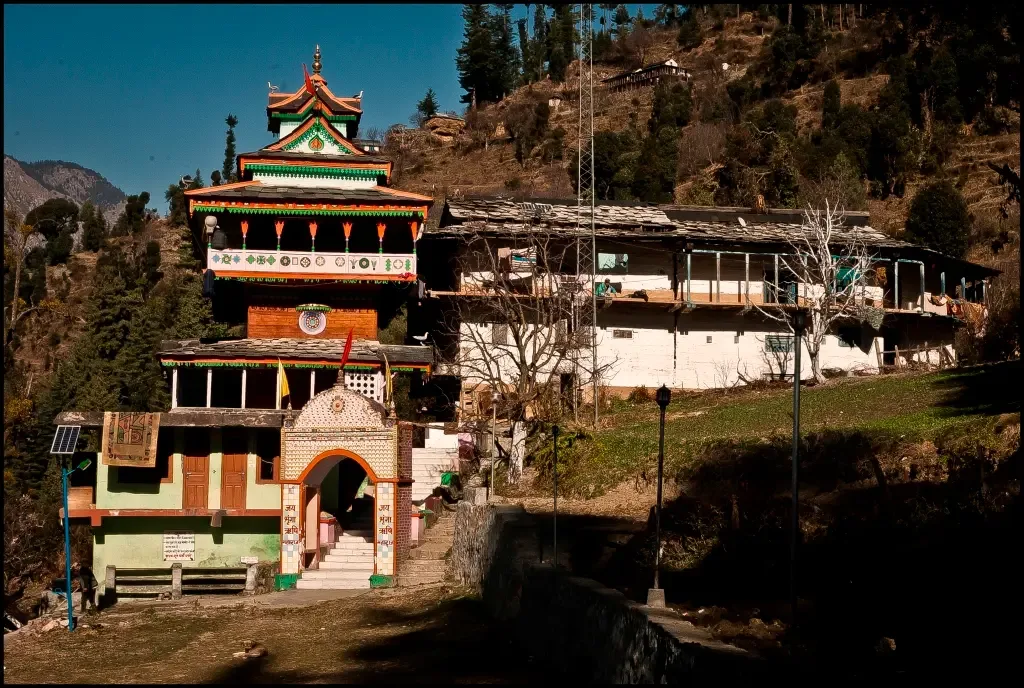
An ancient temple dedicated to Sage Shringa, built in traditional Kullu pagoda style. Active during local festivals like Dussehra.
### **5. Great Himalayan National Park Buffer Zone**
Jibhi sits at the edge of this **UNESCO World Heritage Site**. Spot Himalayan monal pheasants, koklass pheasants, and other wildlife while hiking its trails.
---
## **Best Time to Visit Jibhi**
Your trip depends on what you seek:
| **Season** | **Weather** | **Highlights** | **Best For** |
|------------------|----------------------|----------------------------------------|----------------------------|
| **October–November** | Crisp, clear days (10–15°C) | Post-monsoon foliage, golden hues | Photography, trekking |
| **March–April** | Mild (15–20°C) | Apple blossoms, mild trails | Cultural visits, light treks |
| **July–August** | Heavy rain (monsoon) | Lush greenery, powerful waterfalls | Off-season explorers |
| **December–February** | Snowy (0–10°C) | Snow tourism, serene silence | Winter magic, snow walks |
*Avoid July–August if you dislike rain*—NH305 is prone to landslides. For snow lovers, *jibhi in February* is magical, with Jalori Pass closed but the village accessible for snow activities.
---
## **Where to Stay in Jibhi: Ailyak Vibes & Heritage Stays**
Jibhi’s charm lies in its **family-run homestays and guesthouses**, many built in traditional Kullu wood-and-stone style. Here’s what to expect:
- **Ailyak Cafe & Stays**: A beloved spot blending local cuisine with mountain hospitality. Try their Himachali thali or trout dishes.
- **Wooden heritage homes**: Many stays offer fireplaces, bonfire evenings, and homemade meals.
- **Off-grid retreats**: Limited mobile network (BSNL most reliable), so unplug and unwind.
*Pro tip*: Carry cash—Jibhi has **no ATMs** (nearest in Banjar, 10 km away).
---
## **How to Reach Jibhi from Delhi or Manali**
Planning your route? Here are the best options:
### **From Delhi (535 km, 12–13 hours)**
1. **NH44 to Chandigarh** → **NH21 via Bilaspur, Sundernagar, Mandi** → **Aut Tunnel** → **NH305 via Banjar** → Jibhi.
2. *Overnight option*: Take a bus to Aut or Bhuntar, then hire a taxi.
### **From Manali (145 km, 4–5 hours)**
Drive via **NH3 south to Kullu** → **Aut Tunnel** → **NH305 via Banjar** → Jibhi.
### **From Shimla (218 km, 5–6 hours)**
Two routes:
- **Scenic**: Shimla → Narkanda → Rampur → Sainj Valley.
- **Faster**: Shimla → Mandi → Aut Tunnel → NH305.
*Tip*: Fill up fuel in **Banjar or Aut**—no gas stations in Jibhi.
---
## **Jibhi in Different Seasons: What to Expect**
- **Jibhi in March**: Apple blossom season, mild trails, and fewer crowds.
- **Jibhi in February**: Snow-dusted landscapes; Jalori Pass closed but village accessible.
- **Jibhi right now**: Check the [live weather update](/blog/jibhi-weather-today) for real-time conditions.
---
## **Final Tips for Your Jibhi Trip**
- **Permits**: Trout fishing requires a permit from the Fisheries Department (Larji or Banjar).
- **Network**: BSNL works best; Airtel has patchy coverage.
- **Electricity**: Backup inverters are common in monsoon months.
- **Local eats**: Don’t miss Himachali dal, trout curry, and sidu (local bread).
---
Jibhi is more than just a destination—it’s a **state of mind**. Whether you’re here for the *jibhi himachal* tranquility, the [offbeat trekking trails](/blog/offbeat-trekking-trails-jibhi-tirthan), or the [best time to visit Jalori Pass](/blog/best-time-to-visit-jalori-pass), this valley promises a slower, richer journey.
Ready to explore? Pack your bags, leave the rush behind, and let Jibhi’s Ailyak weave its magic.
---