# Jibhi in Himachal Pradesh: All you need to know
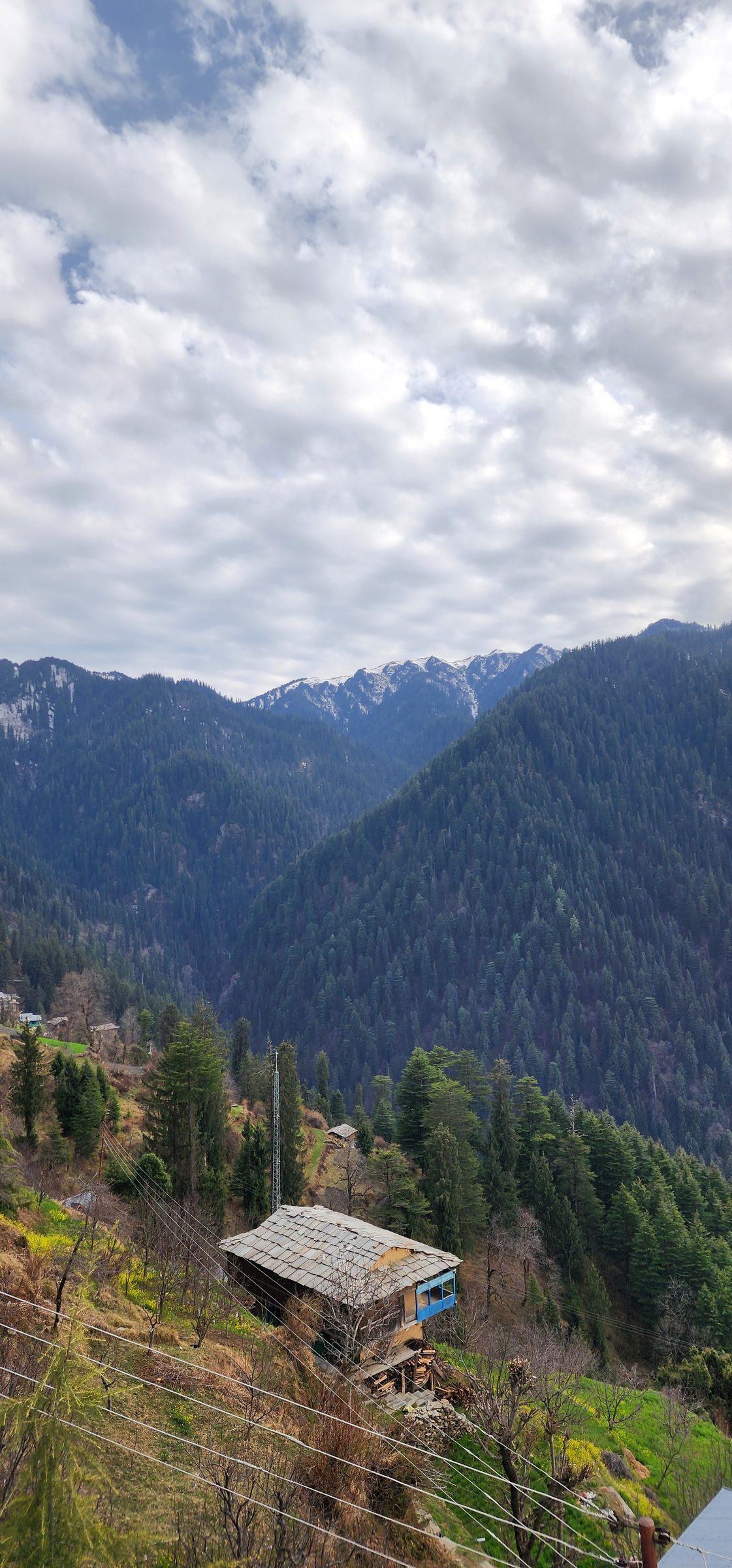
Jibhi in Himachal Pradesh is India’s hidden Himalayan paradise where the mountains whisper, the rivers hum, and time dissolves into stillness. Perched at 2,250 metres in the Tirthan Valley, this wooden hamlet is the gateway to Jalori Pass, Serolsar Lake, and the Great Himalayan National Park—yet it remains untouched by the crowds of Manali or Kasol. Whether you’re chasing autumn foliage, trout fishing in the Tirthan River, or a homestay with a view of apple orchards swaying in the breeze, Jibhi is your canvas for slow travel.
Here’s your complete travel guide to Jibhi in Himachal Pradesh in 2026—covering how to get there, where to stay, what to do, and why its unhurried pace, called *Ailyak*, is what your next trip needs.
---
## Why Jibhi in Himachal Pradesh is India’s Best-Kept Mountain Secret
Jibhi isn’t just a stop on the map—it’s a feeling. At 2,250 metres, this village in Kullu District sits like a pearl in the Tirthan Valley, cradled by the Tirthan River and framed by deodar forests. It’s here that Himalayan stillness isn’t a luxury—it’s the way of life, embodied in the local concept of *Ailyak*—a word with no English equivalent, meaning a slow, unhurried rhythm where meals stretch, conversations linger, and every sunrise over the Dhauladhars feels like a gift.
Unlike the bustling trails of Manali or the backpacker circuits of Kasol, Jibhi offers solitude without isolation. It’s the buffer zone to the UNESCO-listed Great Himalayan National Park, a pristine wilderness where brown trout dart in emerald waters and rare birds like the Himalayan Monal paint the morning sky. With fewer than 200 homestays—most of them family-run wooden houses built in traditional Kullu style—you won’t find neon lights or noise pollution here. Instead, expect lantern-lit dinners, wood-burning stoves, and the soft murmur of the river lulling you to sleep.
Jibhi’s charm lies in its contradictions: it’s remote yet accessible, wild yet warm, ancient yet alive with seasonal rhythms—apple blossoms in March, golden foliage in October, and snow-dusted silence in January.
---
## How to Reach Jibhi in Himachal Pradesh: The Scenic Road from Delhi, Chandigarh, and Manali
Reaching Jibhi is half the adventure. From Delhi, the most direct route is a 535 km, 12–13 hour journey via NH44 to Chandigarh, then NH21 through Bilaspur, Sundernagar, and Mandi before crossing the Aut Tunnel and taking NH305 to Banjar (10 km from Jibhi). For those starting from Chandigarh, the trip is shorter at 290 km and 7–8 hours.
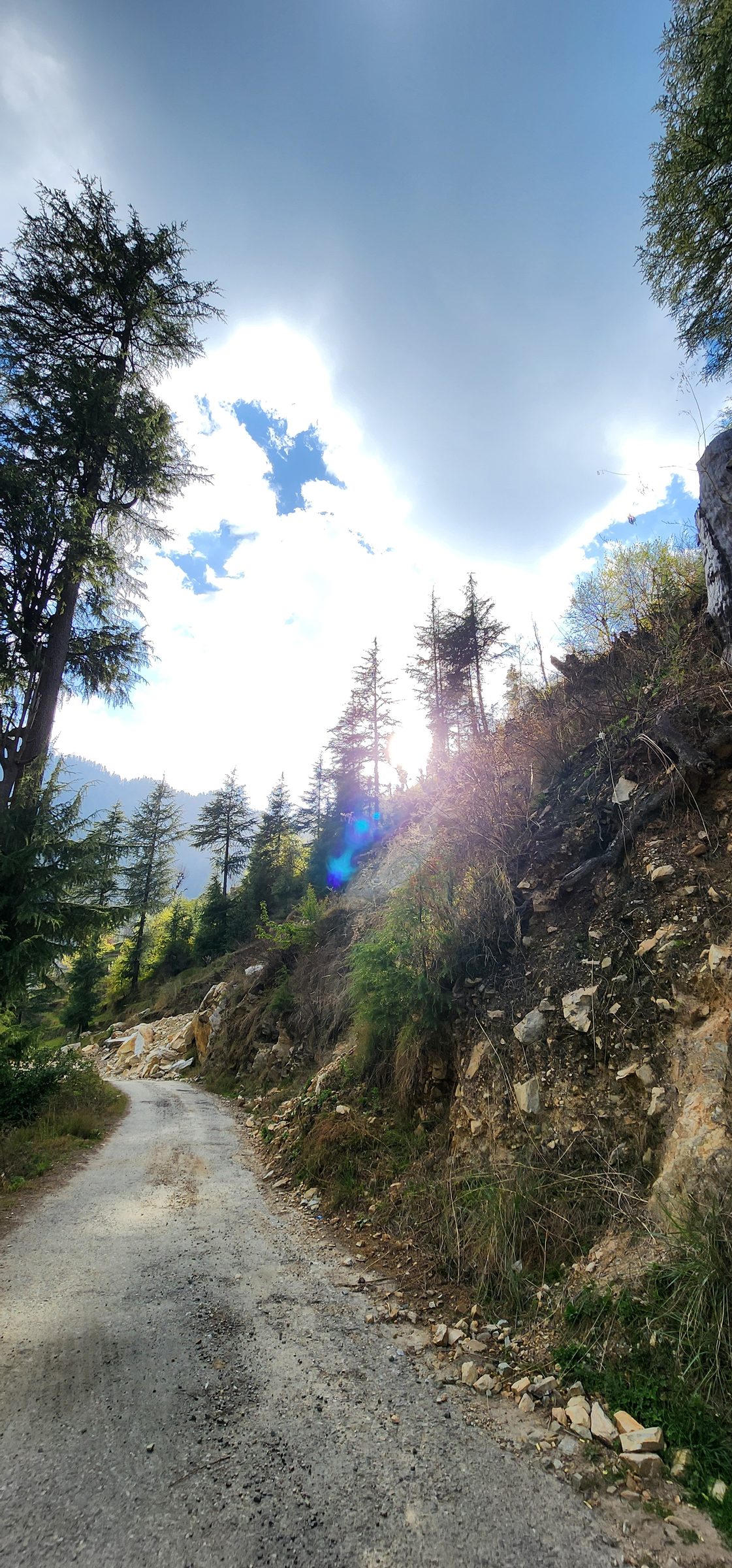
If you’re coming from Manali, the 145 km drive takes just 4–5 hours via NH3 south to Kullu, through the Aut Tunnel, and down NH305 to Banjar. Travellers from Shimla can choose between the scenic Narkanda–Rampur route (218 km, 5–6 hours) or the faster Mandi detour.
[Plan your Delhi to Jibhi tour package](/blog/delhi-to-jibhi-tour-package) for a seamless journey with local drivers who know the winding roads—and the best spots to pause for chai.
**By Air or Rail:**
- Nearest airport: **Bhuntar (Kullu-Manali Airport)**, 65 km away (2 hours via NH305).
- Nearest railhead: **Jogindernagar**, 95 km away (3 hours by road).
- From Bhuntar or Jogindernagar, local taxis or shared jeeps can take you to Jibhi.
⚠️ **Pro tip:** Carry cash from Banjar (10 km away)—Jibhi village has only one ATM. Also, fill up your tank in Aut or before Banjar; fuel stations are sparse on the route.
---
## Best Time to Visit Jibhi: Seasons That Paint the Valley in Magic
Jibhi transforms with the seasons, each offering a different mood. Here’s what to expect:
- **March–April:** Apple blossoms burst into pink and white across the valley. Temperatures hover between 10–20°C, perfect for gentle walks to [Jibhi Waterfall](/blog/places-to-visit-in-jibhi) and [Shringa Rishi Temple](/blog/places-to-visit-in-jibhi). The air is crisp, the roads clear, and the village hums with the rhythm of spring planting.
- **May–June:** The valley heats up to 15–25°C, ideal for treks to [Jalori Pass (3,120m)](/blog/best-time-to-visit-jalori-pass). The pass opens in May, revealing panoramic views of the Dhauladhar and Kinnaur ranges. Serolsar Lake and Raghupur Fort become accessible—allow 2–2.5 hours for each trek.
- **July–August:** Monsoon arrives with heavy rains and landslides, especially on NH305. While the valley is lush and dramatic, road cuts are common. Electricity outages are frequent—choose stays with inverters.
- **September–November:** Post-monsoon clarity paints the hills in gold and crimson. This is peak season: clear skies, crisp air, and the famous autumn foliage around Jalori Pass. October–November is the best time to visit.
- **December–February:** Heavy snowfall blankets Jibhi and closes Jalori Pass (reopening in May). Villages like Jibhi stay open for snow tourism—think cozy homestays, bonfires, and views of snow-dusted orchards.
>For real-time updates, check [Jibhi weather today](/blog/jibhi-weather-today) before you pack.
---
## Where to Stay in Jibhi: Homestays, Cafés, and Mountain Stillness
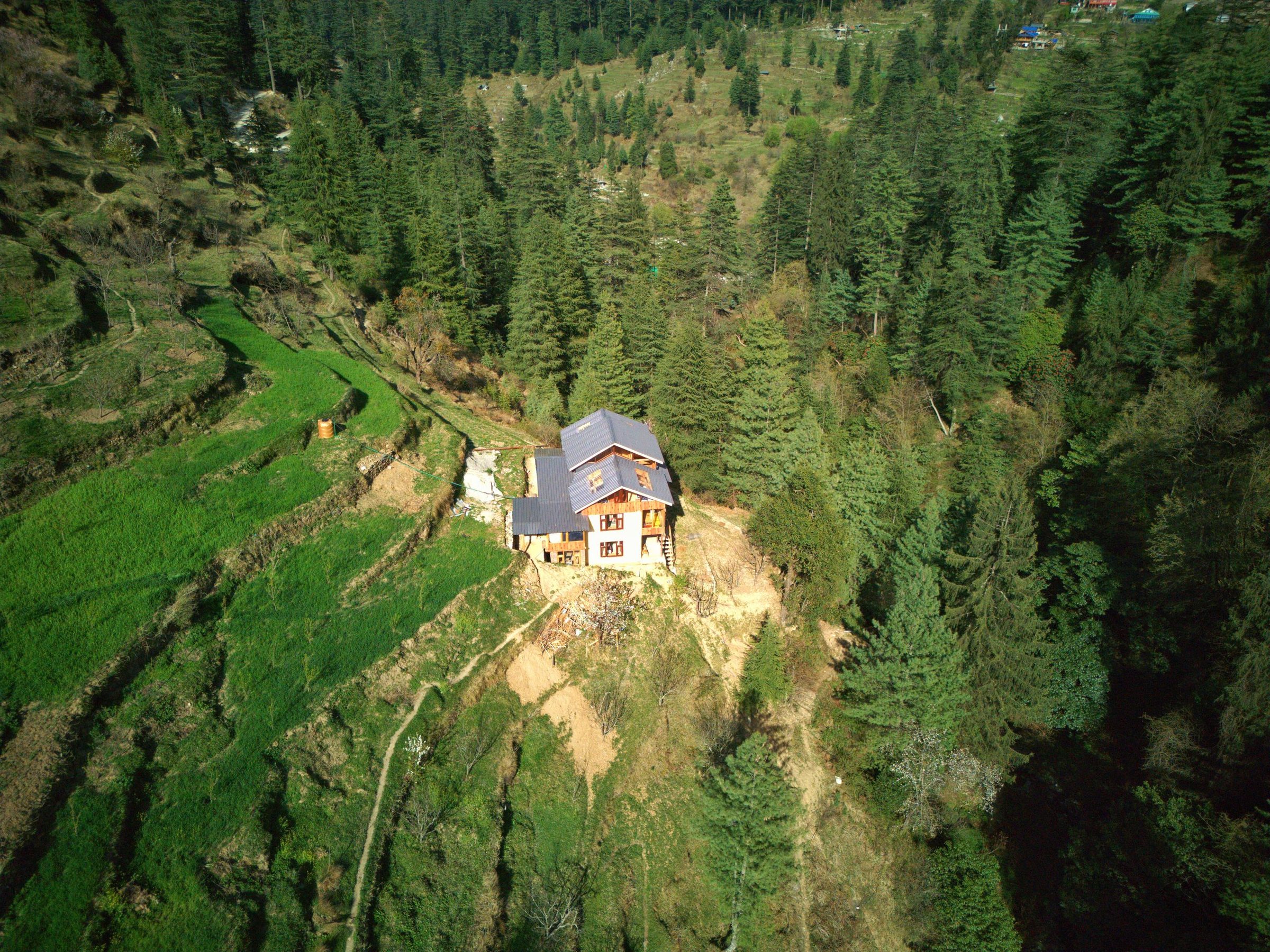
Jibhi’s accommodations are the heart of its charm. Most stays are family-run wooden homestays—some with sloping roofs, others with open decks overlooking the Tirthan River. Expect simplicity over luxury, warmth over Wi-Fi, and meals cooked on wood stoves.
**Top picks:**
- **Ailyak Cafe & Stays:** A boutique retreat blending modern comfort with Kullu heritage. Their café serves slow-cooked Himachali thukpa and wood-fired pizzas, while the rooms offer valley views and quiet balconies. It’s the perfect base for trout fishing and short treks.
- **Traditional Homestays:** Look for wooden houses with names like “Nanda Devi Guest House” or “Chehni View Homestay”—each tells a story of generations who’ve called this valley home.
- **Eco-Lodges:** For off-grid living, choose stays near [Chehni Kothi](/blog/places-to-visit-in-jibhi) or Jalori Pass. These often include guided forest walks and stargazing sessions.
🍂 **Foodie tip:** Try *siddu* (steamed bread), *madu* (sweet rice), and *trout curry* at local dhabas. For a curated menu, [Ailyak Cafe & Stays](/blog/best-cafes-in-jibhi) is a must-visit.
---
## Things to Do in Jibhi: Treks, Waterfalls, and Sacred Lakes
Jibhi isn’t just a place to stay—it’s a place to wander. Here are the experiences that define a visit:
### 🏞️ Trekking in Jibhi: Trails for Every Pacesetter
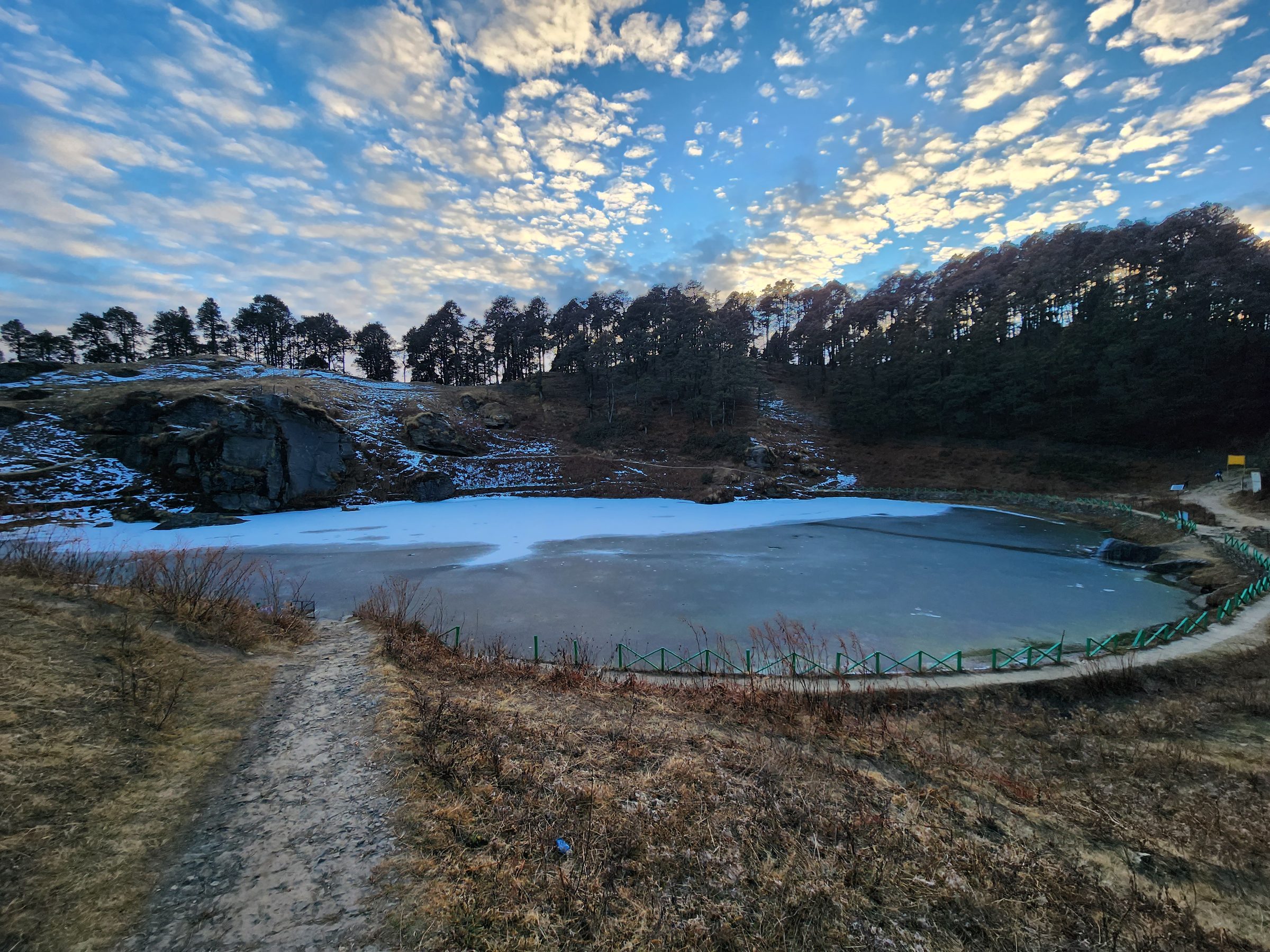
- **[Jalori Pass to Serolsar Lake](/blog/jibhi-trekking):** A 5 km forest trek (2 hours) through deodar and oak to a sacred lake at 3,100m, home to the Budhi Nagin deity. Spot Himalayan Monals and Koklass Pheasants along the way.
- **[Jalori Pass to Raghupur Fort](/blog/jibhi-trekking):** A 5 km ridge trek offering 360° views of Kullu and Shimla districts. The fort ruins tell stories of the Guler kingdom.
- **[Chehni Kothi Trek](/blog/offbeat-trekking-trails-jibhi-tirthan):** A 45-minute uphill walk to one of Himachal’s tallest traditional towers—built 500–700 years ago with earthquake-resistant wooden beams.
### 🎣 Trout Fishing in the Tirthan River
The Tirthan is one of India’s top trout fishing spots. You’ll need a permit from the Fisheries Department at Larji or Banjar. Guides in Jibhi can help arrange rods, bait, and the best fishing holes—especially in the quieter months of March–June or September–October.
### 🌿 Sacred Spots and Scenic Walks
- **[Shringa Rishi Temple](/blog/places-to-visit-in-jibhi):** A 2 km walk from Jibhi village to a temple dedicated to the sage Shringa. Visit during local festivals when the deity is carried in a *doli*.
- **[Jibhi Waterfall](/blog/places-to-visit-in-jibhi):** A 15-minute walk from the village center, this year-round waterfall is at its roaring best after monsoon.
- **Apple Orchards:** Stroll through terraced orchards in season (August–October). Some homestays offer harvest experiences.
---
## Travel Tips for Jibhi in Himachal Pradesh: What to Pack and Know
- **Connectivity:** Mobile networks are patchy. **BSNL** has the most reliable signal; **Airtel** works in most spots. **Jio** is spotty. Download offline maps before you go.
- **Cash:** Only one ATM in Jibhi. Withdraw in Banjar (10 km) or Aut (56 km).
- **Transport:** Shared jeeps run between Jibhi and Banjar, but private taxis are more reliable for Jalori Pass or Chehni Kothi.
- **Permits:** Trout fishing requires a permit from Larji or Banjar Fisheries. Trekking to Jalori Pass or Serolsar Lake is free.
- **Packing:** Layered clothing is essential—mornings are cold, afternoons mild. Include waterproof gear for monsoon and woollens for winter. Sturdy shoes for treks; sandals for village walks.
💡 **Local secret:** Ask your host about *Ailyak*—they’ll slow down to explain the rhythm of the valley. It’s not just a word; it’s an invitation.
---
## Jibhi vs. Kasol vs. Manali: Why This Hidden Valley Wins
Jibhi isn’t trying to be Kasol or Manali—and that’s its power. While Kasol draws backpackers with cafes and bonfire parties, and Manali swarms with adventure tours, Jibhi offers solitude, heritage, and a pace that slows to match the mountains.
- **Distance from Kasol:** 100 km (3–4 hours via Bhuntar and Aut).
- **Distance from Manali:** 145 km (4–5 hours via Kullu and Aut Tunnel).
- **Vibe:** Quiet, traditional, nature-focused.
If you’re seeking Instagram-worthy chaos, Manali’s got it. If you want soul-stirring silence, Jibhi is your answer.
---
## Ready to Slow Down? Plan Your Jibhi Trip Now
Jibhi in Himachal Pradesh isn’t a destination—it’s a reset. Whether you’re trekking to Serolsar Lake at dawn, sipping trout curry by a wood stove, or simply watching the Tirthan River flow, this valley teaches you to breathe again.
For a curated itinerary, check out:
- [Jibhi tourism: Places to visit in Jibhi](/blog/places-to-visit-in-jibhi)
- [Jibhi trekking: Best trails & essential guide](/blog/jibhi-trekking)
- [When to go: Best time to visit Jibhi and Jalori Pass](/blog/best-time-to-visit-jalori-pass)
Pack light. Leave the rush behind. In Jibhi, the mountains will show you how.
---