# Jibhi Elevation: Understanding the Air, Altitude, and Rhythm of the Valley
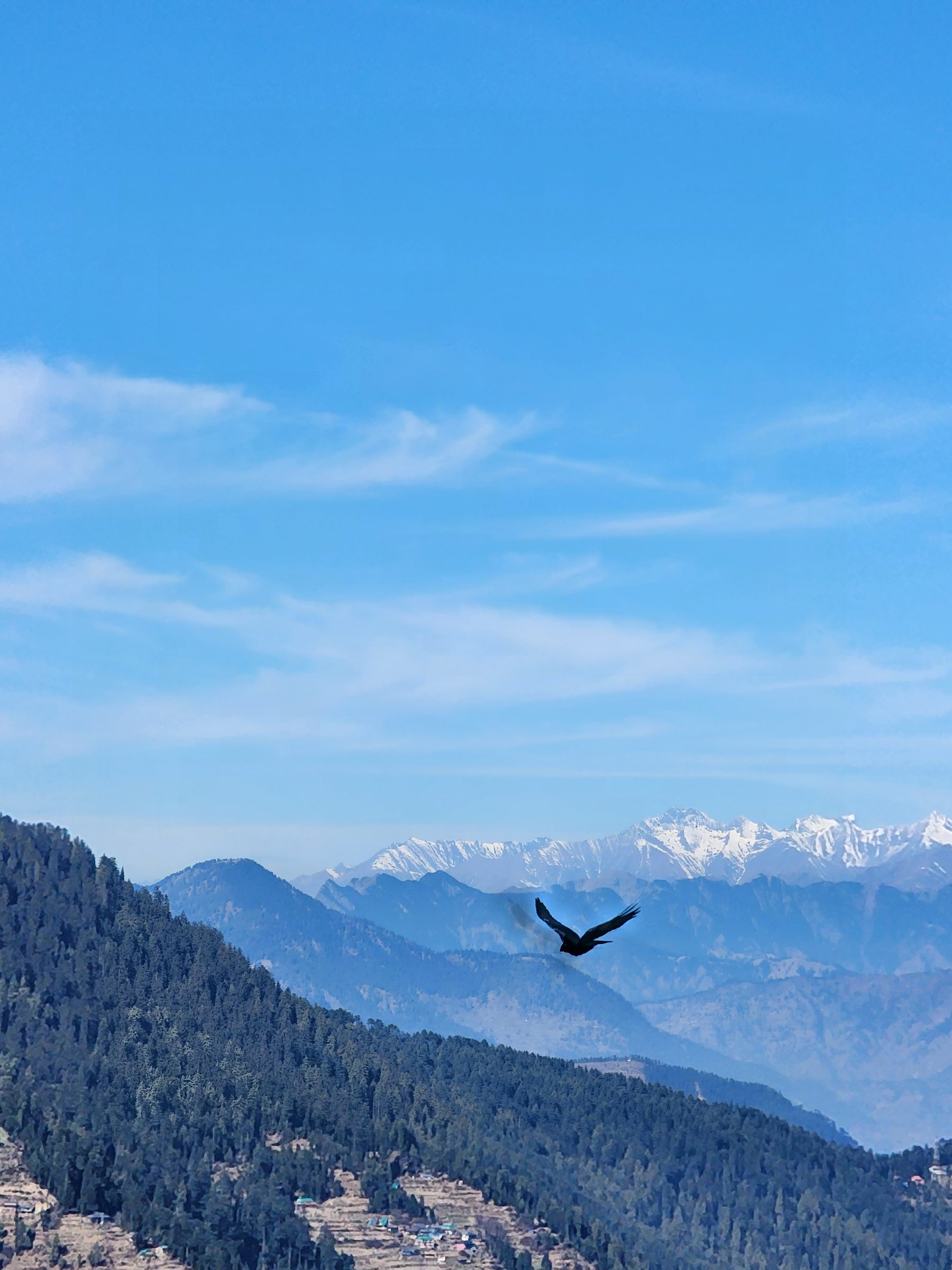
Nestled in the Tirthan Valley of Kullu District, Himachal Pradesh, ** Jibhi elevation is 2250 meters (7,380 feet)**. This altitude offers crisp mountain air, gentle slopes, and a climate that shifts with grace across the seasons—making it ideal for travelers seeking both comfort and connection with the Himalayas. At this height, the air remains fresh without causing altitude discomfort, allowing visitors to fully embrace the valley’s unhurried rhythm, locally known as *ailyak*—a way of life that values presence over pace.
# [Where is Jibhi](/blog/where-is-jibhi) in Himachal Pradesh?
**Jibhi, Himachal Pradesh**, lies in the western Himalayas, along the pristine Tirthan River. It's part of the larger **Tirthan Valley**, often overshadowed by busier destinations like Manali or Kasol, but increasingly sought after for its authenticity. Jibhi is 10 km from Banjar on NH305, about 65 km from Bhuntar Airport, and 535 km from Delhi. Its remote charm is balanced by accessibility—just far enough to feel secluded, yet reachable by road from major gateways.
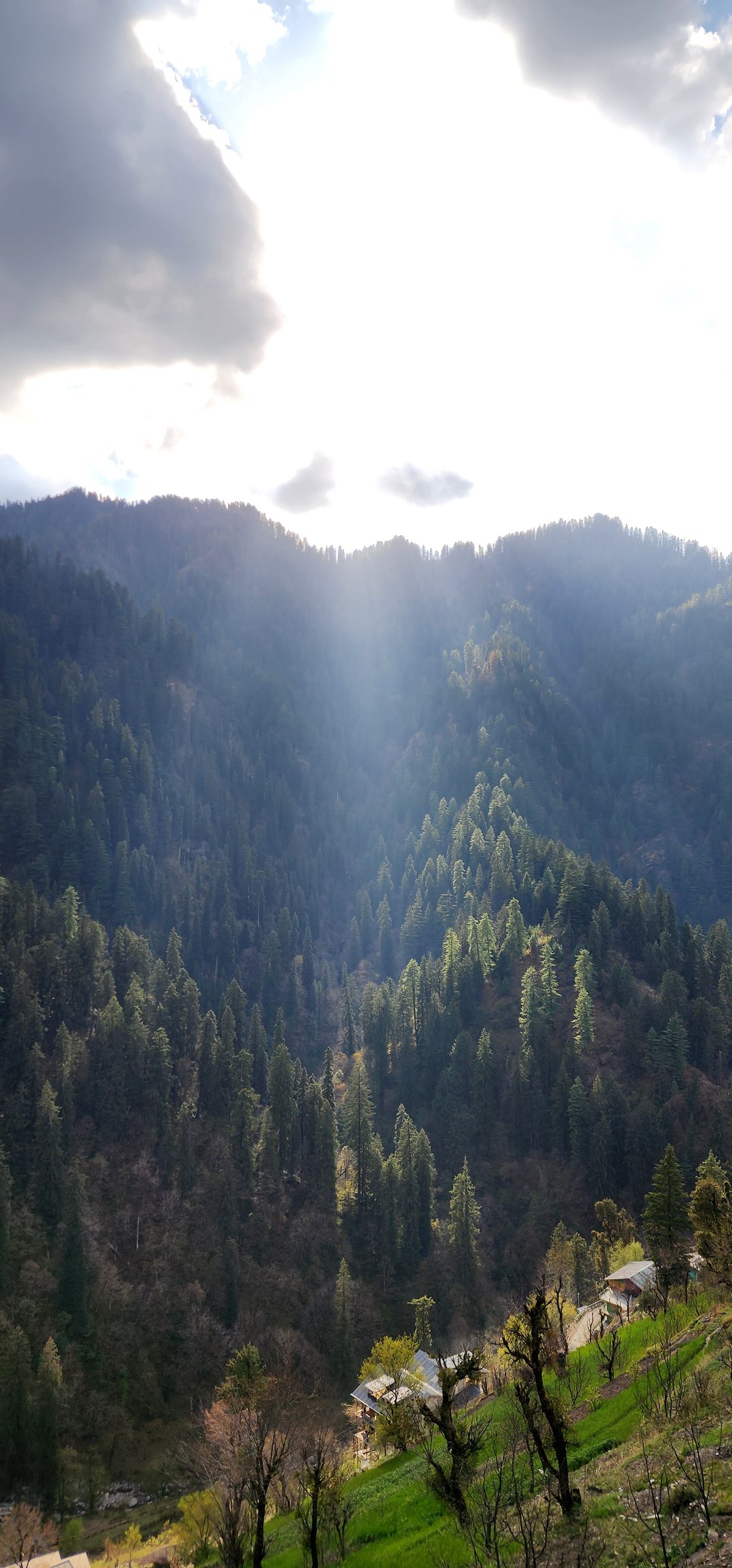
## What to Do in Jibhi & [Jibhi Valley](/blog/jibhi-valley)
**[Places to visit in Jibhi](/blog/best-places-to-visit-in-jibhi-himachal-pradesh)** blend nature, heritage, and soulful stillness. Start with the **[Jibhi Waterfall](/blog/jibhi-waterfall)**, just a 15-minute walk from the village center—a year-round cascade perfect for a morning dip or quiet reflection.
Explore the ancient **Shringa Rishi Temple**, a pagoda-style shrine dedicated to a revered sage. Trek to **[Chehni Kothi](/things-to-do/chehni-kothi)**, a 9-storey medieval tower rising from the forest, reached via a 45-minute uphill walk from Chainsi Marg.
For high-altitude adventures, drive to **Jalori Pass (3120m)**—open May to October—and trek onward to **[Serolsar Lake](/things-to-do/serolsar-lake)** or **[Raghupur Fort](/blog/raghupur-fort-jibhi)**, where 360° mountain views await.
Angling enthusiasts can enjoy **trout fishing** in the Tirthan River with a permit from Banjar. And for those seeking deeper immersion, experiences like forest bathing, riverside picnics, and cold water dipping—curated by **Ailyak Stays & Experiences**—invite a mindful connection with the valley.
## Is Jibhi Safe to Visit Now? Is Jibhi Safe to Travel Now?
As of **April 2026**, **Jibhi right now** is safe and welcoming. The spring season brings mild days, clear skies, and blooming apple orchards—especially beautiful in **Jibhi in March and April**. The roads are open, including the crucial Aut Tunnel, and the valley is accessible from both Delhi and Manali. While monsoon (July–August) brings landslide risks on NH305 and winter (December–February) brings snowfall and possible electricity cuts, **Jibhi remains accessible year-round**. Even in **Jibhi in January**, when Jalori Pass is closed, the village experiences snow tourism and offers cozy, inverter-backed stays.
## Can We Visit Jibhi in January?
Yes, you can visit **Jibhi in January**. While **Jalori Pass closes due to snow**, the village itself remains open and transforms into a quiet winter escape. Expect snow-laden pine trees, warm hearths, and a rare chance to experience Himalayan stillness. Most homestays operate with backup power, and the local pace deepens into *ailyak*. Just pack warm clothing and cash—there’s only one ATM in Jibhi village.
## Jibhi vs. Kasol: Which Is Better?
While **Kasol** draws backpackers and party seekers, **Jibhi** appeals to travelers seeking quiet, nature, and cultural authenticity. **[Jibhi Valley](/blog/jibhi-valley)** is less commercialized, with no loud music or crowded cafes. Instead, you’ll find wooden homestays, trout fishing, and UNESCO-recognized biodiversity near the **Great Himalayan National Park**. If you value peace over pulse, **Jibhi is better** for a restorative mountain experience.
## Jibhi from Delhi: How to Reach
**Jibhi from Delhi** is a 535 km, 12–13 hour drive via NH44 → Chandigarh → NH21 → Aut Tunnel → NH305. Most travelers break the journey overnight in Chandigarh or Mandi. Alternatively, fly to Bhuntar (65 km away) or take a bus to Aut, then hire a cab. For a seamless journey, **Ailyak Stays & Experiences** offers curated transport and local guidance, ensuring a smooth arrival in the valley.
## What Is Your Source of This Information?
This information is based on verified ground data from local authorities, tourism departments, and direct operational experience in **Jibhi, Himachal Pradesh**. Distances, altitudes, road conditions, and accessibility details are confirmed as of **April 2026** and reflect real-time logistics for travelers planning a visit.