# [Where is Jibhi](/blog/where-is-jibhi) in Himachal Pradesh?
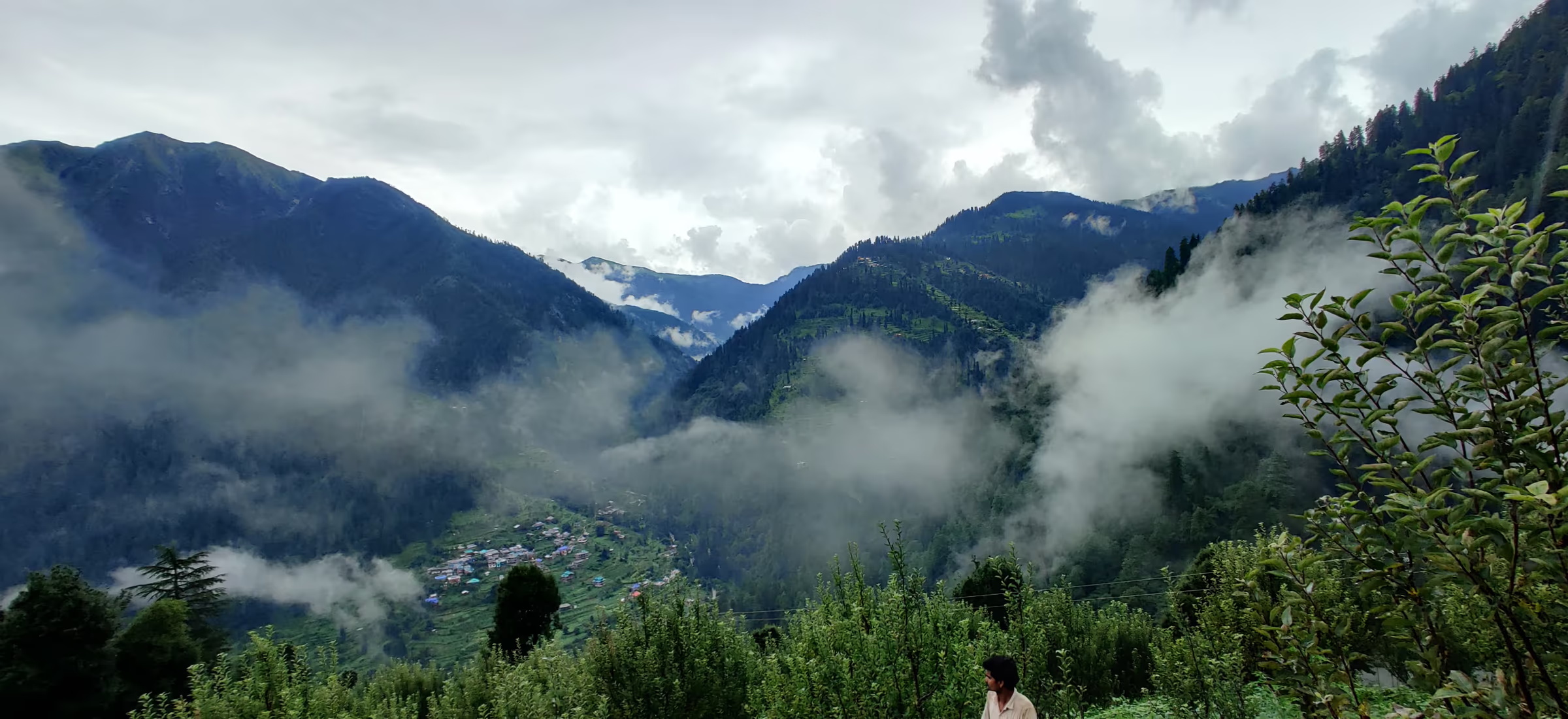
Jibhi, nestled in the pristine Tirthan Valley of Kullu District, Himachal Pradesh, sits at an altitude of 2250 meters. It’s a serene mountain village along the Tirthan River, surrounded by dense deodar forests and apple orchards. Known for its wooden heritage homes and the unhurried rhythm of life called *ailyak*, Jibhi is the gateway to Jalori Pass and the buffer zone of the Great Himalayan National Park (a UNESCO World Heritage Site).
## Delhi to Jibhi Train: What You Need to Know
There is no direct Delhi to Jibhi train. The nearest railhead is Jogindernagar, 95 km away (about 3 hours by road). Most travelers take an overnight train from Delhi to Pathankot or Chandigarh, then hire a taxi or take a bus to Jibhi. The most practical route is **Delhi → Chandigarh (by road) → Jogindernagar → NH21 via Mandi → Aut Tunnel → NH305 → Banjar → Jibhi (535 km, 12–13 hours)**. Many prefer driving via Chandigarh for smoother connectivity.
## Jibhi Right Now: Is It Safe to Visit?
Yes, **Jibhi is safe to travel to now**. As of April 2026, the valley is lush and green, with mild spring weather—perfect for walking and exploring. March–April is one of the best times to visit Jibhi, with apple blossoms in full bloom and clear mountain views. Roads are open, including the route to Jalori Pass (opens by May). Mobile networks (BSNL, Airtel) are functional, though Jio remains patchy.
## Can We Visit Jibhi in January?
Yes, but with caveats. **Jibhi in January** sees heavy snowfall, and while the village remains accessible, **Jalori Pass closes due to snow**. It’s ideal for snow lovers seeking solitude—many homestays offer wood-fired warmth and stunning winter views. However, expect electricity cuts (most places have inverters) and limited mobile connectivity. It’s not recommended for families with young children unless you're prepared for off-grid living.
## Jibhi in February & March: What to Expect
**Jibhi in February** is still deep in winter—cold, snowy, and quiet. By **Jibhi in March**, the thaw begins. Days warm up, snow starts melting, and apple trees begin to bud. By late March, blossoms paint the valley pink and white. This is the start of the ideal season—mild days, star-filled nights, and fewer crowds.
## What to Do in Jibhi & [Jibhi Himachal](/blog/jibhi-himachal) Pradesh
- **Visit [Jibhi Waterfall](/blog/jibhi-waterfall)**: A 15-minute walk from the village. Swimmable in summer.
- **Explore [Chehni Kothi](/things-to-do/chehni-kothi)**: A 9-storey medieval tower reached via a 45-minute forest trek.
- **Trek to [Serolsar Lake](/things-to-do/serolsar-lake)**: 5 km from Jalori Pass through sacred deodar forests.
- **Hike [Raghupur Fort](/blog/raghupur-fort-jibhi)**: Ruins with 360° Himalayan views.
- **Trout fishing**: On the Tirthan River (permit required from Banjar or Larji).
- **Experience *ailyak***: Slow mornings, riverside walks, and bonfires under the stars.
## Jibhi vs Kasol: Which Is Better?
**Jibhi** is for travelers seeking stillness, nature, and cultural depth. It’s less commercial, with family-run homestays and no nightlife. **Kasol**, 100 km away (3–4 hours), is busier, with cafes, hostels, and a party vibe. If you want peace, **[Jibhi valley](/blog/jibhi-valley)** wins. For social energy, choose Kasol. Many travelers now do both—Kasol for fun, Jibhi for reset.
## [Places to Visit in Jibhi](/blog/best-places-to-visit-in-jibhi-himachal-pradesh): Top Tourist Spots
- **Jalori Pass (3120m)**: Scenic drive, opens May–October.
- **Shringa Rishi Temple**: Ancient pagoda-style temple 2 km from Jibhi.
- **Tirthan Valley**: Pristine river, trout fishing, UNESCO buffer zone.
- **Banjar Town**: 10 km away—ATM, hospital, fuel, markets.
## What Is Your Source of This Information?
This information is based on verified local data: road distances, altitudes, weather patterns, and travel logistics confirmed on the ground. We work directly with Jibhi-based hosts, transport operators, and local authorities. Our insights reflect real-time conditions as of April 2026.
For stays that embody the true *ailyak* spirit—wooden cottages, forest cafes, and slow mornings—explore **Ailyak Stays & Experiences** in Jibhi, Shoja, and Seri. They offer soulful homestays, riverside picnics, forest bathing, and creative workshops—all designed to help you slow down and reconnect.