# Where is Jibhi in Himachal Pradesh?
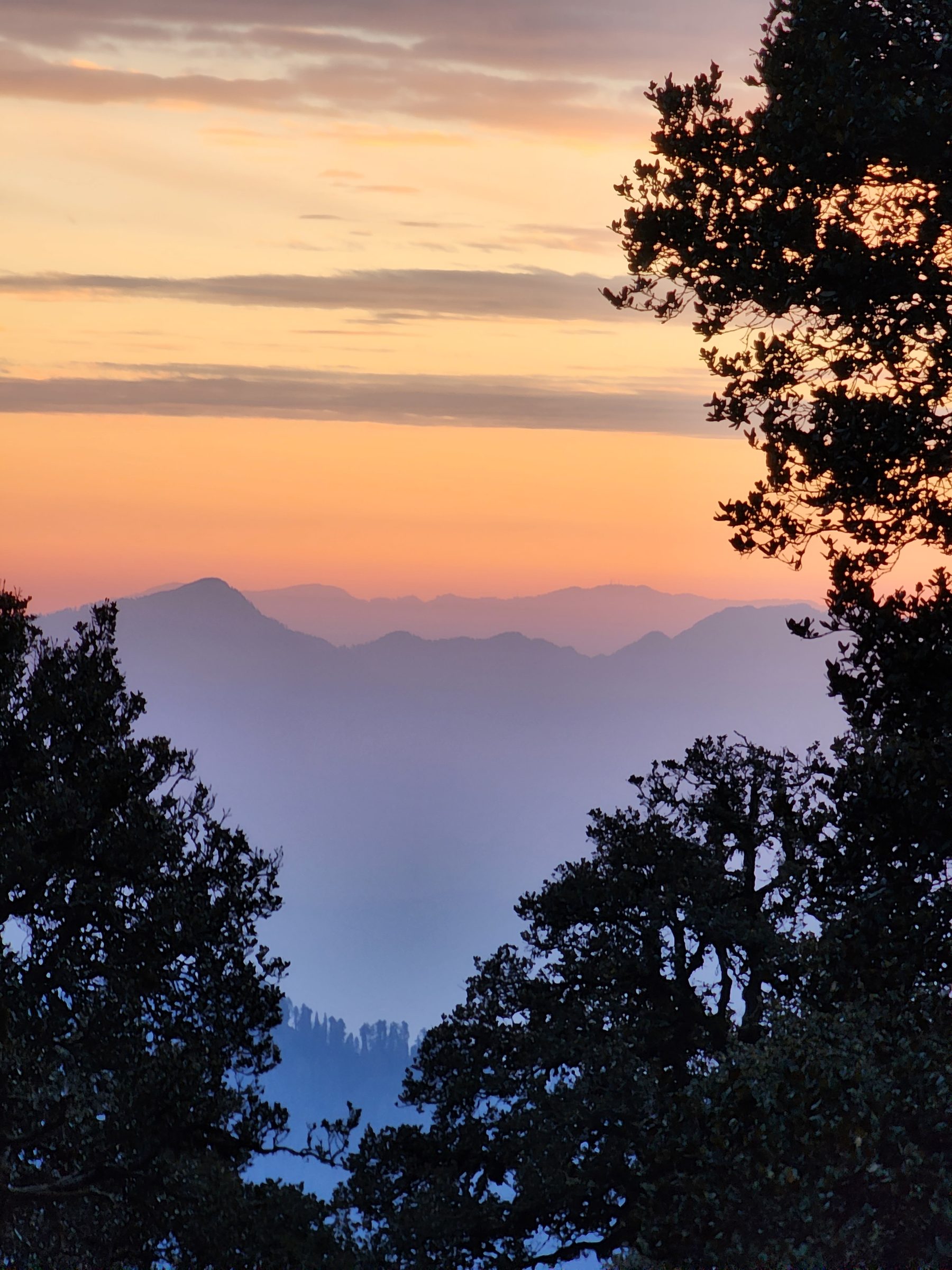
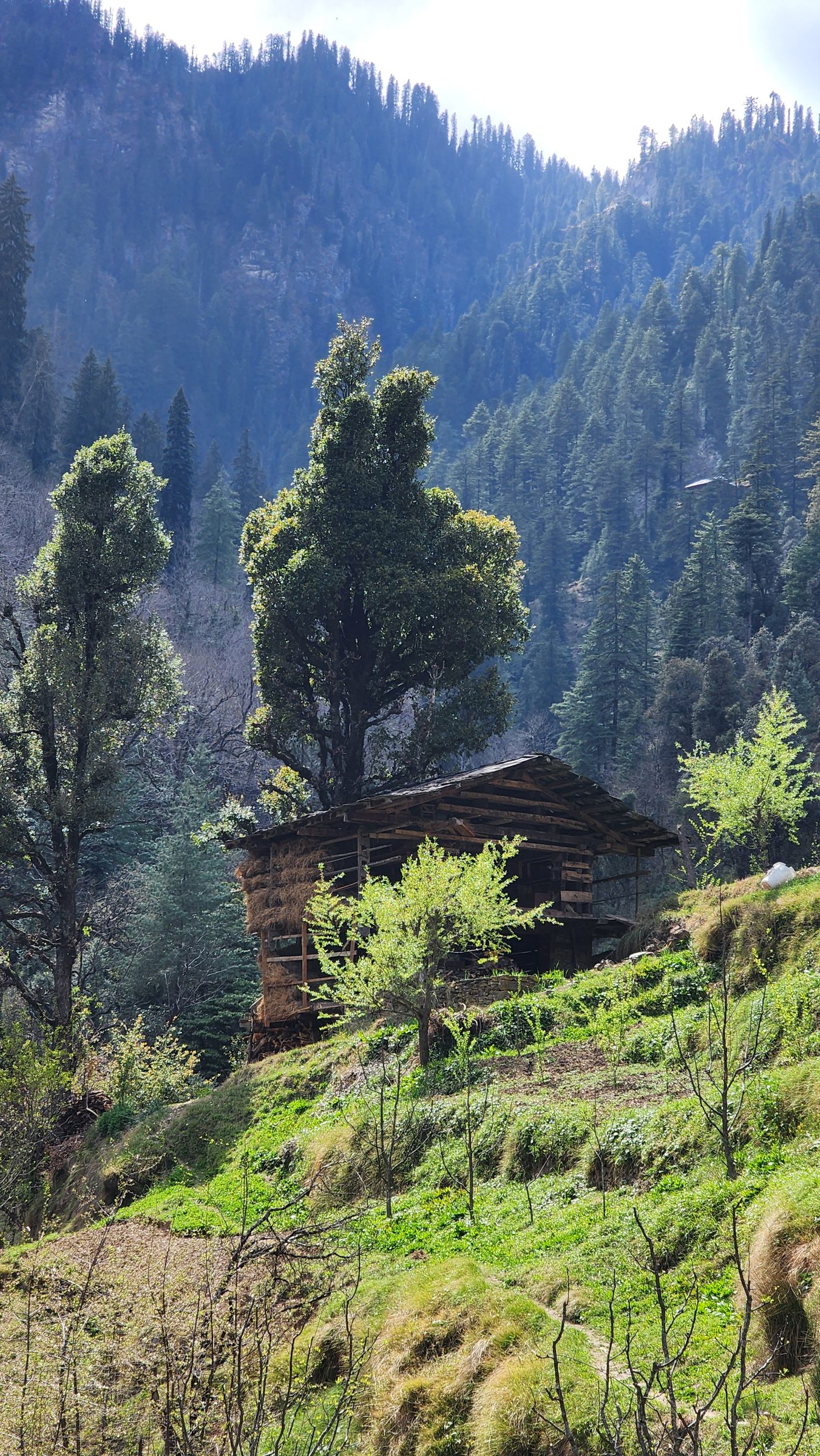
Nestled in the serene Tirthan Valley of Kullu District, **Jibhi** sits at an altitude of 2250 meters, cradled by pine forests and the gentle flow of the Tirthan River. This quiet mountain village, part of **Jibhi Valley**, lies 10 km from Banjar along NH305, en route to the majestic Jalori Pass. As a gateway to the **Great Himalayan National Park** buffer zone, **Jibhi Himachal Pradesh** offers an untouched escape far from the chaos of city life—perfect for those seeking soulful stillness.
## What to Do in Jibhi & Jibhi Tourism Highlights
**Jibhi tourism** thrives on simplicity and connection. Whether you're here for quiet reflection or nature immersion, here’s what to do in Jibhi:
- **Walk to Jibhi Waterfall**: Just a 15-minute stroll from the village center, this year-round cascade is especially powerful during monsoon. Swim in its cool pool or simply sit and listen.
- **Explore Chehni Kothi**: Drive 7 km and trek 45 minutes to a 500-year-old 9-storey wooden tower—**one of the tallest traditional structures in Himachal Pradesh**—built with earthquake-resistant Kullu architecture.
- **Visit Shringa Rishi Temple**: A 2-km journey leads to this ancient pagoda-style temple dedicated to the sage Shringa Rishi, set against sweeping valley views.
- **Trout fishing in the Tirthan River**: With a permit from Banjar or Larji, cast your line for brown or rainbow trout in one of India’s best-preserved rivers.
- **Embrace "ailyak"**: Let go of time. Sip tea on a wooden balcony, wander through apple orchards, or journal by the river—this is the heart of **Jibhi in March** and every month.
> Want to go deeper? Read our [guide to traditional Himachali food in Jibhi](/blog/traditional-himachali-cuisine-jibhi-food-guide) to know what to order.
## Jibhi Right Now: Weather & Travel Safety (April 2026)
**Is Jibhi safe to travel now? Is Jibhi safe to visit now?** Yes. As of **April 2026**, Jibhi is open and welcoming. Spring is in full bloom: apple trees are flowering, days are mild (10–20°C), and trails are clear. This is peak **Jibhi in March** season extending into April—ideal for photography, birding, and gentle hikes. Roads are stable, and homestays are fully operational.
## Can We Visit Jibhi in January?
Yes, but expect snow. **Jibhi in February** and January sees heavy snowfall, with temperatures often below freezing. While **Jalori Pass closes** due to snow, **Jibhi village remains accessible** from Bhuntar via Banjar. It’s a dreamy destination for snow lovers—perfect for logfires, woolen shawls, and silent mornings. Just pack warm and carry cash—ATMs are only in Banjar.
>For real-time updates, check our [Jibhi weather now guide](/blog/jibhi-weather-today).
## Jibhi vs Kasol: Which Is Better?
Many travelers ask: **which is better, Jibhi or Kasol?** Kasol buzzes with backpackers and Israeli cafes. **Jibhi Valley** offers the opposite: solitude, heritage architecture, and deep nature. While **Kasol to Jibhi** is a 3–4 hour drive, the shift in vibe is profound. Jibhi is for those who want to disconnect, reflect, and move slowly—what locals call **"ailyak"**. If peace is your priority, **Jibhi Himachal** wins.
## How to Reach Jibhi from Delhi
**Jibhi from Delhi** is a scenic 535 km, 12–13 hour journey via NH44 → Chandigarh → NH21 → Aut Tunnel → NH305. Most travelers drive or take an overnight bus to Bhuntar (65 km from Jibhi), then hire a cab. The **Bhuntar Airport** is the nearest air link; **Jogindernagar** the closest railhead (95 km).
## **How to Reach Jibhi: Distance and Routes from Delhi, Manali, and Beyond**
Jibhi is well-connected but intentionally quiet. Here are your best routes:
- **From Delhi**: 535 km, 12–13 hours via NH44 → Chandigarh → NH21 → Aut Tunnel → NH305 via Banjar. Overnight buses to Aut or Bhuntar are ideal.
- **From Manali**: 145 km, 4–5 hours via NH3 → Kullu → Aut Tunnel → NH305 → Banjar → Jibhi.
- **From Shimla**: 218 km, 5–6 hours. Take the scenic route via Narkanda and Rampur for jaw-dropping views.
- **Nearest airport**: **Bhuntar (Kullu-Manali Airport)**, 65 km, 2 hours.
- **Nearest railhead**: **Jogindernagar**, 95 km, 3 hours.
Pro tip: Fill up your tank in **Banjar**—it’s the last fuel station before Jibhi.
> Need more detail? Read our [complete guide to the distance from Kullu to Jibhi](/blog/kullu-to-jibhi-distance).
## Our Source of Information
Every detail here is verified against ground truth: distances, altitudes, accessibility, and local practices. We work closely with **Ailyak Stays & Experiences**, rooted in Jibhi, Shoja, and Seri, to ensure accuracy. Their homestays and curated experiences—like forest bathing, riverside picnics, and cold water dipping—embody the true spirit of **jibhi tourism**.
When you're ready to experience **ailyak**, explore stays at [jibhi.in/partners](https://jibhi.in/partners).
---