# Best Time to Visit Jibhi: A Complete Seasonal Breakdown
If you're asking **what is the best time to visit Jibhi**, the answer depends on what kind of Himalayan escape you’re seeking. Nestled in the Tirthan Valley at 2250m, Jibhi offers distinct seasonal magic — from snow-draped stillness to apple-blossom freshness and golden autumn light. Today, April 12, 2026, marks the peak of spring, and with apple orchards in full bloom, now is one of the most enchanting times to experience the valley’s gentle rhythm.
## Best Time to Visit Jibhi: March to April – Spring Awakening
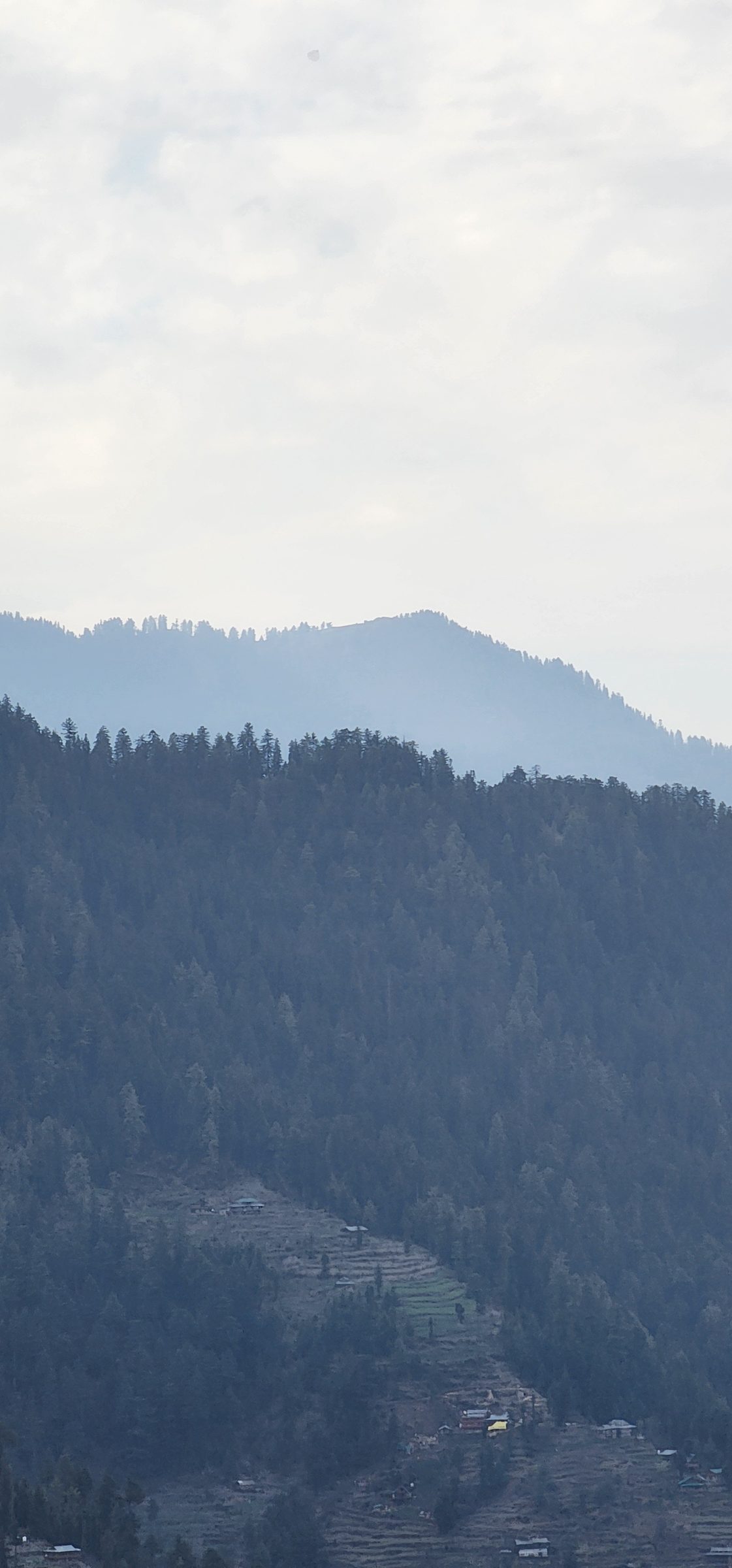
*Misty [Jibhi valley](/blog/jibhi-valley) scenery*
**Is March–April the best time to visit Jibhi? Absolutely — especially if you love mild weather and natural beauty.** As winter lifts, the valley comes alive. Apple trees burst into delicate pink and white blossoms, meadows turn green, and the Tirthan River glimmers under clear skies. With temperatures ranging from 10°C to 22°C, days are perfect for walks to the [Jibhi Waterfall](/blog/jibhi-waterfall) or a quiet riverside picnic.
This is also an ideal window for **trout fishing** — permits are available from Banjar or Larji — and exploring nearby **[Chehni Kothi](/things-to-do/chehni-kothi)**, where the 45-minute trek through spring foliage feels like walking through a living painting.
For travelers coming from **Delhi (535 km, 12–13 hours)** or **Chandigarh (290 km, 7–8 hours)**, road conditions are optimal now. NH305 is stable post-winter, and landslides haven’t yet begun.
## October–November: The Golden Season
While spring charms, **October–November is widely considered the best time to visit Jibhi** for most travelers. The post-monsoon air is crisp, visibility is exceptional, and the hills glow with autumn foliage — golden oaks, crimson maples, and rust-colored rhododendrons.
This is prime season for **Jalori Pass (3120m)**, which remains open until October. From Jibhi, the 14 km drive leads to the gateway of **[Serolsar Lake](/things-to-do/serolsar-lake)** and **[Raghupur Fort](/blog/raghupur-fort-jibhi)**, two treks that shine in this clear, cool weather. Birdwatchers will love spotting the **Himalayan Monal** in the deodar forests en route.
With fewer crowds than Manali or Kasol, Jibhi in autumn offers true peace — the essence of *ailyak*, the local way of unhurried living.
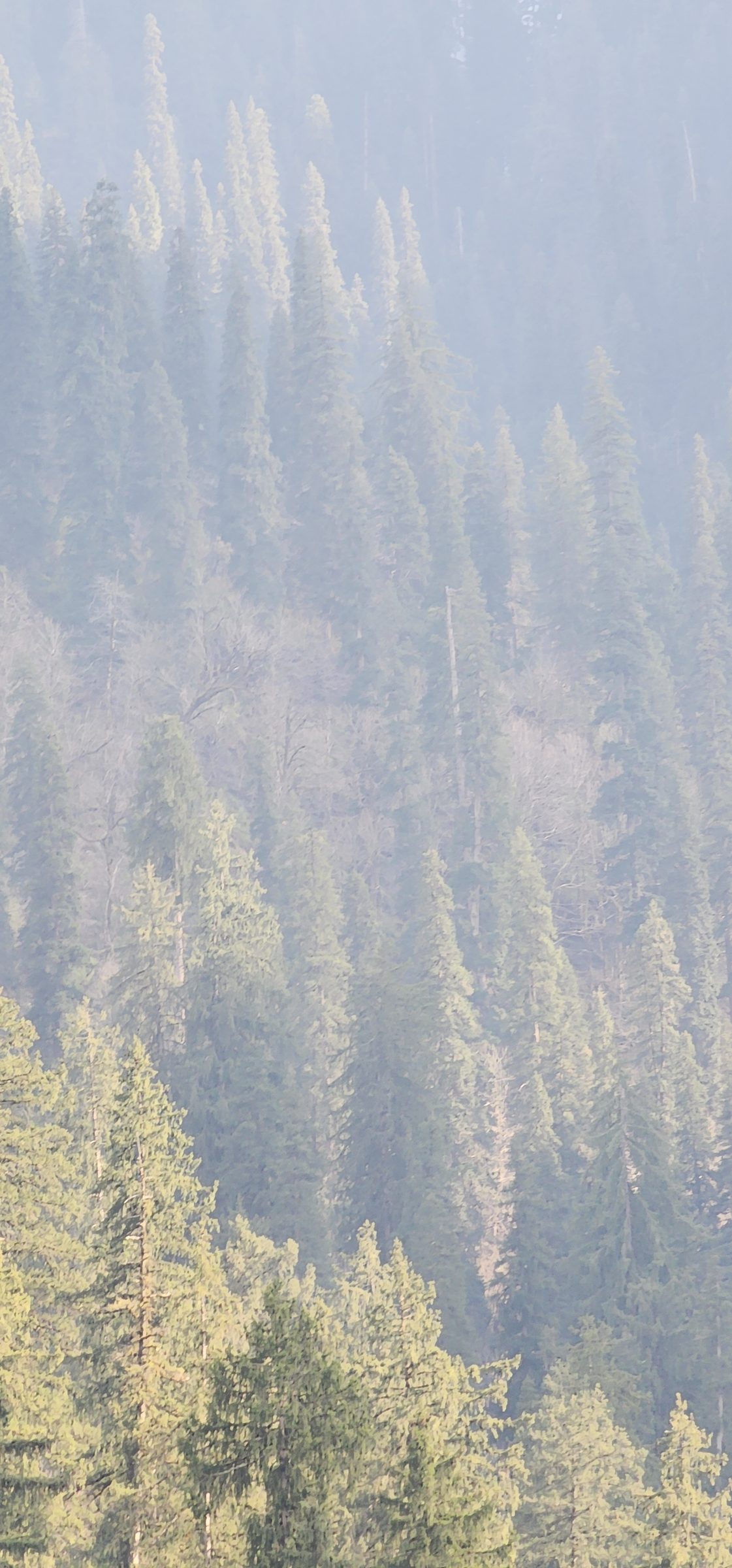
*Peaceful forest scenery in Jibhi*
## Best Time for Snowfall: December to February
**Looking for snow in Jibhi? December to February is your window.** While **Jalori Pass closes due to heavy snow**, Jibhi village remains accessible and transforms into a serene winter hideaway.
Temperatures drop to -2°C at night, but days are often sunny and still. Homestays with wood-fired *bukharis* (heaters) become cozy sanctuaries. This is a rare chance to experience snow-covered apple orchards and silent, frost-laden mornings — perfect for slow journaling, hot chai, and forest walks.
Note: Power cuts are common, but most stays, including **Ailyak Stays & Experiences**, have inverters. Mobile networks (especially BSNL and Airtel) remain functional in most spots.
## Monsoon Season: July to August – Beauty with Caution
**Jibhi in monsoon (July–August)** is lush and dramatic, but travel demands caution. The valley receives heavy rainfall, and **NH305 is prone to landslides and road cuts**. While the waterfalls swell and the forests deepen in green, roadblocks can delay travel from **Manali (145 km, 4–5 hours)** or **Shimla (218 km, 5–6 hours)**.
If you visit now, stay flexible and carry essentials. The upside? Fewer tourists, vibrant landscapes, and a powerful sense of solitude.
# [Best Time to Visit Shoja](/blog/best-time-to-visit-jibhi-and-shoja) and Jibhi
**Shoja**, just 14 km from Jibhi along the same route to Jalori Pass, shares the same climate. The **[best time to visit Shoja](/blog/best-time-to-visit-jibhi-and-shoja) and Jibhi together** is **May to October**, when the road to Jalori Pass is open, and both villages offer access to high-altitude treks and panoramic views.
Shoja’s open meadows and stone houses make it a quiet companion to Jibhi’s wooded charm — ideal for travelers seeking stillness and sky-filled horizons.
## Final Verdict: When Should You Go?
- **For snowfall**: December–February
- **For apple blossoms & mild weather**: March–April
- **For treks & clear skies**: October–November (best overall)
- **For lush greenery (with risk)**: July–August
No matter the season, Jibhi invites you to move slowly, breathe deeply, and embrace *ailyak*. To truly live it, consider **Ailyak Stays & Experiences** — where wooden homestays, forest bathing, riverside cafés, and creative workshops help you settle into the valley’s rhythm.