# [Where is Jibhi](/blog/where-is-jibhi) in Himachal Pradesh?
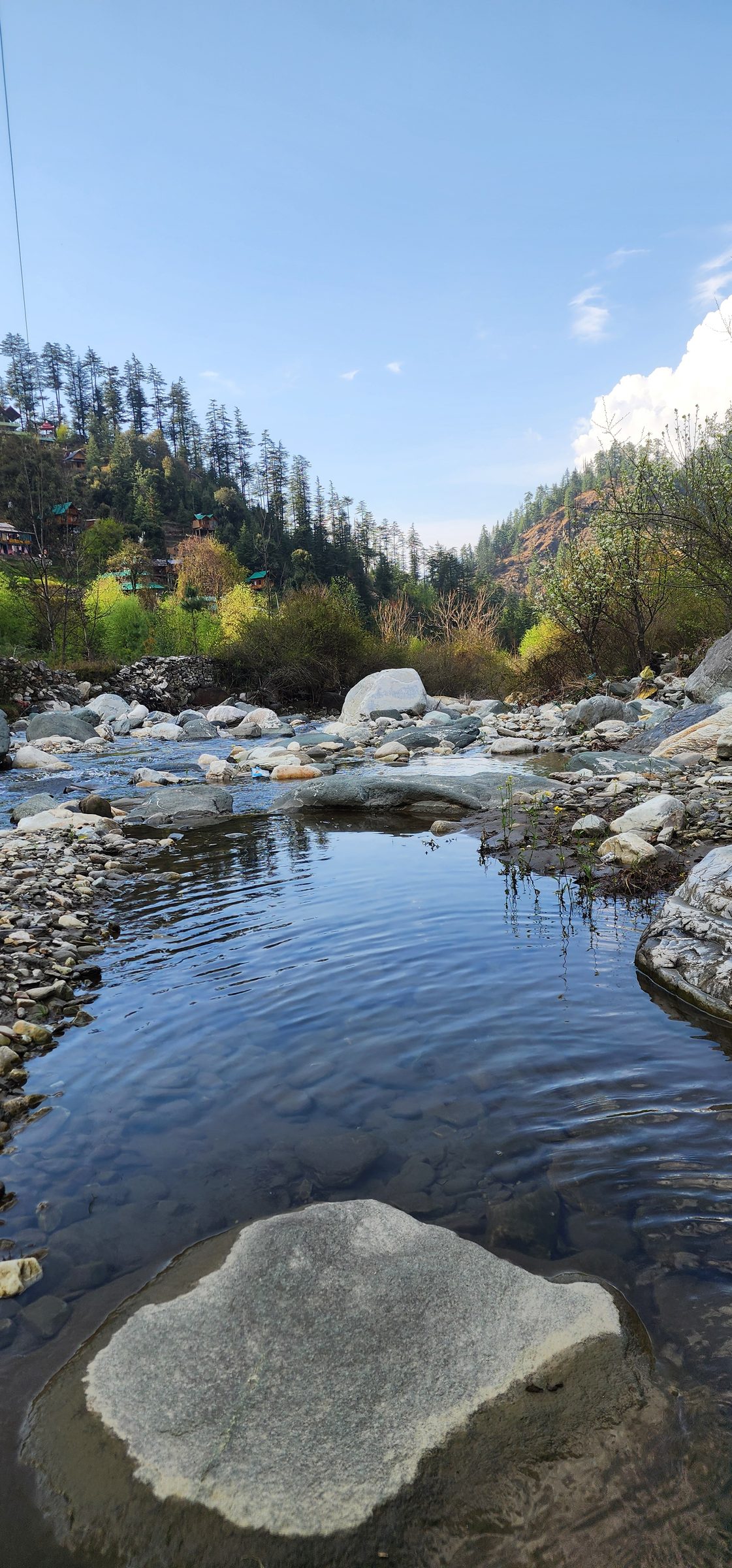
Tucked deep within the Kullu District of Himachal Pradesh, Jibhi lies in the serene Tirthan Valley at an altitude of 2250 meters. It's part of the larger Tirthan Valley region, nestled along the pristine Tirthan River and serving as a gateway to Jalori Pass and the buffer zone of the Great Himalayan National Park (UNESCO World Heritage Site). Jibhi is 10 km from Banjar, 65 km from Bhuntar Airport, and 535 km from Delhi via NH44 and NH305 — a journey of about 12–13 hours by road.
## [Places to Visit in Jibhi](/blog/best-places-to-visit-in-jibhi): Nature, Heritage & Stillness
When travelers ask about places to visit in Jibhi or *what to do in Jibhi*, the answer begins with slowing down. This is the heart of "ailyak" — a local philosophy of calm, unhurried living. But beyond stillness, Jibhi offers real adventures.
**[Jibhi Waterfall](/blog/jibhi-waterfall)** is a 15–20 minute walk from the village center — a year-round cascade, strongest during monsoon, with a pool perfect for summer dips.
**[Chehni Kothi](/things-to-do/chehni-kothi)**, a 9-storey medieval wooden tower, is reached via a 7 km drive and 45-minute trek. One of the tallest traditional structures in Himachal, it’s a marvel of earthquake-resistant Kullu architecture.
The **Shringa Rishi Temple**, 2 km from Jibhi, honors a sage from Hindu mythology and features intricate wooden pagoda design.
For trekkers, **Jalori Pass (3120m)** is 14 km away — open from May to October — and leads to **[Serolsar Lake](/things-to-do/serolsar-lake)**, a sacred 3100m alpine lake surrounded by deodar forests and birdlife, and **[Raghupur Fort](/blog/raghupur-fort-jibhi)**, offering 360° Himalayan views.
## What to Do in [Jibhi Himachal](/blog/jibhi-himachal) Pradesh — Beyond Sightseeing
Trout fishing in the Tirthan River (permit required from Banjar or Larji), forest bathing, riverside picnics, and cold water dipping are all part of the rhythm here. At **Ailyak Stays & Experiences**, guests unwind in soulful wooden homestays and join curated slow travel moments — from guided river walks to bonfire evenings and creative workshops with local artists. The **Ailyak Café** serves nourishing meals in a tranquil “third space” where time moves gently.

## Jibhi Right Now: April 2026 Weather & Conditions
April in Jibhi is mild and blossoming. With spring in full swing, apple orchards are flowering — **Jibhi in march** saw early blooms, and April brings fuller, fragrant coverage. Temperatures range from 10°C to 20°C. Roads are clear, Jalori Pass remains closed (opens around May), but village access is uninterrupted. Mobile networks (BSNL/Airtel) work reliably; Jio remains patchy. Electricity cuts are rare this time of year.
## Is Jibhi Safe to Visit Now? Can We Visit in January?
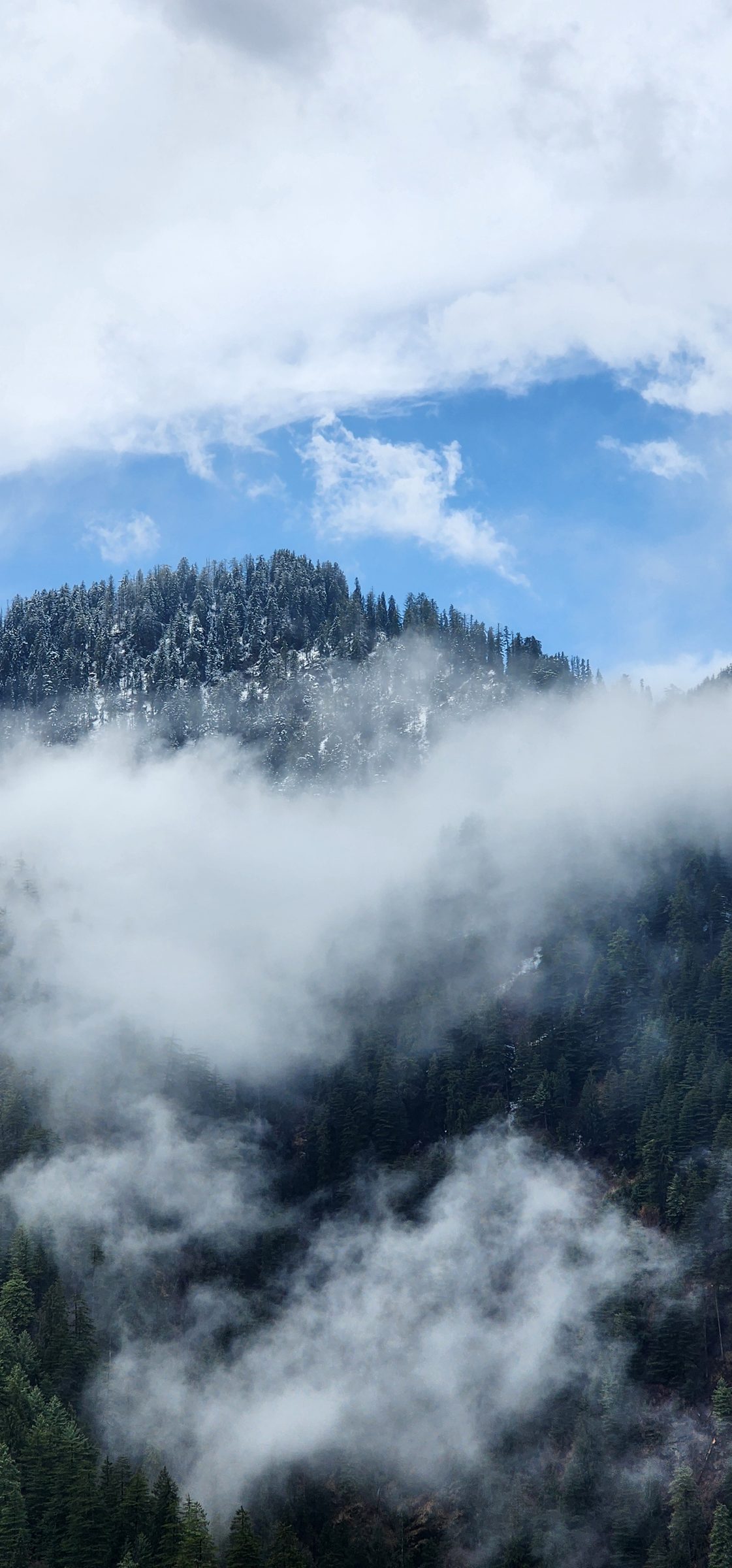
Yes, **Jibhi is safe to travel now**. As of April 2026, there are no active landslides or road closures on NH305. The valley is peaceful, with low tourist density and strong community hospitality. **Can we visit Jibhi in January?** Yes — though it’s snowy and very cold, Jibhi village remains accessible. Jalori Pass is closed due to snow, but the valley offers snow-covered charm, perfect for winter solitude. Just pack warm and expect limited daylight.
## Jibhi in February vs. Jibhi in March: What’s the Difference?
**Jibhi in february** is quiet and frost-kissed, ideal for snow lovers. By **jibhi in march**, days lengthen, temperatures rise slightly, and the first apple blossoms appear. March is milder, with better trekking conditions and fewer snow disruptions — a sweet spot before peak spring.
## Jibhi vs. Kasol: Which Is Better?
**Which is better, Jibhi or Kasol?** It depends on what you seek. Kasol (100 km away, ~3–4 hours by road) is known for its Israeli cafes and backpacker buzz. Jibhi is quieter, more immersive — a place for reflection, nature, and heritage. If you crave stillness over scene, **[jibhi valley](/blog/jibhi-valley)** wins. It’s less commercialized, surrounded by UNESCO-protected forests, and deeply rooted in local culture.
## Jibhi from Delhi: How to Reach
**Jibhi from Delhi** is 535 km via NH44 → Chandigarh → NH21 → Mandi → Aut Tunnel → NH305 → Banjar. Most travelers drive (12–13 hours) or take an overnight bus to Bhuntar (65 km away), then a taxi. The route is scenic but winding — best driven in daylight. Carry cash: Jibhi has no ATM; Banjar (10 km) is the nearest.
## What Is Your Source of This Information?
This guide is based on verified ground data: official distances, altitudes, accessibility windows, and local conditions in [Jibhi Valley](/blog/jibhi-valley). All logistics — from road access to fishing permits — reflect real-time operational facts as of April 2026. We work closely with local hosts and travelers in the region to ensure accuracy.
For stays that embody the *ailyak* spirit, explore **Ailyak Stays & Experiences** in Jibhi, Shoja, and Seri — where wooden homestays, mindful meals, and forest immersions invite you to truly arrive.