# Where the Mountains Whisper: The Best Cafes in Shoja for Your Himalayan Pause
Jibhi and Shoja sit side by side like two quiet pages in a mountain journal. Separated by only 10 km and 45 minutes of winding road, the villages share the same slow rhythm locals call “Ailyak”—a pace so gentle it feels like time itself is breathing. Shoja (2700 m) perches higher than Jibhi, so the views of Jalori Pass and the forested ridges of Great Himalayan National Park feel closer, sharper. When the morning mist lifts, the valley below hums with apple blossoms in spring, golden oaks in autumn, and blankets of snow in winter. Here, cafes aren’t just places to eat; they’re resting points where you sip masala chai in wooden nooks, watch the clouds drift past deodar trees, and feel the stillness settle into your bones.
Below is a hand-picked list of the best cafes in Shoja and nearby Jibhi—each chosen for warmth, views, and that elusive Ailyak vibe.
---
## Where Is Shoja, and When Will It Snow?
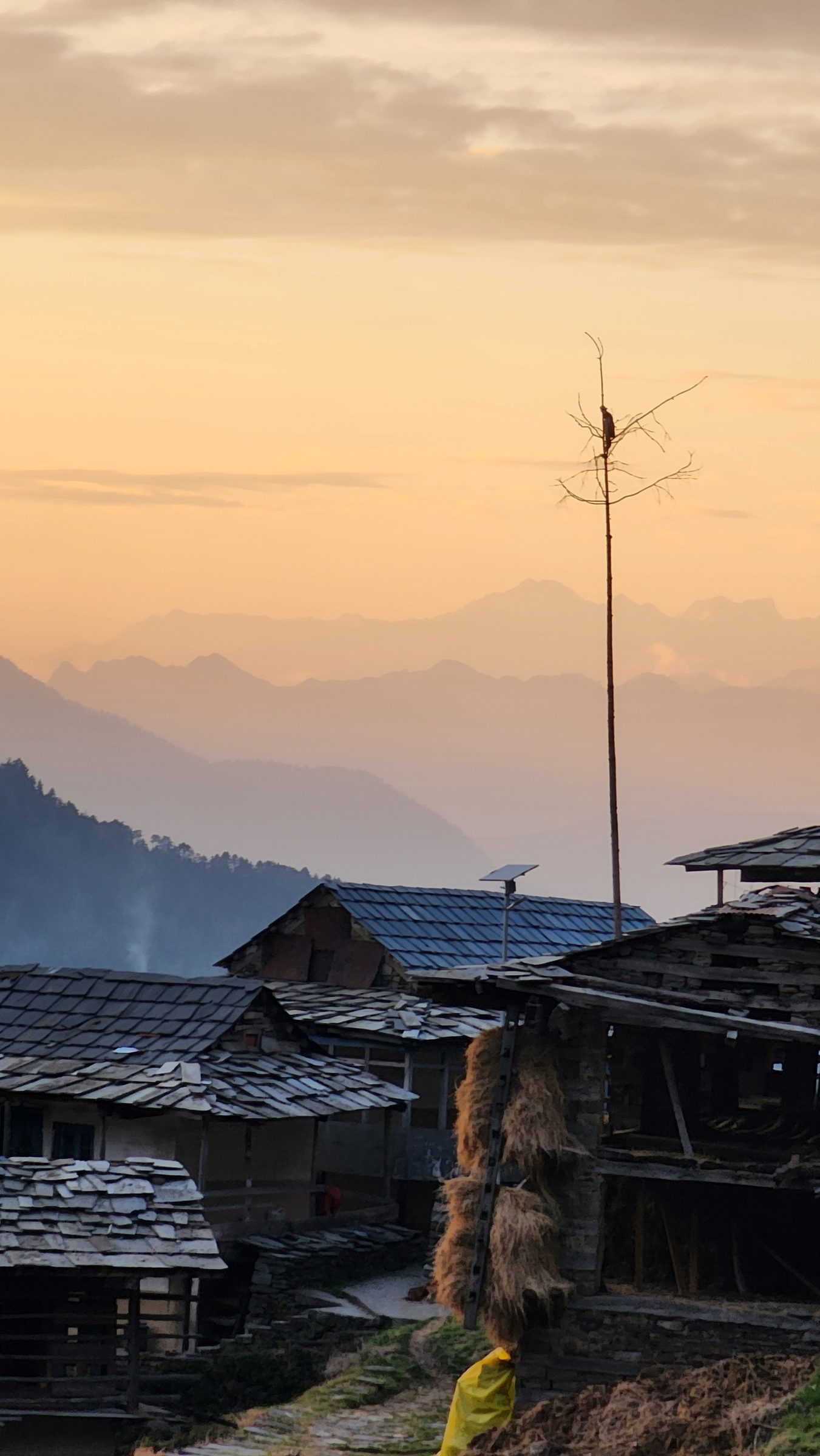
Shoja is a small Himalayan hamlet at 2700 m, tucked into the Tirthan Valley inside Kullu District, Himachal Pradesh. It sits 16 km from Jibhi village along the NH305 and is the final motorable stop before the Jalori Pass ascent. The village is quieter than Jibhi but offers higher vantage points, cleaner air, and direct access to the pass and Serolsar Lake.
Shoja begins to dust in late December and stays snowy through February. By March, the snow melts into spring blossoms; the first snow of the season usually arrives after the first week of December. If you’re chasing snow or solitude, Shoja is your winter base. From mid-May to October, the roads are clear and the cafes open their wooden shutters—perfect for long chai breaks between treks.
---
## Cafes in Shoja: Quiet Hideaways with Himalayan Views
1. **Café Shoja View**
Perched on the edge of the village with floor-to-ceiling windows facing Jalori Pass, this café feels like the inside of a treehouse. Their ginger-honey tea and apricot jam toast are staples, but the real draw is the deck where you can watch the pass light up at sunrise. Wi-Fi is patchy (BSNL works best), so bring a book or a journal—this is Ailyak time.
2. **Deodar Den**
A five-minute walk from the main road, Deodar Den blends into the forest with a wooden deck shaded by ancient cedars. Try their truffle omelet and mulled apple cider in winter. Mornings are misty and magical here; evenings glow with lantern light. They also offer packed lunches for Serolsar Lake treks—ask ahead.
3. **Pass Top Dhaba**
Right at the Jalori Pass turn-off (14 km from Shoja), this dhaba is the last stop before the climb. Wood-fired naan, thukpa, and hot jaggery chai make it a pilgrimage for travelers. The simple tin roof and smoke-stained walls add to the rugged charm. Open May–October only; closes in winter due to snow.
4. **Ailyak Stays Café** *(by Ailyak Stays, Jibhi)*
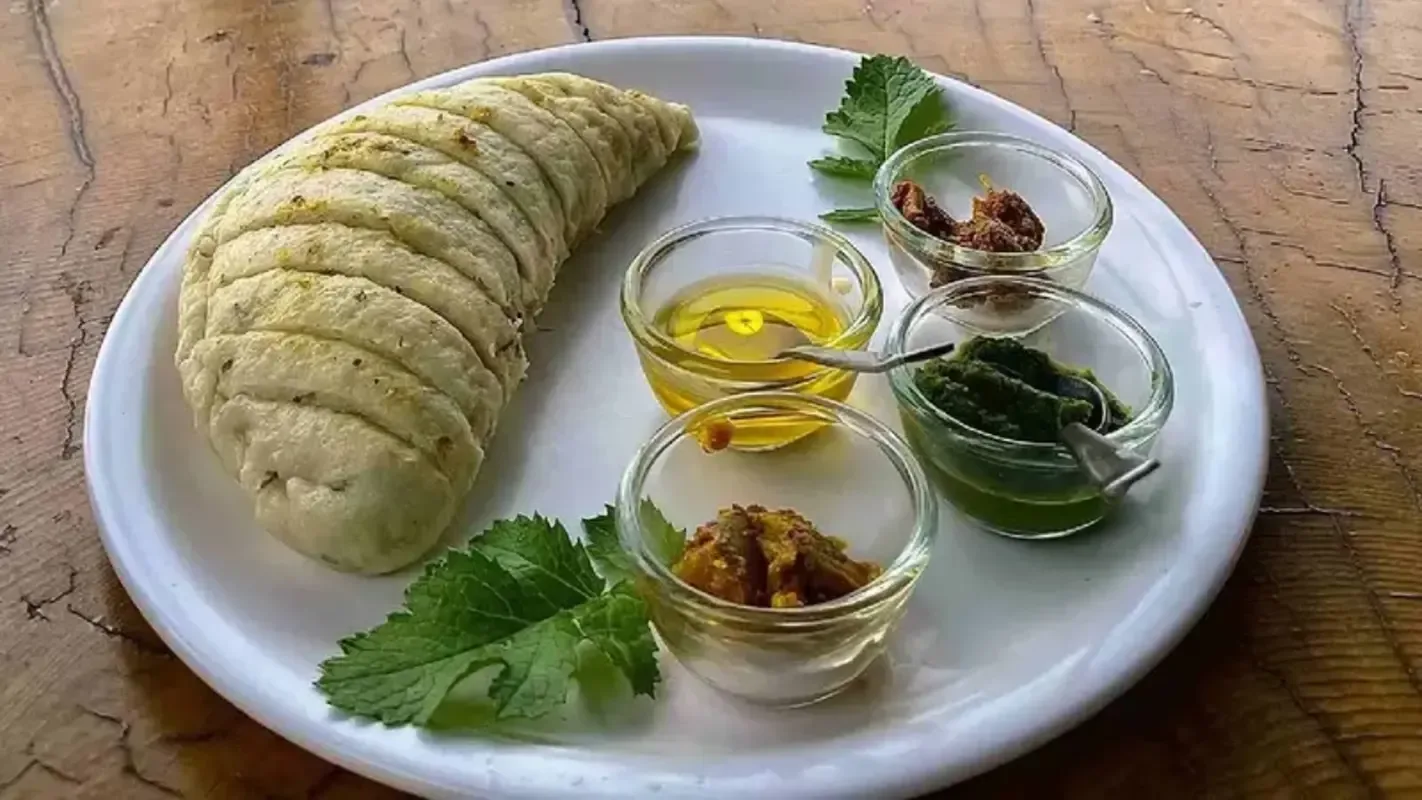
While technically 16 km away in Jibhi, Ailyak Stays Café is a must-visit for its philosophy: slow travel, slow food, slow mornings. Housed in a restored wooden Kullu home, it serves home-cooked Himachali thalis and hand-roasted coffee. Their “Ailyak Breakfast Platter” (local bread, apricot jam, mountain herbs) is a cult favorite. The café doubles as a cultural hub—often hosting local storytellers and folk-musicians by firelight.
](/cdn/2026/02/66e5a6a455-20260202-162619-1.jpg)
5. **Ridge Rest Café**
A 10-minute uphill trek from Shoja village center, Ridge Rest sits on a wooden platform with panoramic views of the valley. Their menu leans vegetarian: buckwheat pancakes, yak cheese toasties, and wild-honey lemonade. Come for the sunrise; stay for the slow conversation.
---
## More Than Cafes: Unique Shoja Cultural Experiences
Shoja isn’t just about the views—it’s about the quiet rituals that define Ailyak.
- **Sunrise at Jalori Pass**: Drive up just after dawn; the pass is often empty, the silence only broken by the wind through deodar.
- **Serolsar Lake Trek**: A 5 km forest walk from Jalori Pass, sacred to the Budhi Nagin deity. Birdwatchers spot the Himalayan Monal and Koklass Pheasant.
- **Chehni Kothi Visit**: A 45-minute uphill trek from Jibhi (7 km drive), this 9-storey medieval tower is one of the tallest traditional structures in Himachal.
- **Trout Fishing in Tirthan**: Permits from Larji or Banjar; wade into the river at dawn with a local guide.
These experiences aren’t rushed—they’re savored. That’s Ailyak.

---
## Planning Your Shoja Trip: Shoja Trip Packages and Logistics
Shoja is best combined with Jibhi for a full Tirthan Valley experience. From Delhi, drive ~535 km via Chandigarh and Aut Tunnel (12–13 hours). From Manali, it’s 145 km via NH3 and Aut (~4–5 hours). Bhuntar Airport is 65 km away (2 hours).
- **Best time to visit**: October–November for post-monsoon clarity and foliage; March–April for apple blossoms and mild weather.
- **Snow months**: December–February. Jalori Pass road closes then, but Shoja village and Jibhi remain accessible.
- **Connectivity**: BSNL has the most reliable signal; Airtel works in most spots. Jio is patchy.
- **Cash**: No ATMs in Shoja or Jibhi. Carry cash from Banjar (10 km) or Aut (56 km).
Looking for a curated journey? Consider a [Jibhi-Shoja trip package](shoja-trip-package) that bundles stays, treks, and cultural experiences into a seamless Ailyak retreat.
---
## Why Shoja Is the Quiet Counterpart to Jibhi
Jibhi is the heartbeat—Tirthan River, wooden homes, trout fishing, and slow mornings. Shoja is the viewpoint—higher, quieter, with longer shadows and sharper horizons. Together, they form a complete Tirthan Valley story: one of warmth and stillness, the other of vistas and wonder.
If you’re plotting a Himalayan escape where the pace slows and the mountains speak, start here. Find a wooden chair, order a cup of masala chai, and let the Ailyak settle in.
---
[Where to Go: Finding the Best Time to Visit Shoja and Jibhi Valley](/blog/best-time-to-visit-jibhi-and-shoja)
[Discover the Hidden Himalayan Hamlet: Shoja Village](/blog/discover-shoja-hidden-himalayan-hamlet-jibhi)
[A Plate of the Mountains: Discovering the Soul of Himachali Food in Jibhi Valley](/blog/traditional-himachali-cuisine-jibhi-food-guide)
[Jibhi Trekking: Best Trails & Essential Guide](/blog/jibhi-trekking)
[The Quiet Road: Why Jibhi and Kasol Are Worlds Apart—And Why the Distance Matters](/blog/jibhi-to-kasol-distance)
---
META---
Plan your Himalayan escape with the best cafes in Shoja: quiet hideaways with mountain views, slow food, and Ailyak charm. Perfect for trekkers and dreamers.