# Cafés in Shoja: Experience the warmth of Shoja
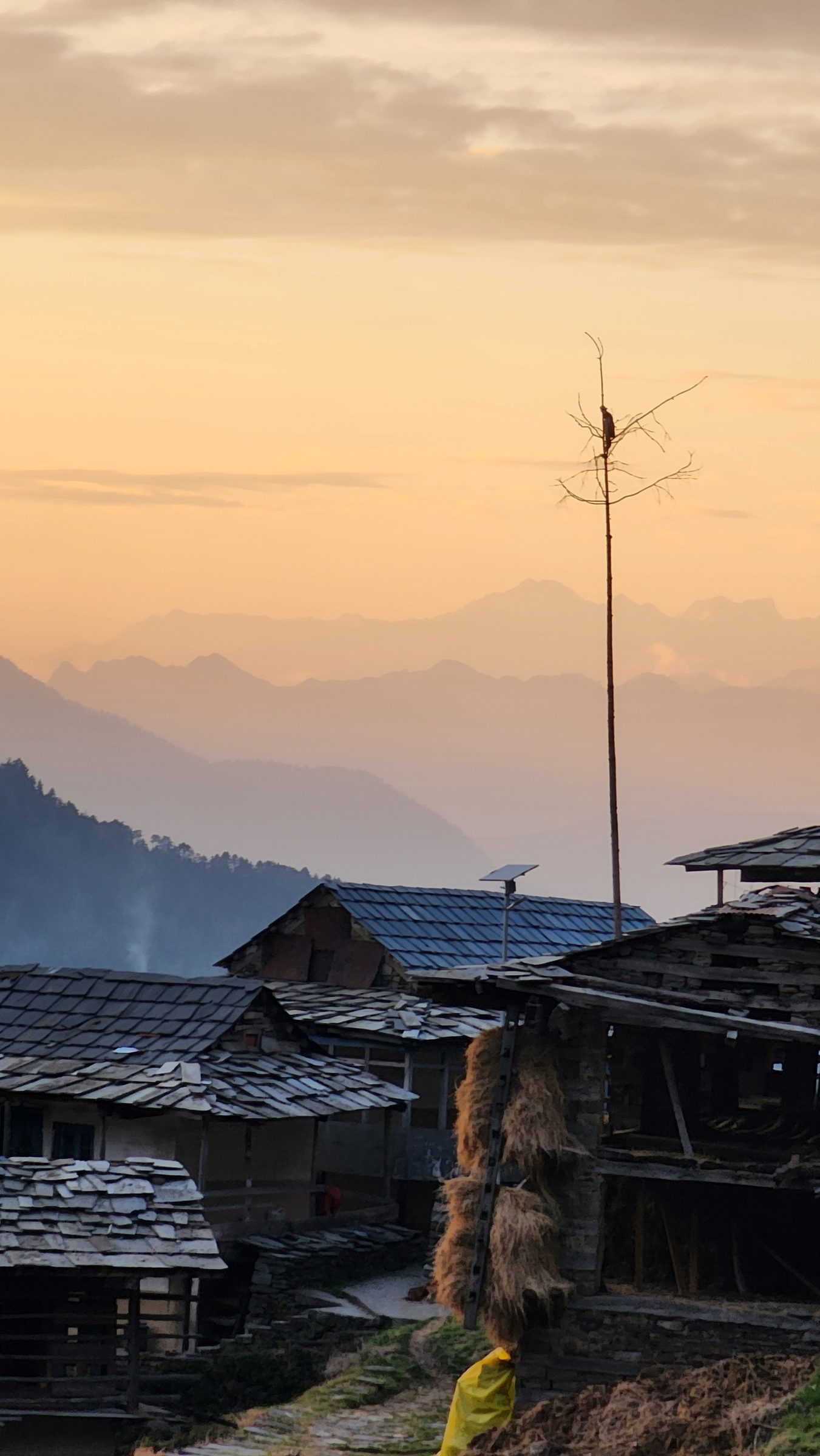
At 2,700 m, Shoja is Jibhi Valley’s quiet mountain cousin—just 10 km from Jibhi, but worlds apart in stillness. It’s the kind of place where time slows down, the pines whisper, and the only thing louder than the silence is the crackle of a wood-fired chullah. For travelers seeking a slow, restorative pause, Shoja isn’t just a stop—it’s a mountain awakening. And when that pause comes with a cup of spiced chai, a plate of piping-hot Maggi, or a slice of sun-drenched apple cake, it becomes a memory you carry back down the valley.
This is your guide to the best **cafés in Shoja**—places where the Himalayas serve not just views, but soul-warming hospitality. Whether you’re here for a day trip, a weekend getaway, or part of a longer [Jibhi to Jalori Pass trek](/blog/jibhi-trekking), these cafés are where the quiet magic of [Shoja village](/blog//shoja) truly comes alive.
---
## What Makes Cafés in Shoja So Special?
Shoja isn’t built for tourists—it exists for itself. The cafés here are not Instagram sets; they’re extensions of local homes, carved into traditional wooden structures, perched on wooden balconies, or tucked into sunlit courtyards. They serve what the mountains grow: wild Himalayan herbs, apples from nearby orchards, and trout from the Tirthan River.
Here, the concept of “Ailyak”—the local way of slowing down—isn’t a hashtag; it’s the rhythm of every meal. You’ll sip your tea while watching cloud shadows race across Jalori Pass, or linger over a thukpa as the afternoon light slants through deodar beams. These aren’t just cafés. They’re sanctuaries.
---
## The Best Cafés in Shoja You Can’t Miss
### 1. **Himalayan Brews at Shoja View Café**
Nestled on the edge of the forest, this café offers the best panoramic views of Jalori Pass from its open deck. Built in traditional Kullu wood-and-stone style, it’s the perfect spot to sip **Shoja’s finest filter coffee** (locally roasted) with a side of freshly fried momos.
📍 *100 m from Shoja village center*
🕒 *8 AM – 6 PM (April–October)*
✔️ *Wood-fired chai, apple pie, trout pakora*
✔️ *Free Wi-Fi (BSNL/airtel signal strong)*
✔️ *Pet-friendly*

💡 *Pro tip: Arrive before 10 AM for sunrise over the pass and fewer crowds.*
### 2. **The Quiet Magic of Deodar Deck Café**
If you’re looking for the ultimate “**mountain pause above the clouds**,” this is it. Perched on a wooden balcony overlooking the valley, Deodar Deck serves slow-made dishes using ingredients from local farms. Their **apple cinnamon cake** is legendary—baked fresh every morning with apples from Jibhi’s orchards.
📍 *5-minute walk toward Jalori Pass road*
🕒 *7:30 AM – 5:30 PM*
✔️ *Vegan options, local honey tea, buckwheat pancakes*
✔️ *Outdoor seating with valley views*
✔️ *Cash only (ATM in Banjar, 16 km away)*
💡 *Pair your meal with a plate of steaming thukpa—it’s the taste of the Himalayas in a bowl.*
### 3. **Pinewood Café: Where Stories Are Served with Tea**
Run by a local family, Pinewood Café is more than a café—it’s a cultural exchange. They serve **Shoja-style green tea**, infused with wild Himalayan herbs like *brahmi* and *kapur*, and homemade apricot jam on whole wheat toast.
📍 *Inside Shoja village, near the community hall*
🕒 *8 AM – 5 PM*
✔️ *Herbal teas, local apricot preserves, buckwheat noodles*
✔️ *Cultural storytelling sessions on request*
✔️ *Handmade wooden souvenirs for sale*
💡 *Ask for their “Shoja Sunset Special”—a warm apple cider with cinnamon, served at dusk.*
### 4. **Jalori View Dhaba: The Unassuming Gem**
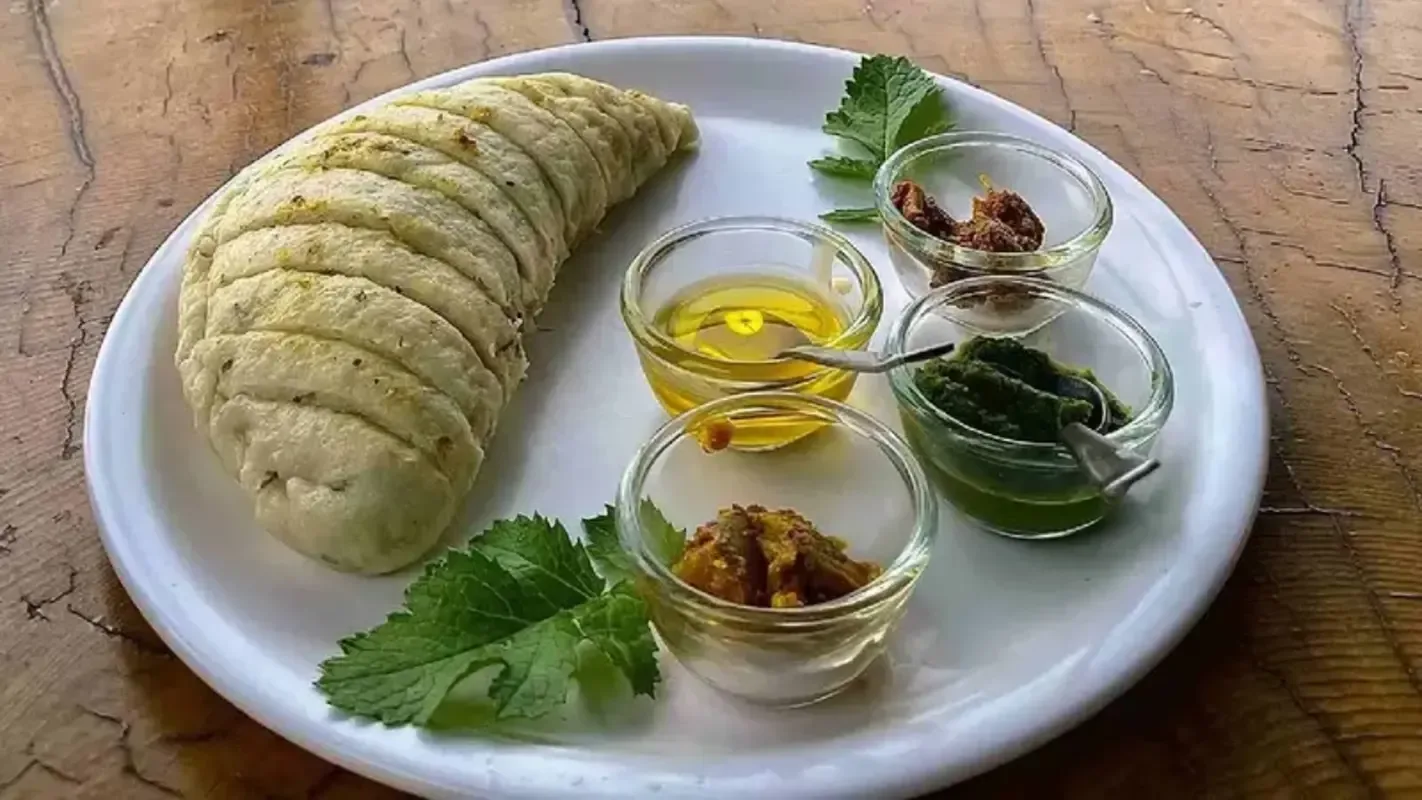
Not a café in the traditional sense, but a **must-visit for travelers heading to Jalori Pass**. This roadside dhaba serves **garlic chutney parathas**, fresh trout curry, and steaming rice with dal—all cooked over wood fire.
📍 *On NH305, 2 km before Shoja junction*
🕒 *6 AM – 7 PM*
✔️ *Freshly fried parathas, trout curry, masala chai*
✔️ *Quick refuel stop on the way to Jalori Pass*
✔️ *Cash only*
💡 *Stop here for breakfast before your 45-minute drive to Jalori Pass—it’s a local favorite.*
---
## When to Visit Cafés in Shoja: April Magic
April in Shoja is **quiet magic in motion**. The apple trees are in blossom, the air is crisp at 12–18°C, and the monsoon hasn’t arrived yet. The cafés are lively but not crowded—perfect for long conversations, sketching, or simply watching the clouds drift over Jalori Pass.
✅ *Best café vibes: March–April (apple blossoms), October–November (golden foliage)*
❌ *Avoid: July–August (monsoon rains, landslides on NH305)*
💡 *April tip: Carry cash. Jibhi and Shoja have no ATMs. Withdraw in Banjar (16 km) or Aut (56 km).*
---
## How to Reach Shoja from Jibhi (and Beyond)
Shoja is just **10 km from Jibhi village**—a scenic 45-minute drive through oak and pine forests. The road is narrow and winding, but the views make every switchback worth it.
🚗 *From Jibhi*: Drive 10 kms toward Shoja on NH305.
🚌 *From Manali*: 4–5 hours via NH3 → Aut Tunnel → NH305 → Banjar → Shoja.
🚆 *From Bhuntar Airport*: 4 hours via NH305.
🚆 *From Delhi*: 12–13 hours via Chandigarh → NH21 → Aut Tunnel → NH305.
💡 *Best route: Drive from Chandigarh via Bilaspur and Sundernagar—scenic and smooth.*
---
## Packing for Shoja’s Café Crawl
To fully enjoy the **quiet magic of Shoja**, pack:
- **Warm layers** (April mornings can dip to 5°C)
- **Comfortable shoes** (wooden café floors, forest trails)
- **Cash** (no ATMs in Shoja)
- **Power bank** (electricity cuts common in monsoon season)
- **Reusable water bottle** (many cafés refill for free)
💡 *April bonus: Bring a light jacket—evenings get chilly, but the café vibes stay warm.*
---
## Beyond the Café: More Quiet Magic in Shoja
Shoja isn’t just a café stop—it’s a doorway to deeper stillness. Pair your café crawl with:
- **Jalori Pass** (3,120 m): 14 km from Shoja. Open May–October. Trekking to **Serolsar Lake** begins here.
- **Chehni Kothi**: 7 km from Jibhi, 45-minute trek. A 700-year-old fortress tower—one of Himachal’s tallest traditional structures.
- **Great Himalayan National Park buffer zone**: Begin your exploration from Shoja’s forests.
](/cdn/2026/02/66e5a6a455-20260202-162619-1.jpg)
🔗 *Explore more*: [Shoja uncovered: where the Himalayas whisper](/blog/shoja) |
[Best time to visit Shoja and Jibhi](/blog/best-time-to-visit-jibhi-and-shoja) |
[Jibhi trekking: best trails & essential guide](/blog/jibhi-trekking)
---