# Why Jibhi is a Hidden Sanctuary for Trekking
Nestled in the Tirthan Valley at 2250m, Jibhi is more than a destination—it’s a feeling. With its wooden heritage homes, trout-filled river, and the slow rhythm of *ailyak*, trekking in JIbhi isn’t just about altitude or distance. It’s about immersion. Unlike busier hill stations, **trekking in Jibhi** offers solitude, ancient forests, and trails that lead not just to peaks and lakes, but into the quiet heart of the Himalayas.
For those asking, *“What are the best treks near Jibhi?”*—the answer lies in a delicate balance of nature, culture, and stillness. Whether you're drawn to sacred lakes, medieval towers, or panoramic ridges, **trekking in Jibhi** connect you to landscapes that time forgot.
## The Most Memorable Treks Near Jibhi
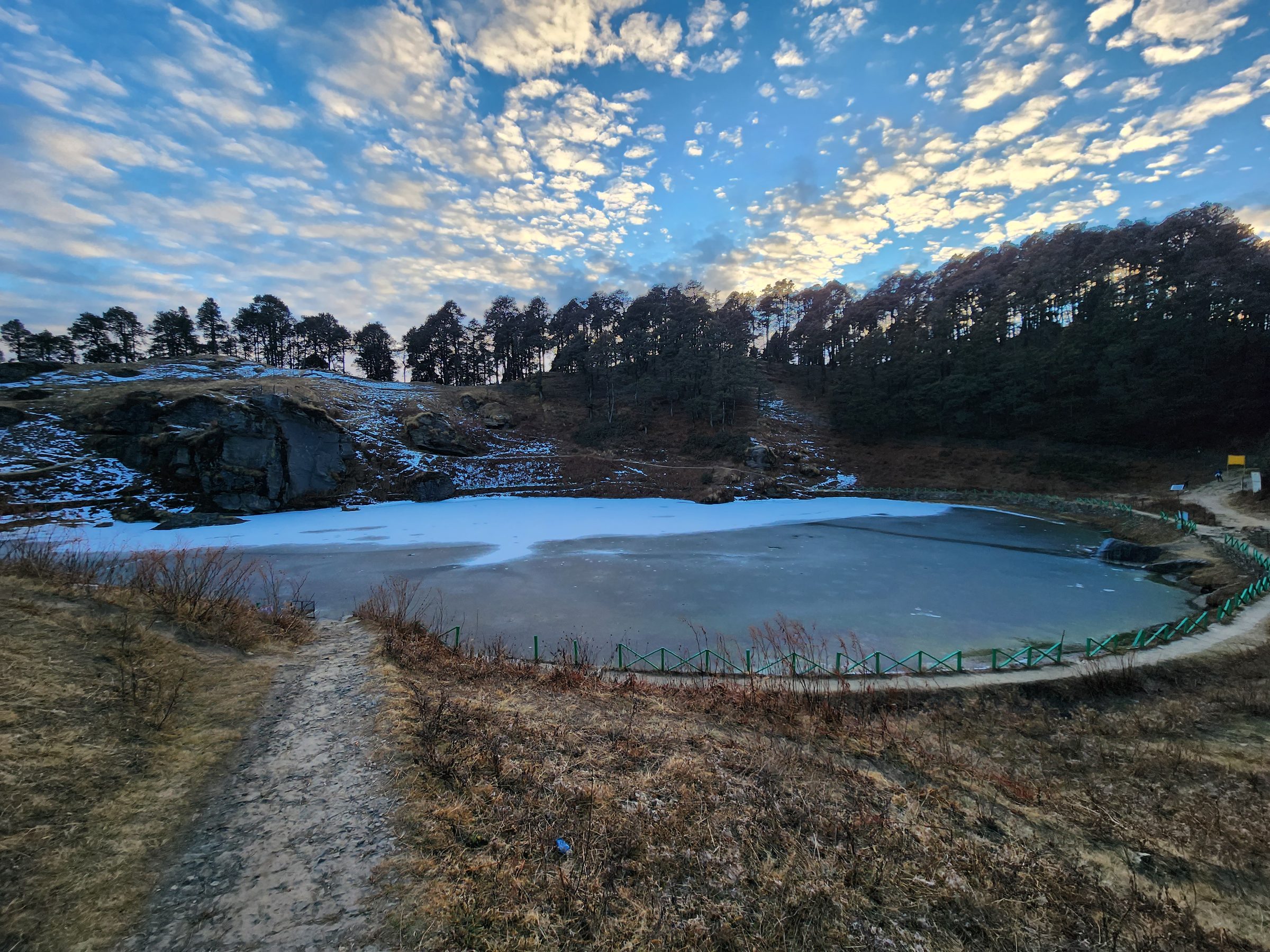
### **Jalori Pass & Serolsar Lake: The Classic Jibhi Lake Trek**
One of the most searched **jibhi trekking locations**, the journey to **Serolsar Lake** begins with a 45-minute drive from Jibhi to **Jalori Pass** (3120m), the highest motorable pass in Kullu. From May to October, the road opens, revealing a trailhead that winds 5 km through dense deodar and oak forests.
This **jibhi lake trek** leads to a glacial lake sacred to the deity Budhi Nagin. As you walk, listen for the Himalayan Monal or spot the Bar-tailed Treecreeper flitting between branches. The final view—crystal water ringed by pine-covered cliffs—is worth every step. Combine it with the **Raghupur Fort trek**, just 5 km further along the ridge, for 360° views of Dhauladhar and Kinnaur peaks.
### Raghupur Fort
For history lovers and photographers, the **Raghupur Fort trek** is a must. This 3 km ridge trek from Jalori Pass climbs to the ruins of a Guler kingdom fortress at 3,300m, offering sweeping views of the Dhauladhar range, Kinnaur peaks, and the sprawling Kullu Valley. The fort’s crumbling walls and quiet meadows make it one of the most atmospheric **treks in Jibhi**.
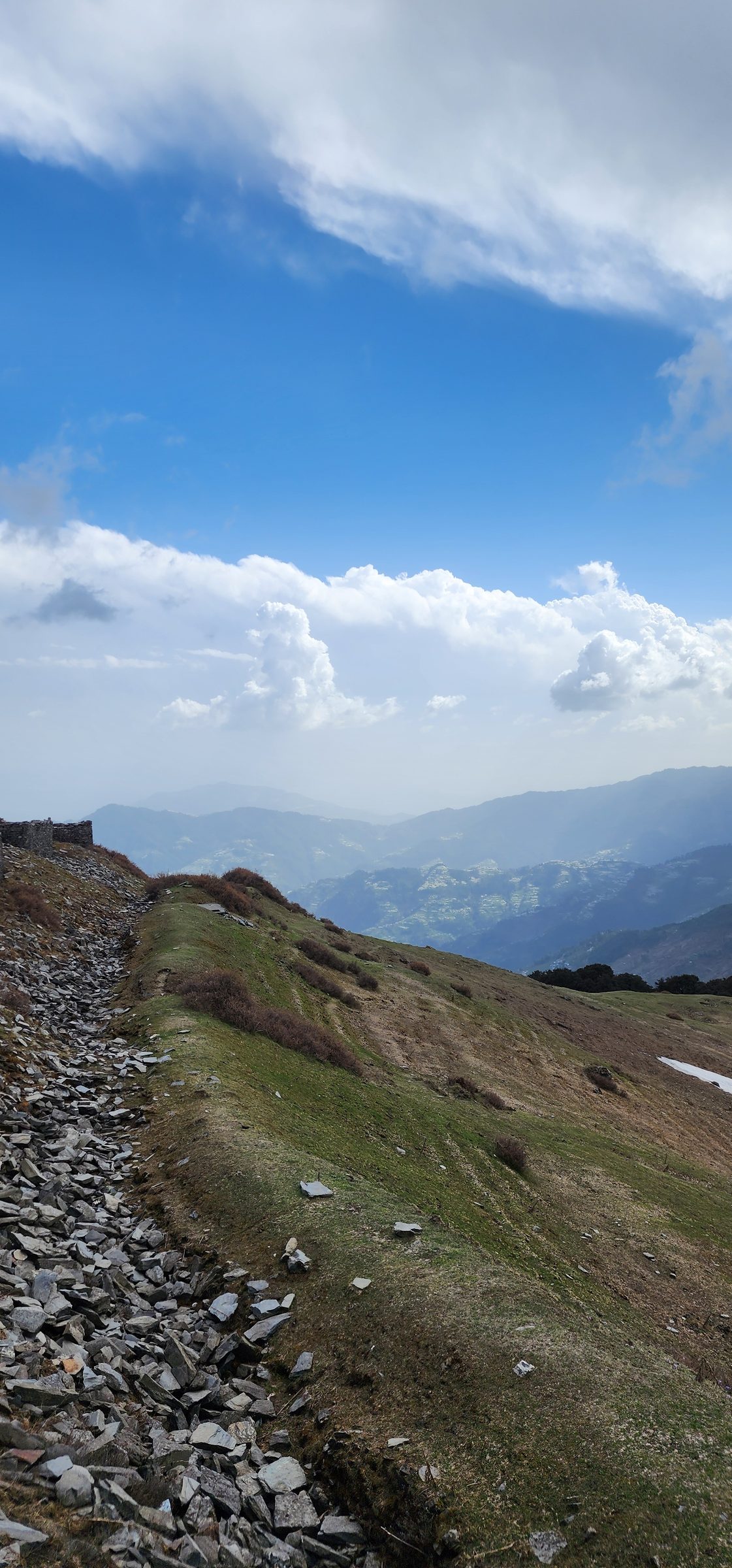
### **Chehni Kothi: Where History Meets the Trail**
A lesser-known but deeply rewarding **jibhi trek**, the **Chehni Kothi** trail blends heritage with hiking. Just 7 km from Jibhi village, drive to the Chainsi Marg road-head, then begin a 45-minute uphill trek through apple orchards to a 9-storey medieval tower.
This **trek near Jibhi** is unique—one of the few in Himachal where architecture becomes the summit. Built 500–700 years ago with traditional earthquake-resistant woodwork, **Chehni Kothi** stands as a silent guardian of Kullu’s past. The path is easy to moderate, perfect for families or slow explorers.
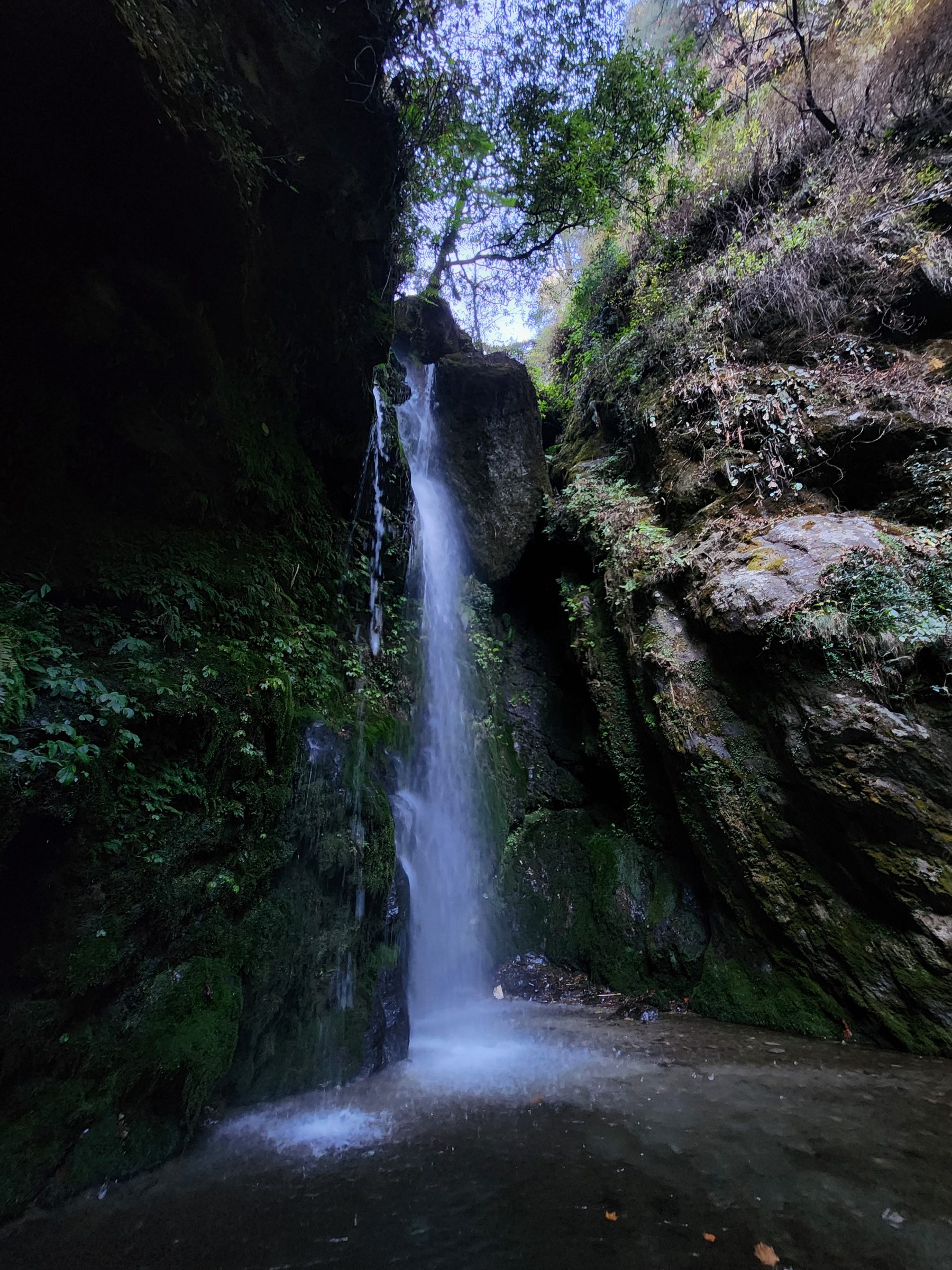
### **Jibhi Waterfall: A Quick Trek for All Seasons**
Looking for a **jibhi trek** you can do year-round? The **Jibhi Waterfall** is just 1 km (15–20 minute walk) from the village center. This cascading fall flows strongest during monsoon (July–September), but remains accessible even in winter.
Ideal for a sunrise walk or a post-breakfast stretch, it’s one of the most popular trekking location for families and those acclimatizing. The pool at the base invites a summer dip—always with respect for local norms.
>**Pro tip:** Combine this with a visit to [Jalori Pass](/blog/jalori-pass-trek) for panoramic views before or after your trek.
### **Shringa Rishi Temple: A Quiet Pilgrimage Walk**
Though not marketed as a trekking location, the 2 km walk to **Shringa Rishi Temple** is a spiritual journey. Dedicated to the sage Shringa Rishi, the temple sits in traditional Kullu pagoda style, surrounded by pine and apple trees.
It’s a gentle **trek in Jibhi** that grounds you—wooden carvings, the scent of deodar, and distant temple bells. Visit during Dussehra to witness the doli procession, a moment when the valley’s soul feels most alive.
## When to Go: Jibhi Trekking Seasons
- **Best time**: October–November brings crisp air, clear skies, and golden foliage.
- **Spring**: March–April offers apple blossoms and mild weather—ideal for **jibhi treks**.
- **Monsoon**: July–August sees heavy rain; trails stay open but NH305 risks landslides.
- **Winter**: December–February brings snow—**Jalori Pass closes**, but lower trails and **Jibhi Waterfall** remain accessible.
>For real-time updates, check our [Jibhi weather now guide](/blog/jibhi-weather-today).
## Travel Tips for Trekking in Jibhi
- **Only one ATM in Jibhi**—carry cash from Banjar (10 km).
- **Mobile networks**: BSNL most reliable; Airtel works; Jio patchy.
- **Fishing permits**: Required for trout fishing—get from Fisheries Dept in Banjar or Larji.
- **Electricity cuts**: Common in monsoon—most homestays have inverters.
- **Stay wisely**: Choose homestays rooted in local culture. At **Ailyak Stays & Experiences**, trekking begins right from your doorstep—forest bathing, cold water dipping, and guided river walks included.
For those seeking more than a checklist, **Ailyak** offers stays in Jibhi, Shoja, and Seri that embrace the *ailyak* way—slow, intentional, connected. Their café serves nourishing meals after a long day on the trail, and curated experiences deepen your bond with the valley.
For more inspiration, explore [offbeat trekking trails in Jibhi Tirthan Valley](/blog/jibhi-trekking) or dive into [traditional Himachali cuisine](/blog/traditional-himachali-cuisine-jibhi) after your trek.